How Do You Open a Closed Hood Without Breaking Anything
Opening a closed hood might seem simple, but doing it the wrong way can damage your car’s latch, hinges, or release mechanism. This guide walks you through every method to safely open a closed hood, troubleshoot common issues, and prevent future problems. You will learn how the hood system works, what to do when it sticks, and when to seek professional help.
Key Takeaways
- Know Your Release System: Every car has a primary hood release lever and a secondary safety latch. Understanding both is essential.
- Never Force the Hood Open: Forcing a stuck hood can damage the latch, hinges, or entire hood opening system.
- Check for Ice and Rust: Cold weather and corrosion are the two most common reasons a hood gets stuck closed.
- Regular Maintenance Helps: Lubricating the hood latch and checking the release cable can prevent most problems.
- Know When to Call a Pro: If basic methods fail, a mechanic can safely diagnose and fix deeper issues.
- Use the Right Tools: Having a flashlight, pliers, and lubricant on hand makes hood troubleshooting much easier.
- Safety Comes First: Always prop the hood securely with the support rod to prevent accidents.
📑 Table of Contents
- How Do You Open a Closed Hood Without Causing Damage?
- Understanding Your Car’s Hood Opening System
- Step-by-Step Guide to Open a Closed Hood
- Common Problems When You Try to Open a Closed Hood
- How to Prevent Hood Problems in the Future
- When Should You Call a Professional?
- Quick Tips for Opening a Closed Hood
- Key Takeaways
- Conclusion
How Do You Open a Closed Hood Without Causing Damage?
So your hood is shut tight and you need to get inside the engine bay. Maybe you need to check the oil, add washer fluid, or inspect something under the hood. Whatever the reason, opening a closed hood can feel frustrating, especially if nothing seems to work.
Here is the good news. Most hoods open the same way, and you do not need to be a mechanic to figure it out. You just need to know where the release is and what to do when things get stuck. This guide will show you exactly how to open a closed hood safely, step by step. We will also cover the most common problems and how to fix them.
Whether you drive a sedan, SUV, or truck, the basic principles stay the same. Let us walk through it together so you never have to worry about a stuck hood again.
Why Hoods Get Stuck in the First Place
Before we dive into the how, let us quickly talk about the why. Understanding what causes a hood to stay closed helps you prevent the problem in the future.
- Ice buildup in cold weather: Freezing temperatures can lock the latch mechanism shut.
- Rust and corrosion: Over time, metal parts wear down and seize up.
- Broken or stretched release cable: The cable connecting the lever to the latch can wear out.
- Faulty hood latch spring: A weak spring means the latch does not release properly.
- Accidental lock engagement: Some cars have a secondary lock that gets engaged by mistake.
Knowing these causes gives you a head start. Now let us look at how your hood system actually works.
Understanding Your Car’s Hood Opening System
Every car has a hood opening system made up of a few key parts. Once you understand these parts, troubleshooting becomes much easier. The system is designed to be simple, but each component plays an important role.
The Hood Release Lever
The hood release lever is the first thing you pull. You will usually find it inside the driver’s cabin, near the floor on the left side, under the steering column, or on the dashboard. When you pull this lever, it sends a signal through a cable to the hood latch. This is the primary release mechanism.
Some newer cars use a hood release button instead of a lever. It works the same way but uses a electronic signal rather than a cable. Either way, the goal is the same. You are telling the latch to unlock.
The Secondary Safety Latch
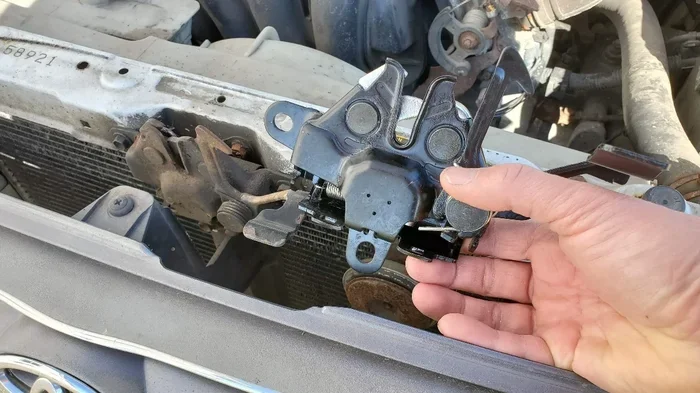
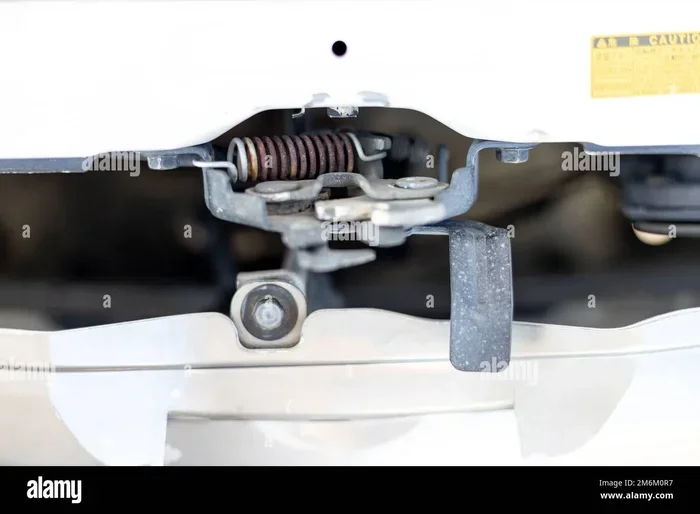
Here is something many drivers do not know. Almost every car has a secondary safety latch. This is a second locking mechanism that keeps the hood from flying open while you are driving. After you pull the primary release, the hood pops up just a little bit. You then need to reach under the front edge and manually release the secondary latch.
This two-step design is a safety feature. It prevents the hood from accidentally opening at highway speeds. But it also means you need to complete both steps to fully open a closed hood.
The Hood Prop Rod or Support System
Once the hood is open, it needs to stay that way. Older cars use a hood prop rod that you stick into a hole on the hood. Newer vehicles often have a hood strut or gas spring that holds the hood up automatically. Both systems keep the hood secure while you work underneath it.
Step-by-Step Guide to Open a Closed Hood
Now that you understand the system, let us get into the actual steps. Follow these instructions carefully and you will open a closed hood without any trouble.
Step 1: Find the Primary Hood Release
Sit in the driver’s seat and look down near your feet on the left side. You are looking for a lever or handle with a symbol that looks like a car with its hood up. Pull this lever toward you. You should hear a click or feel the hood pop slightly.
If you do not hear anything, do not pull harder. We will troubleshoot that in a moment. For now, just make sure the car is parked on a flat surface and the engine is off.
Step 2: Release the Secondary Latch
Walk to the front of the car. Run your fingers along the front edge of the hood. You should feel a small gap where the hood has lifted slightly. Reach your hand under that gap and feel for a latch or lever. Push it to the side or up, depending on your car model.
The hood should now rise on its own. If it does not, move on to the next step. Do not force it.
Step 3: Secure the Hood with the Prop Rod
Lift the hood fully and locate the prop rod or release the hydraulic strut. On older cars, insert the rod into the designated hole. On newer cars, the strut should hold the hood up on its own. Make sure the hood is fully open and secure before you start working.
And that is it. You have successfully open a closed hood without any damage.
Common Problems When You Try to Open a Closed Hood
Sometimes things do not go as planned. Here are the most common issues and how to handle them.
Frozen Hood Latch in Winter
Cold weather is the number one enemy of your hood latch. Ice can form around the latch mechanism and lock it in place. If you try to pull the release lever and nothing happens, ice might be the culprit.
Do not use boiling water to melt the ice. The sudden temperature change can crack metal parts or damage the surrounding paint. Instead, use a de-icer spray or a small amount of rubbing alcohol. Spray it around the latch area and wait a few minutes. Then try the release again.
To prevent this from happening, park your car in a garage when possible. You can also apply a thin layer of white lithium grease to the latch during winter months.
Broken Hood Release Cable
The cable that connects the release lever to the latch can stretch, fray, or snap over time. If you pull the lever and hear nothing, the cable might be broken. This is a common issue in older vehicles.
Fixing a broken cable requires accessing the latch from underneath the car or through the front grille. If you are comfortable working under the car, you can replace the cable yourself. Otherwise, it is best to visit a mechanic. They can replace the hood release cable quickly and affordably.
Hood Stuck Due to Rust or Corrosion
Rust builds up over time, especially in humid or coastal areas. When rust affects the latch or hinge, the hood can seize completely. You might hear grinding noises when you try to pull the release.
Start by spraying penetrating oil like WD-40 on the latch and hinge areas. Let it sit for 15 to 20 minutes. Then gently try to release the hood. Never hit or hammer the latch. This can cause more damage than good.
If rust has completely welded the latch shut, you may need professional help. A mechanic can assess the damage and recommend the right repair.
Hood Release Handle Is Hard to Pull
Sometimes the release lever itself becomes stiff or hard to move. This usually happens when the cable housing gets dirty or the lubricant dries out. A little cable lubricant can fix this easily.
Spray the lubricant into the cable housing and work the lever back and forth a few times. It should move more freely after that. If the lever still feels stiff, the cable might need replacing.
How to Prevent Hood Problems in the Future
Prevention is always easier than repair. Here are simple steps you can take to keep your hood opening system in great shape.
- Lubricate the latch monthly: Use white lithium grease or silicone spray.
- Check the release cable regularly: Look for fraying or stiffness.
- Clean around the hood edges: Dirt and debris can build up and cause corrosion.
- Park in a garage when possible: This protects the mechanism from weather damage.
- Listen for unusual sounds: Clicking or grinding means something needs attention.
Taking just a few minutes each month can save you from a frustrating hood problem down the road. Also, remember to check the areas around your car glass regularly. Even small debris near the windshield can cause bigger issues over time. For more tips on keeping your car clean and protected, check out our guide on 30 unwanted things you can remove from car glass to make sure nothing is interfering with your visibility or hood function.
When Should You Call a Professional?
Most hood issues can be fixed at home with basic tools. But some situations call for a professional. Here is when to call a mechanic:
- The hood latch is completely seized and nothing works.
- The hood release cable snapped inside the housing.
- The hood hinge is bent or damaged from an accident.
- You notice the hood does not close properly after opening it.
- Electrical issues prevent the electronic release from working.
A professional has the tools and experience to fix these problems safely. Trying to force a damaged hood open can lead to expensive repairs. It is always better to get expert help when something feels wrong.
Also, keep in mind that the weight of your vehicle plays a role in how much stress the hood mechanism endures over time. Heavier vehicles put more strain on the latch and hinges. To understand more about vehicle weight and its impact on car parts, our article on why 000 lbs is heavy for a car offers great insights into how weight affects car components.
Quick Tips for Opening a Closed Hood
Here are some extra tips to make the process smoother:
- Always check your owner’s manual first. It will show you exactly where the release lever is for your specific car model.
- Keep a flashlight in your car. You may need to look under the hood in a dark garage.
- Wear gloves in winter. Cold metal can hurt your hands, and gloves give you a better grip.
- Never slam the hood shut. This can damage the latch and alignment over time.
- Carry a small lubricant spray. It takes up almost no space and can save you in an emergency.
These small habits make a big difference. They keep your hood system working smoothly for years.
Key Takeaways
- Know Your Release System: Every car has a primary hood release lever and a secondary safety latch. Understanding both is essential.
- Never Force the Hood Open: Forcing a stuck hood can damage the latch, hinges, or entire hood opening system.
- Check for Ice and Rust: Cold weather and corrosion are the two most common reasons a hood gets stuck closed.
- Regular Maintenance Helps: Lubricating the hood latch and checking the release cable can prevent most problems.
- Know When to Call a Pro: If basic methods fail, a mechanic can safely diagnose and fix deeper issues.
- Use the Right Tools: Having a flashlight, pliers, and lubricant on hand makes hood troubleshooting much easier.
- Safety Comes First: Always prop the hood securely with the support rod to prevent accidents.
Conclusion
Opening a closed hood does not have to be stressful. With the right knowledge and a little patience, you can handle almost any hood situation confidently. Remember to always start with the primary release lever, then release the secondary latch, and finally secure the hood with the prop rod or strut.
Prevention is your best friend. A little regular maintenance goes a long way in keeping your hood system working perfectly. Lubricate the latch, check the cable, and listen for unusual sounds. These small steps save you time and money.
If you ever run into a problem you cannot solve, do not hesitate to call a professional. A trained mechanic can handle even the most stubborn hood issues safely. Now you have everything you need to open a closed hood without breaking anything. Go ahead and give it a try the next time you need to check under the hood.
Frequently Asked Questions
What is the primary hood release lever and where is it located?
The primary hood release lever is the first mechanism you pull to unlock the hood. It is usually located inside the driver’s cabin, near the floor on the left side, under the steering column, or on the dashboard. Look for a handle with a symbol showing a car with its hood up.
Can I use hot water to melt ice on a frozen hood latch?
No, you should avoid using hot water. The sudden temperature change can crack metal parts and damage the paint around the hood. Instead, use a de-icer spray or rubbing alcohol, which thaws ice safely without causing harm to your car’s components.
How often should I lubricate my hood latch?
You should lubricate your hood latch at least once every three months. In harsh weather conditions, monthly lubrication is even better. Use white lithium grease or silicone spray for the best results and smooth operation.
What should I do if the hood release cable is broken?
If the cable is broken, you will need to access the latch from underneath the car or through the front grille. If you are not comfortable doing this yourself, take your car to a mechanic. They can replace the cable quickly and ensure everything works properly afterward.
Is it safe to drive with the hood slightly open?
No, it is not safe at all. A partially open hood can block your view and obstruct your mirrors. Always make sure the hood is fully closed and latched before driving. If the hood opens while driving, pull over safely and secure it before continuing.
Why does my hood not stay open on its own?
If your hood does not stay open, the hood strut or prop rod may be damaged or weak. On newer cars, a faulty gas spring cannot hold the hood up. Inspect the strut or rod for damage and replace it if needed. This is a simple and affordable fix at most repair shops.