How to Unlock the Steering Wheel When Car Wont Start
A locked steering wheel is one of the most common reasons your car wont start. It happens when the ignition lock engages automatically, usually after you turn the wheel while parked. The good news is that unlocking it is simple and free in most cases. You just need to wiggle the wheel, wiggle the key, and turn the ignition. This guide covers every method you can try at home, along with tips to prevent it from happening again.
You hop in the car, stick the key in the ignition, and turn it. Nothing happens. On top of that, the steering wheel is completely stuck. Panic sets in. You think the car is broken. But here is the truth — a locked steering wheel is one of the most common reasons your car wont start, and it is usually a quick fix you can do yourself.
This problem catches almost every driver at some point. Maybe you turned the wheel a little while parking, and the steering column lock engaged on its own. Or perhaps your key is worn out and just will not turn properly. Whatever the reason, understanding how the steering wheel lock mechanism works puts you back in control. This article walks you through every step to unlock the wheel, get your car running, and avoid this headache in the future.
We will cover the exact causes, the best fixes, common mistakes to avoid, and when it is time to call a professional. No jargon. No fluff. Just clear, practical advice you can use right now.
Key Takeaways
- Steering wheel lock is a safety feature, not a broken car.
- Wiggling the wheel and key together usually releases the lock instantly.
- Using the wrong key or a worn key can cause the ignition to jam.
- Never force the key or wheel, as this can damage the ignition cylinder.
- Regular maintenance and proper key care prevent future lockups.
- Call a 24-hour car mechanic if home fixes dont work.
📑 Table of Contents
- Why Does the Steering Wheel Lock Up?
- How to Unlock the Steering Wheel When Car Wont Start
- Common Mistakes That Make the Problem Worse
- When to Call a Professional Mechanic
- How to Prevent Steering Wheel Lock in the Future
- Understanding the Steering Wheel Lock Mechanism
- Quick Tips for a Locked Steering Wheel
- Conclusion
Why Does the Steering Wheel Lock Up?
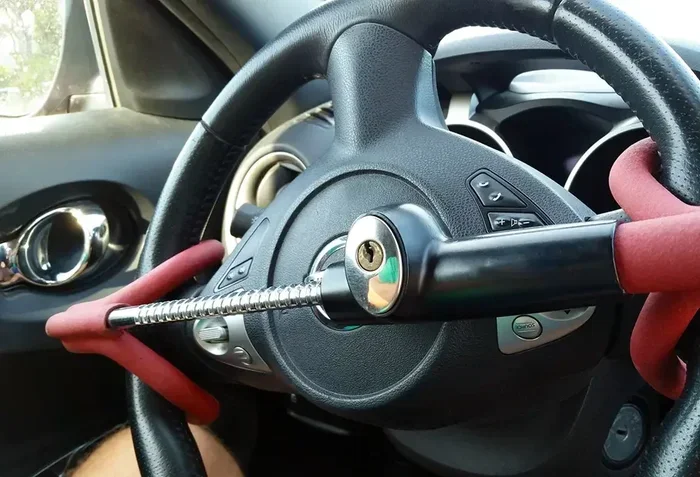
The steering wheel lock is a security feature built into your car. It prevents thieves from turning the wheel and driving away without the correct key. When you park the car and turn the steering wheel slightly, the lock pin drops into place inside the ignition lock cylinder. This locks the wheel in position and also stops the ignition from turning.
Here are the most common reasons this happens:
- The steering wheel was turned after parking. Even a small movement can trigger the lock.
- The key is worn or damaged. Over time, the key teeth wear down and no longer align properly with the tumblers inside the cylinder.
- Dirt or debris built up in the ignition. Dust, crumbs, or grime can block the key from turning.
- The ignition lock cylinder is failing. Older cars are especially prone to this.
- You used the wrong key. Some cars have duplicate keys that look similar but do not work the same way.
Understanding which cause applies to your situation helps you choose the right fix. Most of the time, it is the first one — a simple steering wheel jam that locks up the whole system.
How to Unlock the Steering Wheel When Car Wont Start
Now let us get into the actual fixes. These methods work for most cars and require nothing more than your hands and a little patience. Try them in order, starting with the simplest approach.
Method 1: Wiggle the Steering Wheel While Turning the Key
This is the most effective fix and works about 90 percent of the time. Here is exactly what to do:
- Put your foot on the brake pedal.
- Grab the steering wheel with both hands.
- Wiggle it left and right firmly but gently. Do not force it.
- At the same time, try turning the key in the ignition.
- The wheel should release, and the key will turn.
The idea is to move the lock pin out of the way. When you wiggle the wheel, you are pushing the lock mechanism slightly, which frees up the steering column lock. This allows the key to rotate and the ignition to engage.
Quick Tip: If the wheel feels very tight, try wiggling it in one direction first. Sometimes the lock pin only blocks movement in one direction. Finding that direction makes the release much easier.
Method 2: Jiggle the Key While Applying Gentle Pressure
If wiggling the wheel alone does not work, try this approach:
- Insert the key into the ignition.
- Apply very light pressure to turn it. Do not force it hard.
- While holding that gentle pressure, jiggle the key up and down slightly.
- Also try wiggling the key from side to side.
- The combination of slight movement and pressure often coaxes the lock into releasing.
This works especially well when the ignition lock cylinder has minor debris or when the key is slightly worn. The jiggling motion shifts the internal tumblers just enough for the key to catch.
Method 3: Clean the Ignition Cylinder
Dirt and grime are sneaky causes of a stuck ignition. Over time, dust and crumbs find their way into the keyhole. This builds up and prevents smooth movement. A quick cleaning can solve the problem:
- Use a 3M car cleaning cloth or a soft, lint-free cloth to wipe around the keyhole.
- Spray a small amount of compressed air into the ignition cylinder to blow out loose particles.
- Never use water or liquid cleaners inside the ignition.
- Apply a tiny amount of graphite lubricant if the lock still feels stiff.
Keeping the ignition clean is one of the easiest ways to prevent a locked steering wheel from happening again. A clean cylinder means the key moves freely and the tumblers engage properly every time.
Method 4: Try a Spare Key
If your main key is old or damaged, the spare key might work perfectly. Sometimes the wear on the original key is enough to cause the lockup. A fresh key with clean teeth aligns better with the internal tumblers. This simple swap can save you a lot of frustration.
If the spare key also fails, the problem is likely not the key itself but the lock cylinder. In that case, move on to the next steps.
Method 5: Shake the Steering Wheel and Key Together
This is a combination approach that often works when the others fail:
- Insert the key into the ignition.
- Turn the steering wheel firmly to one side.
- While holding the wheel turned, shake the key gently in the ignition.
- Try turning the key with steady, light pressure.
- The lock should release as the pin clears.
This method works because it addresses both the steering wheel lock and the key alignment at the same time. Many drivers find this is the magic combination that finally gets things moving.
Common Mistakes That Make the Problem Worse
When your car wont start and the wheel is locked, frustration kicks in fast. In that panic, people make mistakes that turn a simple fix into a costly repair. Here is what to avoid:
- Forcing the key with brute strength. This can bend or break the key inside the ignition cylinder. A broken key inside the lock is a much bigger problem.
- Shaking the steering wheel too aggressively. Aggressive wiggling can damage the steering column lock mechanism or the clockspring underneath.
- Using a lock-pick tool or wire. These can scratch or destroy the ignition cylinder. Always use the proper key.
- Ignoring the problem and trying repeatedly. Repeated forced attempts wear down both the key and the cylinder. Be patient and try gentle methods first.
- Pouring lubricant into the ignition without cleaning first. Grease traps dirt inside the cylinder and makes things worse. Clean first, then lubricate lightly if needed.
Every one of these mistakes can lead to expensive repairs. A damaged ignition switch or broken steering column can cost hundreds of dollars to fix. Gentle, patient handling is always the best approach.
When to Call a Professional Mechanic
Most steering wheel lock issues resolve with the methods above. But sometimes, the problem runs deeper than a simple jam. Here are signs that you need professional help:
- The key will not go into the ignition at all.
- The steering wheel feels completely frozen with no give.
- You hear grinding or clicking sounds when you try to turn the key.
- The ignition switch feels loose or wobbly.
- The car has electrical issues, like dim lights or a dead 12V car cigarette lighter socket, along with the lockup.
In these situations, the internal components of the ignition system may be damaged. A certified mechanic can diagnose the exact issue and replace parts if needed. If you are stuck and need help right away, search for a 24-hour car mechanic near you. Many offer roadside assistance and can handle steering wheel lock repairs on the spot.
Expert Insight: Ignition cylinders typically last 100,000 miles or more. But heavy key use, worn keys, or exposure to moisture can shorten their lifespan. If your car has high mileage and you are experiencing repeated lockups, it may be time for a full cylinder replacement.
How to Prevent Steering Wheel Lock in the Future
Prevention is always easier than repair. Here are simple habits that keep your steering wheel and ignition working smoothly:
- Never turn the steering wheel after parking. This is the number one cause of accidental lockup. When you park, keep the wheel straight.
- Use the correct key every time. Duplicate or worn keys put extra strain on the ignition cylinder.
- Keep the ignition clean. Use a soft cloth to wipe around the keyhole regularly. A 3M car cleaning cloth works great for this.
- Apply graphite lubricant once a year. A small amount inside the keyhole keeps the mechanism smooth.
- Do not carry heavy keychains. Heavy keys put pressure on the ignition tumblers and wear them out faster.
- Get regular car maintenance. A routine checkup catches ignition issues early before they become lockups.
These habits take seconds to follow but save you hours of frustration. A little prevention goes a long way in keeping your car ignition system in top shape.
Understanding the Steering Wheel Lock Mechanism
To truly understand why your steering wheel won’t unlock, it helps to know how the system works. The lock mechanism is a simple but effective security design:
- A small pin drops into a slot inside the steering column when the wheel is turned while the car is off.
- This pin physically blocks the steering wheel from moving.
- The same pin also prevents the ignition key from turning.
- When you insert the correct key and turn it, the pin retracts, freeing both the wheel and the ignition.
This is an intentional safety feature. Without it, a thief could easily turn the wheel and pop the steering column. The lock is your car’s first line of defense. But when it engages accidentally, it can feel like your car is broken. Now you know it is not — it is just doing its job.
Some modern cars use electronic key fob ignition systems instead of traditional keys. In these vehicles, the steering lock engages electronically when the fob is removed. The unlock process is usually automatic when you press the start button with the fob inside the car. If your electronic system fails to recognize the fob, a dead battery in the fob is often the culprit.
Quick Tips for a Locked Steering Wheel
Here is a fast reference guide you can bookmark for the next time this happens:
- Stay calm. The car is not broken.
- Do not force anything. Gentle pressure is all you need.
- Wiggle the wheel left and right. This is the first thing to try.
- Try the key in both directions. Sometimes it turns slightly left instead of right.
- Check the key for wear. A spare key might work better.
- Clean the ignition. Compressed air or a soft cloth can clear debris.
- Call a mechanic if nothing works. There is no shame in getting help.
These tips are quick, easy, and cost nothing. They should be your first line of action every time the steering wheel locks up.
Conclusion
A locked steering wheel when the car wont start is one of those problems that feels huge but is usually tiny in reality. The lock mechanism is a safety feature that sometimes engages at the wrong time. By following the methods in this guide, you can unlock the wheel and get back on the road within minutes.
Remember to stay calm, avoid forcing anything, and work through the steps gently. Clean the ignition regularly, use the right key, and never turn the wheel after parking. These simple habits prevent the problem from ever coming back.
If you have tried everything and the wheel still will not move, do not hesitate to reach out to a professional. A 24-hour car mechanic can handle even the toughest lockups quickly and safely. Your car is not broken — it just needs a little attention.
The next time you face a locked steering wheel, you will know exactly what to do. You are prepared, you are confident, and you are ready to get back behind the wheel.
Frequently Asked Questions
Can a locked steering wheel damage my car?
Generally, no. The lock mechanism is designed to engage safely. However, forcing the wheel or key aggressively can damage the ignition cylinder or steering column. Always use gentle, steady pressure when trying to unlock it.
Why does my steering wheel lock every time I park?
This usually happens when you turn the steering wheel slightly while turning off the engine. Even a small movement triggers the lock pin. To prevent this, keep the wheel straight when you park and remove the key from the ignition.
What should I do if the key breaks off in the ignition?
Do not try to pull it out with pliers or tweezers. This can push the broken piece deeper into the cylinder. Instead, call a professional mechanic who can safely extract the broken key and repair or replace the ignition cylinder.
Is a locked steering wheel a sign of a bigger electrical problem?
Not usually. A locked steering wheel is a mechanical safety feature, not an electrical issue. However, if you notice other symptoms like flickering lights or a dead 12V car cigarette lighter socket along with the lockup, there may be an electrical problem that needs inspection.
Can I use WD-40 to lubricate my ignition cylinder?
It is not recommended. WD-40 is a solvent-based product that can attract dust and create a sticky residue over time. Use a dedicated graphite lubricant instead, which is dry and won’t collect debris inside the lock mechanism.
How much does it cost to replace a steering wheel lock cylinder?
The cost typically ranges from $100 to $300 for parts and labor, depending on your car model and location. Some mechanics charge more for luxury vehicles or newer models with advanced ignition systems. Always get a quote before approving any repair work.
=== END ===