How to Open Door If Key Is Locked Inside Your Home
Getting locked out is stressful, but knowing how to open door if key is locked inside saves time and money. This guide covers proven methods for both car doors and home doors, from simple tricks to professional solutions. You will learn prevention tips, essential tools to carry, and when to call a locksmith.
There is nothing worse than standing outside your car or home, staring at the lock, knowing your key is locked inside. You might feel frustrated, embarrassed, or even a little panicked. But here is the good news. You have options. Whether your key is trapped inside your car or your house door, there are practical steps you can take to get back in. This guide walks you through every method, from simple DIY tricks to calling a professional. By the end, you will know exactly what to do when a lockout situation hits.
Lockouts happen to everyone at some point. It does not matter how careful you are. One distracted moment, and your key is locked inside. Maybe you set your bag down for a second and the door swung shut. Maybe you rushed out of the car and the automatic lock engaged before you grabbed your keys. Whatever the reason, the problem is the same. You need to get inside, and you need to do it without breaking anything. That is exactly what this article helps you with.
We will cover car lockouts and home lockouts because the methods overlap more than you might think. You will learn about lockout tools, prevention strategies, and the exact steps to follow in an emergency. We also include tips from experienced locksmiths and real-world examples that make this advice easy to follow. No fluff, no filler. Just clear, actionable guidance that works.
Key Takeaways
- Stay calm: Panic leads to bad decisions. Assess the situation before taking action.
- Check all entry points: Windows, back doors, and garage doors may offer an easy way in.
- Call a professional locksmith: This is the safest and most reliable option for any lockout.
- Keep spare keys accessible: A hidden spare or digital copy can save you from a locked-out situation.
- Use proper lockout tools: Wedge and rod kits, slim jims, and air wedges work well when used correctly.
- Prevent future lockouts: Key finders, spare key habits, and keyless entry systems reduce risk.
- Never force a lock: Forcing a door can cause expensive damage that costs more than a locksmith call.
📑 Table of Contents
- Why Keys Get Locked Inside Cars and Homes
- How to Open Door If Key Is Locked Inside Your Car
- How to Open Door If Key Is Locked Inside Your Home
- Essential Tools and Equipment to Keep Handy
- How to Prevent Key Lockouts in the Future
- When to Call a Professional Locksmith
- Common Mistakes to Avoid During a Lockout
- Key Takeaways
- Conclusion
Why Keys Get Locked Inside Cars and Homes
Understanding why lockouts happen is the first step to preventing them. Most people think it only happens to forgetful people. But the truth is, it can happen to anyone. Even the most organized person drops their guard sometimes.
Common Scenarios That Lead to Lockouts
- Rushing out the door: You are in a hurry, grab your bag, and the door locks behind you before you realize your keys are on the kitchen counter.
- Placing keys on a surface: You set your keys down to carry something heavy, and the door closes and locks automatically.
- Automatic locking systems: Modern cars with keyless entry and auto-lock features can lock the doors the moment you walk away.
- Distracted loading: You are loading groceries or luggage, set the keys down, and shut the car door without thinking.
- Windy or stormy weather: Wind slams doors shut, and suddenly your keys are trapped inside along with your belongings.
- Children or pets: A curious child or pet may push a door closed while you are carrying something.
Why It Happens More Than You Think
Studies show that millions of people experience a lockout situation every year. It is one of the most common roadside and household emergencies. The car door lock mechanism in modern vehicles is designed to be secure, which means once the door closes, it takes deliberate effort to open it from the outside. Similarly, home doors with deadbolt locks are built to resist forced entry, which also means they resist your entry when you are locked out.
If you own a vehicle in the 1500cc to 2000cc range, you should know that many models in this category come with advanced locking systems. These systems are great for security but can make a lockout more challenging. Understanding your specific car door handle mechanism helps you choose the right method for getting back inside.
How to Open Door If Key Is Locked Inside Your Car
A car lockout is one of the most common emergencies drivers face. The good news is that several methods work for getting back inside. Let us go through them one by one.
Method 1: Use a Spare Key
The easiest solution is always the one you already have. If you have a spare key, this is your fastest path back inside. Here is what to do:
- Check if a family member or trusted friend has a spare.
- Call them and ask them to bring the key to you.
- If you keep a spare at home, ask someone to bring it to your current location.
- Some people hide a spare key under a mat or in a magnetic box under the car. Check these spots first.
Pro tip: If you do not have a spare key yet, get one made as soon as possible. A duplicate key costs very little and can save you hundreds in locksmith fees. Keep it in a safe but accessible place.
Method 2: Call a Professional Locksmith
This is the safest and most reliable option. A licensed emergency locksmith can open your car without causing any damage. Here is why this method works so well:
- Professional locksmiths carry specialized tools designed for modern car door lock systems.
- They understand transponder keys and keyless entry systems.
- They can create a new key on the spot if yours is damaged or lost.
- Most locksmiths offer 24/7 roadside assistance and arrive quickly.
When you call a locksmith, make sure to describe your vehicle accurately. Mention the make, model, and year. This helps them prepare the right tools before they arrive. The cost typically ranges from $50 to $150, depending on your location and the time of day.
Method 3: Use Lockout Tools
Several lockout tools are available for DIY car door opening. These tools work by slipping between the window glass and the weather stripping to manipulate the lock mechanism. Here are the most common ones:
- Slim Jim: A thin, flat metal strip that slides into the door panel to connect with the lock linkage. This tool requires practice and care. Using it incorrectly can damage the wiring inside your door.
- Lockout strip tool: A flat plastic or metal strip designed to push the lock button or pull the door handle from the inside.
- Air wedge: An inflatable cushion that creates a gap between the door and the frame. You then use a long rod to reach inside and press the unlock button.
Important: These tools work best on older car models. Modern vehicles with advanced transponder keys and electronic locks may not respond to these methods. If you are unsure, skip this method and call a professional.
Method 4: The Wedge and Rod Technique
This is one of the most popular DIY methods for car lockouts. You will need two things: a soft wedge and a long rod. Here is how it works:
- Place the wedge at the top of the car door to create a small gap between the door and the frame.
- Use a long, flexible rod to reach through the gap.
- Carefully maneuver the rod to press the unlock button or pull the door handle.
- Gently pull the door open once the lock releases.
This method works well on cars with manual lock buttons. It requires patience and a steady hand. Always use a soft wedge (like a rubber or plastic one) to avoid scratching or damaging your car’s paint and glass.
How to Open Door If Key Is Locked Inside Your Home
Home lockouts are just as frustrating as car lockouts, but the methods are different. Most home doors use deadbolt locks that cannot be opened with simple tricks. Here is what you can do.
Check All Doors and Windows
Before you panic, take a moment to check every possible entry point. You might find an open window or an unlocked back door. Here is a quick checklist:
- Check all exterior doors, including the back door, side door, and garage entry.
- Look at ground-floor windows. Are any of them unlocked or openable?
- Check if a sliding glass door has a faulty latch that allows it to be lifted and opened.
- Inspect pet doors. Some pet doors are large enough for a person to squeeze through in an emergency.
Safety note: Only enter through a window if it is safe to do so. Do not climb or force a window open if you risk injury. If you cannot find an alternative entry point, move to the next method.
Call a Home Locksmith
Just like with a car lockout, a professional locksmith is the best solution for a home lockout. A locksmith can open your door quickly and without damage. They can also rekey your lock if needed, which is especially helpful if you suspect someone else has a copy of your key.
Keep the number of a trusted local locksmith saved in your phone. This way, you do not waste time searching for one during a stressful lockout emergency. Many locksmiths also offer key replacement services on the spot.
Use a Credit Card for Spring Bolt Locks
This trick only works on doors with a spring bolt lock (the kind that has a angled latch). It does not work on deadbolt locks. Here is how to do it:
- Take an old credit card or any flexible plastic card you do not mind damaging.
- Slide the card between the door frame and the latch, angled slightly downward.
- Push the card firmly toward the latch to bend it back past the strike plate.
- The door should open as the latch retracts.
This method is quick and requires no special tools. However, it only works on specific lock types, so do not waste time trying it on a deadbolt. If it does not work after a few tries, move on to calling a locksmith.
Essential Tools and Equipment to Keep Handy
Being prepared is the best way to handle a lockout. Keeping the right tools in your car or at home can make the difference between a quick fix and a long wait for help. Here is what every driver and homeowner should consider keeping on hand.
Tools to Keep in Your Car
- Lockout kit: A pre-made kit that includes an air wedge, lockout strip, and long reach tool. These are affordable and compact.
- Spare key: Always keep a spare key somewhere accessible. A magnetic box under the car chassis is a popular option.
- Portable power inverter: A 12V to 230V car inverter can power devices in an emergency. While it does not directly help with lockouts, it ensures your phone stays charged so you can call for help.
- Phone charger: A dead phone is the worst thing during a lockout. Keep a car charger cable in your glove box at all times.
Having a 12V DC to 220V AC car power inverter in your vehicle is a smart move for many reasons. Beyond charging your phone during a lockout, it can power small tools or devices when you are stranded. These inverters plug directly into your car’s cigarette lighter and convert DC power to AC power, giving you access to standard outlets on the go.
Tools to Keep at Home
- Spare key in a secure location: Give a spare to a trusted neighbor or family member.
- Smart lock or keyless entry: Consider upgrading to a smart lock that lets you enter with a code or smartphone.
- Lockout tool kit: A basic set of lock picks and tension wrenches can help in certain situations, but only if you have training.
How to Prevent Key Lockouts in the Future
The best way to handle a lockout is to never have one in the first place. Prevention is simple and costs very little. Here are the most effective strategies.
Make Spare Keys and Store Them Safely
Get at least two copies of every key. Store one in a secure location outside your home, such as with a trusted friend or family member. You can also use a key safe (a small lockbox with a combination) mounted outside your home or car.
Use Key Finders and Smart Keys
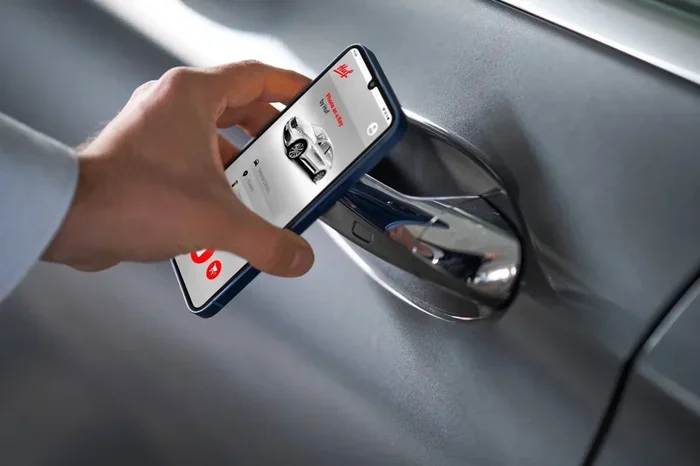
Bluetooth key finders like Tile or Apple AirTag attach to your keychain. If you ever misplace your keys, you can use your phone to track them down. Some modern vehicles also offer keyless entry and digital key features through a smartphone app. These technologies eliminate the physical key entirely, reducing the chance of a lockout.
Build a Lockout Prevention Routine
Small habits make a big difference over time:
- Always check your pockets or bag before closing the door.
- Pause for two seconds before walking away from your car or home.
- Place your keys in the same spot every time you enter your home.
- Teach children not to play with doors and locks.
- Replace worn-out keys that are hard to turn in the lock.
Upgrade to Keyless Entry Systems
If you frequently deal with lockouts, consider upgrading your car or home to a keyless entry system. Many modern vehicles come with push-button start and proximity keys that unlock the car automatically when you approach. For your home, smart locks let you enter with a code, fingerprint, or phone. These upgrades cost more upfront but save you from the stress and expense of repeated lockouts.
When to Call a Professional Locksmith
Not every lockout requires a locksmith, but many do. Knowing when to call for help saves you time, money, and the risk of damaging your vehicle or home. Here are the situations where you should definitely call a professional:
- You have tried all DIY methods and none of them work.
- Your car has a transponder key or smart key system that requires specialized programming.
- The lock appears damaged or stuck.
- You are in an unsafe location and need to get inside quickly.
- You need a new key made because your original key is lost or broken.
- You are dealing with a home lockout involving a deadbolt or high-security lock.
A professional locksmith has the training, experience, and tools to handle any lockout safely. They can also advise you on better locking systems and key management strategies to prevent future problems. When choosing a locksmith, look for licensed, insured professionals with good reviews. Ask for a price estimate before they begin work to avoid surprises.
Common Mistakes to Avoid During a Lockout
When you are locked out, it is easy to make mistakes that make the situation worse. Here are the most common errors and how to avoid them:
- Forcing the lock: Using excessive force on a lock or door can break the mechanism, bend the frame, or crack the glass. Repair costs will be much higher than a locksmith call.
- Using the wrong tools: Improvised tools like coat hangers can scratch your car, damage the window seal, or get stuck inside the door.
- Panicking and making rushed decisions: Stress leads to poor judgment. Take a deep breath and think through your options calmly.
- Trying to pick a lock without training: Lock picking requires skill and practice. Attempting it without knowledge can jam the lock or break the key inside.
- Ignoring the problem: Some people try to wait it out or hope someone comes along. This wastes time and leaves you exposed to weather or safety risks.
Key Takeaways
- Stay calm and assess the situation: The first step is always to stay composed and look at your options clearly.
- Check for a spare key first: A spare key with a friend or family member is your fastest solution.
- Use DIY methods carefully: The wedge and rod technique or credit card trick works for some locks but can cause damage if done incorrectly.
- Call a professional locksmith for complex lockouts: Modern car door lock systems and home deadbolts often require professional tools and expertise.
- Keep emergency tools in your car: A lockout kit, spare key, and portable 12V to 230V car inverter for keeping your phone charged are essential.
- Prevent lockouts with good habits: Spare keys, key finders, and keyless entry systems reduce your risk significantly.
- Never force a lock or door: The cost of repair always exceeds the cost of a locksmith visit.
Conclusion
Getting locked out is never fun, but it is a situation you can handle with the right knowledge and tools. Now you know exactly how to open door if key is locked inside, whether it is your car or your home. From simple tricks like checking all entry points to calling a professional locksmith, you have a full range of options at your disposal.
The most important takeaway is this: stay calm, assess your options, and act carefully. Avoid forcing anything, and do not hesitate to call for professional help when needed. Prevention is your best long-term strategy. Make spare keys, invest in key finders, and consider upgrading to keyless entry systems. These small steps save you from the stress and expense of future lockouts.
Keep this guide saved on your phone or bookmarked for easy reference. You never know when you might need it. And the next time you find yourself standing outside with your key locked inside, you will know exactly what to do.
Frequently Asked Questions
What should I do first if my key is locked inside my car?
Stay calm and check if you have a spare key with you or a family member. If not, try checking all windows and doors to see if any are open. If none of these work, call a professional locksmith or use a lockout tool if you have one. Avoid forcing the door or window, as this can cause expensive damage.
Can a locksmith open any car door without damage?
Yes, a professional locksmith can open almost any car door without causing damage. They use specialized tools and techniques designed for modern locking systems. However, the cost and time may vary depending on the vehicle model and the type of lock. Always choose a licensed and experienced locksmith for the best results.
Is it safe to use a credit card to open a locked door?
It is safe for spring bolt locks only. This method does not work on deadbolt locks. Using a credit card on the wrong type of lock can damage the card and the door frame. Always identify the lock type before attempting this trick.
How much does a locksmith cost for a car lockout?
The cost typically ranges from $50 to $150, depending on your location, the time of day, and the type of vehicle. Emergency calls during late night hours may cost more. It is always a good idea to ask for a price estimate before the locksmith begins work.
How can I prevent getting locked out in the future?
Make spare keys and store them in secure locations. Use a Bluetooth key finder on your keychain. Consider upgrading to keyless entry systems for both your car and home. Build a routine of checking for your keys before closing any door. These simple habits dramatically reduce your chances of a lockout.
What tools should I keep in my car for emergencies?
Keep a lockout kit with an air wedge and lockout strip, a spare key in a magnetic box, a phone car charger, and a portable power inverter like a 12V to 230V car inverter to keep your devices charged. These tools prepare you for most lockout and emergency situations on the road.
=== META DESCRIPTION ===
Learn how to open door if key is locked inside your home or car. Practical tips, tools, and expert advice to handle a lockout situation quickly and safely.