How Does a Car Recognize a Key Inside Its Ignition System
Your car recognizes a key through a smart handshake between the ignition system and a tiny chip inside the key. The immobilizer, transponder, and engine control unit work together to verify the key is genuine before allowing the engine to start. Understanding this process helps car owners appreciate the technology that keeps their vehicle secure every single day.
Have you ever thought about what happens the moment you slide your key into the ignition? It feels like a simple action. You turn the key, and the engine roars to life. But behind that effortless motion is a fascinating process of recognition and verification. Your car is essentially checking the identity of your key before it allows the engine to start.
The car recognize a key process is one of the most important security features in modern vehicles. It has evolved significantly over the decades. Early cars used simple mechanical locks. Today, your vehicle uses electronic signals, coded chips, and sophisticated computer systems to confirm that the key in your hand belongs to your car. This entire process happens in milliseconds.
Understanding how your car recognizes a key inside its ignition system gives you a deeper appreciation for automotive engineering. It also helps you troubleshoot problems when they arise. In this article, we will break down every step of the process. We will cover the technology, the components, and the common issues you might face. Let us dive in.
Key Takeaways
- The ignition system uses a transponder chip to identify your key. Without the correct signal, the engine will not start.
- The immobilizer acts as a security guard for your engine. It blocks the engine from running if the wrong key is used.
- Smart keys and push-button start systems have changed how cars recognize keys. They use radio signals instead of physical insertion.
- The engine control unit (ECU) stores the key code. It compares the incoming signal against stored data to verify authenticity.
- Common ignition problems include worn cylinders and dead transponder batteries. Regular maintenance can prevent most of these issues.
- Key programming is essential after replacement. A new key must be coded to match your car’s unique security system.
📑 Table of Contents
- What Happens When You Insert Your Key?
- The Role of the Transponder Chip
- How the Immobilizer System Works
- The Engine Control Unit and Key Matching
- Smart Keys and Push-Button Start Technology
- Common Ignition System Problems and Fixes
- How to Maintain Your Ignition System
- The Future of Key Recognition Technology
- Conclusion
What Happens When You Insert Your Key?
The moment you insert your key into the ignition cylinder, a sequence of events begins. This sequence is the first step in the key recognition process. It involves both mechanical and electronic components working in perfect harmony.
The Mechanical Connection
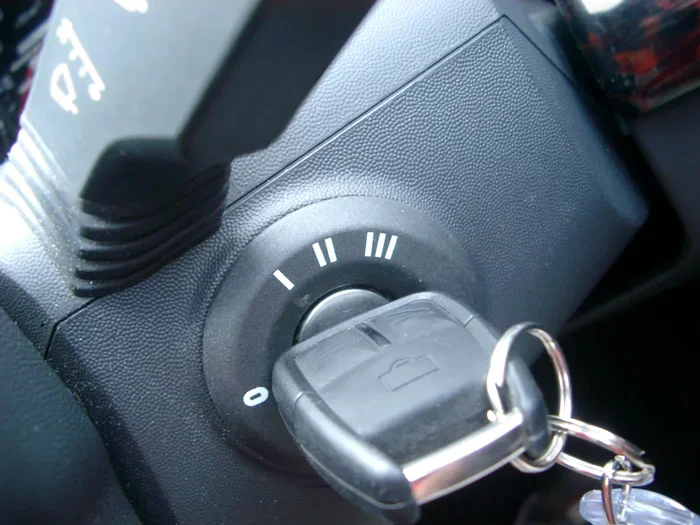
First, the key physically interacts with the ignition lock cylinder. The lock cylinder has tiny pins that align with the cuts on your key. This is the traditional mechanical check. If the key shape does not match, the cylinder will not rotate. This is your first layer of security.
Once the key turns, it activates the electrical contacts inside the cylinder. These contacts send a signal to the car’s main computer. This is where the electronic verification begins. The mechanical check alone is no longer enough to keep modern cars secure. That is why the electronic layer exists.
The Electronic Handshake Begins
As the ignition cylinder turns, it sends a low-voltage signal to the transponder antenna ring. This ring surrounds the ignition lock. Its job is to power the transponder chip inside your key. The chip then responds with a unique coded signal. This is the famous handshake between the car and the key.
If the car recognizes the key, the engine control unit (ECU) sends a permission signal. Fuel injection begins, and the starter motor engages. If the key is not recognized, the ECU blocks the engine. This is the immobilizer system at work. It prevents your car from being hot-wired or stolen with a copied key.
The Role of the Transponder Chip
The transponder chip is a small but mighty component. It is embedded inside the head of your car key. The word “transponder” comes from “transmitter” and “responder.” This chip both receives and sends signals. It is the heart of the key recognition technology in your vehicle.
How the Transponder Chip Works
The transponder chip does not have its own battery. It gets powered by the electromagnetic field from the ignition antenna ring. When you insert the key, the antenna sends out a burst of energy. This energy wakes up the chip inside the key.
Once powered, the chip sends back a unique identification code. This code is a long string of numbers and letters. Each car manufacturer uses its own coding system. Some use fixed codes, while others use rolling codes that change every time you start the car.
The immobilizer system relies entirely on this transponder signal. Without a functioning chip, your car will not start. Even if someone copies the physical shape of your key perfectly, the copied key will lack the correct chip code. This is why modern car security systems are so effective against theft.
Types of Transponder Keys
Not all transponder keys are the same. There are several types used across different vehicle brands. Understanding them can help you choose the right replacement key.
- Fixed-code transponder keys: These send the same code every time. They are older and less secure. Many cars from the 1990s and early 2000s used these.
- Rolling-code transponder keys: These generate a new code each time you start the car. They are much more secure and are common in modern vehicles.
- Encrypted transponder keys: These use advanced encryption algorithms. They are the most secure type and are found in luxury and high-end vehicles.
Each type plays a role in how your car recognizes a key. The more advanced the encryption, the harder it is for thieves to bypass the system.
How the Immobilizer System Works
The immobilizer is your car’s silent protector. It works behind the scenes every time you turn the key. Its sole purpose is to prevent unauthorized engine starts. Without an immobilizer, a thief could easily hot-wire most vehicles.
The Immobilizer and the ECU
The engine control unit (ECU) is the brain of your car. It manages fuel injection, ignition timing, and many other functions. The immobilizer system is closely linked to the ECU. When you insert the key, the ECU checks the transponder code against its stored database.
If the code matches, the ECU allows the engine to run. If the code does not match, the ECU disables the fuel injection system. The engine may crank, but it will not fire. This is a very effective anti-theft measure. It has significantly reduced car theft rates worldwide since its introduction in the 1990s.
Common Immobilizer Issues
Like any electronic system, the immobilizer can develop problems. Here are some common issues car owners face:
- Dead transponder battery: Some keys have a small battery that powers the chip. When it dies, the car may not recognize the key. Replacing the battery usually fixes this.
- Worn ignition cylinder: Over time, the ignition cylinder wears out. This can cause intermittent recognition failures. The key may work sometimes but not others.
- Water damage: Moisture can damage the transponder chip or the antenna ring. This leads to complete key recognition failure.
- Faulty antenna ring: The antenna ring around the ignition can break or lose its signal. This prevents the ECU from reading the transponder code.
Most of these issues are fixable with the right tools and knowledge. A professional locksmith or dealership can often resolve immobilizer problems quickly and affordably.
The Engine Control Unit and Key Matching
The ECU plays a central role in the entire key recognition process. It stores the unique codes of all authorized keys for your vehicle. When a new key is added, the ECU must be reprogrammed. This process is called key programming or key matching.
How Key Programming Works
When you get a new key cut, it still needs to be programmed to your car. The physical cut of the key is only half the equation. The other half is the electronic code stored in the transponder chip. Both halves must match for the car to start.
Key programming requires specialized equipment. Most dealerships and automotive locksmiths have the tools needed. The process involves connecting to the car’s OBD-II port and loading the new key code into the ECU. Once programmed, the ECU will recognize the new key as a valid one.
Why Key Programming Matters
Skipping key programming is a common mistake. Some people buy a new key and assume it will work after cutting. It will not. The car recognize a key process requires a valid electronic code. Without programming, the ECU will reject the new key every time.
Always ensure your replacement key is properly programmed. This saves time, frustration, and potential towing costs. Keep at least two programmed keys at all times. If you lose all keys, the programming process becomes more complex and expensive.
Smart Keys and Push-Button Start Technology
Modern vehicles have taken key recognition to the next level. Smart keys and push-button start systems have replaced traditional ignition keys in many new cars. These systems use advanced RFID technology and proximity sensors to identify your key.
How Smart Keys Work
A smart key is a small fob that communicates with your car wirelessly. You do not need to insert it into the ignition at all. Instead, the car detects the fob’s presence through radio frequency signals. As long as the fob is inside the vehicle, you can press the start button to ignite the engine.
The vehicle authentication process in smart key systems is even more secure. The car and the fob exchange encrypted codes continuously. This rolling communication makes it nearly impossible for thieves to intercept and replicate the signal.
Benefits of Push-Button Start
Smart key systems offer several advantages over traditional keys. They are more convenient, more secure, and more user-friendly. Here are some key benefits:
- Convenience: You never need to fumble with a key in the dark or in tight parking spaces.
- Enhanced security: The encrypted rolling codes are extremely difficult to clone.
- Remote capabilities: Many smart key systems allow you to start the car remotely to warm it up or cool it down.
- Keyless entry: You can unlock the doors simply by touching the door handle with the fob in your pocket.
Despite these advantages, smart key systems still rely on the same basic principle. The car must recognize the key before it will start. The method of recognition has simply evolved from a physical insertion to a wireless handshake.
Common Ignition System Problems and Fixes
Even the best ignition systems can develop issues over time. Understanding common problems helps you address them quickly. Here are the most frequent issues related to key recognition inside the ignition system.
Worn Ignition Cylinder
The ignition cylinder is a mechanical component that wears down with regular use. Over thousands of key insertions, the internal pins and springs degrade. This can cause the cylinder to stick or fail to make proper electrical contact. A worn cylinder often leads to intermittent key recognition. The car might start some times and not others.
Replacing the ignition cylinder is a straightforward fix. A locksmith or mechanic can install a new cylinder and cut a matching key. This restores smooth operation and reliable key recognition.
Faulty Transponder Antenna Ring
The antenna ring surrounds the ignition lock and powers the transponder chip. If this ring becomes damaged or loses its conductivity, the car will not read the key. The engine may crank but will not start. This is a common issue in older vehicles where the antenna wiring corrodes over time.
Replacing the antenna ring usually resolves this problem. It is a relatively inexpensive repair that can save you from expensive locksmith calls.
Dead Key Fob Battery
For vehicles with smart keys, a dead fob battery is the most common cause of recognition failure. The fob cannot transmit its signal to the car if the battery is dead. Most car manufacturers design the system to allow a backup start method. Check your owner’s manual for the procedure. Usually, you can place the fob directly against the start button or a specific spot on the steering column.
Replacing the fob battery is simple and inexpensive. Most smart key fobs use a CR2032 coin cell battery. Keep a spare battery in your glove box for emergencies.
Corroded or Damaged Wiring
Electrical connections between the ignition cylinder, antenna ring, and ECU can corrode over time. Moisture intrusion is a common cause of wiring damage. Corroded wires interrupt the signal path and prevent the car from recognizing the key. Inspecting the wiring harness under the steering column can reveal loose or corroded connections.
Cleaning the connectors or replacing damaged wires restores proper signal flow. This is especially important in vehicles that are exposed to road salt, rain, or flooding.
How to Maintain Your Ignition System
Regular maintenance keeps your ignition system in top shape. A well-maintained system ensures reliable key recognition every time. Here are some simple tips to follow.
- Keep your keys clean: Dirt and debris can interfere with the transponder chip and the ignition cylinder. Wipe your keys regularly with a soft cloth.
- Replace fob batteries on schedule: Do not wait for the battery to die completely. Replace it every two to three years as a preventive measure.
- Avoid forcing the key: If the key does not slide in smoothly, do not force it. This can damage the ignition cylinder pins. Check for debris or a bent key blade instead.
- Keep spare keys programmed: Always have at least one backup key. Store it in a safe place separate from your primary key.
- Address issues early: If you notice hesitation or intermittent starting, get it checked promptly. Small problems become big repairs when ignored.
Taking care of your ignition system extends the life of your vehicle. It also ensures that your car security system continues to function as designed. A little prevention goes a long way.
The Future of Key Recognition Technology
Automotive technology is evolving rapidly. The way cars recognize keys is no exception. Several emerging trends are shaping the future of ignition and key recognition systems.
Biometric Key Systems
Some manufacturers are exploring biometric authentication. Instead of a key or fob, your car would recognize you through fingerprints or facial recognition. This adds an entirely new layer of security. Only the authorized driver could start the vehicle.
Mobile Phone as a Key
Many new cars now support smartphone-based key systems. Your phone acts as the digital key. It communicates with the car through Bluetooth or ultra-wideband technology. You can unlock and start your car with your phone in your pocket. This trend is growing quickly and may soon replace physical keys entirely.
Advanced Encryption Standards
Future key recognition systems will use even stronger encryption. This makes it virtually impossible for hackers to intercept or clone the key signal. As car theft techniques evolve, so do the countermeasures. Manufacturers are always one step ahead in the security arms race.
The evolution of key recognition technology reflects the broader trend toward smarter, more connected vehicles. While the basic principle remains the same, the methods are becoming faster, more secure, and more convenient with each generation.
Conclusion
The process of how a car recognizes a key inside its ignition system is a remarkable blend of mechanical and electronic engineering. From the moment you insert your key, the transponder chip, antenna ring, immobilizer, and engine control unit work together in perfect coordination. This entire process takes place in a fraction of a second. It protects your vehicle from theft while providing seamless convenience.
Understanding this system empowers you as a car owner. You can troubleshoot problems more effectively. You can make informed decisions about key replacements and programming. You can also appreciate the sophisticated technology that sits quietly behind your dashboard every day.
Take care of your ignition system. Keep your keys maintained and programmed. And stay informed about new technologies as they emerge. Your car’s key recognition system is one of its most valuable features. Treat it with the care it deserves, and it will keep serving you reliably for years to come.
Frequently Asked Questions
Can a car start without a transponder key?
No, most modern cars cannot start without a properly programmed transponder key. The immobilizer system blocks the engine if the transponder code does not match. Some older vehicles from before the 1990s may not have this feature, but most cars made after 1995 use transponder-based security.
How do I know if my transponder key battery is dead?
Signs of a dead transponder key battery include the car not recognizing the key, the dashboard warning light staying on, or the need to hold the fob very close to the start button. Replacing the battery with a CR2032 coin cell usually resolves the issue immediately.
Can I program a new car key myself?
Some vehicles allow basic key programming with two working keys. However, most modern cars require specialized diagnostic equipment. Visit a dealership or a professional automotive locksmith for reliable key programming. Attempting to DIY without the right tools can lead to errors.
What is the difference between a transponder key and a smart key?
A transponder key must be physically inserted into the ignition to communicate with the car. A smart key uses wireless signals and allows keyless entry and push-button start. Both use electronic authentication, but smart keys offer more convenience and advanced encryption.
Why does my car sometimes not recognize my key?
Intermittent key recognition can be caused by a worn ignition cylinder, a weak transponder chip, water damage, or a failing antenna ring. Inspect the key for physical damage and try a spare key. If the problem persists, consult a professional mechanic for diagnosis.
How long does key programming take at a dealership?
Most dealerships can program a new key in 15 to 30 minutes. The exact time depends on the vehicle make and model. Some luxury vehicles with advanced security systems may take longer. Always call ahead to confirm availability and wait times.