How Does a Hybrid Car Work Step by Step for Beginners
How Does a Hybrid Car Work Step by Step? is an essential topic that provides valuable insights.
Key Takeaways
- Understanding How Does a Hybrid Car Work Step by Step?: Provides essential knowledge
📑 Table of Contents
What Exactly Is a Hybrid Car?
A hybrid car uses two or more power sources to move the wheels. Most hybrids pair a traditional combustion engine with an electric motor. Some use a small battery, while others use a larger one that you can plug in.
The idea is simple. The gasoline engine handles highway driving. The electric motor kicks in for low-speed driving and extra power when needed. This dual power source setup means you use less gas and produce fewer emissions.
Think of it like riding a bicycle with training wheels. The electric motor helps out when the going gets tough. Then the gasoline engine takes over when you need more speed. Both work together to give you a smooth, efficient ride.
Why Do People Choose Hybrids?
There are many reasons drivers switch to hybrid technology. Here are the most common ones:
- Better fuel economy — you fill up less often
- Lower emissions — better for the environment
- Quieter driving — the electric motor reduces noise
- Tax incentives — some governments offer rebates
- Smooth acceleration — the electric motor adds instant torque
The Main Components of a Hybrid Car
Before we dive into the step-by-step process, let us look at the key parts. Every hybrid car has these essential components working together as part of its hybrid powertrain.
1. The Gasoline Engine
This is the same type of engine found in regular cars. It burns fuel to create power. In a hybrid, the engine is often smaller and more efficient. It works best at steady speeds on the highway.
2. The Electric Motor
The electric motor runs on electricity stored in the battery. It can drive the car alone at low speeds. It also acts as a generator during braking, a process called regenerative braking.
3. The Battery Pack
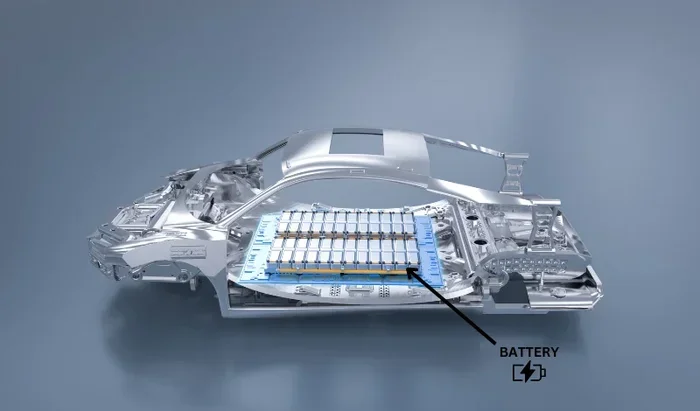
The battery pack stores electrical energy. In most hybrids, it is a nickel-metal hydride or lithium-ion battery. It is smaller than the battery in a fully electric car. The battery recharges itself while you drive — no plugging in required for standard hybrids.
4. The Transmission
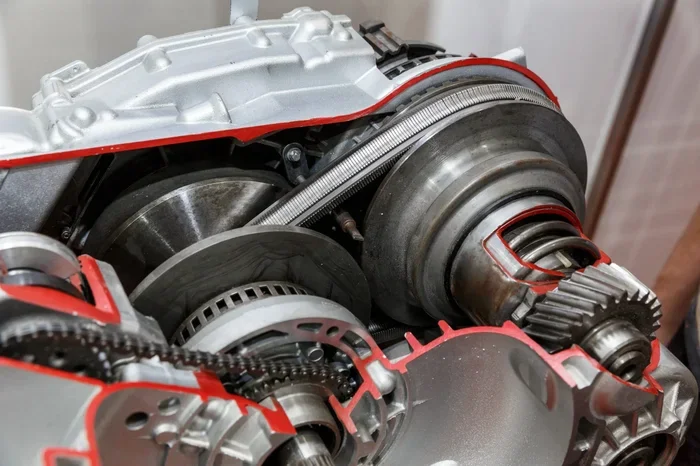
Many hybrids use a continuously variable transmission, also known as a CVT. This type of transmission smoothly adjusts the gear ratios. It helps the engine and motor work together without any jerky shifts.
5. The Power Control Unit
This is the brain of the hybrid synergy drive system. It controls how power flows between the engine, motor, and battery. It decides which power source to use at any given moment.
How a Hybrid Car Works Step by Step
Now for the exciting part. Here is exactly how how does a hybrid car work step by step plays out every time you turn the key.
Step 1: You Start the Car
When you press the start button, the gasoline engine stays off at first. The electric motor wakes up and gets the car ready. This is called the idle stop feature. It saves fuel because the engine does not idle while you wait at lights or in traffic.
Step 2: Low-Speed Electric Driving
As you pull away from a stop sign or driveway, the car runs on electricity alone. The electric motor provides all the power needed. This is called electric-only mode. It works well at speeds under about 25 to 30 miles per hour. You use zero gas during this phase.
Step 3: The Gasoline Engine Kicks In
When you accelerate harder or reach higher speeds, the gasoline engine starts. The power control unit decides the right moment to engage the engine. Both the engine and motor now work together. This is where the hybrid synergy drive really shines.
Step 4: Regenerative Braking Recharges the Battery
Here is where the magic happens. When you take your foot off the accelerator or press the brake, the electric motor reverses its role. It becomes a generator. This energy recovery process captures kinetic energy and turns it back into electricity. That electricity flows into the battery pack for later use.
Step 5: Cruising on the Highway
On the highway at a steady speed, the gasoline engine takes the lead. It is most efficient at this pace. The electric motor may assist when you need extra power for passing or climbing hills. The battery also gets a small charge during this phase.
Step 6: Full Stop and the Cycle Repeats
When you come to a full stop, the gasoline engine shuts off again. The idle stop feature kicks in. You use no fuel at all while waiting. The moment you press the accelerator, the electric motor brings you forward smoothly. The entire cycle starts over.
A Quick Look at the Full Cycle
Here is a quick summary of the full hybrid car mechanics cycle in order:
- Car starts — electric motor only
- Low-speed driving — electric-only mode
- Hard acceleration — both engine and motor work together
- Braking — regenerative braking recharges the battery
- Highway cruising — gasoline engine leads, motor assists
- Full stop — engine shuts off, ready to restart electrically
Types of Hybrid Cars and How They Differ
Not all hybrids are the same. There are a few different types, and each one works a little differently.
Parallel Hybrid
In a parallel hybrid, both the engine and motor connect to the wheels. They can drive the car separately or together. This is one of the most common hybrid setups. The Toyota Prius uses a version of this system.
Series Hybrid
A series hybrid uses the gasoline engine only as a generator. The engine charges the battery, and the electric motor drives the wheels. You never feel the engine connected directly to the wheels. This design makes for a very smooth, quiet ride.
Plug-In Hybrid (PHEV)
A plug-in hybrid has a larger battery that you charge from an outlet. You can drive on electricity alone for longer distances — sometimes 20 to 50 miles. When the battery runs low, the gasoline engine takes over. This is a great option if you have a short daily commute and want to minimize gas use.
Mild Hybrid
A mild hybrid uses a smaller electric motor. It cannot drive the car on electricity alone. Instead, it assists the gasoline engine. This improves fuel economy slightly and helps with smooth starts. Mild hybrids are often more affordable than full hybrids.
Comparison Table: Hybrid Types at a Glance
| Type | Can Drive on Electric Alone? | Needs Plugging In? | Fuel Savings |
|---|---|---|---|
| Parallel Hybrid | Yes, at low speeds | No | Moderate to High |
| Series Hybrid | Yes | No | High |
| Plug-In Hybrid | Yes, for longer distances | Yes | Very High |
| Mild Hybrid | No | No | Low to Moderate |
Benefits of Driving a Hybrid Car
Owning a hybrid comes with real, tangible benefits. Let us look at why more drivers are making the switch every year.
Exceptional Fuel Economy
The biggest draw of any hybrid vehicle is fuel savings. Because the electric motor handles a lot of the work, the gasoline engine runs less. Many hybrids deliver 45 to 60 miles per gallon in combined driving. Over a year, that adds up to hundreds of dollars saved at the pump.
Lower Emissions
Hybrids produce fewer harmful tailpipe emissions. The electric motor reduces the time the combustion engine spends running. This means less CO2 and fewer pollutants released into the air. If you care about your environmental footprint, a hybrid is a great step forward.
Smooth and Quiet Driving
Electric motors deliver instant torque. This means smooth, responsive acceleration from a standstill. At low speeds, the car runs nearly silently. Many drivers say the hybrid driving experience feels refined and modern.
Less Wear on Brakes
Because regenerative braking handles most of the slowing down, your brake pads last longer. You will replace them less often, which saves you money on maintenance over the life of the car.
Strong Resale Value
Hybrid cars tend to hold their value well. Buyers love the fuel economy and lower running costs. If you plan to sell or trade in your car down the road, a hybrid often fetches a better price than a comparable gas-only model.
Quick Tips for Maximizing Hybrid Efficiency
- Drive smoothly and avoid hard acceleration
- Use regenerative braking by coasting to stops
- Keep your tires properly inflated
- Remove extra weight from the trunk
- Use the eco mode when driving in the city
- Plan routes to avoid heavy stop-and-go traffic when possible
Common Mistakes People Make with Hybrid Cars
Even though hybrids are user-friendly, some drivers make mistakes that reduce efficiency. Here are a few to watch out for.
Ignoring the EV Mode
Many hybrids have an EV mode that forces the car to run on electricity. Some drivers forget to use it. In city driving at low speeds, EV mode can save a surprising amount of fuel. Use it whenever it makes sense.
Relying Only on Regenerative Braking
Regenerative braking is smart, but it does not replace traditional braking. You still need to brake firmly when needed. Do not rely solely on coasting to slow down in emergency situations.
Neglecting Battery Health
The battery pack is the heart of the hybrid system. Avoid letting the battery drain completely. Also, try not to charge a plug-in hybrid to 100 percent every single day if it is not needed. Simple habits go a long way in preserving battery life.
Assuming All Hybrids Need Plugging In
This is a very common misconception. Standard hybrids, like the Toyota Prius, recharge themselves. You never need to plug them in. Only plug-in hybrids (PHEVs) require external charging. Know which type you own.
Expert Insights on Hybrid Technology
According to automotive engineers, the future of hybrid technology is bright. Battery costs continue to drop, making larger battery packs more affordable. The hybrid synergy drive systems are becoming more sophisticated every year. Many experts believe hybrids are the best bridge between gas cars and fully electric vehicles.
Dr. Mark Delgado, an automotive engineer, explains it this way: “A hybrid vehicle gives drivers the best of both worlds. You get the range of a gasoline engine and the efficiency of an electric motor. There is no compromise.”
The energy recovery systems in modern hybrids are incredibly advanced. Engineers have found ways to capture nearly 70 percent of the energy normally lost during braking. That energy goes right back into the battery pack and powers the electric motor assist later.
What to Expect in the Next Few Years
Car makers are investing heavily in hybrid vehicle development. Here are a few trends to watch:
- Smaller, lighter batteries that store more energy
- More powerful electric motors for better performance
- Smarter power control units that optimize energy use in real time
- Improved fuel economy numbers across all hybrid models
- Lower prices as technology scales up
Key Takeaways
- A hybrid car uses two power sources: a gasoline engine and an electric motor that work together for better efficiency.
- The electric motor handles low-speed driving and provides smooth, quiet acceleration from a standstill.
- Regenerative braking recharges the battery every time you slow down, capturing energy that would otherwise be wasted.
- There are four main types of hybrids: parallel, series, plug-in, and mild — each with different capabilities.
- The power control unit is the brain of the system, deciding which power source to use at any moment.
- Hybrids offer real benefits: better fuel economy, lower emissions, and strong resale value.
- Understanding how does a hybrid car work step by step helps you drive smarter and get the most out of your vehicle.
Frequently Asked Questions
Do I need to plug in a regular hybrid car?
No, you do not. Standard hybrids, like the Toyota Prius, recharge their own battery through regenerative braking and the gasoline engine. Only plug-in hybrids (PHEVs) need to be connected to an external power source. So if you buy a regular hybrid, you just fill up the gas tank and drive as normal.
How long do hybrid batteries last?
Most hybrid vehicle batteries last between 80,000 and 150,000 miles. Many manufacturers offer warranties of 8 to 10 years on the battery. With proper care, some hybrid batteries last even longer. The battery pack is designed to handle thousands of charge cycles over the life of the car.
Is regenerative braking really that effective?
Yes, it is surprisingly effective. When you lift off the accelerator or press the brake, the electric motor acts as a generator. It converts the car’s motion back into stored electricity. This energy recovery process can improve your overall fuel economy by 10 to 15 percent in city driving conditions.
Are hybrid cars expensive to maintain?
Not really. Hybrids often cost less to maintain than gas-only cars. The regenerative braking system reduces wear on brake pads. The gasoline engine also runs less often, which means less wear on engine parts. Over time, the savings on fuel can offset any slightly higher upfront cost.
Can a hybrid car run on electricity alone?
Yes, but only for short distances and at low speeds. Most hybrids can drive on electricity alone when moving at speeds under 25 to 30 mph. This is perfect for stop-and-go city traffic. Once you need more power or higher speeds, the gasoline engine automatically joins in.
What is the difference between a hybrid and an electric car?
A hybrid vehicle has both a gasoline engine and an electric motor. It can switch between them or use both together. A fully electric car has only an electric motor and a large battery. Electric cars must be plugged in to recharge, while most hybrids recharge themselves while driving.
=== CONCLUSION ===
Understanding how does a hybrid car work step by step is easier than most people think. The system is clever but straightforward. A gasoline engine and an electric motor team up to deliver smooth power, excellent fuel economy, and lower emissions. Every time you brake, the regenerative braking system recharges the battery. Every time you accelerate gently, the electric motor does the heavy lifting.
Whether you drive a parallel hybrid, a plug-in hybrid, or a mild hybrid, the core principles remain the same. The power control unit manages everything behind the scenes. The battery pack stores energy for the electric motor. And the gasoline engine takes over when you need more range or power.
The best thing you can do now is apply what you have learned. Drive smoothly. Use EV mode in the city. Let the hybrid synergy drive do its job. The more you understand your car, the better you can enjoy the benefits of this amazing hybrid technology. So the next time someone asks you how a hybrid works, you will know exactly what to say.