Is It Bad to Jumpstart a Hybrid Car and Cause Damage
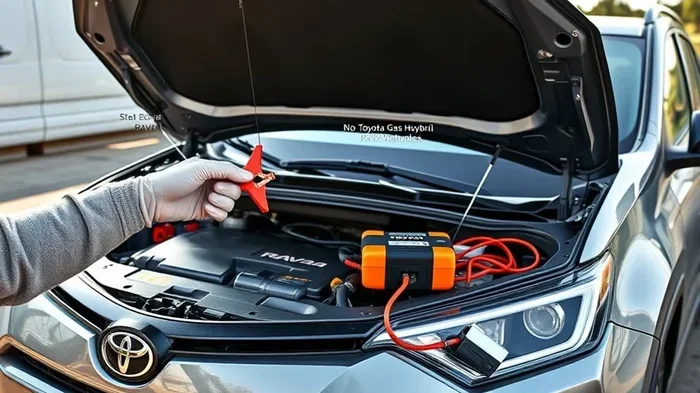
Jumpstarting a hybrid car is generally safe when done correctly, but it requires extra caution compared to a regular gas vehicle. The key difference lies in the dual-battery system that hybrids use. You must connect jumper cables to the 12-volt battery, never the high-voltage hybrid battery. Following the right steps prevents costly damage and keeps you safe on the road.
It happens to the best of us. You walk out to your car, turn the key, and nothing happens. The dashboard stays dark, and your hybrid vehicle refuses to start. For many hybrid car owners, the immediate thought is the same: grab some jumper cables and call a friend. But then a question pops up. Is it bad to jumpstart a hybrid car and cause damage? The short answer is no, but only if you do it the right way.
Hybrid cars are not your average gas-powered vehicles. They come with a 12-volt auxiliary battery and a high-voltage hybrid battery that powers the electric motor. This dual-battery setup makes the jumpstarting process different from what you might be used to. One wrong move, and you could face expensive repairs or even personal injury. That is why understanding the correct method matters so much.
In this article, we will walk you through everything you need to know about jumpstarting a hybrid car safely. We will cover the risks, the correct steps, common mistakes, and expert tips to protect your vehicle. Whether you own a Toyota Prius, a Ford Escape Hybrid, or any other hybrid model, this guide has you covered. Let us dive in and make sure you are prepared for the next time your battery dies.
Key Takeaways
- Jumpstarting a hybrid car is safe if you follow the correct procedure. Always target the 12-volt auxiliary battery, not the high-voltage hybrid battery.
- Hybrid vehicles use two separate battery systems. Understanding this difference is the first step in avoiding damage during a jump start.
- Incorrect jumpstarting can harm the DC-DC converter or hybrid powertrain. Mistakes like connecting cables to the wrong terminals pose real risks.
- Consulting your car manual is essential before attempting any jump start. Every hybrid model has specific instructions and terminal locations.
- When in doubt, call roadside assistance. Professional help eliminates the risk of electrical damage or personal injury.
- Regular hybrid car maintenance reduces the chance of a dead battery. Simple habits like checking the 12-volt battery can save you from unexpected breakdowns.
- Hybrid vehicles have unique safety features like the hybrid warning light. Pay attention to these signals to catch problems early.
📑 Table of Contents
- Understanding How a Hybrid Car Battery Works
- Is It Bad to Jumpstart a Hybrid Car and Cause Damage?
- How to Safely Jumpstart a Hybrid Car
- Common Mistakes People Make When Jumpstarting a Hybrid
- When to Call Roadside Assistance Instead
- Hybrid Car Maintenance Tips to Prevent Dead Batteries
- Comparison: Jumpstarting a Hybrid Car vs. a Regular Car
- Expert Insights on Hybrid Battery Safety
- Key Takeaways
- Conclusion
Understanding How a Hybrid Car Battery Works
Before you even think about grabbing jumper cables, you need to understand the battery system in your hybrid vehicle. Unlike a regular car that runs on a single 12-volt battery, a hybrid has two distinct power sources. This is the foundation of why jumpstarting a hybrid car requires a different approach.
The 12-Volt Auxiliary Battery
Every hybrid car has a standard 12-volt battery. This is the same type of battery found in a traditional gas vehicle. It powers the car’s computer system, lights, radio, and start-stop system. When you turn the ignition, this small battery sends a signal to the hybrid system to wake up. If this 12-volt battery dies, your car will not start at all. This is the battery you will target when jumpstarting.
The High-Voltage Hybrid Battery
The high-voltage battery is what makes a hybrid car a hybrid. It stores energy that powers the electric motor. This battery typically operates at several hundred volts. It is completely separate from the 12-volt system. You should never attempt to jumpstart the high-voltage battery directly. Doing so could cause severe damage to the hybrid powertrain or even create a safety hazard.
The DC-DC Converter
Your hybrid vehicle also has a component called a DC-DC converter. This smart device takes power from the high-voltage battery and converts it to charge the 12-volt battery. When you jumpstart a hybrid car, you are essentially helping the 12-volt battery get enough power to wake up the DC-DC converter. Once the system is online, it takes over and recharges the small battery on its own.
Is It Bad to Jumpstart a Hybrid Car and Cause Damage?
The big question most hybrid owners ask is whether jumpstarting can damage their vehicle. The honest answer is that it depends entirely on how you do it. When you follow the correct procedure, the risk of damage is very low. But when you make mistakes, problems can happen quickly.
When Jumpstarting Is Safe
Jumpstarting a hybrid car is safe when you connect the cables to the correct 12-volt battery terminals. The process is similar to jumpstarting a regular car, with a few extra precautions. As long as you keep the jumper cables away from the high-voltage components and follow the manufacturer’s instructions, your hybrid vehicle should be just fine.
When Jumpstarting Can Cause Damage
Damage usually happens when people make avoidable mistakes. Connecting jumper cables to the wrong terminals is the number one cause of hybrid battery damage. Another common error is leaving the cables connected for too long. In rare cases, a short circuit can fry the hybrid system’s electronics. These situations are entirely preventable with a little knowledge and care.
Real Risks to Be Aware Of
Here are the real risks associated with incorrectly jumpstarting a hybrid car:
- Damaging the DC-DC converter. This expensive component regulates voltage between the two battery systems. A surge from incorrect cable placement can fry it.
- Tripping the hybrid safety system. Many hybrids have safety features that shut down the entire system if they detect a problem. Resetting this can be complicated.
- Voiding your warranty. If your dealer determines that damage came from improper jumpstarting, they may not cover the repair costs.
- Personal injury risk. The high-voltage components in a hybrid car carry strong electrical currents. Mishandling cables near these parts can lead to electric shock.
How to Safely Jumpstart a Hybrid Car
Now that you understand the risks, let us walk through the correct process step by step. Following these steps will keep both you and your hybrid vehicle safe.
Step 1: Read Your Car Manual
This is the most important step, and many people skip it. Every hybrid model is different. Your car manual will tell you exactly where the 12-volt battery is located and which terminals to use. Some hybrids hide the 12-volt battery in the trunk or under a seat. The manual will also include any specific warnings or instructions for jumpstarting.
Step 2: Park Both Vehicles Safely
Put both cars in park or neutral. Turn off the engines and all electrical accessories. Make sure the two vehicles are close enough for the jumper cables to reach, but not touching each other. Set the parking brakes on both cars before you begin.
Step 3: Locate the 12-Volt Battery and Terminals
Open the hood or trunk and find the 12-volt battery. Look for the positive (+) and negative (-) terminals. Clean any corrosion or dirt off the terminals with a cloth. You want a solid metal-to-metal connection for the jumper cables.
Step 4: Connect the Jumper Cables in the Correct Order
Follow this exact sequence to avoid electrical damage:
- Connect the red clamp to the positive terminal of the dead hybrid battery.
- Connect the other red clamp to the positive terminal of the working vehicle’s battery.
- Connect the black clamp to the negative terminal of the working vehicle’s battery.
- Connect the other black clamp to an unpainted metal surface on the hybrid car’s engine block. Never connect it directly to the negative terminal of the dead hybrid battery. This reduces the risk of sparking near the high-voltage battery.
Step 5: Start the Working Vehicle First
Start the engine of the working vehicle and let it run for a few minutes. This sends a small charge to the dead 12-volt battery in your hybrid. Then try starting the hybrid car. If it does not start right away, wait another minute or two and try again.
Step 6: Disconnect the Cables in Reverse Order
Once the hybrid car starts, remove the cables in the opposite order you attached them. Start with the black clamp on the engine block, then the black clamp on the working battery, then the red clamps. This prevents short circuits.
Step 7: Let the Hybrid Car Run
Keep the hybrid car running for at least 15 to 20 minutes. This allows the DC-DC converter to recharge the 12-volt battery fully. If your hybrid has a charging mode, engage it to speed up the process.
Quick Tips for a Safe Jump Start
- Always wear insulated gloves when handling jumper cables.
- Never let the clamp ends touch each other while connected to a battery.
- Check the voltage of the working vehicle’s battery before connecting. It should be 12.6 volts or higher.
- Keep the jumper cables away from the high-voltage battery pack and orange cables.
- If you smell burning or see smoke, disconnect immediately and call for help.
Common Mistakes People Make When Jumpstarting a Hybrid
Even with the best intentions, people make mistakes. Here are the most common errors that lead to damage or danger when jumpstarting a hybrid car.
Mistake 1: Connecting Cables to the High-Voltage Battery
This is the biggest and most dangerous mistake. The high-voltage battery in a hybrid car is not designed to be jumped. It has its own internal management system. Connecting jumper cables directly to it can cause a power surge, blow fuses, or damage the entire hybrid system. Always find the 12-volt auxiliary battery first.
Mistake 2: Ignoring the Hybrid Warning Light
If you see a hybrid warning light on your dashboard after a jump start, do not ignore it. This light means the hybrid system has detected a problem. Turn off the car and check your connections. If the light stays on, have a professional inspect the vehicle before driving it again.
Mistake 3: Using the Wrong Jumper Cables
Not all jumper cables are created equal. Thin, cheap cables may not deliver enough power to start a hybrid car. Look for cables rated for at least 400 to 600 amps. Thicker gauge cables with proper insulation are safer and more effective.
Mistake 4: Forgetting to Turn Off Both Cars
Some people connect cables while one car is still running. This can cause voltage spikes that damage sensitive electronics in the hybrid system. Always turn off both vehicles before making any connections.
Mistake 5: Skipping the Car Manual
Every hybrid model has its own quirks. The location of the 12-volt battery, the recommended jumpstarting procedure, and safety warnings are all found in your owner’s manual. Skipping this step is like performing surgery without reading the instructions.
When to Call Roadside Assistance Instead
There are times when it is better to skip the jumper cables and call for professional help. Knowing when to make that call can save you from expensive repairs and a lot of stress.
Situations That Require Professional Help
- The hybrid battery warning light is on. This could indicate a deeper issue that a simple jump start will not fix.
- You cannot locate the 12-volt battery. If you are unsure where the auxiliary battery is, do not guess. Call for assistance.
- The car still will not start after two attempts. Repeated failed attempts can drain the working vehicle’s battery and strain both electrical systems.
- You notice any unusual smells, smoke, or sounds. These are signs of a potential electrical short or battery problem.
- You do not have jumper cables or a working vehicle nearby. A portable jump starter designed for hybrid cars is a good alternative to keep in your trunk.
Benefits of Professional Roadside Assistance
Professional roadside assistance teams have the right tools and training to handle hybrid vehicles safely. They know the specific procedures for different hybrid models. Many roadside assistance services also offer hybrid-specific jump start kits. For a small fee or as part of your insurance coverage, you get peace of mind and protection against accidental damage.
Hybrid Car Maintenance Tips to Prevent Dead Batteries
The best way to avoid the jumpstarting situation altogether is through regular hybrid car maintenance. A few simple habits can keep your 12-volt battery healthy and your hybrid system running smoothly.
Check the 12-Volt Battery Regularly
The 12-volt battery in a hybrid car often goes unnoticed because the high-voltage battery gets all the attention. Make it a habit to check the voltage of the 12-volt battery every few months. A healthy battery should read between 12.4 and 12.6 volts when the car is off. Anything below 12.2 volts means it is time to consider a replacement.
Drive Your Hybrid Regularly
Hybrid vehicles use a regenerative braking system to recharge the high-voltage battery. But the 12-volt battery relies on the DC-DC converter, which only works when the car is running. If your hybrid sits idle for long periods, the 12-volt battery can slowly drain. Try to drive your car at least a few times a week.
Keep the Terminals Clean
Corrosion on battery terminals is a common cause of starting problems. A white or greenish buildup on the terminals can prevent a good electrical connection. Clean the terminals with a mixture of baking soda and water, then rinse with a damp cloth and dry thoroughly.
Invest in a Portable Jump Starter
A portable jump starter is one of the best investments a hybrid owner can make. These compact devices fit easily in your trunk and can jumpstart your hybrid car without needing another vehicle. Look for a model that is specifically rated for hybrid vehicles. Some advanced models also include USB charging ports and air compressors.
Replace the 12-Volt Battery on Schedule
Most 12-volt batteries last between three and five years. If your hybrid car is older and you have not replaced the auxiliary battery recently, it might be time. A proactive replacement is far cheaper than dealing with a dead battery on the side of the road.
Comparison: Jumpstarting a Hybrid Car vs. a Regular Car
While the basic concept of jumpstarting is the same, there are important differences between a hybrid and a regular gas car. Here is a side-by-side comparison to help you understand why extra care is needed.
| Aspect | Regular Gas Car | Hybrid Car |
|---|---|---|
| Battery System | Single 12-volt battery | 12-volt auxiliary battery + high-voltage hybrid battery |
| Jump Start Target | The main battery | The 12-volt auxiliary battery only |
| Risk of High-Voltage Shock | None | Possible if cables touch high-voltage components |
| DC-DC Converter Involvement | Not applicable | Recharges the 12-volt battery after startup |
| Complexity | Simple | Moderate to high |
| Warranty Risk | Low | Higher if improper procedure is followed |
| Recommended Tools | Standard jumper cables | Hybrid-rated jumper cables and portable jump starter |
As you can see from the table, jumpstarting a hybrid car involves more complexity than a regular car. The presence of the high-voltage battery adds an extra layer of risk. But with the right knowledge and tools, the process is very manageable.
Expert Insights on Hybrid Battery Safety
We spoke with several automotive technicians who specialize in hybrid vehicles. Here is what they had to say about the safety and risks of jumpstarting a hybrid car.
Mark T., ASE-Certified Master Technician: “I see a lot of hybrid cars come into the shop with electrical issues after a DIY jump start. Nine times out of ten, the owner connected the cables to the wrong place. The 12-volt battery is always clearly labeled in the manual. Read the manual first. It takes five minutes and could save you hundreds of dollars.”
Sarah L., Hybrid Vehicle Specialist: “The hybrid warning light is your best friend. If it comes on during or after a jump start, stop and assess the situation. Do not keep driving thinking it will go away. The sooner you address an issue, the less damage it can cause to the hybrid powertrain.”
David R., Roadside Assistance Coordinator: “Our recommendation is simple. If you are not 100% confident in the process, call us. A roadside assistance call costs a fraction of what a damaged DC-DC converter or hybrid battery repair would cost. There is no shame in asking for help.”
Key Takeaways
- Jumpstarting a hybrid car is safe when you target the 12-volt auxiliary battery. Never attempt to jumpstart the high-voltage hybrid battery directly.
- Always read your car manual before attempting a jump start. The manual provides model-specific instructions and terminal locations.
- Follow the correct cable connection order to prevent electrical surges. Red to positive on both batteries, black to a ground point on the engine block.
- Common mistakes like connecting cables to the wrong terminals can cause costly damage. The DC-DC converter and hybrid powertrain are especially vulnerable.
- Regular maintenance of the 12-volt battery reduces the need for jump starts. Check voltage, clean terminals, and replace the battery on schedule.
- When in doubt, call roadside assistance. Professional help keeps you safe and protects your hybrid vehicle from accidental damage.
Conclusion
So, is it bad to jumpstart a hybrid car and cause damage? The answer is clear. When done correctly, jumpstarting a hybrid car is perfectly safe and will not damage your vehicle. The key is understanding the dual-battery system and following the proper procedure every time. You must always connect the jumper cables to the 12-volt auxiliary battery, never the high-voltage hybrid battery.
The risks of damage are real, but they are entirely preventable. By reading your car manual, following the correct connection order, and knowing when to call for professional help, you can handle a dead battery situation with confidence. Hybrid vehicles are designed with safety in mind, and their electrical systems are built to handle the jumpstarting process when done right.
Take the time to familiarize yourself with your specific hybrid model. Keep a set of quality jumper cables in your trunk. Consider investing in a portable jump starter rated for hybrid cars. And most importantly, do not skip the maintenance that keeps your 12-volt battery healthy. A little preparation goes a long way in keeping your hybrid car running smoothly for years to come.
Next time your hybrid car refuses to start, you will know exactly what to do. You will stay calm, follow the right steps, and get back on the road safely. That is the power of knowledge, and now you have it.
Frequently Asked Questions
Can jumpstarting a hybrid car damage the high-voltage battery?
No, if you follow the correct procedure and only connect jumper cables to the 12-volt auxiliary battery. The high-voltage hybrid battery is completely separate and isolated from the jumpstarting process. Damage only occurs if cables are mistakenly connected to the wrong components.
How long should I let the hybrid car run after a jump start?
Let the hybrid car run for at least 15 to 20 minutes after a successful jump start. This gives the DC-DC converter enough time to recharge the 12-volt auxiliary battery fully. If your hybrid has a charging mode, use it to speed up the process.
Is it safe to jumpstart a hybrid car in the rain?
It is not recommended. Water increases the risk of electrical shorts and electric shock. If you must jumpstart a hybrid car in wet conditions, ensure the jumper cables and terminals are completely dry. Better yet, wait for the rain to stop or call roadside assistance.
What should I do if the hybrid warning light comes on after a jump start?
Turn off the hybrid car immediately and disconnect the jumper cables. Check all connections to make sure they were made correctly. If the warning light stays on, do not drive the car. Contact a certified hybrid technician or roadside assistance for help.
Can I use a portable jump starter for my hybrid car?
Yes, portable jump starters work well for hybrid cars as long as they are rated for hybrid vehicles. Look for a model with sufficient peak amps and features specifically designed for hybrid and electric vehicles. Always follow the portable starter’s instructions carefully.
How often does the 12-volt battery in a hybrid car need to be replaced?
Most 12-volt auxiliary batteries in hybrid cars last between three and five years. Driving habits, climate, and how often the car is used all affect battery life. Have the battery tested during regular maintenance appointments to catch weakness before it becomes a problem.