Are There Any Recalls on the 2010 Ford F-150 Model
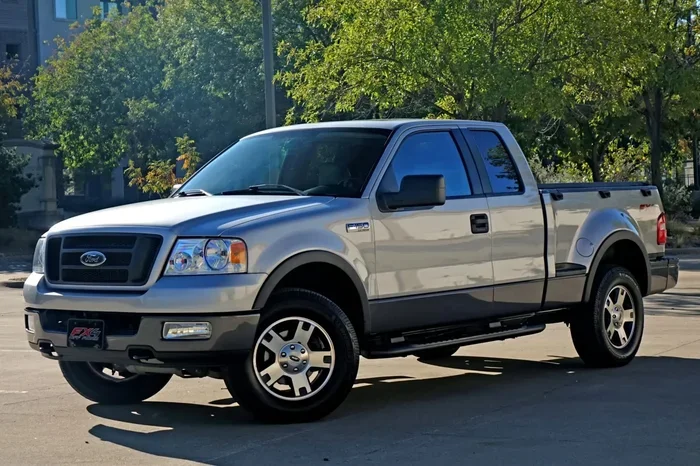
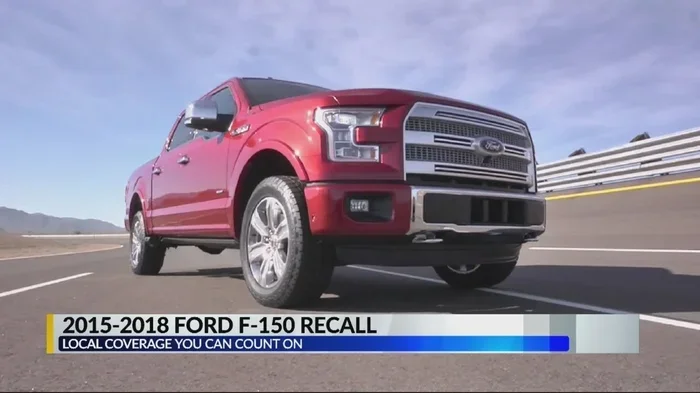
The 2010 Ford F-150 has had several recall campaigns issued by Ford and monitored by NHTSA. Key recalls involve brake systems, fuel lines, and suspension components that affect safety and performance. Owners should check their VIN immediately to confirm if their specific truck is affected and schedule free recall repairs at an authorized dealership.
The 2010 Ford F-150 remains one of the most popular pickup trucks on American roads. It earned a strong reputation for durability, towing capacity, and everyday reliability. But even the best trucks can have manufacturing flaws. That is why recall notices matter so much to every F-150 owner.
If you own or are considering buying a 2010 Ford F-150, understanding the recall landscape is critical. Recalls are not just paperwork. They address real safety problems that can affect how your truck performs on the road. In this article, we will walk you through every major recall campaign, explain what they mean, and show you exactly how to check if your specific truck is affected.
Some people think recalls only apply to brand new vehicles. That is simply not true. Recalls can be issued years after a model hits the market. The 2010 Ford F-150 is a perfect example. Even though this model is over a decade old, Ford and NHTSA continue to issue recall campaigns that owners need to address. If you want to keep your truck safe and road legal, staying on top of recall information is non-negotiable.
Key Takeaways
- Multiple recalls exist: The 2010 Ford F-150 has several active recall campaigns covering critical safety components.
- NHTSA tracks all recalls: The National Highway Traffic Safety Administration maintains a complete database of every recall notice.
- VIN lookup is essential: Checking your vehicle identification number tells you exactly which recalls apply to your specific truck.
- Repairs are free: Ford dealerships must fix recall-related issues at no cost to the vehicle owner.
- Common issues include brakes and fuel lines: These are the most frequently reported problems for the 2010 model year.
- Act quickly: Delaying recall repairs can compromise your safety and the resale value of your truck.
📑 Table of Contents
Understanding the 2010 Ford F-150 Recall Landscape
Recalls are formal orders issued by either the manufacturer or a federal safety agency. They happen when a defect is found that could compromise vehicle safety, performance, or compliance with federal standards. For the 2010 Ford F-150, multiple recall campaigns have been issued over the years.
Let us break down what a recall actually means for you as an owner. When Ford issues a recall, it does not mean your truck is broken beyond repair. It means a specific component or system has a known issue that needs to be corrected. The manufacturer takes full responsibility and covers the cost of the fix.
What Triggers a Vehicle Recall?
Recalls are triggered by several factors. Sometimes Ford identifies the problem through internal testing. Other times, the National Highway Traffic Safety Administration (NHTSA) investigates after receiving consumer complaints. Either way, the process follows strict federal guidelines.
Here are the most common reasons a recall gets issued:
- Safety defects: Problems with brakes, steering, airbags, or fuel systems that could cause injury or death.
- Non-compliance: Failure to meet federal motor vehicle safety standards.
- Performance issues: Components that fail prematurely and create unsafe driving conditions.
- Consumer reports: Patterns of complaints from owners that signal a widespread problem.
For the 2010 Ford F-150, recalls have touched on several of these areas. Brake systems, fuel line connections, and suspension parts have all been subject to recall campaigns. Understanding which recalls apply to your specific truck is the first step toward staying safe.
Major Recall Campaigns for the 2010 Ford F-150
Several significant recall campaigns have targeted the 2010 F-150 model. Each one addresses a specific defect that Ford identified as a potential safety risk. Below, we detail the most important recalls every owner should know about.
Brake System Recall
One of the most serious recall campaigns for the 2010 F-150 involved the brake system. In certain configurations, the brake master cylinder could develop a leak over time. This is a critical safety issue because reduced brake fluid pressure directly affects stopping power.
Ford identified this problem through a combination of internal quality testing and field reports. The recall notice required dealers to inspect the brake master cylinder and replace it if necessary. The repair was completely free for all affected owners. If you own a 2010 F-150, checking whether your brake system was addressed in this campaign should be a top priority.
Fuel Line and Connection Recall
Another significant recall focused on the fuel line connections in the 2010 F-150. In some trucks, the fuel line fittings could loosen over time, leading to fuel leaks. A fuel leak in any vehicle is dangerous, but it is especially concerning in a heavy-duty pickup truck that often carries heavy loads.
This recall campaign prompted Ford to inspect and, where needed, replace the fuel line connections on affected vehicles. The fix was straightforward but essential. Owners who delayed this repair faced the risk of fuel odors, reduced fuel efficiency, and in worst-case scenarios, a fire hazard.
Suspension Component Recall
The suspension system on the 2010 F-150 also came under scrutiny. Certain suspension components were found to have manufacturing defects that could lead to premature wear or sudden failure. Since the suspension directly affects vehicle handling and stability, this was a recall that demanded prompt attention.
Ford addressed this by notifying owners and offering free replacement parts at authorized dealerships. The suspension recall was particularly important for owners who used their F-150 for towing or hauling, as these activities put extra stress on suspension components.
Electrical System and Wiring Recall
Electrical issues are common across many vehicle model years, and the 2010 F-150 was no exception. A recall campaign addressed certain wiring harness problems that could cause intermittent electrical failures. These issues ranged from minor inconveniences like flickering lights to more serious concerns with critical safety systems.
Ford’s electrical recall involved inspecting the wiring harness and replacing faulty sections where needed. While this recall may not sound as dramatic as a brake or fuel line issue, electrical problems can cascade into bigger safety concerns if left unaddressed.
How to Check if Your F-150 Has an Open Recall
Knowing about recalls is one thing. Actually checking whether your specific truck is affected is another. Fortunately, Ford and NHTSA make this process straightforward. You do not need to be a mechanic or a car expert to find out if your 2010 F-150 has any open recalls.
Using the NHTSA Recall Database
The NHTSA website offers a free and easy-to-use recall lookup tool. You simply enter your vehicle identification number (VIN) into the search bar. The database returns a complete list of any open recalls, completed recalls, and campaigns that apply to your specific truck.
Your VIN is located on the driver’s side dashboard, visible through the windshield. It is also printed on your vehicle registration and insurance documents. Keep this number handy because you will need it for the lookup.
Contacting Your Local Ford Dealership
Another reliable method is to contact your nearest Ford dealership directly. Provide them with your VIN, and their service department can pull up your complete recall history. Most dealerships will even schedule the repair for you at no charge if an open recall is found.
This is especially helpful because some owners are unaware that a recall exists. Ford sends recall notices by mail, but these letters can get lost, ignored, or simply overlooked. A quick call to the dealership removes all guesswork.
Checking Through Ford’s Official Website
Ford also maintains its own recall lookup portal on their official website. You can enter your VIN there and access the same information. This is a convenient option if you prefer to handle things online from the comfort of your home.
Some owners also check the recall status of vehicles they are considering buying secondhand. If you are shopping for a used 2010 F-150, always run a VIN check before finalizing the purchase. This ensures you are not buying a truck with unresolved recall issues.
Common Issues Reported by 2010 F-150 Owners
Beyond formal recalls, the 2010 Ford F-150 has accumulated a body of owner-reported issues over the years. These are not always tied to official recall campaigns, but they are worth knowing about if you own or are buying this model.
Transmission Concerns
Some 2010 F-150 owners have reported transmission hesitation or rough shifting. While these issues do not always rise to the level of a formal recall, they can affect driving comfort and safety. If you notice any unusual behavior when shifting gears, it is worth having a qualified mechanic inspect the transmission.
Rust and Corrosion
Rust is a common concern with older trucks, and the 2010 F-150 is no exception. Certain model years and production batches showed a tendency toward rust in specific areas. Regular washing, especially during winter months when road salt is used, can help prevent corrosion from worsening.
Check Engine Light Triggers
A recurring issue among 2010 F-150 owners is the check engine light activating without an obvious cause. This can stem from a variety of sensors, fuel system components, or emissions-related parts. While many triggers are minor, it is always wise to get the codes read by a professional to rule out anything serious.
When you compare these common issues to the formal recall campaigns, a clear pattern emerges. The 2010 F-150 is a capable and popular truck, but it does have some known weak points. Staying informed and proactive about maintenance and recalls is the best way to own this vehicle safely and confidently.
What to Do If Your Truck Is Affected
Discovering that your 2010 F-150 has an open recall can feel stressful. But the process for getting it fixed is simpler than most people think. Here is exactly what you should do step by step.
Step 1: Confirm the Recall Details
Start by confirming the recall details. Visit the NHTSA website or Ford’s recall portal with your VIN. Note the recall campaign number, the specific defect described, and the recommended repair. This information gives you a clear picture of what needs to be addressed.
Step 2: Contact Your Dealership
Call your nearest Ford dealership and schedule a service appointment. Mention the recall campaign number so the service team knows exactly what to look for. Most recall repairs are completed in a single visit and take only a few hours.
Step 3: Get the Repair Done for Free
By federal law, recall repairs must be performed at no cost to the vehicle owner. This applies regardless of the age of the vehicle. If a dealership tries to charge you for a recall repair, you have the right to push back and contact Ford directly.
Step 4: Keep Records
After the repair is completed, make sure you receive documentation from the dealership. This proves the recall was addressed and can be valuable if you ever sell the truck or need to dispute a future issue.
Following these steps ensures your 2010 F-150 remains safe and compliant. It also protects your investment in the vehicle. A well-maintained truck with all recalls addressed holds its value much better than one with unresolved issues.
Staying Safe and Informed as a Ford F-150 Owner
Owning a truck like the 2010 Ford F-150 comes with responsibility. Beyond regular oil changes and tire rotations, staying on top of recall information is one of the most important things you can do as an owner. Recalls exist to protect you, your passengers, and everyone else on the road.
Set a reminder to check for recalls at least twice a year. The NHTSA database is updated regularly, and new campaigns can be issued at any time. A quick VIN check takes only a few minutes but can save you from serious safety problems down the road.
Also, consider joining online Ford F-150 owner communities. These forums and social media groups are excellent resources for staying informed about recalls, common issues, and recommended fixes. Other owners often share tips and experiences that can help you navigate the recall process more smoothly.
Remember, a recall is not a sign of a bad vehicle. It is a sign that the manufacturer cares enough to fix a problem. The 2010 Ford F-150 has a strong legacy, and addressing recalls promptly keeps that legacy intact. Your truck can continue to serve you reliably for years to come as long as you stay vigilant about safety notices.
For those who love their trucks deeply, you might even enjoy writing 10 lines on my favourite toy car about your F-150 to celebrate your passion. And if you ever need to rent a larger vehicle for a family trip, consider exploring options like a 7 seater car on rent in Mumbai for your next adventure.
Finally, understanding how safety ratings and recalls work across different vehicles helps you become a more informed buyer overall. If you are curious about how safety ratings vary globally, you can explore perspectives like a 1 star on car in India to appreciate why recall awareness matters everywhere.
Conclusion
The question “Are there any recalls on the 2010 Ford F-150?” has a clear and important answer. Yes, there are multiple recall campaigns that affect this model. These recalls cover critical areas including the brake system, fuel lines, suspension components, and electrical wiring. Each one addresses a genuine safety concern that Ford identified and acted upon.
Staying informed about these recalls is not optional. It is essential for every 2010 F-150 owner. Use the NHTSA database, contact your dealership, and run your VIN check regularly. The repairs are free, the process is straightforward, and the peace of mind is invaluable.
Your 2010 Ford F-150 has earned its reputation as a tough and dependable truck. By taking recall issues seriously and addressing them promptly, you protect that reputation and ensure your truck remains safe on every road you drive. Do not wait. Check your recall status today and keep your F-150 running at its best.
Frequently Asked Questions
How do I find recall information for my 2010 Ford F-150?
You can check the NHTSA recall database online by entering your vehicle identification number (VIN). The database provides a complete list of all open and completed recalls for your specific truck. You can also contact your local Ford dealership with your VIN for a full recall history.
Are recall repairs free for the 2010 Ford F-150?
Yes, all recall repairs are free of charge by federal law. Ford dealerships must fix recall-related issues at no cost to the vehicle owner, regardless of the age of the vehicle. If you are charged, contact Ford customer service directly to resolve the issue.
Can I drive my 2010 F-150 if it has an open recall?
In most cases, you can still drive the vehicle, but it is not recommended to delay the repair. Open recalls indicate known safety defects that could affect your vehicle’s performance. Schedule the repair as soon as possible to ensure your safety on the road.
How many recalls does the 2010 Ford F-150 have?
The 2010 Ford F-150 has had several recall campaigns over the years. The exact number can vary depending on how you count regional or component-specific campaigns. The NHTSA database provides the most comprehensive and up-to-date list of all recalls for this model year.
What is the most common recall issue for the 2010 F-150?
The brake system recall is one of the most commonly reported campaigns for the 2010 F-150. Brake master cylinder leaks can reduce stopping power, making this a serious safety concern. Fuel line and suspension recalls are also frequently cited among owners of this model.
Do I need to bring my 2010 F-150 to a Ford dealership for recall repairs?
Yes, recall repairs must be performed by authorized Ford dealerships or service centers. These facilities have the specific parts, tools, and training required to address recall-related defects correctly. Independent mechanics are not authorized to perform recall repairs.