The Importance of the Windshield and Why It Matters
The importance of the windshield cannot be overstated — it protects you in collisions, keeps your car structurally sound, and ensures clear visibility on every drive. A damaged windshield weakens your vehicle’s safety and can lead to costly repairs if ignored. Understanding how your auto glass works helps you take better care of it.
The importance of the windshield goes far beyond keeping bugs off your face while you drive. Your car’s front glass plays a critical role in safety, structure, and overall driving comfort. Many drivers overlook this essential component until something goes wrong — and by then, the problem has often grown worse. This article explores why your windshield matters more than you might think. You will learn about its safety functions, common damage causes, and how to keep it in top shape for years to come.
Your windshield is one of the most hardworking parts of your vehicle. It faces wind, rain, debris, UV rays, and extreme temperatures every single day. Yet most of us take it for granted until we spot a chip or crack. Understanding the importance of the windshield can change the way you think about car maintenance. Let us dive into the many reasons this piece of auto glass deserves your attention.
Key Takeaways
- Safety First: The windshield plays a vital role in collision protection and airbag deployment.
- Structural Support: Your car’s front glass contributes up to 30% of the roof’s structural strength.
- Visibility Matters: Even small cracks can distort your view and increase accident risk.
- Act Fast: Chips and cracks spread quickly and become more expensive to fix over time.
- Prevention Works: Simple habits like maintaining distance from other vehicles can prevent most windshield damage.
- Technology Evolves: Modern safety glass and windshield innovations make cars safer than ever before.
📑 Table of Contents
- What Does Your Windshield Actually Do?
- Windshield Importance for Road Safety
- Common Windshield Damage and What Causes It
- Repair vs. Replacement: What You Need to Know
- Maintaining Your Windshield for Long-Term Health
- The Cost of Ignoring Windshield Damage
- Windshield Technology and Modern Innovations
- Conclusion
What Does Your Windshield Actually Do?
More Than Just a Barrier Against the Wind
Most people think of the windshield as a simple sheet of glass that keeps wind out of your face. But the importance of the windshield stretches much deeper than that. It is a complex, engineered component designed to serve multiple critical functions at once.
Your front glass acts as a shield against wind, rain, dust, and flying debris. Without it, driving at highway speeds would be uncomfortable and dangerous. But that is only the beginning of what your windshield does every day.
Here are the key roles your windshield plays:
- Wind and weather protection: It blocks wind, rain, snow, and hail so you can drive comfortably.
- Debris defense: It stops rocks, insects, and other objects from hitting you directly.
- UV ray blocking: Quality auto glass filters harmful ultraviolet rays that can cause skin damage.
- Noise reduction: It helps dampen wind and road noise for a quieter cabin.
- Thermal insulation: It helps regulate cabin temperature by reducing heat transfer.
Each of these functions contributes to a safer and more pleasant driving experience. The next time you hop in your car, take a moment to appreciate what your windshield does for you.
The Role in Vehicle Structural Integrity
Here is something most drivers do not know — your windshield is a load-bearing part of your car’s structure. The importance of the windshield in maintaining the vehicle’s structural integrity is huge. In fact, the front glass supports up to 30 percent of the roof’s strength in a rollover accident.
When your windshield is intact and properly sealed, it helps hold the roof in place during a crash. A cracked or weakened windshield can compromise this support. That means a small chip today could become a serious safety issue tomorrow.
The windshield also plays a key role in how your airbags deploy. During a front-end collision, airbags bounce off the windshield toward the driver and passengers. If the glass is damaged, it may not hold the pressure, and the airbag could deploy incorrectly. This makes the importance of the windshield a life-or-death matter in serious accidents.
Windshield Importance for Road Safety
How It Protects You in a Collision
Safety is the number one reason to understand the importance of the windshield. Modern cars use a special type of glass called laminated safety glass. This glass is made of two layers with a plastic film sandwiched in between.
When something hits the windshield, the outer layer may crack, but the plastic layer holds the glass together. This prevents large shards from flying into the cabin and injuring occupants. Regular glass, like what you find in a window pane, shatters into dangerous pieces. Safety glass is designed to protect you.
Here is how your windshield helps keep you safe during a crash:
- It keeps occupants inside the vehicle: A strong windshield helps prevent ejections during a rollover or side impact.
- It supports airbag deployment: The airbag uses the windshield as a surface to redirect toward the driver.
- It absorbs impact energy: The laminated layers help distribute force across a wider area.
- It reduces roof crush: In a rollover, the windshield helps maintain cabin space.
Every one of these functions depends on the windshield being in good condition. A damaged windshield cannot perform these tasks properly, which puts you and your passengers at risk.
Visibility and Safe Driving
Clear visibility is one of the most basic requirements for safe driving. The importance of the windshield in providing an unobstructed view of the road cannot be ignored. Even a small crack or chip in your line of sight can distort your vision and make driving hazardous.
Studies show that drivers with damaged windshields are more likely to be involved in accidents. Scratches, chips, and cracks scatter light from the sun and headlights, creating glare and halos. This is especially dangerous at night or in bright sunlight.
Consider these common visibility problems caused by windshield damage:
- Glare from sunlight: Cracks refract light and create blinding spots on the road.
- Headlight distortion: Oncoming headlights appear blurred or scattered through a cracked windshield.
- Rain scattering: Water does not drain properly when the glass surface is compromised.
- Blind spots: Damage near the edges of the glass can create visual distortions you might not notice.
Keeping your windshield clean and damage-free is one of the simplest things you can do to improve road safety. Replace wiper blades regularly and keep your washer fluid full. These small habits go a long way.
Common Windshield Damage and What Causes It
Chips, Cracks, and Stress Fractures
Windshield damage happens to almost every driver at some point. Rocks kicked up by other vehicles are the most common cause of chips and cracks. But there are many other culprits that can damage your auto glass over time.
Here are the most frequent causes of windshield damage:
- Road debris: Rocks, gravel, and loose gravel on highways cause the majority of chips.
- Temperature changes: Rapid shifts from hot to cold can stress the glass and create cracks.
- Pressure changes: Overloading your vehicle or hitting a pothole can put stress on the windshield.
- Improper installation: A windshield that is not fitted correctly can develop stress fractures over time.
- Accidents and collisions: Even minor fender benders can crack a windshield that is already weakened.
Understanding what causes damage helps you take preventive steps. For example, keeping a safe following distance on highways reduces the chance of rocks hitting your windshield. Parking in the shade or a garage helps avoid thermal stress from extreme heat.
Quick Tips to Prevent Windshield Damage
Prevention is always better than repair. Here are some easy habits that can help protect your windshield:
- Keep a safe distance behind trucks and construction vehicles.
- Avoid driving on gravel roads when possible.
- Wash your car regularly to remove dirt and tiny particles that can scratch the glass.
- Use a sunshade when parking outdoors for long periods.
- Fix small chips immediately before they spread into cracks.
- Avoid slamming your car doors, which creates vibration stress on the glass.
These simple steps can extend the life of your windshield significantly and save you money on replacement costs.
Common Mistakes That Make Damage Worse
Many drivers make mistakes that turn a small chip into a major crack. Here are the most common errors to avoid:
- Ignoring small chips: A tiny chip can spread quickly due to vibration and temperature changes.
- Using DIY repair kits incorrectly: Poorly applied resin can cause more harm than good.
- Washing the car with a cracked windshield: Water enters the crack and weakens the adhesive bond.
- Driving over speed bumps too fast: Sudden jolts can cause a crack to expand.
- Delaying repairs for months: The longer you wait, the more expensive and difficult the fix becomes.
Avoiding these mistakes can save you time, money, and — most importantly — keep you safe on the road.
Repair vs. Replacement: What You Need to Know
When to Repair and When to Replace
Not every windshield problem requires a full replacement. Understanding when a repair will work and when you need a full swap is key. The importance of the windshield means you should never make this decision lightly.
Small chips and cracks under three inches are usually repairable. A technician injects a clear resin into the damaged area and cures it with UV light. This restores the structural strength and clarity of the glass. Repair is faster, cheaper, and keeps your original windshield intact.
However, replacement becomes necessary when:
- The crack is longer than three inches.
- The damage is in the driver’s direct line of sight.
- The glass has multiple cracks or chips.
- The structural integrity of the glass is compromised.
- The damage extends to the edges of the windshield.
Repair vs. Replacement Comparison
| Factor | Windshield Repair | Windshield Replacement |
|---|---|---|
| Cost | $50 – $150 | $200 – $500+ |
| Time | 30 minutes | 1 – 2 hours |
| Best For | Small chips and short cracks | Large cracks and structural damage |
| Durability | Restores most strength | Full new glass with fresh seal |
| Insurance Coverage | Usually covered | Usually covered with comprehensive |
| Resale Value Impact | Minimal | Minimal if done professionally |
When in doubt, get a professional assessment. A certified auto glass technician can tell you whether a repair or replacement is the right choice for your situation.
Expert Insights on Windshield Maintenance
Auto glass professionals agree that proactive maintenance is the best approach. Many shops offer free inspections for chips and cracks. Taking advantage of these services can catch problems early and save you from expensive replacements.
“The biggest mistake we see is customers waiting too long,” says Mark Torres, a certified auto glass specialist with over 15 years of experience. “A small chip that gets repaired in a day can turn into a full crack over a weekend of temperature swings. Early action saves money and lives.”
Expert advice also emphasizes the importance of choosing quality replacement glass and professional installation. A poorly installed windshield can leak, vibrate, and even pop out in a collision. Always trust certified technicians for any windshield work.
Maintaining Your Windshield for Long-Term Health
Cleaning and Care Tips
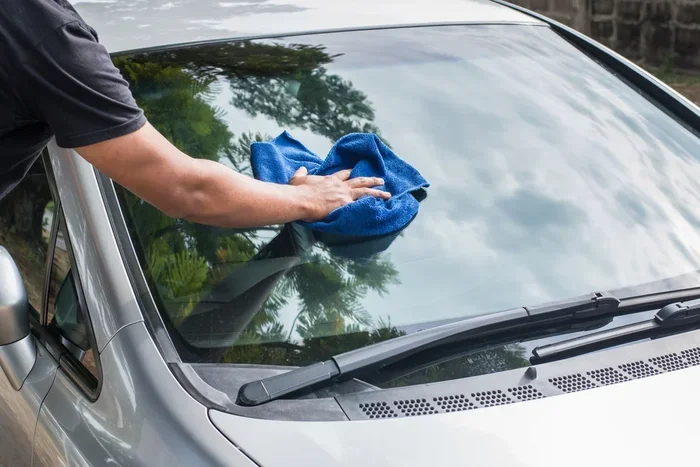
Regular cleaning keeps your windshield in great condition and extends its lifespan. Here are some practical tips for day-to-day care:
- Use a ammonia-free glass cleaner to avoid damaging the windshield’s tint or seal.
- Clean both the inside and outside surfaces — grime on the inside causes glare at night.
- Use a microfiber cloth to prevent scratches.
- Replace your wiper blades every six to twelve months.
- Keep washer fluid topped off, especially during winter and long road trips.
Taking five minutes to clean your windshield each week can make a big difference. It also gives you a chance to spot small chips or cracks before they grow.
Quick Tips for Windshield Health
Quick Tip: Avoid parking under trees whenever possible. Falling branches, sap, and bird droppings can all damage your windshield over time. Sap is especially tricky because it can etch into the glass if left too long.
Another important tip is to give your windshield time to adjust to temperature changes. In winter, let your car warm up gradually instead of blasting the defroster on high heat right away. Sudden temperature swings are one of the leading causes of stress cracks.
The Cost of Ignoring Windshield Damage
Safety Risks of a Damaged Windshield
Ignoring windshield damage is not just about aesthetics — it is a real safety risk. A compromised windshield cannot perform its protective functions properly. In a collision, a damaged windshield may shatter inward or fail to support the airbag deployment.
The importance of the windshield in maintaining cabin integrity means that even minor damage should be taken seriously. Here are the risks of driving with a damaged windshield:
- Reduced crash protection: The glass cannot absorb impact the way it was designed to.
- Airbag malfunction: The airbag may not deploy correctly without a solid surface to push against.
- Roof collapse risk: A weakened windshield provides less support during a rollover.
- Poor visibility: Cracks and chips distort your view of the road and other vehicles.
- Legal issues: In many states, driving with a cracked windshield is a traffic violation.
These risks make a compelling case for addressing windshield damage promptly. The cost of a repair is always less than the cost of a replacement, and both are far less than the cost of an accident that could have been prevented.
How Windshield Damage Affects Your Wallet
Delaying windshield repair can cost you more in the long run. A small chip that costs $75 to fix today could become a $400 replacement job next month. Insurance companies often cover windshield repairs with no deductible, making it an easy no-brainer.
Beyond the direct cost, a damaged windshield can lower your vehicle’s resale value. Buyers notice cracked or chipped glass and may offer less money or walk away entirely. Keeping your windshield in great condition protects your investment in your car.
Windshield Technology and Modern Innovations
Safety Glass Advances
The auto glass industry has come a long way. Modern windshields are far more advanced than the simple glass panels used in early cars. Today’s laminated safety glass is engineered to meet strict safety standards and provide superior protection.
Some of the latest innovations in auto glass include:
- Acoustic laminated glass: Reduces wind and road noise for a quieter cabin experience.
- Heated windshields: Built-in heating elements melt ice faster and improve winter visibility.
- Rain-sensing wipers: Sensors detect rain and automatically activate the wipers at the right speed.
- Head-up display integration: Some windshields project dashboard information directly onto the glass.
- UV protection coatings: Advanced films block up to 99 percent of harmful UV rays.
These innovations show how the importance of the windshield continues to grow as car technology advances. Your windshield is becoming a smarter, more integrated part of your vehicle’s safety and comfort systems.
The Future of Auto Glass
Looking ahead, the future of windshield technology is exciting. Engineers are working on windshields that can display navigation information directly in the driver’s line of sight. Others are developing self-healing glass that can repair small cracks automatically using special polymers.
As autonomous vehicles become more common, the role of the windshield will continue to evolve. Sensors, cameras, and radar systems often rely on the windshield for clear line of sight. This makes maintaining a clean, undamaged windshield even more important for the cars of tomorrow.
The importance of the windshield in vehicle safety and technology will only increase. Staying informed and taking care of your auto glass today prepares you for the innovations of tomorrow.
Conclusion
The importance of the windshield touches every aspect of your driving experience — from safety and structural support to visibility and comfort. This often-overlooked component is one of the most important safety features in your car. It protects you in collisions, supports airbag deployment, and keeps your view of the road clear and unobstructed.
Taking care of your windshield does not have to be complicated. Simple habits like maintaining a safe following distance, avoiding temperature shocks, and addressing chips promptly can keep your auto glass in excellent condition for years. When damage does occur, know when to repair and when to replace, and always choose professional installation.
Your windshield works hard for you every time you get behind the wheel. Show it some appreciation by giving it the care and attention it deserves. A well-maintained windshield means a safer, more comfortable ride for you and everyone in your car.
Frequently Asked Questions
How does a cracked windshield affect safety?
A cracked windshield weakens the structural integrity of your vehicle and can interfere with airbag deployment. In a collision, damaged glass may shatter inward instead of staying intact, increasing the risk of injury to occupants.
Can I drive with a small chip in my windshield?
You can drive short distances with a small chip, but it is not safe for long trips. Chips spread quickly due to vibration and temperature changes, and they can become cracks that impair your visibility and compromise safety.
Does insurance cover windshield repair or replacement?
Most comprehensive auto insurance policies cover windshield repair with no deductible. Replacement is also typically covered, but you should check with your specific insurance provider for details on your coverage.
How long does a windshield repair take?
A windshield repair usually takes about 30 minutes. The technician cleans the damaged area, injects a clear resin, and cures it with UV light. You can drive your car immediately after the repair is complete.
What causes a windshield to crack without impact?
Temperature changes, pressure shifts, and stress from improper installation can all cause a windshield to crack without any direct impact. Extreme heat from direct sunlight followed by cold air from the AC is a common trigger.
How often should I replace my windshield wipers?
You should replace your windshield wipers every six to twelve months, or sooner if you notice streaking or skipping. Worn wipers can scratch your windshield over time and reduce visibility in rain and snow.
=== CONCLUSION ===
The importance of the windshield goes far beyond what most drivers realize. It is a vital safety component, a structural support system, and a key part of your driving comfort. By understanding its role and taking proactive steps to maintain it, you protect yourself, your passengers, and your investment in your vehicle. Take care of your windshield today, and it will take care of you every time you hit the road.