What Causes a Hybrid Car Not to Start in Cold Weather
A hybrid car not starting in cold weather is a common problem caused by several factors, including a weak 12-volt battery, frozen fuel lines, and reduced hybrid battery performance. Cold temperatures slow down chemical reactions inside batteries, thicken engine oil, and make fuel harder to vaporize, all of which can prevent your car from turning over. Understanding these causes helps you take quick action and avoid costly repairs. This guide covers every major reason your hybrid car won’t start in cold weather and gives you practical steps to fix and prevent the issue.
There is nothing worse than walking out on a freezing morning, turning the key or pressing the start button, and hearing nothing but silence. If you own a hybrid car not starting in cold weather, you are far from alone. Thousands of hybrid owners face this frustrating problem every winter. The good news is that most causes are easy to identify and fix. In this article, we will walk you through every reason your hybrid car might not start in cold weather and give you clear solutions you can use right away.
Hybrid vehicles are clever machines. They use two power sources, an electric motor and a gasoline engine, to deliver great fuel economy. But that complexity also means more things can go wrong when the temperature drops. From the small 12-volt battery to the high-voltage hybrid pack, every component reacts to cold in its own way. Understanding these reactions is the first step toward solving the problem and keeping your car reliable all season long.
Key Takeaways
- Weak 12-Volt Battery: The most common culprit behind a hybrid car not starting in cold weather is a drained or aging 12-volt auxiliary battery.
- Cold Cranking Amps Drop: Low temperatures reduce the amps your battery can deliver, making it harder to turn the engine over.
- Hybrid Battery Performance Drops Too: The high-voltage hybrid battery pack also struggles in extreme cold, affecting the entire powertrain.
- Fuel Line Freeze and Thick Fuel: Diesel hybrids and even gasoline hybrids can face fuel-related starting issues when temperatures drop.
- Engine Oil Thickens in Winter: Cold oil creates more resistance, forcing the starter motor to work harder.
- Prevention Works: Simple steps like garage parking, battery maintainers, and using the right oil can keep your hybrid running all winter.
📑 Table of Contents
- How a Hybrid Car Starts in Normal Conditions
- Common Reasons a Hybrid Car Won’t Start in Cold Weather
- How Cold Weather Affects the Hybrid Battery System
- Fuel System Challenges for Hybrids in Winter
- Preventive Tips to Keep Your Hybrid Running in Winter
- When to Call a Professional Mechanic
- Final Thoughts
How a Hybrid Car Starts in Normal Conditions
Before we dive into the causes, let us quickly understand how a hybrid car starts when the weather is warm. This background makes everything else much easier to follow. When you press the start button in a hybrid vehicle, a small 12-volt battery sends power to the hybrid control module. That module then wakes up the high-voltage hybrid battery pack. The pack sends electricity to the electric motor, which cranks the engine. Once the engine is running, the gasoline system takes over to power the car and recharge the battery. It is a smooth, coordinated process that happens in seconds.
Now imagine that same process happening in sub-zero temperatures. Every step becomes harder. The 12-volt battery has to push more current through cold circuits. The electric motor faces thicker oil and stiffer engine parts. The gasoline fuel does not vaporize as easily. All of these factors stack up, and suddenly your car refuses to start. This is why a hybrid car not starting in cold weather is such a common complaint among owners.
The Role of the Hybrid Control Module
The hybrid control module acts like the brain of your car. It manages the flow of energy between the 12-volt battery, the hybrid battery pack, and the electric motor. When temperatures drop, the module itself can become sluggish. Sensors that feed information to the module may send incorrect readings if they are cold. This can confuse the entire starting sequence. If your hybrid car clicks but does not turn over, the control module and its sensors are worth checking first.
Common Reasons a Hybrid Car Won’t Start in Cold Weather
Several factors can cause a hybrid car not start in cold weather. Some are simple and cheap to fix. Others require professional attention. Let us go through each one so you know exactly what to look for.
1. Weak or Dead 12-Volt Auxiliary Battery
The 12-volt battery is the most common reason a hybrid car fails to start in winter. This small battery powers all the electronics, the starting system, and the hybrid control module. When temperatures drop, the chemical reaction inside the battery slows down significantly. A battery that was fine in summer may not have enough power to turn the starter motor in January.
Hybrid owners often overlook this battery because the car has a high-voltage hybrid pack. But the 12-volt battery is what actually gets everything going. If your dashboard lights are dim or the clock resets when you open the door, your 12-volt battery is likely weak. A battery tester can tell you the cold cranking amps and state of charge in seconds.
2. Reduced Cold Cranking Amps
Every battery has a rating called cold cranking amps, or CCA. This number tells you how many amps the battery can deliver at 0 degrees Fahrenheit. As the temperature drops, the actual amps the battery can produce fall well below its rated CCA. A battery rated at 600 CCA might only deliver 300 amps at very low temperatures. That is not enough to crank the engine properly.
This is why winter is the worst time for old batteries. Even a battery that tested fine in fall can fail in deep cold. If you live in a region with harsh winters, choosing a battery with a higher CCA rating is a smart move. It gives you a safety margin when temperatures plummet.
3. Hybrid Battery Pack Performance Issues
The high-voltage hybrid battery pack is the heart of your car’s electric system. It stores energy that powers the electric motor and assists the gasoline engine. In cold weather, the chemical reactions inside the nickel-metal hydride or lithium-ion cells slow down. This reduces the pack’s ability to deliver power quickly.
Some hybrid owners report that their car starts but runs poorly in the cold. The electric motor may not provide its usual assist, making the gasoline engine work harder. In extreme cases, the hybrid system may limit power output to protect the battery. This is a safety feature, not a defect, but it can leave you feeling like your car has lost its punch.
4. Thickened Engine Oil and Increased Resistance
Engine oil becomes thicker when it is cold. Think of honey coming out of the fridge, it pours slowly. The same thing happens to your engine oil in winter. Thick oil creates more resistance inside the engine, which means the starter motor has to work much harder to turn the engine over.
Hybrid cars use the electric motor to assist during startup, which helps reduce this strain. But if the oil is extremely thick and the battery is weak, even that assist may not be enough. Using the right oil weight for winter, as recommended by your car manufacturer, can make a big difference. Most hybrid owners should switch to a 0W-20 or 5W-30 oil before winter sets in.
5. Fuel System Problems in Cold Weather
Fuel behaves differently in cold temperatures. Gasoline becomes less volatile, which means it does not vaporize as easily. Diesel fuel can even gel or wax at very low temperatures, blocking fuel lines entirely. Both situations can prevent your hybrid car from starting.
For gasoline hybrids, the fuel injectors may spray larger droplets that do not ignite easily in cold air. For diesel hybrids, a fuel filter full of wax or a frozen fuel line can stop the engine from turning over. Using winter-grade fuel and keeping your tank at least half full are two of the easiest ways to avoid these problems.
6. Frozen Fuel Lines and Moisture Buildup
Moisture can build up inside fuel lines over time, especially if your tank is often low. When temperatures drop below freezing, this moisture turns to ice and blocks fuel flow. A frozen fuel line means no fuel reaches the engine, and the car simply will not start.
This problem is more common in older hybrid vehicles or those with known fuel system issues. Keeping your tank full reduces the amount of air space where moisture can condense. If you suspect a frozen fuel line, a professional mechanic can check the fuel filter and lines for ice buildup.
7. Faulty Spark Plugs and Ignition System
Spark plugs create the spark that ignites the fuel-air mixture in the engine. Cold weather makes this job harder because the fuel is harder to ignite. Worn or dirty spark plugs struggle even more in winter conditions. If your hybrid car cranks slowly but does not fire up, the ignition system could be to blame.
Ignition coils, spark plug wires, and the distributor cap (if your car has one) can also fail in cold weather. Moisture can collect on these components and cause misfires or complete ignition failure. Replacing spark plugs on schedule and inspecting the ignition system before winter can prevent cold-weather starting headaches.
8. Thermostat and Coolant System Issues
The thermostat regulates engine temperature by controlling coolant flow. In cold weather, a stuck thermostat can prevent the engine from reaching its normal operating temperature. This causes the engine to run rich, meaning too much fuel and not enough air, which can make starting difficult.
The coolant itself can also cause problems if it is old or mixed incorrectly. Coolant with the wrong antifreeze-to-water ratio can freeze in the engine block, causing serious damage. Always use the coolant type recommended by your hybrid manufacturer and have it flushed at the intervals specified in your owner’s manual.
9. Starter Motor and Solenoid Problems
The starter motor is the electric motor that cranks the engine when you turn the key or press the start button. In cold weather, the starter motor has to overcome the resistance of thick oil and cold engine parts. An old or worn starter motor may not have the power to do this in low temperatures.
The solenoid, which is the switch that sends power to the starter motor, can also fail in cold conditions. If you hear a single click when you try to start your hybrid but the engine does not turn, the solenoid or starter motor may be the problem. Replacing these parts before winter arrives is a smart preventive step.
How Cold Weather Affects the Hybrid Battery System
The hybrid battery system is more complex than a regular car battery. It includes the 12-volt auxiliary battery, the high-voltage traction battery pack, the battery management system, and the inverter. Each of these components reacts to cold in different ways, and understanding how they interact helps you troubleshoot faster.
The battery management system monitors the temperature of the hybrid battery pack and adjusts power output accordingly. When it is very cold, the system may limit charging and discharging rates to protect the battery. This is a normal safety feature, but it can make your car feel sluggish or slow to start. The inverter, which converts DC power from the battery to AC power for the electric motor, also becomes less efficient in cold conditions.
One important thing to remember is that hybrid batteries charge through regenerative braking and the gasoline engine. In cold weather, the gasoline engine runs more often to warm up, which means the battery gets charged more frequently. However, short trips in winter may not give the battery enough time to fully charge, leading to a partially depleted state that makes starting harder.
Battery Temperature Sensors and Their Role
Most modern hybrids have battery temperature sensors that feed data to the hybrid control module. These sensors tell the system how much power the battery can safely deliver. When a sensor reads low temperatures, it signals the system to reduce power output. This protects the battery from damage but can also make the car harder to start. If a sensor fails or gives incorrect readings, the system may restrict power even when the battery is warm enough to work normally.
Fuel System Challenges for Hybrids in Winter
The fuel system in a hybrid car works differently than in a conventional car. Because the electric motor handles much of the low-speed driving, the gasoline engine does not always run. This means fuel sits in the lines and injectors for longer periods, especially during short winter trips. Cold fuel does not burn as efficiently, and this can cause starting problems.
Hybrid fuel injectors are designed to spray a very fine mist of fuel for efficient combustion. In cold weather, this mist can condense on the cold intake manifold before it reaches the cylinders. The result is a lean fuel mixture that is hard to ignite. Some hybrid systems compensate for this by enriching the fuel mixture during cold starts, but if the compensation system is faulty, the car may not start at all.
Winter Fuel Grades and Their Impact
Using the right fuel grade matters more in winter than many people realize. Winter-grade gasoline has a higher volatility, which means it evaporates more easily in cold air. This makes it easier to ignite during startup. If you live in a very cold climate, switching to a winter blend or top-tier gasoline can improve your hybrid car’s cold-start performance. Avoid letting your tank drop below a quarter full in winter, as this increases the chance of moisture condensation and fuel line freeze.
Preventive Tips to Keep Your Hybrid Running in Winter
The best way to deal with a hybrid car not starting in cold weather is to prevent the problem before it happens. Here are practical, proven steps you can take to keep your hybrid reliable all winter long.
Keep Your 12-Volt Battery Healthy: Test your 12-volt battery before winter and replace it if it is more than three to four years old. Use a battery maintainer or trickle charger if you park your car outside for long periods. Clean any corrosion from the battery terminals to ensure a strong connection.
Use the Right Engine Oil: Switch to a low-viscosity winter oil like 0W-20 or 5W-30, depending on your manufacturer’s recommendation. This oil flows easily in cold temperatures and reduces strain on the starter motor.
Park in a Garage or Covered Area: Keeping your car sheltered from the cold is one of the simplest and most effective things you can do. Even a carport or covered parking spot makes a big difference in battery performance and engine warmth.
Keep the Fuel Tank Full: A full tank reduces condensation and lowers the risk of frozen fuel lines. Use winter-grade fuel when available.
Take Longer Drives When Possible: Short trips do not give the hybrid battery and engine enough time to warm up fully. Longer drives help recharge the hybrid battery and keep all systems operating at peak efficiency.
Check the Coolant System: Have your coolant checked before winter to make sure it has the correct antifreeze concentration. Replace old coolant according to your owner’s manual schedule.
Inspect Spark Plugs and Ignition Components: Replace worn spark plugs before winter and have the ignition system inspected. This ensures reliable ignition even in the coldest conditions.
Use a Block Heater or Battery Warmer: If you live in an area with extreme cold, a block heater or battery wrap can keep your engine and battery warm overnight. These accessories are especially helpful for plug-in hybrid owners who park outside.
When to Call a Professional Mechanic
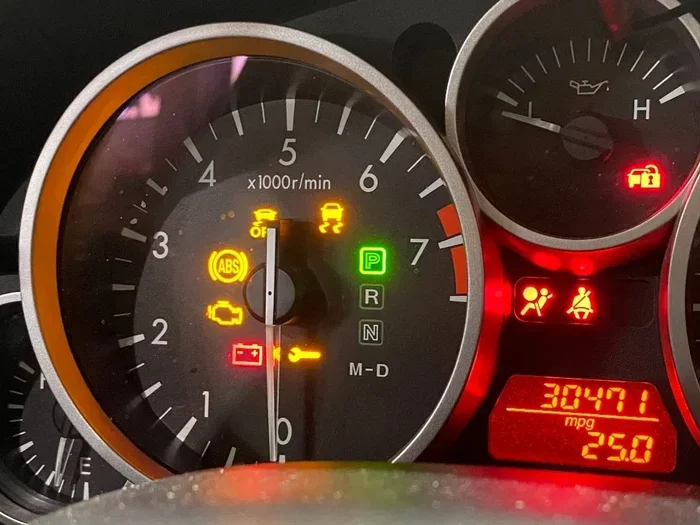
Some hybrid starting problems can be fixed at home with basic tools and a little knowledge. But others require the expertise of a trained mechanic. If your hybrid car still will not start after checking the 12-volt battery and fuel system, it is time to seek professional help. Warning signs that you need a mechanic include a persistent clicking sound, a dashboard warning light that stays on, or a burning smell when you try to start the car.
Hybrid vehicles use high-voltage systems that can be dangerous to work on without proper training and equipment. Never attempt to open the hybrid battery pack or work on the high-voltage wiring yourself. Always take your car to a certified hybrid mechanic or dealership service center for complex diagnostics and repairs.
A professional mechanic can run a full diagnostic scan to check the hybrid control module, battery management system, and all sensors. They have specialized tools that can read error codes and test the high-voltage system safely. Investing in a professional diagnosis can save you time, money, and the stress of dealing with a car that will not start in the middle of a cold morning.
Final Thoughts
A hybrid car not starting in cold weather is a frustrating experience, but it is almost always fixable. The most common causes are a weak 12-volt battery, reduced cold cranking amps, thickened engine oil, fuel system issues, and cold-related hybrid battery performance drops. By understanding these causes and taking preventive steps, you can keep your hybrid running smoothly all winter long. Regular maintenance, smart parking choices, and using the right fluids go a long way toward preventing cold-weather starting problems. Stay proactive, stay warm, and your hybrid will be ready to go no matter how low the temperature drops.
Frequently Asked Questions
Why does my hybrid car not start in cold weather?
The most common reason is a weak or dead 12-volt auxiliary battery. Cold temperatures reduce the battery’s ability to deliver the power needed to crank the engine. Other causes include thickened engine oil, reduced hybrid battery performance, frozen fuel lines, and ignition system issues.
Can a hybrid car battery freeze in cold weather?
The high-voltage hybrid battery pack is unlikely to freeze under normal conditions, but its performance drops significantly in extreme cold. The chemical reactions inside the battery slow down, reducing its ability to deliver power quickly. The 12-volt auxiliary battery is more vulnerable to cold-related failure.
How do I prevent my hybrid car from not starting in winter?
Keep your 12-volt battery healthy and tested before winter. Use the correct winter-grade engine oil, park in a garage or covered area, keep your fuel tank at least half full, and consider using a battery maintainer if the car sits unused for long periods. These simple steps make a big difference.
Is it normal for a hybrid car to take longer to start in the cold?
Yes, a slightly longer start time in cold weather is normal. The hybrid system waits for the battery and engine to reach optimal conditions before starting. If the delay is excessive or the car fails to start entirely, you should check the 12-volt battery and fuel system for problems.
What should I do if my hybrid car clicks but does not start?
A clicking sound usually means the 12-volt battery does not have enough power to engage the starter motor. Try jump-starting the car using the auxiliary jump-start terminals found in most hybrid vehicles. If the car starts with a jump, your battery needs to be recharged or replaced.
Does cold weather affect hybrid fuel efficiency?
Yes, cold weather reduces hybrid fuel efficiency. The gasoline engine runs more often to warm up the cabin and battery, and the electric motor provides less assist in cold conditions. Using pre-conditioning while the car is still plugged in can help maintain efficiency during winter months.
=== CONCLUSION ===
A hybrid car not starting in cold weather is a problem with clear causes and practical solutions. From the 12-volt battery to the fuel system, every component has a role to play in getting your car going on a cold morning. By understanding these systems and following the preventive tips in this guide, you can avoid the frustration of a no-start situation. Keep your battery strong, your oil fresh, your fuel system clean, and your hybrid battery healthy through regular maintenance. Your hybrid car is designed to handle cold weather, but it needs your help to do its best. Take action now, and you will enjoy reliable starts all winter long.