Mobile Car Tinting: Everything You Need to Know Today
Mobile car tinting brings professional window film application right to your doorstep. It saves time, boosts comfort, and protects your car’s interior from harmful UV rays. Whether you want heat reduction, privacy, or a sleek look, mobile car tinting makes it easy and convenient. This guide covers everything from costs and legal rules to choosing the right tint shade for your ride.
Have you ever sat in a hot car and wished the windows were darker? Or maybe you want more privacy while driving but do not want to deal with a full shop visit. That is where mobile car tinting comes in. It is a simple service that brings the tinting shop to you. A professional technician arrives at your home or office and applies window film to your vehicle right there in your driveway or parking lot.
Mobile car tinting has grown in popularity fast. More car owners prefer this approach because it is convenient and saves time. You do not need to rearrange your whole day. You do not need to drive across town. The technician handles everything. In this guide, we will walk you through every detail you need to know. From the benefits and costs to legal rules and film types, you will find it all here. So let us get started.
Key Takeaways
- Convenience: Mobile car tinting comes to you, so you skip the shop and save time.
- UV and Heat Protection: Quality window film blocks up to 99% of UV rays and rejects solar heat.
- Legal Rules Matter: Every state has different tint shade limits you must follow.
- Multiple Film Types: Ceramic, carbon, and dyed films each offer unique benefits.
- Cost-Effective: Prices typically range from $100 to $400 depending on your vehicle and film choice.
- Professional Installation: A skilled installer ensures bubble-free, long-lasting results every time.
- Interior Protection: Tinted windows help preserve your car’s dashboard, seats, and upholstery.
📑 Table of Contents
- What Is Mobile Car Tinting?
- Benefits of Mobile Car Tinting
- Types of Window Film for Mobile Tinting
- How to Choose the Right Tint Shade
- Cost of Mobile Car Tinting
- Legal Rules for Car Window Tinting
- Tips for Getting the Best Mobile Tinting Experience
- Common Mistakes to Avoid with Car Window Tinting
- Expert Insights on Mobile Car Tinting
- Frequently Asked Questions
- Conclusion
What Is Mobile Car Tinting?
Mobile car tinting means a professional comes to your location to apply tint film to your car windows. Instead of visiting a brick-and-mortar shop, you enjoy the service wherever you are. The technician brings all the tools, the film, and the cleaning supplies. They set up a portable workspace and get the job done on site.
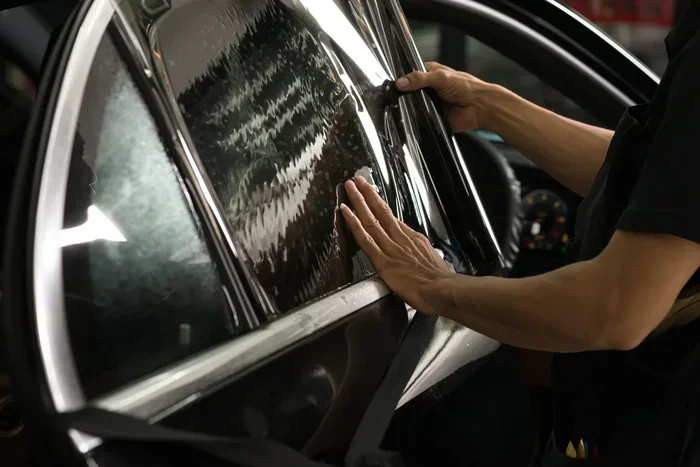
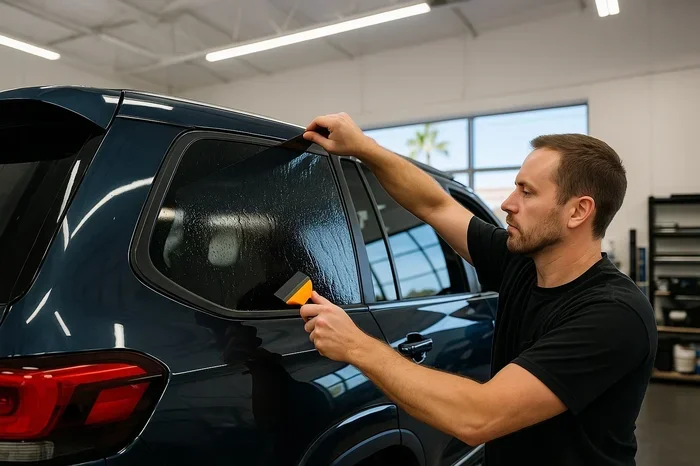
This service covers all types of vehicles. Cars, SUVs, trucks, and vans all qualify. The process is the same as what you would experience at a traditional tinting shop. The technician cleans your windows carefully. They apply the car window film using a squeegee and a heat gun. Then they trim the edges and let it cure. The whole process usually takes one to three hours.
How Does Mobile Tinting Work?
The process is straightforward. First, you book an appointment online or by phone. You choose a date and time that works for you. The technician arrives with a kit that includes the film roll, cutting tools, and cleaning solutions. They prepare the workspace by covering your car seats and dashboard to protect them from any moisture.
Next comes the cleaning phase. Every window gets a thorough wash to remove dust and debris. Clean glass is essential for a smooth finish. After that, the technician measures each window and cuts the film to size. They spray a soapy solution on the glass and the film. This allows the film to slide into position before it adheres. They use a squeegee to push out all the water and air bubbles. Finally, they use a heat gun to cure the film and ensure a tight bond.
What Makes It Different from Shop Tinting?
The main difference is convenience. Shop tinting requires you to leave your car at the location for a few hours. With mobile tinting service, you stay in control of your time. You do not need to arrange a rental car or find alternative transportation. The technician works around your schedule. This is a big advantage for busy professionals and parents alike.
Another benefit is the personal touch. You can watch the entire process. You can ask questions and learn about the film options. The technician can explain the benefits of each film type in real time. This hands-on experience builds trust and confidence in the final result.
Benefits of Mobile Car Tinting
There are many reasons to consider mobile car tinting. Let us explore the top benefits that make this service so appealing.
UV Protection for You and Your Car
One of the biggest benefits of auto tint is UV protection. Harmful ultraviolet rays can cause skin damage and premature aging. They also fade your car’s interior. Dashboards, seats, and steering wheels can crack and discolor over time. Quality window film blocks up to 99 percent of UV rays. This keeps you safer and your car looking newer for longer.
Heat Rejection and Comfort
Solar heat can make your car unbearable on a sunny day. Heat reduction window film significantly lowers the temperature inside your vehicle. You spend less time blasting the air conditioning. This can even improve your fuel economy over time. A good ceramic or carbon tint can reject up to 70 percent of solar heat. That means a cooler, more comfortable ride every time you step inside.
Glare Reduction for Safer Driving
Glare from the sun or headlights can be dangerous. It strains your eyes and reduces visibility. Glare reduction is one of the most practical benefits of tinting. The film softens harsh light and makes driving more comfortable, especially during sunrise and sunset. You stay more alert and focused on the road.
Privacy and Security
Tinted windows give you more privacy. People cannot easily see inside your car. This is helpful if you carry valuables or travel with family. It also adds a layer of security. In the event of a break-in, the film holds shattered glass together. This reduces the risk of injury from flying glass shards.
Aesthetic Appeal
Let us not forget the look. A beautifully tinted car looks sleek and stylish. The right tint shade enhances your vehicle’s appearance. Whether you prefer a subtle finish or a dark, sporty look, there is a film option for you. Many car owners choose tinting as a simple way to upgrade their ride’s visual appeal.
Types of Window Film for Mobile Tinting
Not all tint films are the same. Different materials offer different benefits. Here is a closer look at the most popular options available for mobile car tinting.
Ceramic Tint Film
Ceramic film is the premium choice. It offers the best heat rejection and UV protection without interfering with electronic signals. You will not experience signal loss on your phone or GPS. Ceramic tint is also very durable and resists fading. It costs more than other options, but the performance is unmatched. If you want top-tier quality, ceramic is the way to go.
Carbon Tint Film
Carbon film is a great middle-ground option. It provides excellent heat rejection and a matte finish that looks elegant. Carbon does not fade over time like dyed film. It also does not interfere with electronics. The price is moderate, making it a popular choice among car owners who want quality without the premium cost.
Dyed Tint Film
Dyed film is the most budget-friendly option. It uses layers of dye to absorb heat and block light. The downside is that it can fade over time. It may also interfere slightly with electronic signals. However, for those on a tight budget, dyed tint still offers decent heat reduction and privacy at a lower price point.
Metalized Tint Film
Metalized film contains tiny metallic particles that reflect heat and add strength to the glass. It is durable and offers good heat rejection. The drawback is that it can block cell phone and GPS signals. It also has a shiny, reflective look that not everyone prefers. Still, it is a solid choice for those who prioritize durability.
Hybrid Tint Film
Hybrid film combines dye and metal particles. This blend offers a balance of performance and affordability. It provides good heat rejection, UV protection, and a natural-looking finish. Hybrid tint is a great option if you want the benefits of multiple film types without the high price of ceramic.
How to Choose the Right Tint Shade
Choosing the right tint shade is important. It affects both comfort and legality. Here are some factors to consider before you decide.
Understanding Tint Percentage
Tint percentage refers to how much light the film allows through. A five percent tint is very dark and allows only five percent of light in. A fifty percent tint is lighter and lets in half the light. Most people choose between five and thirty-five percent for a balance of style and function.
Front side windows usually need a lighter shade in most states. Rear windows and the rear windshield can often be tinted darker. Your installer can guide you on what works best for your vehicle and your goals.
Matching Tint to Your Needs
Think about what you want from your tint. Do you need maximum heat rejection? Go for a darker shade with ceramic or carbon film. Do you mainly want UV protection and a subtle look? A lighter shade might be perfect. Consider your climate, your driving habits, and your personal style when making your choice.
Matching Tint to Your Vehicle Type
Different vehicles have different window sizes and shapes. A sedan, an SUV, and a truck all require slightly different approaches. Larger windows like the rear windshield may need more film material. A professional installer will account for these differences. They ensure the film fits perfectly and looks great on every window.
Cost of Mobile Car Tinting
The cost of mobile car tinting varies based on several factors. Understanding the pricing helps you set a realistic budget. Most mobile tinting jobs range from $100 to $400 for a standard car. Larger vehicles like SUVs and trucks may cost more. Here is a general breakdown.
Factors That Affect the Price
Several things influence the final cost. The type of film you choose is the biggest factor. Ceramic film costs more than dyed film. The number of windows you want tinted also matters. Full tint jobs cost more than partial ones. Your location and the installer’s experience play a role too.
The complexity of your vehicle’s window shapes also affects pricing. Curved or unusually shaped windows require more skill and time. Some vehicles have built-in sensors or cameras near the windows that require careful cutting. All of these factors add to the overall cost.
Is Mobile Tinting Worth the Price?
Absolutely. When you factor in the convenience, the quality of service, and the long-term benefits, mobile car tinting is a smart investment. You save time and avoid the hassle of driving to a shop. The professional results are comparable to any traditional tinting service. Plus, the protection it offers to your car’s interior and your health adds real value.
Legal Rules for Car Window Tinting
Every state and country has rules about how dark your tint can be. These laws exist for safety reasons. Law enforcement needs to see through your windows during traffic stops. Before you get your windows tinted, you should learn the rules in your area.
Understanding Legal Tint Limits
Most states set a Visible Light Transmission (VLT) limit for each window. VLT measures how much light passes through the glass and film. For example, a state may require the front side windows to have a VLT of at least 70 percent. The rear windows may allow a VLT of 50 percent or lower. The rear windshield often has its own rules too.
Some states allow medical exemptions for darker tint. If you have a skin condition or other health concern, you may qualify for a special permit. Check with your local Department of Motor Vehicles or a tinting professional to learn the rules that apply to you.
Penalties for Illegal Tint
Driving with tint that is too dark can result in fines. In some states, you may be required to remove the tint. Repeat violations can lead to higher fines and even points on your license. To avoid these issues, always work with a knowledgeable installer who understands local regulations.
Tips for Getting the Best Mobile Tinting Experience
To get the most out of your mobile car tinting experience, follow these practical tips. They will help you avoid common pitfalls and ensure a smooth process.
Choose a Reputable Installer
Not all mobile tinting services are the same. Look for an installer with strong reviews and plenty of experience. Ask friends, family, or online communities for recommendations. A skilled professional uses quality film and proper techniques. This ensures your tint lasts for years without bubbling or peeling.
Ask About Film Warranties
Good tint films come with warranties. These warranties cover fading, bubbling, and peeling. Ask your installer about the warranty before you commit. A lifetime warranty is ideal. It gives you peace of mind and protects your investment.
Prepare Your Vehicle Before the Appointment
Help your technician by preparing your car ahead of time. Park in a shaded area with easy access to your vehicle. Make sure all windows are clean. Remove any personal items from the dashboard and seats. This allows the technician to work efficiently and focus on delivering a perfect finish.
Wait Before Rolling Down Windows
After installation, give the film time to cure. Most installers recommend keeping your windows rolled up for at least three to five days. This allows the adhesive to fully set. Rolling windows down too early can cause wrinkles or peeling. Patience in this step pays off with a flawless, long-lasting result.
Maintain Your Tint Properly
Proper care extends the life of your tint. Avoid harsh chemical cleaners on your windows. Use a soft microfiber cloth and a gentle, ammonia-free cleaner. Regular cleaning keeps the film looking clear and vibrant for years to come.
Common Mistakes to Avoid with Car Window Tinting
Even with the best intentions, mistakes can happen. Here are some common errors to avoid when getting your windows tinted.
- Choosing the cheapest option: Low-quality film fades quickly and may bubble within months. Invest in a reputable film brand for better durability.
- Ignoring legal limits: Tinting your windows too dark can lead to fines and the hassle of removal. Always check your local regulations first.
- Skipping the warranty: A warranty protects you against defects. Never skip this step, no matter how confident you feel.
- Rolling windows down too soon: This is one of the most common mistakes. Wait at least three to five days before lowering your windows.
- Not preparing the vehicle: A dirty or cluttered workspace slows the process and can affect the quality of the application.
- Choosing the wrong film type: Each film has different strengths. Choosing based on price alone without considering your needs can lead to disappointment.
Expert Insights on Mobile Car Tinting
We spoke with several professional installers to get their top tips for mobile car tinting. Here is what the experts had to say.
Choose ceramic for the best performance. One seasoned installer shared, “If budget allows, go with ceramic. It offers the best heat rejection and does not interfere with your electronics. Customers who choose ceramic almost always report higher satisfaction.”
Do not skip the prep work. Another expert emphasized, “Clean windows are the foundation of a perfect tint job. Even a small speck of dust can create a visible bump under the film. We always take extra time to make sure every surface is spotless.”
Know your local laws. A third installer added, “I always remind customers to research their state’s tint laws. It saves everyone time and frustration. We can help you choose a shade that looks great and stays within the legal limits.”
Frequently Asked Questions
How long does mobile car tinting take?
Most mobile tinting jobs take one to three hours. The exact time depends on the number of windows and the type of film used. A standard sedan usually takes about one to two hours. Larger vehicles like SUVs and trucks may take a bit longer. Your installer will give you a time estimate when you book the appointment.
How long does car tint take to dry?
The film is usually dry to the touch within a few hours. However, full curing takes about three to five days. During this time, you may notice some slight haziness or water bubbles. This is completely normal. The film will clear up as it fully cures. Keep your windows rolled up during this period for the best results.
Can I wash my car after tinting?
Wait at least three to five days before washing your car. Avoid using high-pressure washers on the tinted windows. When you do wash, use a soft cloth and a gentle, ammonia-free cleaner. Harsh chemicals can damage the film and reduce its lifespan. Treat your tinted windows gently for the best long-term results.
Does mobile car tinting cost more than shop tinting?
Not necessarily. Mobile tinting prices are often comparable to shop pricing. You may even save money because you do not need to arrange alternative transportation. The convenience factor adds real value. Compare quotes from different mobile installers to find the best deal for your budget.
Is mobile car tinting legal everywhere?
The tinting itself is legal in most places. What matters is the shade and darkness of the film. Each state has specific VLT limits for different windows. Always check your local regulations before tinting. A professional installer will know the rules and help you choose a compliant film.
Can I tint my car windows myself?
You can, but it is not recommended. DIY tint kits are available, but they often lead to bubbles, wrinkles, and uneven application. Professional installers have the experience and tools to do the job right the first time. For the best results and long-term durability, trust a skilled professional.
Conclusion
Mobile car tinting is one of the best upgrades you can make to your vehicle. It offers real benefits that you will notice every time you get behind the wheel. From UV protection and heat rejection to glare reduction and added privacy, the advantages are clear and compelling. The convenience of having the service come to you makes it even more appealing.
By choosing the right window film and a reputable installer, you can enjoy a cooler, safer, and more comfortable ride for years to come. Take the time to understand your options, check the legal rules in your area, and invest in quality. Your car and your well-being will thank you. Start exploring mobile car tinting options today and experience the difference for yourself.