Are Wiper Rubbers Universal The Definitive Guide
Are wiper rubbers universal? The short answer is no. Different vehicles require specific wiper rubber sizes, attachment styles, and blade configurations to work properly. This guide breaks down everything you need to know about wiper blade compatibility, the different types of wiper rubbers available, and how to find the perfect fit for your car with confidence.
Key Takeaways
- Wiper rubbers are not universal: Every vehicle has unique size and attachment requirements that must be matched correctly.
- Size and style matter equally: Both the blade length and the attachment mechanism determine compatibility with your car.
- Multiple wiper blade types exist: Conventional, beam, winter, and hybrid options each serve different driving needs and conditions.
- Regular replacement is essential: Worn-out wiper rubbers compromise visibility and road safety, especially in adverse weather.
- DIY replacement is simple: You can replace your own wiper blades at home in just a few minutes with basic tools.
- Proper care extends lifespan: Simple habits like cleaning blades and lifting them in winter can double the life of your wiper rubbers.
📑 Table of Contents
- What Are Wiper Rubbers and Why They Matter
- Are Wiper Rubbers Universal? The Truth Explained
- How to Find the Right Wiper Rubber for Your Car
- Types of Wiper Rubbers Compared
- Common Wiper Rubber Mistakes to Avoid
- How to Replace Wiper Rubbers Yourself and Keep Them Lasting
- How to Make Your Wiper Rubbers Last Longer
- Conclusion
What Are Wiper Rubbers and Why They Matter
Your car’s wiper rubbers are small but mighty components that keep your windshield clear in rain, snow, and grime. Without them, driving becomes dangerous and uncomfortable. Most drivers take their windshield wipers for granted until they start streaking or squeaking.
The rubber blade on your wiper blades is made from a special compound designed to flex and grip the glass. Over time, exposure to sun, heat, and cold causes this rubber to degrade. When that happens, your visibility drops fast. That is why understanding wiper rubber matters for every car owner.
Regular wiper maintenance can prevent sudden failures and keep you safe on the road. Many people do not realize that the rubber squeegee is the actual part doing the work, not the metal frame. Knowing this simple fact changes how you think about wiper replacement.
Whether you drive a sedan, SUV, or truck, your wiper rubbers play a critical role in your safety. Let us dive into whether these essential parts are truly universal and what you need to know.
Are Wiper Rubbers Universal? The Truth Explained
The short answer is no — wiper rubbers are not universal. Different vehicles use different sizes, attachment styles, and blade configurations. This is why finding the right fit matters so much. When you go shopping for wiper blades, you will quickly notice that options vary widely.
Car manufacturers design specific wiper blade sizes for each model. A wiper that fits a Honda Civic will not necessarily fit a Toyota Camry. The length, curvature, and attachment mechanism all differ. This is the main reason wiper blade compatibility varies from one vehicle to another.
Why Wiper Sizes Differ Across Vehicles
Every car has a unique windshield shape and size. Automakers tailor the wiper arms and blade length to match that specific design. Some vehicles use two different lengths — one for the driver side and one for the passenger side. Others use a single size on both sides.
The curvature of the windshield also matters. Curved windshields need blades that can conform to the glass shape. Flat windshields work better with straight blades. This is why a one-size-fits-all approach to wiper rubbers simply does not work.
The Role of Attachment Styles
Beyond size, the attachment style is another reason wiper rubbers are not universal. There are several common attachment types used across different vehicles:
- Hook slide — uses a U-shaped hook that slides onto the wiper arm
- Bayonet — snaps directly onto the arm with a push-and-click mechanism
- Pin arm — uses a small pin that fits through a hole in the blade
- Side lock — clamps onto the arm using a side-locking tab
- Quick-release — a modern system that allows tool-free replacement
Each of these styles requires a specific wiper blade design. Even if two blades are the same length, they may not fit the same car if the attachment style differs. Always check your vehicle’s requirements before purchasing new wiper rubbers.
If you are curious about other car parts and their universality, you might wonder if items like car sun visors follow the same pattern — the answer is often no, as each vehicle has its own unique specifications and regulations.
How to Find the Right Wiper Rubber for Your Car
Finding the correct wiper rubber for your vehicle is easier than most people think. A few simple steps will get you the right fit every time. Here is how to do it without any guesswork.
Step 1: Check Your Owner Manual
Your car’s owner manual is the best starting point. It lists the exact wiper blade sizes for both the driver and passenger sides. Look in the maintenance section or the index under “wipers.”
If you no longer have the physical manual, most manufacturers offer free PDFs on their websites. Simply enter your vehicle’s year, make, and model to find the specifications. This is the most reliable way to confirm your wiper blade compatibility before heading to the store.
Step 2: Measure the Existing Blades
If you prefer a hands-on approach, you can measure the current wiper blades yourself. Use a tape measure and measure from the base of the blade to the tip. Do this for both sides, as they are often different lengths.
Write down the measurements before you go shopping. This simple step saves time and prevents the frustration of buying the wrong wiper rubbers. Many drivers assume both sides are the same size, but that is rarely the case.
Step 3: Use an Online Wiper Finder Tool
Many auto parts retailers offer free online tools that help you find the right wiper blades. You simply enter your vehicle details, and the tool returns compatible options. This is one of the fastest ways to confirm wiper blade compatibility.
Popular retailers like AutoZone, O’Reilly, and RockAuto all provide these tools on their websites. They also show whether the wiper rubber includes the full blade assembly or just the rubber insert. Knowing this distinction helps you decide whether you need a full replacement or just a rubber refill.
Types of Wiper Rubbers Compared
Not all wiper blades are created equal. Different types serve different needs and driving conditions. Understanding the options helps you make the best choice for your vehicle and budget.
| Type | Best For | Durability | Price Range | Compatibility |
|---|---|---|---|---|
| Conventional | Budget-friendly replacement | 6-12 months | $5-$15 per pair | Most older vehicles |
| Beam Blade | Modern cars, aerodynamics | 12-24 months | $15-$35 per pair | Most newer vehicles |
| Winter/Snow | Cold climates, heavy snow | 6-12 months | $10-$25 per pair | Select models |
| Hybrid | All-weather performance | 12-18 months | $12-$28 per pair | Wide range |
Conventional Wiper Rubbers
Conventional wiper rubbers use a metal frame with multiple pressure points. The rubber squeegee attaches to this frame and wipes across the windshield. They are the most traditional type and still widely used today.
These blades work well for older vehicles and are easy to replace. However, the exposed frame can collect ice and debris, which reduces performance in winter conditions. They also tend to wear out faster than newer designs because the multiple pressure points create uneven wear on the rubber squeegee.
Beam Blade Wiper Rubbers
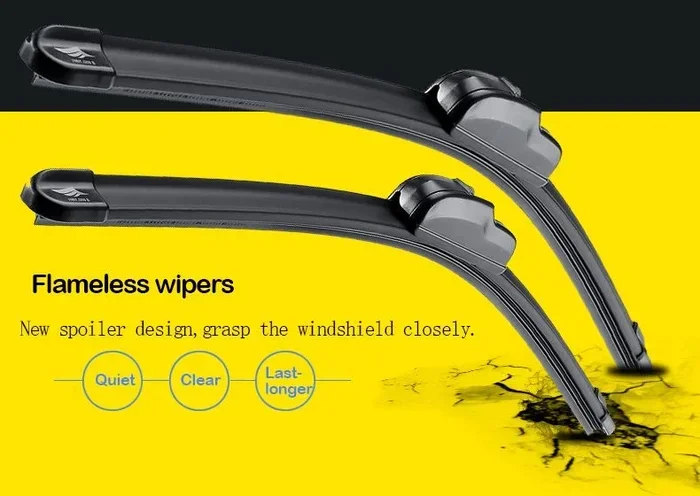
Beam blade wipers have become the standard for modern vehicles. They use a single piece of stamped steel or plastic with no exposed frame. This design conforms better to the windshield and provides even pressure across the entire blade length.
Because there is no frame to collect ice, beam blades perform better in winter. They also look sleeker and improve aerodynamics. Many new cars come standard with beam blade wipers from the factory. If your car was made after 2010, there is a good chance it uses this type of wiper blade.
Winter Wiper Rubbers
Winter-specific wiper rubbers are designed for extreme cold and heavy snowfall. They feature a protective boot or cover that prevents ice from building up on the blade. The rubber compound is also formulated to stay flexible in freezing temperatures.
If you live in a climate where temperatures regularly drop below freezing, winter wiper blades are a smart investment. They make a noticeable difference in clearing your windshield during snowstorms and prevent the rubber from cracking in extreme cold.
For those who frequently take long trips in challenging conditions, proper visibility equipment is essential — especially if you drive a vehicle designed for long journeys, such as when you are considering a hybrid car for long distance driving, having reliable wipers becomes even more critical for safety and confidence on the road.
Hybrid Wiper Rubbers
Hybrid wiper blades combine elements of both conventional and beam designs. They offer a frame for structural support but use a streamlined cover for better aerodynamics. This gives you the durability of a frame blade with the performance of a beam blade.
Hybrid options are versatile and work well in mixed weather conditions. They are a great middle-ground choice for drivers who want all-season reliability without overspending. The enclosed frame also protects the rubber squeegee from debris and corrosion.
Common Wiper Rubber Mistakes to Avoid
Even experienced car owners make mistakes when it comes to wiper rubbers. Avoiding these common errors saves money and keeps your windshield clear in all conditions.
Buying the Wrong Size
The most common mistake is purchasing wiper blades without checking the size first. A blade that is too long will overlap and chatter. One that is too short will leave gaps on your windshield. Always double-check the wiper rubber sizes before you buy. A few minutes of measuring can save you from a frustrating return trip.
Ignoring the Attachment Type
Size is only half the equation. The attachment style must also match. Buying a blade that is the right length but the wrong connector means you cannot install it. Always confirm both the size and the attachment type for your specific vehicle before making a purchase.
Waiting Too Long to Replace
Many drivers wait until their wiper rubbers are completely worn out before replacing them. By that point, you may have already experienced poor visibility in dangerous driving conditions. As a rule of thumb, replace your wiper blades every six to twelve months, or sooner if you notice streaking or chattering.
Neglecting the Rear Wiper
If your vehicle has a rear wiper, do not forget about it. Rear wipers are just as important for visibility, especially on SUVs and hatchbacks. The wiper rubber on the rear blade wears out just as quickly as the front ones. Include it in your regular wiper maintenance routine.
Using Wipers on a Dry Windshield
Running your windshield wipers on a dry glass causes unnecessary friction and accelerates rubber wear. Always use washer fluid or wet the glass first. This simple habit extends the life of your wiper rubbers significantly and prevents premature rubber degradation.
For more visibility tips while driving, you might also want to review best practices around lighting. Understanding when to use your lights, such as in low-visibility conditions, complements proper wiper care for overall safety on the road.
How to Replace Wiper Rubbers Yourself and Keep Them Lasting
Replacing wiper rubbers is one of the easiest DIY car maintenance tasks you can do. With the right tools and a few minutes, you can have fresh blades on both sides. Here is how to do it step by step.
What You Need
- New wiper blades (correct size and attachment type)
- A clean cloth or microfiber towel
- Windshield washer fluid
- Gloves (optional, but recommended)
Step-by-Step Replacement Process
- Lift the wiper arm away from the windshield. Be gentle — the arm is spring-loaded and can snap back and crack the glass.
- Locate the release mechanism on the old blade. This is usually a small tab or button where the blade connects to the arm.
- Press or slide the release mechanism while gently pulling the old blade downward. It should slide off the arm with minimal effort.
- Take the new wiper blade and align it with the arm. Slide it into place until you hear or feel it click securely.
- Gently lower the arm back onto the windshield. Do not let it snap into place.
- Repeat the process for the second blade on the other side.
- Spray windshield washer fluid on the glass and test the new wiper rubbers to make sure they clear properly and evenly.
Quick Tips for a Smooth Installation
- Never let the wiper arm snap back onto the glass — it can cause chips or cracks that require expensive repair.
- Clean the windshield with a cloth before installing new blades to remove any grit or debris that could damage the new rubber.
- Apply a thin layer of washer fluid to the new rubber before first use to help it glide smoothly across the glass.
- If you are replacing OEM wiper blades, keep the old ones as spares — they can be handy in emergencies or for secondary vehicles.
- Mark the replacement date on the blade packaging and tape it to your glove box for easy tracking.
For general guidance on car part installation and care, maintaining proper accessories like wiper rubbers and understanding their fit is key — similar to how you would approach any other component, even something as simple as checking if car seats are easy to take out requires knowing the right method for your specific vehicle model.
How to Make Your Wiper Rubbers Last Longer
Proper care can significantly extend the life of your wiper rubbers. A few simple habits keep them performing at their best for months and save you money in the long run.
Clean Your Wipers Regularly
Dirt, pollen, and road grime build up on the rubber edge of your wiper blades over time. Wipe them down with a damp cloth every time you wash your car. This removes debris that causes premature wear, streaking, and uneven rubber degradation. A clean blade wipes more effectively and lasts longer.
Lift Wipers in Winter
During cold weather, lift the wiper arms away from the windshield overnight. This prevents the rubber from freezing to the glass and reduces the risk of the blades tearing when you start them in the morning. It is a small habit that makes a big difference in preserving your wiper rubbers during harsh winters.
Use Washer Fluid, Not Water
Plain water does not have the cleaning agents needed to keep your windshield wipers performing well. Washer fluid also contains antifreeze properties that prevent freezing in cold weather. Always keep your reservoir topped up, especially before long trips or seasonal changes.
Avoid Scraping Ice with Wipers
Never use your wiper rubbers to scrape ice off the windshield. The rubber is not designed for that kind of stress and will tear or deform quickly. Use an ice scraper instead. This one habit alone can double the lifespan of your wiper blades and keep them performing like new.
Store Spare Blades Properly
If you keep spare wiper blades in your trunk, store them in a cool, dry place. Extreme heat and direct sunlight degrade the rubber compound even while the blades are unused. A glove box or sealed storage bag is ideal for preserving the quality of your aftermarket wiper blades until you need them.
Conclusion
So, are wiper rubbers universal? The answer is clear — they are not. Every vehicle has specific wiper blade sizes, attachment styles, and compatibility requirements. Finding the right wiper rubber means knowing your car’s exact specifications and choosing a blade that matches those needs precisely.
The good news is that replacing wiper rubbers is simple, affordable, and one of the most impactful things you can do for driving safety. Whether you choose OEM wiper blades or high-quality aftermarket wiper blades, the key is to get the right fit and replace them regularly. Do not wait until your visibility is compromised to take action.
Take the time to measure your current blades, check the attachment style, and invest in quality wiper blades that suit your driving conditions. Your windshield — and your safety — will thank you. With the right wiper rubbers and a little regular care, you will enjoy clear visibility in any weather, rain or shine. Make wiper maintenance a part of your routine car care, and you will never have to worry about impaired visibility again.
Frequently Asked Questions
Can I use any wiper blade on any car?
No, wiper rubbers are not universal. Each vehicle requires specific blade sizes and attachment styles. Always check your owner manual or use an online wiper finder tool to confirm compatibility before purchasing new wiper blades.
How often should I replace my wiper rubbers?
Most experts recommend replacing your wiper rubbers every six to twelve months. If you notice streaking, chattering, or visible cracks on the rubber, it is time for a replacement. Regular inspection helps you catch wear early.
What is the difference between beam and conventional wiper rubbers?
Conventional wiper rubbers use a metal frame with multiple pressure points, while beam blades use a single-piece design with no exposed frame. Beam blades offer better aerodynamics, more even pressure, and improved performance in winter conditions compared to conventional designs.
Are winter wiper rubbers worth the investment?
Yes, if you live in a climate with freezing temperatures and heavy snowfall, winter wiper blades are worth every penny. They feature protective boots that prevent ice buildup and rubber compounds that stay flexible in extreme cold, keeping your visibility clear.
Can I replace wiper rubbers myself?
Absolutely. Replacing wiper rubbers is one of the easiest DIY car maintenance tasks. You simply lift the wiper arm, press the release mechanism, slide off the old blade, and click the new one into place. The entire process takes just a few minutes.
Why do my wiper rubbers streak even when they are new?
Streaking on new wiper rubbers is often caused by a dirty windshield or a dirty rubber edge. Dirt and oil buildup prevent the blade from making proper contact with the glass. Clean both the windshield and the blade edge with a damp cloth to resolve streaking issues.