Can I Just Add Oil to My Car and Still Drive Safely
Yes, you can add oil to your car and drive safely — but only if you do it correctly. Adding oil to your car is a simple maintenance task that keeps your engine running smoothly, but you must use the right oil type and check your levels first. This guide covers everything you need to know about topping up engine oil without any risks.
Ever popped open your hood and found that your car is low on oil? It happens to the best of us. Maybe you forgot to check last week, or your car has been burning through oil faster than usual. The first thought that crosses most people’s minds is simple: can I just add oil to my car and keep driving?
The short answer is yes. Adding oil to your car is perfectly safe and actually a smart move if your levels are low. But there is a right way and a wrong way to do it. Get it wrong, and you could cause serious damage to your engine. Get it right, and you keep your car running strong for miles to come.
In this guide, we will walk you through everything you need to know about topping up your engine oil. From choosing the right oil type to understanding when a quick top-up is not enough, we have you covered. Let us dive in.
Key Takeaways
- You can add oil while the engine is cool or warm: Always wait a few minutes after driving to get an accurate reading.
- Use the correct oil type: Check your owner’s manual for the right viscosity and whether you need synthetic or conventional oil.
- Never overfill: Too much oil can damage your engine just as badly as too little oil.
- Check for leaks: If your oil level drops quickly, you may have a leak or burning issue that needs attention.
- Regular oil changes matter more than just topping up: Adding oil is a temporary fix, not a replacement for a full oil change.
- Know the warning signs: Low oil pressure, engine noise, and dashboard lights tell you when action is needed fast.
📑 Table of Contents
- What Happens When Your Car Runs Low on Oil
- Can You Just Add Oil to Your Car?
- How to Check Your Oil Level Correctly
- Common Mistakes When Adding Oil
- When Adding Oil Is Not Enough
- How Often Should You Add or Change Your Oil?
- Quick Tips for Safe Oil Adding
- Expert Insights: Why Oil Maintenance Matters
- Final Thoughts on Adding Oil to Your Car
What Happens When Your Car Runs Low on Oil
Oil is the lifeblood of your car’s engine. It lubricates every moving part, reduces friction, and keeps things cool. Without enough oil, metal parts grind against each other. This creates heat, wear, and eventually, engine failure.
Here are the most common signs that your car is running low on oil:
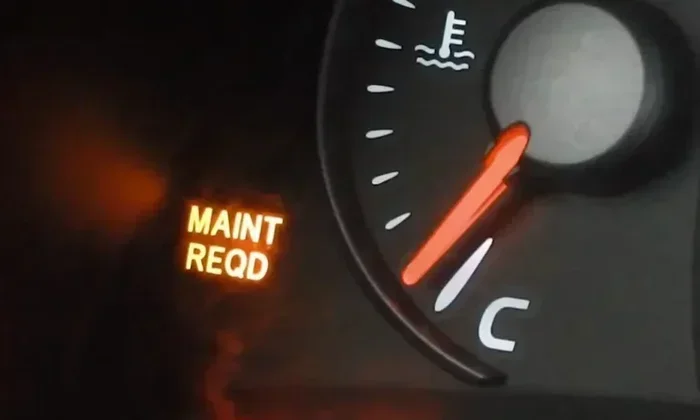
- Oil warning light on the dashboard: This is the most obvious sign. Do not ignore it.
- Engine making strange noises: Clicking, ticking, or knocking sounds often mean metal is rubbing without lubrication.
- Burning smell from the engine: Low oil causes parts to overheat, which can create a sharp, acrid smell.
- Reduced fuel efficiency: A poorly lubricated engine works harder and uses more fuel.
- Smoke from the exhaust: This can happen when oil leaks into the combustion chamber.
If you notice any of these signs, pull over safely and check your oil level. Driving with critically low oil can lead to a seized engine, which means a very expensive repair bill. If you have ever wondered whether you can still drive on fumes, check out our article on Can I Drive 10 Miles on Empty for more driving safety tips.
Can You Just Add Oil to Your Car?
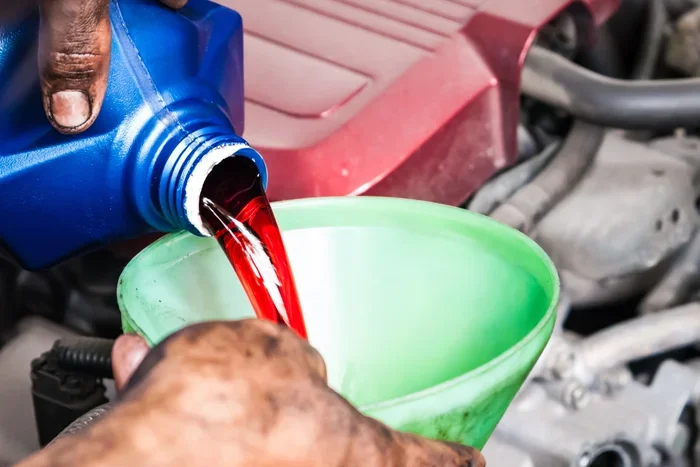
Yes, you absolutely can. Adding oil to your car is one of the simplest and most common maintenance tasks. You do not need a mechanic, a full oil change kit, or a garage. All you need is the right oil and a few minutes of your time.
Here is the process in simple steps:
- Park your car on level ground. This ensures an accurate oil reading.
- Turn off the engine and wait 3 to 5 minutes. This lets the oil settle back into the oil pan.
- Open the hood and locate the oil dipstick. It usually has a brightly colored handle.
- Pull out the dipstick, wipe it clean, and reinsert it. Then pull it out again to check the level.
- Look at the markings on the dipstick. The oil should fall between the minimum and maximum marks.
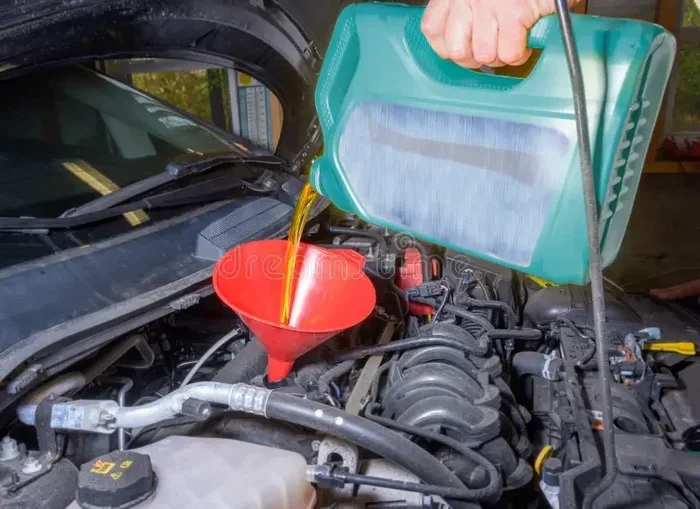
- Remove the oil filler cap on top of the engine. It usually has an oil can symbol on it.
- Add a small amount of oil. Pour slowly and check the level often to avoid overfilling.
- Replace the filler cap and dipstick. Start the engine and let it run for a minute.
- Turn off the engine and recheck the oil level. Make sure it is between the marks.
That is it. You just added oil to your car. But wait — there is more to consider before you hop back on the road.
Choosing the Right Oil for Your Car
Not all engine oil is the same. Using the wrong oil can harm your engine over time. Here are the main types you will encounter:
- Conventional oil: This is the basic, affordable option. It works well for older cars with simpler engines.
- Synthetic oil: This is a high-performance option that lasts longer and handles extreme temperatures better. It costs more but offers superior protection.
- Synthetic blend: A mix of conventional and synthetic. It offers a balance of performance and cost.
- High-mileage oil: Designed for cars with over 75,000 miles. It contains additives that help seal leaks and reduce wear.
Always check your owner’s manual for the recommended oil viscosity — this is the number like 5W-30 or 10W-40 you see on the bottle. The first number (5W, 10W) tells you how the oil flows in cold weather. The second number (30, 40) tells you how it performs at engine operating temperature. Using the wrong viscosity can reduce engine protection and fuel efficiency.
How to Check Your Oil Level Correctly
Checking your oil is the first step before you add any. Many people skip this and end up overfilling, which causes its own set of problems. Here is how to do it the right way.
First, make sure your car is parked on a flat surface. The engine should be off and slightly warm — not scorching hot. Waiting 3 to 5 minutes after driving gives the oil time to drain back into the pan so you get an accurate reading.
Pop the hood, find the dipstick, and pull it out. Wipe it with a clean rag or paper towel. Slide it back in all the way, wait a second, and pull it out again. Look at both sides of the dipstick. You will see two marks — minimum and maximum. The oil streak should fall between these two lines.
If the oil is below the minimum mark, you need to add some. If it is above the maximum mark, do not add more. Too much oil can cause foaming, which reduces lubrication and can damage your engine.
While you are under the hood, it is also a good idea to look at the color and condition of the oil. Fresh oil is amber and translucent. Dark brown or black oil means it is time for an oil change. Milky or frothy oil could indicate a coolant leak, which is a serious problem that needs immediate attention.
Common Mistakes When Adding Oil
Even a simple task like adding oil can go wrong. Here are the most common mistakes car owners make:
Overfilling the Oil
This is the number one mistake. People think “more is better,” but that is not true with oil. When you overfill, the excess oil gets whipped up by the crankshaft, creating foam. Foamy oil loses its lubricating properties. In severe cases, overfilled oil can cause engine damage, oil leaks, or even hydrolock.
If you accidentally overfill, do not panic. Drain the excess oil using a suction pump or visit a mechanic. Even a small overfill of half a quart can cause problems over time.
Using the Wrong Oil Type
Every car engine is designed for a specific oil type and viscosity. Pouring in the wrong oil may not cause immediate damage, but over time, it can reduce engine performance and increase wear. Always match the oil to your car’s specifications.
Forgetting to Replace the Oil Cap
Sounds silly, but it happens all the time. Driving without the oil filler cap on lets dirt and debris enter the engine. It also causes oil to splash out while driving. Always double-check that the cap is secure after adding oil.
Ignoring Oil Leaks
If you find yourself adding oil frequently, something is wrong. You may have an oil leak, a faulty oil seal, or worn piston rings. Rather than just topping up every week, get your car inspected. Ignoring leaks can lead to low oil levels while driving, which can be dangerous.
Want to learn more about spotting car problems early? Read our guide on Can I Do My Own Car Diagnostics to understand how to identify issues before they become serious.
When Adding Oil Is Not Enough
Here is the truth: adding oil is a quick fix, not a long-term solution. There are times when you need more than just a top-up. Here are the situations where a simple oil add is not enough:
- Your oil is dark and dirty: Clean oil is amber. If yours is black and gritty, it is time for a full oil and filter change.
- You are losing oil frequently: If you need to add oil every few hundred miles, something is wrong. Possible causes include oil leaks, burning oil, or a faulty PCV valve.
- You have not changed your oil in over 5,000 miles: Even if the level looks fine, old oil loses its protective properties. Regular oil changes are essential for engine health.
- Your car has over 100,000 miles: Older engines often burn oil and may need more frequent top-ups or even engine rebuilds.
- You hear persistent engine noise: Adding oil may quiet things down temporarily, but if the noise continues, there could be internal damage.
In these cases, a full engine oil change is the best course of action. You will want to drain the old oil, replace the oil filter, and refill with fresh oil. Most car owners can do this themselves with basic tools, or they can visit a quick-lube shop for under $50.
How Often Should You Add or Change Your Oil?
The answer depends on your car, your driving habits, and the type of oil you use. Here is a general guide:
| Oil Type | Change Interval | Best For |
|---|---|---|
| Conventional Oil | Every 3,000 to 5,000 miles | Older vehicles and high-mileage cars |
| Synthetic Blend | Every 5,000 to 7,500 miles | Moderate driving conditions |
| Full Synthetic Oil | Every 7,500 to 10,000 miles | Newer cars and extreme driving conditions |
| High-Mileage Oil | Every 5,000 to 7,500 miles | Cars with over 75,000 miles |
These are general guidelines. Always refer to your owner’s manual for the manufacturer’s recommendation. Some modern cars with synthetic oil can go up to 15,000 miles between changes.
Also, keep in mind that driving conditions matter. If you frequently drive in stop-and-go traffic, tow heavy loads, or drive in extreme heat or cold, your oil degrades faster. In these cases, you may need to change your oil more often than the standard interval.
Quick Tips for Safe Oil Adding
Here are some expert tips to make your oil-adding experience smooth and safe:
- Warm up the engine slightly: Running the engine for 2 to 3 minutes warms the oil, making it flow more easily and giving you a more accurate reading.
- Buy quality oil: Look for oils that meet API (American Petroleum Institute) certification standards. The API donut symbol on the bottle tells you the oil meets industry standards.
- Keep a spare bottle in your trunk: Especially for long road trips, having a quart of the right oil on hand can save you from a roadside emergency.
- Dispose of old oil properly: Never pour old oil down the drain or on the ground. Take it to a recycling center or auto parts store that accepts used oil.
- Record your oil changes: Keep a log of when you add or change oil. This helps you track your car’s maintenance history and spot potential problems early.
If you are concerned about your car’s overall weight and load capacity, check out our article on Can I Put Too Much Weight in My Car for important safety guidelines.
Expert Insights: Why Oil Maintenance Matters
According to automotive experts, neglecting oil maintenance is the number one cause of preventable engine damage. A well-maintained oil system can extend your engine’s lifespan by tens of thousands of miles. On the flip side, ignoring oil changes and levels can lead to catastrophic engine failure that costs thousands of dollars to repair.
Think of oil as your engine’s personal bodyguard. It fights friction, absorbs heat, and carries away contaminants. When the oil is clean and at the right level, your engine runs like a dream. When the oil is old, dirty, or low, your engine suffers.
The good news is that checking and adding oil is incredibly easy. It takes less than 10 minutes and costs just a few dollars. Yet so many car owners skip it. Do not be one of them. A few minutes of attention today can save you from a major engine repair tomorrow.
Final Thoughts on Adding Oil to Your Car
So, can you just add oil to your car and drive safely? Absolutely. Adding oil to your car is a quick, easy, and effective way to keep your engine healthy between oil changes. Just make sure you use the right oil type, do not overfill, and check your levels regularly.
Remember that adding oil is a temporary solution. It does not replace a full oil change, and it does not fix underlying problems like leaks or excessive oil consumption. Stay on top of your car maintenance schedule, and your engine will thank you for years to come.
Safe driving starts with simple habits. Check your oil monthly, top up when needed, and never ignore warning signs. Your car will run better, last longer, and keep you safe on the road. Happy driving.
Frequently Asked Questions
Can I just add oil to my car instead of getting an oil change?
Adding oil is a temporary fix that tops up your current oil level. It does not replace the need for a full oil change. Over time, oil breaks down, collects contaminants, and loses its protective properties. You should still follow your manufacturer’s recommended oil change schedule for long-term engine health.
How do I know what type of oil to add to my car?
Check your owner’s manual for the recommended oil viscosity and type. You can also look at the oil cap under your hood, which often lists the correct oil specification. Using the wrong oil can reduce engine performance and protection, so always match the oil to your car’s requirements.
Is it safe to add oil to a hot engine?
It is safe but not ideal. Hot oil is thin and flows quickly, which can lead to overfilling. Wait 3 to 5 minutes after turning off the engine to let the oil settle. This gives you a more accurate reading and prevents adding too much oil.
What happens if I put too much oil in my car?
Overfilling causes the oil to foam, which reduces its lubricating ability. Excess oil can also push into the crankshaft and cause pressure buildup, leading to oil leaks, engine damage, or in severe cases, hydrolock. If you overfill, drain the excess oil immediately.
How often should I check my oil level?
You should check your oil level at least once a month and before any long trips. Modern cars often have electronic oil monitors, but a manual dipstick check is still the most reliable way to know your exact oil level and condition.
Can low oil cause my car to stall while driving?
Yes, critically low oil can cause your car to stall. Without proper lubrication, the engine seizes up, which shuts it down suddenly. This is dangerous, especially at high speeds. If your oil light comes on, pull over safely and check your oil level immediately.
=== CONCLUSION ===
Adding oil to your car is one of the easiest and most important things you can do for your engine. It takes just a few minutes, costs very little, and can prevent thousands of dollars in repair bills. The key is to do it right — use the correct oil type, check your levels accurately, and never overfill.
But remember, topping up is not a substitute for regular maintenance. Stay on top of your oil changes, watch for warning signs, and keep your engine running at its best. Your car will reward you with reliable performance and a long life on the road.