Can I Just Add Transmission Fluid Instead of Changing It
You can add transmission fluid to top off your reservoir, but it does not replace a full fluid change. Old fluid breaks down over time and loses its ability to lubricate, cool, and protect your transmission. Topping off may seem like a quick fix, but it leaves dirty fluid circulating through your system. A proper fluid change removes contaminants and keeps your transmission running smoothly for years to come.
Every car owner has been there. You check your transmission fluid and notice the level is low. Your first thought might be simple: Can I just add transmission fluid instead of changing it? It seems like an easy shortcut. You pour in some new fluid, the level goes up, and you drive away feeling relieved.
But here is the thing. That quick fix does not solve the real problem. Transmission fluid does more than just fill a tank. It lubricates gears, cools internal components, and keeps your transmission shifting smoothly. Over time, that fluid breaks down. It gets dirty. It loses its ability to protect your transmission. Simply topping it off leaves all that old, worn fluid inside your system.
In this article, we will walk you through exactly why adding fluid is not the same as changing it. We will cover how to tell when your fluid needs attention, what happens if you ignore it, and when a full fluid change is the right move. By the end, you will know exactly what your transmission needs and how to keep it running strong.
Key Takeaways
- Adding fluid is not the same as changing it: Topping off only refills the level; it does not remove old, contaminated fluid.
- Transmission fluid degrades over time: Heat, friction, and mileage break down the fluid, reducing its protective properties.
- Ignoring fluid changes can cause expensive damage: Dirty fluid leads to overheating, slipping gears, and eventual transmission failure.
- Check your fluid regularly: A simple dipstick check can catch low fluid levels early and prevent bigger problems.
- Follow your manufacturer’s service schedule: Most vehicles need a transmission fluid change every 30,000 to 60,000 miles.
- DIY is possible but not always recommended: A proper fluid change requires flushing the old fluid out completely, which is harder to do at home.
📑 Table of Contents
- What Transmission Fluid Does and Why It Matters
- Adding Fluid vs. Changing Fluid: What Is the Difference
- Signs Your Transmission Fluid Needs Attention
- How to Check Your Transmission Fluid Level
- When You Should Change Instead of Just Topping Off
- The Cost of Ignoring Transmission Fluid Maintenance
- Expert Tips for Keeping Your Transmission Healthy
- Conclusion
What Transmission Fluid Does and Why It Matters
Transmission fluid is the lifeblood of your vehicle’s transmission system. Without it, your gears would grind, overheat, and eventually fail. Understanding what this fluid does helps you appreciate why just adding more is not enough.
The Role of Transmission Fluid
Transmission fluid serves several critical jobs:
- Lubrication: It reduces friction between moving parts inside the transmission.
- Cooling: It absorbs heat generated by gear engagement and friction.
- Hydraulic pressure: It creates the pressure needed for smooth gear shifts.
- Corrosion protection: It coats internal surfaces to prevent rust and wear.
- Cleaning: It carries away tiny metal particles and debris from internal components.
Over time, all of these functions decline. The fluid gets darker. It loses its viscosity. It becomes contaminated with metal shavings and grime. At that point, adding fresh fluid on top of the old fluid only dilutes the problem slightly. It does not restore the fluid’s full protective capabilities.
Types of Transmission Fluid
Not all transmission fluid is the same. Your vehicle likely uses one of the following types:
- Automatic Transmission Fluid (ATF): Used in automatic transmissions. Common types include Dexron, Mercon, and ATF+4.
- Manual Transmission Fluid: Often a thicker gear oil used in manual transmissions.
- Continuously Variable Transmission Fluid (CVT): A specialized fluid for CVT transmissions found in many modern vehicles.
Using the wrong type of fluid can cause serious damage. Always check your owner’s manual to confirm the correct transmission fluid type for your vehicle.
Adding Fluid vs. Changing Fluid: What Is the Difference
This is the most important part of the whole discussion. Many people confuse topping off with a full change. They are two very different procedures with very different results.
What Happens When You Just Add Fluid
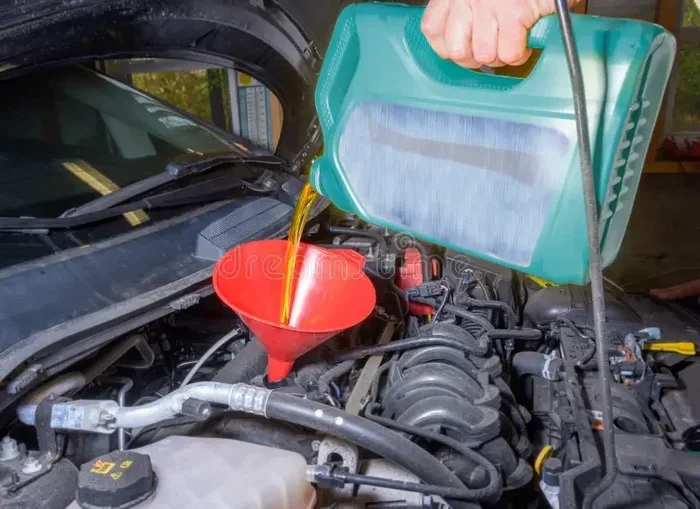
When you add transmission fluid, you are simply raising the level in the reservoir. The new fluid mixes with the old fluid already inside the transmission. Here is what that means:
- The old fluid stays in the system.
- Contaminants remain suspended in the mixture.
- The protective additives in the old fluid are depleted.
- You get a partial improvement in fluid level, but not in fluid quality.
Think of it like changing the oil in your engine but leaving the old oil filter in place. You have added fresh oil, but the system is still running on a mix of clean and dirty fluid.
What Happens During a Full Fluid Change
A proper transmission fluid change removes the old fluid completely and replaces it with fresh fluid. This process:
- Flushes out all contaminants and metal particles.
- Restores the full protective properties of clean fluid.
- Replenishes additives that prevent wear and oxidation.
- Improves shifting performance and extends transmission life.
A full change often requires a transmission flush machine or a complete drain and refill. It is more involved than simply pouring fluid into a reservoir, but the results are far superior.
| Aspect | Adding Fluid | Changing Fluid |
|---|---|---|
| Removes old fluid? | No | Yes |
| Removes contaminants? | No | Yes |
| Restores additive package? | No | Yes |
| Improves shifting? | Slightly | Significantly |
| Cost | Low | Moderate to high |
| DIY friendly? | Yes | Often requires a shop |
| Long-term protection? | Minimal | Full |
As you can see from the table above, a full fluid change offers far more benefits. If you want to protect your transmission in the long run, a complete change is the way to go.
Signs Your Transmission Fluid Needs Attention
How do you know when your transmission fluid is telling you something is wrong? Your vehicle gives you several warning signs. Learning to recognize them can save you from costly repairs down the road.
Low Fluid Level Symptoms
If your transmission fluid is low, you might notice:
- Difficulty shifting gears or rough transitions between gears.
- A delay when moving from park to drive.
- Slipping gears under acceleration.
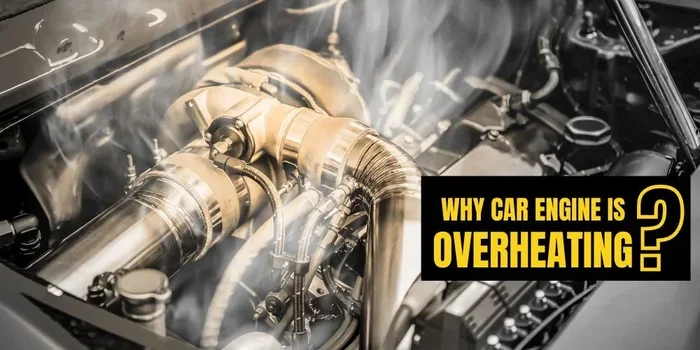
- Overheating during normal driving.
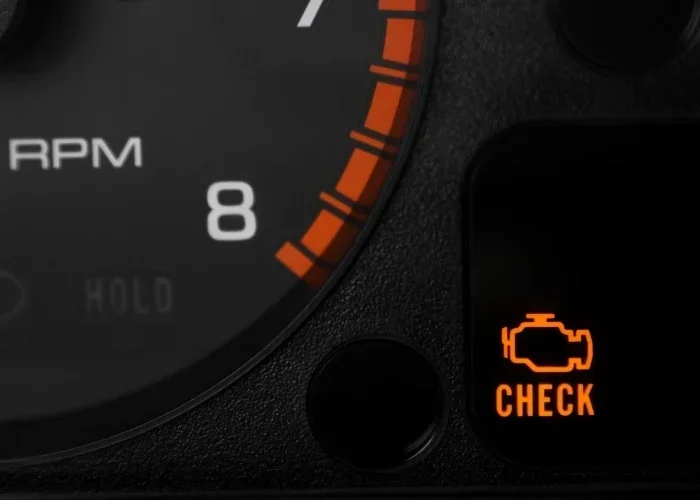
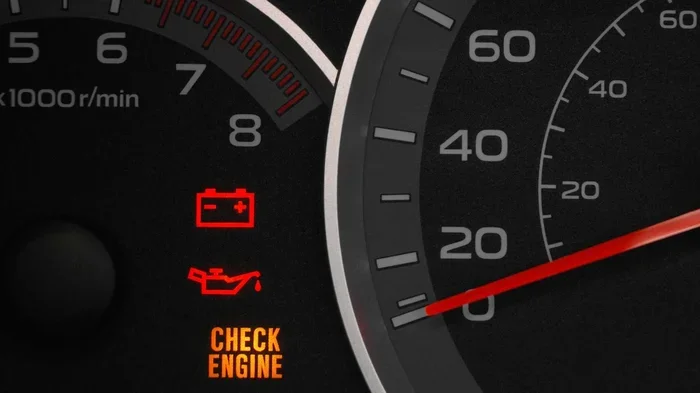
- Warning lights on your dashboard, such as the check engine light.
If you experience any of these symptoms, check your transmission fluid level right away. Low fluid is often the first sign of a leak or overdue maintenance.
Dirty or Degraded Fluid Symptoms
Even if your fluid level is fine, old fluid can still cause problems. Watch for these signs:
- Fluid that is dark brown or black instead of red or pink.
- A burnt smell coming from the transmission area.
- Gritty or metallic particles on the dipstick.
- Increased noise or vibration during gear shifts.
- Reduced fuel efficiency.
If you notice any of these, a fluid change is likely overdue. Topping off will not fix the underlying issue. You need to remove the degraded fluid and replace it entirely.
When to Check Your Fluid
Make it a habit to check your transmission fluid condition regularly. A good rule of thumb is to inspect it every time you get your oil changed. This gives you a consistent baseline and helps you catch problems early.
How to Check Your Transmission Fluid Level
Checking your transmission fluid is simpler than you might think. Here is a step-by-step guide you can follow at home.
Step-by-Step Process
- Park your car on a level surface and let the engine warm up.
- Turn off the engine but leave it running.
- Locate the transmission dipstick. It is usually near the back of the engine bay.
- Pull the dipstick out, wipe it clean with a rag, and reinsert it fully.
- Pull it out again and read the level against the markings.
- Check the color and smell of the fluid on the dipstick.
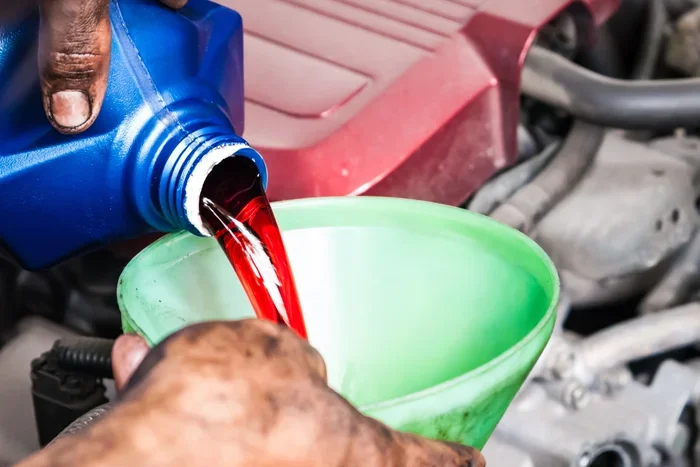
Your fluid should be red or pink and smell slightly sweet. If it is brown, dark, or smells burnt, it is time for a change. If the level is below the “full” mark, you can add fluid carefully using a funnel.
Can You Do This Yourself?
Yes, checking your fluid level is a simple DIY task. If you want to learn more about diagnosing car issues on your own, you can explore Can I Do My Own Car Diagnostics for helpful tips on troubleshooting common vehicle problems at home.
However, actually changing the fluid is a different story. A full fluid change requires draining the transmission pan, replacing the filter, and refilling with the correct amount of fresh fluid. This process is more involved and may require special tools. If you are not comfortable doing it yourself, a trusted mechanic can handle it for you.
When You Should Change Instead of Just Topping Off
Knowing when to add fluid versus when to change it is crucial for maintaining your transmission. Here are some clear guidelines to follow.
Follow Your Manufacturer’s Schedule
Every vehicle has a recommended transmission service interval listed in the owner’s manual. Common intervals include:
- Every 30,000 miles for most automatic transmissions.
- Every 60,000 miles for some newer vehicles with synthetic fluid.
- Every 100,000 miles for certain manufacturers who claim “lifetime” fluid.
Even if your manufacturer claims the fluid lasts a lifetime, it is still a good idea to have it checked and changed around the 60,000 to 80,000 mile mark. Over time, all fluid degrades, regardless of what the label says.
Consider Your Driving Conditions
Your driving habits affect how quickly your fluid breaks down. If you regularly drive in any of the following conditions, you may need to change your fluid more often:
- Heavy stop-and-go traffic in hot weather.
- Towing a trailer or carrying heavy loads.
- Driving in mountainous or hilly terrain.
- Frequent short trips where the engine does not fully warm up.
Heavy loads put extra stress on your transmission. If you frequently carry heavy cargo, you might also want to check whether your vehicle is rated for the weight you are hauling. You can read more about this in our guide on Can I Put Too Much Weight In My Car.
After a Transmission Repair or Service
If you have recently had transmission work done, a fluid change should be part of the follow-up care. Fresh fluid helps the repaired components operate smoothly and reduces the risk of future issues.
The Cost of Ignoring Transmission Fluid Maintenance
It is easy to put off a transmission fluid change. It is not as visible as an oil change, and there is no obvious symptom until things go wrong. But ignoring your fluid maintenance can lead to serious consequences.
What Happens When Fluid Breaks Down
Old, dirty fluid loses its ability to lubricate properly. This leads to increased friction between gears. The friction generates more heat. More heat degrades the fluid even faster. It is a vicious cycle that accelerates wear on every internal component.
Over time, this cycle can cause:
- Gear slipping or hesitation during shifts.
- Complete transmission failure.
- Seized internal components that require a full rebuild or replacement.
A new transmission can cost anywhere from $1,800 to $3,500 or more. A routine fluid change costs a fraction of that. The math is clear.
Warning Signs You Should Never Ignore
Do not wait until your transmission starts failing to take action. If you notice any of the following, address it immediately:
- Fluid leaks under your vehicle.
- Burning smells while driving.
- Unusual noises from the transmission area.
- Dashboard warning lights related to the transmission.
If you are ever stranded or notice a serious issue while driving, do not push the vehicle too far. Running on low or degraded fluid can cause irreversible damage. As a general rule, try not to drive more than 10 miles on empty or with serious fluid issues. For more on this topic, check out our article Can I Drive 10 Miles On Empty.
DIY vs. Professional Fluid Change
Some car owners prefer to handle maintenance themselves. If you are handy and enjoy working on your vehicle, a DIY fluid change is possible. However, it requires the right tools, the correct fluid type, and a clean workspace to avoid contaminating the new fluid.
For most people, taking the vehicle to a professional is the safer and more reliable option. A shop can perform a complete transmission flush, replace the filter, and refill the system with the correct fluid. The cost typically ranges from $150 to $300 for a standard change, which is a small price compared to a transmission rebuild.
Expert Tips for Keeping Your Transmission Healthy
Beyond regular fluid changes, there are several habits that help extend the life of your transmission:
- Check your fluid monthly: Make it part of your routine vehicle care.
- Use the correct fluid: Always match the fluid type specified in your owner’s manual.
- Address leaks immediately: Even small leaks can lead to low fluid levels and serious damage.
- Warm up your vehicle in cold weather: Give the fluid a minute to circulate before driving aggressively.
- Avoid riding the brakes: Constant braking puts extra strain on the transmission.
- Keep your vehicle well-maintained: Regular tune-ups and inspections catch small problems before they become big ones.
If you are looking to protect your car’s exterior as well as its mechanical health, consider exploring Benefits Of Auto Paint Protection Film for long-lasting paint defense against road debris and environmental damage.
Conclusion
So, can you just add transmission fluid instead of changing it? The short answer is yes, but only as a temporary measure. Topping off your fluid level is a quick fix that addresses the symptom, not the root cause. Old fluid still circulates through your transmission, carrying contaminants and losing its protective properties.
A full transmission fluid change is the only way to truly refresh your system and protect your transmission from premature wear. It removes the old, degraded fluid, flushes out contaminants, and replaces them with clean, effective fluid that does its job properly.
Make fluid maintenance a priority. Check your levels regularly. Watch for warning signs. Follow your manufacturer’s service schedule. Your transmission works hard every time you drive. Give it the care it deserves, and it will keep your vehicle running smoothly for many miles to come.
Frequently Asked Questions
Can I add transmission fluid myself at home?
Yes, adding fluid is a straightforward DIY task. Locate the transmission dipstick, remove it, and use a funnel to pour in the correct type of fluid slowly. Check the level frequently to avoid overfilling. If you are unsure about the process, consult your owner’s manual or a trusted mechanic.
How do I know if my transmission fluid is dirty?
Dirty transmission fluid is typically dark brown or black instead of the normal red or pink color. It may also have a burnt smell or contain visible grit and particles. If you notice any of these signs on your dipstick, it is time for a full fluid change rather than just a top-off.
What happens if I overfill my transmission fluid?
Overfilling can cause the fluid to foam, which reduces its ability to lubricate and cool properly. Excess fluid can also leak out through seals and gaskets. Always add fluid gradually and check the level frequently to avoid overfilling your transmission.
Is a transmission flush the same as a fluid change?
Not exactly. A transmission flush uses a machine to push out all old fluid and replace it with new fluid completely. A traditional fluid change drains the fluid from the transmission pan and replaces it, but some old fluid may remain in the torque converter and lines. A flush is generally more thorough.
How long does a transmission fluid change take?
A standard transmission fluid change typically takes about 30 to 60 minutes at a shop. A full flush may take up to 90 minutes. If you are doing it yourself at home, plan for an hour or more, including time to drain, replace the filter, and refill properly.
Can low transmission fluid cause permanent damage?
Yes, driving with low transmission fluid can cause serious and permanent damage. Without proper lubrication, the internal gears and components grind against each other, leading to overheating, wear, and eventual failure. If you notice low fluid, address it immediately to prevent costly repairs.