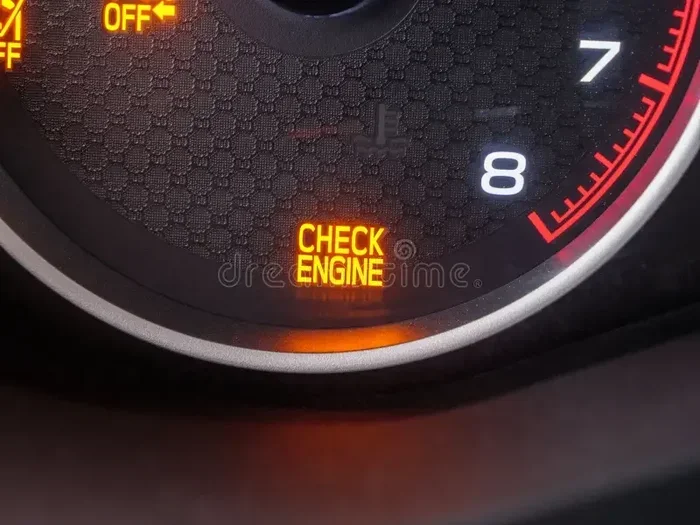
Can a Check Engine Light Turn Off on Its Own Again
Yes, a check engine light can turn off on its own, but that does not mean the problem is gone. Intermittent issues, temperature changes, or a loose gas cap can trigger and then clear the light. However, ignoring it can lead to costly repairs and failed emission tests.
You are driving down the road, minding your own business, when suddenly the dreaded yellow engine icon lights up on your dashboard. Your heart drops. You pull over, check the gas cap, and drive on. A few days later, you notice the light is gone. Just like that, it disappeared.
It sounds like a miracle, right? But here is the thing. A check engine light turning off on its own is more common than you might think. And it is also more confusing. Does the light going off mean the problem fixed itself? Or is your car quietly hiding a bigger issue? Let us break it all down.
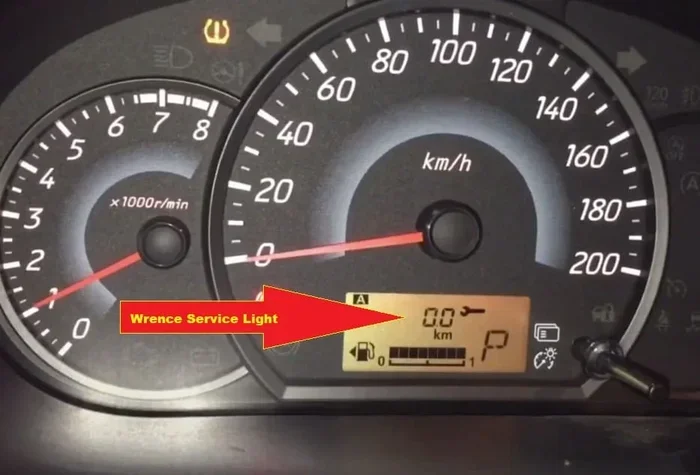
The check engine light, also known as the engine warning light, is part of your vehicle’s onboard diagnostics system. When something in the engine, fuel system, or emission control system is not working right, the car’s computer throws a diagnostic trouble code (DTC) and illuminates the light. But whether that light stays on or goes off depends on several factors. Some are harmless. Others are not.
In this article, we will cover exactly why your check engine light might turn off by itself, what the common causes are, and what you should do next. Whether you are a DIY mechanic or someone who just wants to understand their car maintenance basics, this guide has you covered.
Key Takeaways
- A check engine light can turn off by itself: Many drivers experience this and assume the problem resolved. In most cases, the underlying issue still exists.
- Loose gas caps are the #1 culprit: A simple fix that triggers and clears the light without any real damage.
- Intermittent faults are sneaky: Sensors and wiring issues can cause the light to flicker on and off unpredictably.
- Ignoring the light is risky: Even if it goes off, the fault code stays stored in your vehicle’s ECU memory.
- Use an OBD-II scanner: You can read stored codes at home and save money on diagnostics.
- Temperature and driving conditions matter: Cold weather, humidity, and rough roads can trigger the light temporarily.
- Get professional help if the light returns: Recurring warnings signal a real problem that needs attention.
📑 Table of Contents
- Can a Check Engine Light Actually Turn Off on Its Own?
- Common Reasons a Check Engine Light Comes On and Goes Off
- What Happens When the Light Goes Off but the Problem Remains?
- Should You Ignore a Check Engine Light That Went Off?
- How to Diagnose and Fix Intermittent Check Engine Light Issues
- Preventing Check Engine Light Issues in the Future
- Final Thoughts on Check Engine Lights That Go Away
Can a Check Engine Light Actually Turn Off on Its Own?
The short answer is yes. A check engine light can and does turn off on its own. But that does not always mean everything is fine. Here is what typically happens behind the scenes.
When your car’s ECU (Engine Control Unit) detects a problem, it stores a fault code. The light comes on to alert you. But here is the tricky part. Some issues are intermittent. That means they come and go depending on driving conditions, temperature, fuel quality, or even humidity levels.
For example, if the oxygen sensor sends an abnormal reading once but then returns to normal, the ECU might clear the light after a few drive cycles. A “drive cycle” means a series of specific operating conditions the engine needs to go through. Once those conditions are met and the fault does not reappear, the system may reset the light automatically.
Why the Light Goes Off Without Any Fix
There are several reasons a check engine light might turn off without any intervention from you or a mechanic.
- Loose or faulty gas cap: This is the most common reason. A loose gas cap lets fuel vapors escape, which triggers the emission system warning. Tightening it often resolves the issue within a few drive cycles.
- Intermittent electrical faults: A wiring connector that vibrates loose on bumpy roads can trigger a fault code. Once the connection is restored, the light may go off.
- Temperature swings: Cold weather can affect sensor readings temporarily. Once the engine warms up fully, readings may normalize and the light goes away.
- Fuel quality issues: Bad fuel or water contamination in the tank can cause temporary misfires. Once you fill up with clean fuel, the problem may clear.
- Sensor reset: Some sensors self-correct after a period of normal operation. The ECU recognizes the correction and turns off the warning.
But here is the important takeaway. Just because the light is off does not mean the fault code is erased. Most vehicles store codes in memory even after the light goes out. You can still read them with an OBD-II scanner. This is why doing your own car diagnostics at home can save you a lot of time and money.
Common Reasons a Check Engine Light Comes On and Goes Off
Understanding why the light triggers in the first place helps you figure out why it might go away. Here are the most common causes of an intermittent check engine light.
Loose or Damaged Gas Cap
You would be surprised how often a loose gas cap is the culprit. The fuel system relies on a sealed tank to maintain proper pressure. When the cap does not seal correctly, fuel vapors leak out. This triggers the emission control system warning. Tightening the cap or replacing it costs almost nothing and often solves the problem entirely.
Faulty Oxygen Sensor
The oxygen sensor measures how much oxygen is in your exhaust. It helps the ECU adjust the fuel mixture. When this sensor starts to fail, it can send inconsistent readings. One moment the reading is off, and the light comes on. The next moment it corrects, and the light goes off. A failing oxygen sensor can reduce fuel economy and damage the catalytic converter over time if left unchecked.
Worn Spark Plugs or Ignition Coils
Spark plugs ignite the fuel-air mixture in your engine cylinders. When they wear out, you may experience misfires. These misfires can be intermittent, especially under heavy load or at certain RPMs. A check engine light will often come on during a misfire event and then go off when the engine stabilizes.
Mass Airflow Sensor Issues
The mass airflow sensor (MAF) tells the ECU how much air is entering the engine. If this sensor gets dirty or starts to fail, it can send incorrect data. Dirty air filters, oil contamination, or aftermarket air intakes can all cause MAF sensor problems. The light may flicker on and off depending on driving conditions.
Catalytic Converter Problems
The catalytic converter reduces harmful emissions from your exhaust. When it starts to fail, it triggers fault codes related to emission system efficiency. These problems can sometimes cause intermittent light behavior, especially during short trips when the converter does not fully heat up.
Low Battery Voltage
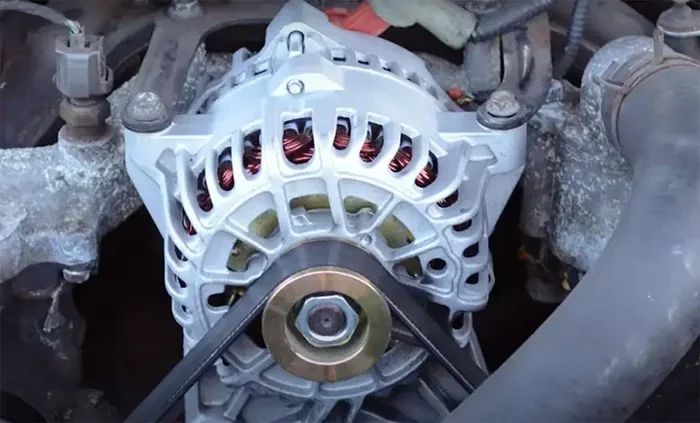
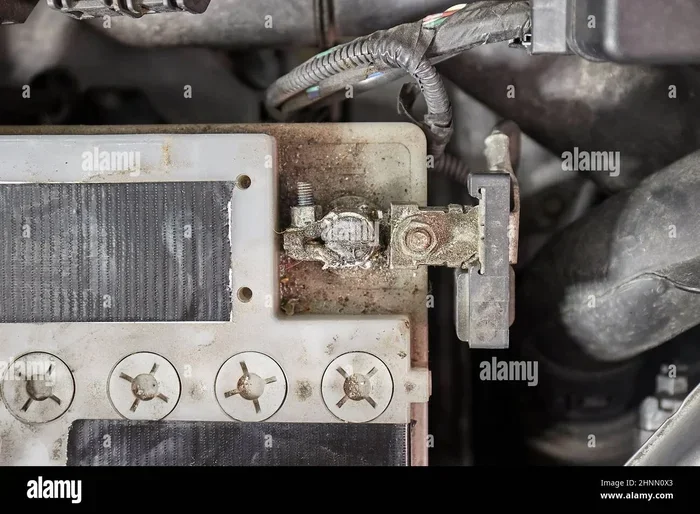
Your car’s electrical system depends on a steady voltage supply. When the battery is weak or the alternator is not charging properly, sensors can behave erratically. This can cause a check engine light to pop up and then disappear when the voltage stabilizes.
What Happens When the Light Goes Off but the Problem Remains?
This is where many drivers get tripped up. The light is off, so they assume everything is fine. But that is not always the case.
When the ECU detects a fault, it stores a diagnostic trouble code in its memory. Even if the light turns off, that code remains stored until it is manually cleared with a scanner or after a certain number of successful drive cycles. In many vehicles, the code stays for 40 or more drive cycles if the problem does not return.
Here is why this matters. A stored fault code can still affect how your car runs. It can change fuel trim values, alter shift patterns in automatic transmissions, or put the engine into a “limp mode” under certain conditions. You might not notice these changes right away, but over time they add up.
Also, if you are in a state that requires emission testing, a stored code can cause you to fail the test even if the light is not currently on. This is something many drivers do not realize until they are at the inspection station.
Another concern is fuel economy. An unresolved issue can cause your engine to run rich or lean, burning more fuel than necessary. Over weeks and months, this adds up at the pump. So even if the light goes off, getting the code read and the problem addressed is always the smart move.
Should You Ignore a Check Engine Light That Went Off?
The honest answer is no. You should not ignore it. Even if the light has been off for weeks or months, the fact that it came on at all is a signal. Your vehicle was trying to tell you something.
Here is a simple rule of thumb. If the light comes on and goes off, get it checked within a week or two. If the light comes on and stays on, get it checked immediately. The difference is urgency, not importance. Both situations need attention.
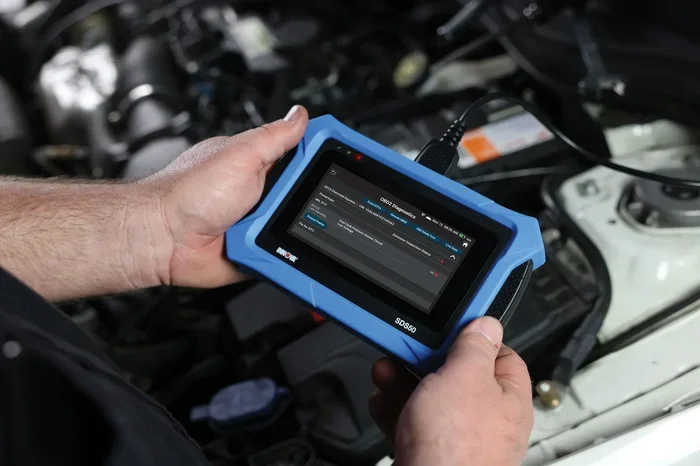
If you are someone who likes to handle car repair tasks on your own, grabbing a basic OBD-II scanner is a great first step. These devices plug right into your car’s diagnostic port, usually located under the dashboard on the driver side. They read the stored codes and give you a starting point for troubleshooting.
For those who prefer professional help, most auto parts stores offer free code reading. You can also visit your local mechanic for a full diagnostic. Just keep in mind that some car maintenance tasks, like replacing spark plugs or cleaning the MAF sensor, are simple enough to handle yourself with a little guidance.
One thing to keep in mind is the weight your vehicle carries. Carrying too much weight can put extra stress on the engine and suspension, which can indirectly trigger warning lights. If you have ever wondered about load limits, check out can I put too much weight in my car for more details.
How to Diagnose and Fix Intermittent Check Engine Light Issues
If you want to tackle this yourself, here is a step-by-step approach to diagnosing an intermittent check engine light.
Step 1: Check the Gas Cap
Start with the simplest fix. Remove the gas cap, inspect the seal for cracks or damage, and tighten it until you hear it click. Drive for a few days and see if the light stays off. This solves the problem in a surprising number of cases.
Step 2: Read the Stored Codes
Plug in an OBD-II scanner and read any stored codes. Write them down. Even if the light is off, the codes will tell you what the ECU flagged. Common codes include P0420 for catalytic converter efficiency, P0300 for random misfires, and P0171 for a lean fuel mixture.
Step 3: Look for Patterns
Did the light come on after filling up at a specific gas station? Did it appear during cold weather? Did it show up after driving on rough roads? Patterns help narrow down the cause. For fuel-related issues, you might want to check whether putting 88 octane in your car could be a factor if you have been using higher ethanol blends.
Step 4: Inspect Sensors and Wiring
Look under the hood for any visibly damaged wires or loose connectors. The oxygen sensor and MAF sensor are common trouble spots. A quick visual inspection can reveal corroded connectors or frayed wires that cause intermittent faults.
Step 5: Clear the Codes and Monitor
Once you have addressed the likely cause, use the scanner to clear the codes. Drive the car for a full drive cycle and watch for the light to return. If it stays off, you likely fixed the issue. If it comes back, the problem is more complex and may need professional diagnosis.
Step 6: Seek Professional Help if Needed
If the light keeps coming back or you are unsure about the codes, visit a trusted mechanic. A professional has access to advanced diagnostic tools and years of experience. Sometimes what looks like a simple fix turns out to be a deeper electrical or mechanical issue.
Preventing Check Engine Light Issues in the Future
The best way to deal with a check engine light is to prevent it from coming on in the first place. Here are some simple habits that help.
- Check your gas cap regularly: Make sure it seals properly every time you fill up.
- Use quality fuel: Stick to reputable gas stations and use the fuel grade recommended by your manufacturer.
- Keep up with routine maintenance: Regular oil changes, spark plug replacements, and air filter changes go a long way.
- Address small issues early: Do not ignore small symptoms like rough idling, slight power loss, or unusual exhaust smells.
- Inspect sensors during service: Ask your mechanic to check sensor connections during routine visits.
- Drive gently: Aggressive driving puts extra stress on the engine, transmission, and emission components.
Taking care of your vehicle does not have to be complicated. Small actions, done consistently, prevent bigger problems down the road. And that means fewer surprise lights on your dashboard.
Final Thoughts on Check Engine Lights That Go Away
A check engine light turning off on its own can feel like a relief, but it should not be a reason to relax. The light went off for a reason, and that reason is still worth investigating. Whether it is a loose gas cap, a failing sensor, or an intermittent electrical fault, your car is trying to communicate something to you.
The smartest thing you can do is stay proactive. Read the codes, address the root cause, and keep up with regular car maintenance. If you are comfortable doing your own diagnostics, an OBD-II scanner is one of the best investments you can make for your vehicle. And if you are not, a quick trip to your local mechanic can save you from a much bigger repair bill down the road.
Your dashboard warning lights exist for one reason. To keep you safe and your car running well. Listening to them, even when they go quiet, is one of the best things you can do as a car owner.
Frequently Asked Questions
Can a check engine light turn off after a few days?
Yes, it absolutely can. If the issue that triggered the light was temporary, such as a loose gas cap or a brief sensor glitch, the ECU may clear the light after a few normal drive cycles. However, the fault code usually remains stored in memory even after the light goes off.
Is it safe to drive with the check engine light off after it was on?
It depends on the underlying cause. If the light came on due to a loose gas cap and it is now secure, driving is generally safe. But if the cause was a misfire, oxygen sensor failure, or emission issue, continued driving could cause further damage. Always get the codes read to be sure.
Will a check engine light come back on after being cleared?
Yes, it can. If the root cause of the fault has not been fixed, the ECU will detect the problem again during normal driving and reactivate the light. This is a common sign that the issue needs proper repair, not just a code reset.
How much does it cost to diagnose a check engine light?
Many auto parts stores offer free code reading. If you need a full diagnostic at a repair shop, costs typically range from $80 to $150 depending on your location and the complexity of the issue. Fixing the actual problem can vary widely based on what is causing the fault.
Can bad fuel cause a check engine light to turn on and off?
Yes, contaminated or low-quality fuel can cause temporary misfires and sensor irregularities. This can trigger the check engine light, which may go away once you refill with clean, quality fuel. If you notice the light returning after using fuel from a specific station, switch to a different brand and monitor the situation.
How long does it take for a check engine light to reset itself?
Most vehicles require 10 to 30 successful drive cycles without the fault reappearing before the ECU resets the light automatically. A drive cycle usually means a combination of cold start, idle, and highway driving. You can also use an OBD-II scanner to manually clear the codes once the issue is resolved.