Can You Run Diagnostics Without a Check Engine Light
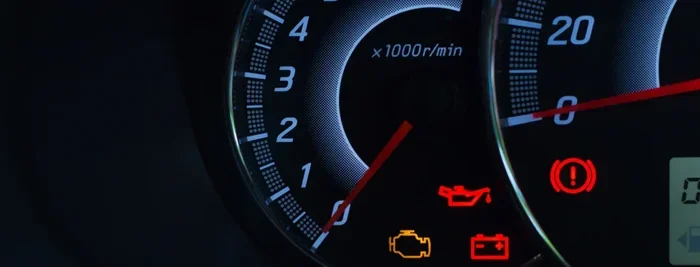
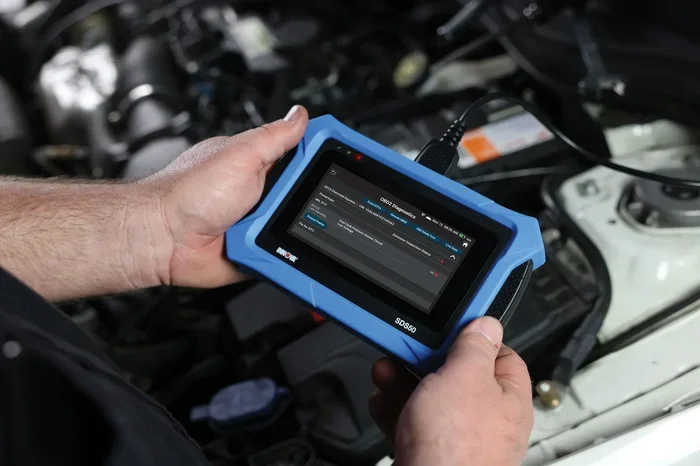
Yes, you can run diagnostics without a check engine light. Modern vehicles have multiple systems that can flag problems even when the dashboard stays dark. Using an OBD-II scanner and knowing what to look for helps you catch hidden issues early.
This is a comprehensive guide about Can You Run Diagnostics Without a Check Engine Light.
Key Takeaways
- You can run diagnostics anytime: A check engine light is not required to pull fault codes or scan your vehicle.
- OBD-II scanners work independently: These tools connect to the diagnostic port and read data regardless of warning lights.
- Hidden problems exist: Your car may have pending codes or sensor issues that never trigger the check engine light.
- DIY diagnostics are easier than ever: Affordable scan tools and apps let you perform your own car diagnostic checks at home.
- Regular vehicle maintenance matters: Routine checks help you avoid surprises and keep your car running smoothly.
- Know when to seek help: Some issues need a professional mechanic, even if no light appears on your dashboard.
[FEATURED_IMAGE_PLACEHOLDER]
Your car talks to you. It uses lights, sounds, and signals to tell you when something is off. But what happens when your car has a problem and the check engine light stays dark? Many drivers assume no light means no issue. That assumption can cost you money and lead to bigger repairs down the road.
The truth is that you can absolutely run diagnostics without a check engine light. Modern vehicles are packed with sensors, computers, and onboard systems that monitor everything from fuel efficiency to emission levels. These systems store fault codes even when no warning appears on your dashboard. The key is knowing how to access that information.
In this guide, we will walk you through everything you need to know about car diagnostic tools, how they work, and why your vehicle might have hidden issues even when it looks fine on the surface. Whether you are a DIY enthusiast or just curious about your vehicle maintenance, this article has you covered.
What Are Car Diagnostics and Why Do They Matter?
Car diagnostics refer to the process of checking your vehicle’s computer systems for problems. Every car built after 1996 comes with an onboard diagnostics system, commonly known as OBD-II. This system constantly monitors engine performance, emission controls, fuel delivery, and more.
When something goes wrong, the system logs a diagnostic trouble code, or DTC. These codes help mechanics and car owners identify the root cause of a problem. Think of them as error messages your car sends to alert you about trouble.
Many people believe diagnostics only matter when a warning light pops up. That is not true. Here is why engine light diagnostics matter even when the light is off:
- Pending codes: Your car may store a code that has not yet triggered the check engine light. These pending codes are early warnings.
- Intermittent issues: Some problems come and go. A sensor might fail temporarily and then work again, leaving no light behind.
- Emission system faults: Your car can have an emission problem that does not always light up the dashboard.
- Sensor degradation: Sensors can slowly lose accuracy over time without ever triggering a warning.
- Fuel system issues: Problems with fuel delivery or efficiency may go unnoticed without a proper vehicle health check.
The Role of the OBD-II System
The OBD-II system is the brain behind your car’s diagnostic capabilities. It uses a network of sensors to track performance across dozens of systems. Each sensor feeds data back to the powertrain control module, or PCM, which acts as your car’s main computer.
When the PCM detects a value outside the normal range, it logs a fault code. In many cases, it also turns on the check engine light. But here is the part most people miss. Not every fault code triggers the light immediately. Some codes are stored as pending or permanent, waiting for the issue to repeat before the light activates.
This means your car could have a real problem sitting in its memory, and you would never know without running a proper diagnostic scan. That is exactly why car troubleshooting with a scanner is so valuable, even when everything looks normal.
How to Run Diagnostics Without a Check Engine Light
Running diagnostics without a check engine light is straightforward. You need the right tools and a basic understanding of where to look. The process is simple enough that most car owners can do it themselves at home.
Step 1: Find Your OBD-II Port
Every modern car has an OBD port somewhere under the dashboard. It is usually located near the driver’s side knee area, beneath the steering column. Some vehicles place it near the center console or the glove box. Check your owner’s manual if you have trouble finding it.
The port looks like a trapezoid-shaped connector with 16 pins. It is the same port mechanics use when you take your car in for service. Once you locate it, you are ready to connect your scan tool.
Step 2: Choose Your Diagnostic Tool
You have several options when it comes to car diagnostic tools. The right choice depends on your budget and how much detail you want.
- Basic OBD-II scanner: These affordable devices plug into the port and display fault codes. They are perfect for quick checks and cost between $20 and $60.
- Bluetooth or Wi-Fi adapters: These small devices connect to your smartphone and pair with an app to read codes. They offer more detail and are very portable.
- Advanced diagnostic tools: Professional-grade scanners provide in-depth data, live sensor readings, and manufacturer-specific codes. These can cost $200 or more.
- Mobile apps: Some apps work with an adapter to turn your phone into a powerful diagnostic tool. You can monitor engine performance in real time.
If you are just getting started, a basic OBD-II scanner or a Bluetooth adapter with a compatible app is the best way to begin. You can always upgrade later if you want more advanced features. For those wondering about DIY car work, you might also want to explore Can I Do My Own Car Diagnostics for more hands-on tips.
Step 3: Connect and Scan
Once you have your tool, follow these simple steps:
- Turn off your ignition and all accessories.
- Plug the scanner into the OBD-II port.
- Turn the ignition to the “on” position (do not start the engine).
- Follow the scanner’s prompts to begin the scan.
- Wait for the tool to read and display any fault codes.
- Write down or photograph the codes for reference.
The scan usually takes less than a minute. If the tool finds codes, it will display them as alphanumeric strings like P0301 or P0420. Each code corresponds to a specific issue in a specific system.
Step 4: Interpret the Codes
Understanding fault codes is the next step. Each code starts with a letter that tells you which system the problem belongs to:
- P codes: Powertrain (engine and transmission)
- B codes: Body (airbags, climate control, sensors)
- C codes: Chassis (brakes, suspension, steering)
- U codes: Network communication (CAN bus, module errors)
You can look up each code online or in your scanner’s database. Many apps provide detailed descriptions and suggested fixes for each code. Keep in mind that a code tells you what is wrong, not always how to fix it. Sometimes the real issue is a loose gas cap or a worn sensor, not a major mechanical failure.
Why Your Check Engine Light Might Stay Off Even When There Is a Problem
It is frustrating to have a car problem and no warning light to tell you about it. Several reasons explain why the check engine light stays dark even when something is wrong.
Pending Codes vs. Active Codes
Your car’s computer stores two types of codes. Active codes mean the problem is happening right now, and the check engine light should be on. Pending codes mean the computer has detected a fault but it has not repeated enough times to trigger the light. A pending code can become active if the issue continues over several driving cycles.
Intermittent Electrical Issues
Loose wiring, corroded connectors, or failing sensors can cause problems that come and go. Your car’s computer might log a code, then clear it when the connection is restored. By the time you notice the problem, the code may already be gone from memory.
Minor Emission Faults
Some emission-related faults do not trigger the check engine light immediately. A small leak in the fuel vapor system or a slightly rich fuel mixture might be logged as a pending code without lighting up the dashboard. These issues still affect your car’s performance and fuel economy.
Sensor Degradation Over Time
Car sensors wear out slowly. An oxygen sensor might drift out of range over months, never crossing the threshold that triggers the check engine light. During this time, your fuel system diagnostics could show reduced efficiency, but the light stays off.
For related topics on car weight and its impact on your vehicle, check out Can I Put Too Much Weight In My Car to learn more about how load affects your car’s systems.
Common Car Problems That Do Not Trigger the Check Engine Light
Not every car problem announces itself with a dashboard warning. Some of the most common issues hide in plain sight, affecting performance and safety without ever turning on a light.
Worn Brake Pads
Brake pads wear down gradually. Unless they get completely worn to the metal, there is usually no warning light. You might notice squealing sounds, longer stopping distances, or a soft brake pedal. Regular inspections are the best way to catch brake wear early.
Low Transmission Fluid
Many cars do not have a dedicated transmission fluid warning light. Low fluid can cause rough shifting, slipping gears, and eventually serious transmission damage. Checking your fluid level regularly helps prevent costly repairs.
Tire Wear and Alignment Issues
Uneven tire wear and poor alignment do not trigger any dashboard lights. You might notice the car pulling to one side, vibrations at highway speeds, or tires wearing out faster on one side. These issues affect safety and fuel economy but stay invisible to your car’s computers.
Weak Battery or Alternator
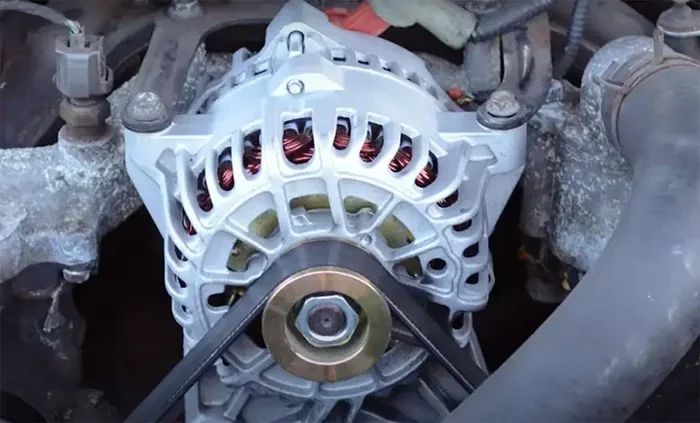
A failing battery or alternator often shows no warning light until it completely dies. You might notice slow cranking, dim headlights, or electrical glitches. A simple voltage test can reveal a weak battery before it leaves you stranded.
Exhaust System Leaks
Small exhaust leaks can develop over time without triggering any dashboard warnings. You might notice a hissing sound, a smell of exhaust inside the cabin, or reduced fuel efficiency. These leaks affect both performance and safety, especially if carbon monoxide enters the cabin.
If you are interested in how car technology has evolved, you might also enjoy learning about Can I Download An App To Start My Car, which explores how smartphone apps are changing the way we interact with our vehicles.
DIY Diagnostics: Tools and Tips for Car Owners
Doing your own diagnostics saves money and gives you a better understanding of your vehicle. With the right approach, you can handle many common issues without visiting a mechanic.
Essential Tools for Home Diagnostics
Here is a list of tools every car owner should consider having on hand:
- OBD-II scanner: The foundation of any home diagnostic setup. Look for one that supports all OBD-II protocols and provides clear code definitions.
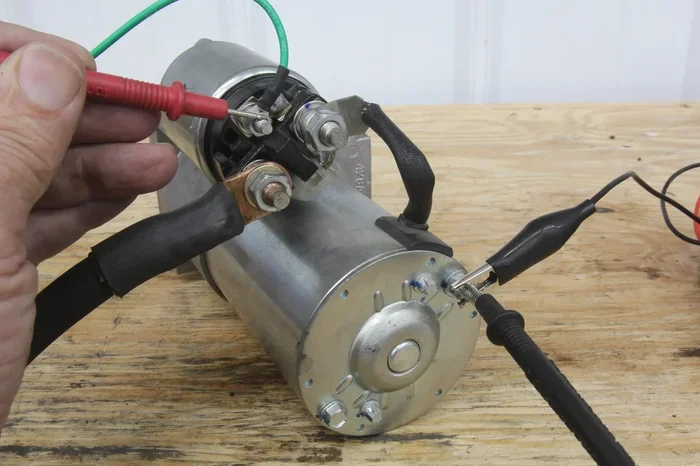
- Multimeter: A multimeter lets you test voltage, resistance, and continuity. It is invaluable for checking sensors, fuses, and wiring.
- Battery tester: A dedicated battery tester gives you accurate readings of battery health and charging system performance.
- Tire pressure gauge: Proper tire pressure affects safety, handling, and fuel economy. A good gauge costs just a few dollars.
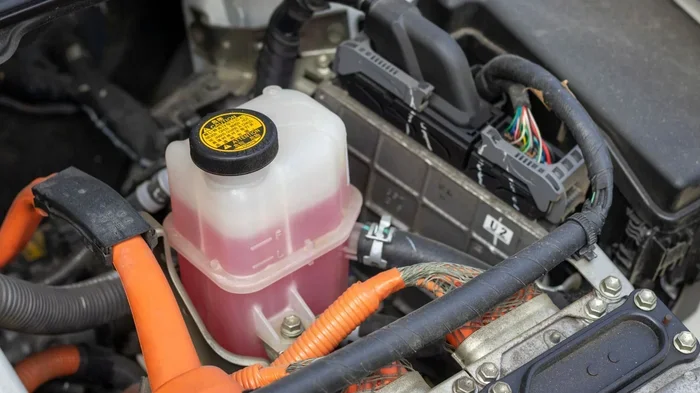
- Oil dipstick and coolant tester: These simple tools help you monitor fluid levels and condition between service intervals.
Quick Tips for Accurate Diagnostics
- Always perform a scan with the engine off and then again with the engine running. Some codes only appear under specific conditions.
- Check for loose gas caps before assuming a serious problem. A loose cap is one of the most common causes of emission-related codes.
- Clear codes after fixing a problem and then drive for a few days to see if they return. A recurring code confirms the issue is not fully resolved.
- Record your scan results. Keeping a log helps you track patterns and share information with your mechanic.
- Do not ignore freeze frame data. Many scanners capture a snapshot of sensor readings at the moment a code was triggered. This data helps pinpoint the exact cause.
When to Call a Professional
DIY diagnostics has its limits. You should seek professional help when you encounter complex codes, intermittent issues, or problems that involve safety systems like brakes and airbags. A skilled mechanic has access to manufacturer-specific tools and training that go beyond what a basic scanner can offer.
For those who want to understand more about what affects their vehicle, learning about weight limits is also important. You can read more in 000 Lbs Heavy For A Car to understand how weight impacts your car’s performance and diagnostics.
Understanding Diagnostic Trouble Codes: A Closer Look
Diagnostic trouble codes are the language your car uses to communicate problems. Understanding them gives you a huge advantage in car maintenance and troubleshooting.
The Most Common OBD-II Codes
While thousands of codes exist, some appear more frequently than others:
- P0300: Random or multiple cylinder misfire. This code indicates that one or more cylinders are not firing properly.
- P0420: Catalyst system efficiency below threshold. This suggests your catalytic converter is not working at full capacity.
- P0171: System too lean (Bank 1). This means the engine has too much air and not enough fuel in the mixture.
- P0442: Evaporative emission control leak detected. A small leak in the fuel vapor system, often caused by a loose gas cap.
- P0301: Cylinder 1 misfire. This points to a specific cylinder that is not combusting fuel properly.
Each code gives you a starting point for investigation. However, the code alone does not always tell you what to fix. A misfire code could mean worn spark plugs, a faulty ignition coil, or a vacuum leak. Further testing is needed to confirm the root cause.
How to Use Freeze Frame Data
Freeze frame data is a snapshot of your car’s sensor readings captured at the exact moment a fault code was recorded. This data includes engine RPM, vehicle speed, coolant temperature, and fuel system status. It helps you understand what conditions caused the code to trigger.
For example, if a misfire code was captured at high RPM and cold engine temperature, the cause might be different than if it was captured at idle. Freeze frame data gives mechanics and DIYers alike a clearer picture of the problem.
The Importance of Regular Vehicle Maintenance
Running diagnostics is one part of keeping your car healthy. Regular maintenance prevents many problems from developing in the first place. A well-maintained car runs better, lasts longer, and costs less to own.
Create a Maintenance Schedule
Follow your manufacturer’s recommended maintenance schedule. This typically includes oil changes every 5,000 to 7,500 miles, tire rotations every 5,000 to 7,500 miles, and brake inspections every 12,000 miles. Sticking to a schedule helps you catch small issues before they become expensive repairs.
Scan Your Car Regularly
Even if your check engine light is off, get into the habit of scanning your car every few months. A quick scan takes just a couple of minutes and can reveal pending codes that need attention. Catching problems early saves you from unexpected breakdowns and costly repairs.
Pay Attention to Subtle Changes
Your car often gives you warning signs long before a light comes on. Listen for unusual sounds, notice changes in fuel economy, and pay attention to how the car feels when you drive. These subtle changes are often the first clues that something needs attention.
If you ever find yourself in a situation where your car breaks down unexpectedly, understanding your options is important. For instance, if your car gets damaged after hitting a deer, you might wonder about the financial impact. Check out Can Hitting A Deer Total Your Car for insights into how accidents affect your vehicle and insurance.
Conclusion
Running diagnostics without a check engine light is not only possible but also a smart practice for every car owner. Your vehicle’s onboard systems store valuable information that can reveal hidden problems before they turn into expensive repairs. With an OBD-II scanner, a basic understanding of fault codes, and a regular maintenance routine, you can take control of your car’s health.
The check engine light is just one of many ways your car communicates with you. It does not tell the whole story. Pending codes, sensor drift, and intermittent faults can all exist without any warning on your dashboard. Regular diagnostics help you stay ahead of these issues and keep your car running at its best.
Start by picking up a basic scan tool or downloading a diagnostic app. Make it part of your routine, just like checking your tire pressure or oil level. The more you know about your vehicle, the better equipped you are to handle problems early and avoid costly surprises. Your car works hard for you every day. Taking a few minutes to check in on its health is one of the best things you can do as a car owner.
For those wondering about driving on empty, Can I Drive 10 Miles On Empty offers useful insights into how far you can really push your fuel gauge before trouble starts.
Frequently Asked Questions
Can I run a diagnostic scan even if my check engine light is off?
Yes, absolutely. An OBD-II scanner can read all stored codes in your car’s computer, including pending codes that have not triggered the check engine light. The scanner connects to the diagnostic port and pulls data regardless of whether any dashboard warning is active.
What is the difference between a pending code and an active code?
A pending code means your car’s computer has detected a fault but it has not repeated enough times to turn on the check engine light. An active code means the problem is currently happening and the light should be on. Pending codes can become active if the issue continues over several driving cycles.
Do I need expensive equipment to run car diagnostics at home?
No, you do not. A basic OBD-II scanner costs between $20 and $60 and can read most common fault codes. Bluetooth adapters paired with smartphone apps are also affordable and offer detailed diagnostic information. You do not need a professional-grade tool to get started.
Can a loose gas cap trigger a diagnostic code?
Yes, a loose or damaged gas cap is one of the most common causes of emission-related diagnostic codes. It allows fuel vapors to escape from the fuel system, which the car’s computer detects as a leak in the evaporative emission control system.
How often should I scan my car for diagnostic codes?
It is a good practice to scan your car every few months, even if the check engine light is off. Regular scans help you catch pending codes early and address small problems before they grow into expensive repairs. You should also scan anytime you notice unusual changes in your car’s performance.
Will clearing a diagnostic code fix the underlying problem?
No, clearing a code does not fix the problem. It only erases the code from your car’s memory. If the root cause is not addressed, the code will likely return after a few driving cycles. Always diagnose and repair the actual issue before clearing any codes.