Does Leaving a Key Fob in the Car Drain the Battery
Leaving a key fob in the car can slowly drain your battery over time. The proximity sensor keeps the car listening for the fob signal, which creates a small but constant power draw. With the right habits and a few simple steps, you can easily prevent this common issue and avoid being stranded with a dead battery.
Have you ever walked out to your car in the morning only to find it won’t start? That sinking feeling in your stomach is all too familiar. One of the most common reasons for a dead car battery is something simple: leaving a key fob in the car overnight. But does leaving a key fob in the car really drain the battery? The short answer is yes. The longer answer is a bit more nuanced, and it can save you a lot of time, money, and frustration.
In this article, we will break down exactly how key fob signals affect your car battery. You will learn why modern vehicles are more vulnerable to this problem, how long it takes for a battery to die, and what you can do to stop it from happening. Whether you drive a new sedan or a used SUV, this guide will help you understand the hidden power draw that comes with keyless entry and push-button start systems.
The good news is that this problem is entirely preventable. With a few small changes to your routine, you can keep your car battery healthy and avoid the hassle of a jump start on a cold morning. Let us dive into the details.
Key Takeaways
- Key fobs emit signals constantly that your car picks up, even when the engine is off.
- Leaving a fob inside the car overnight can cause a slow but steady battery drain.
- Modern cars with proximity sensors are more prone to this issue than older models.
- A dead car battery from a key fob is one of the most common and preventable problems.
- Simple habits like storing the fob away from the car can save you from unexpected breakdowns.
- Using a 12V car charger socket can help maintain battery health during long parking periods.
- If your battery dies, you can do your own car diagnostics to confirm the cause.
📑 Table of Contents
- How Key Fobs Communicate With Your Vehicle
- Does Leaving a Key Fob in the Car Drain the Battery?
- Signs Your Car Battery Is Draining From a Key Fob
- How to Prevent Key Fob Battery Drain
- What to Do If Your Car Battery Dies From a Key Fob
- Common Mistakes People Make With Key Fobs and Batteries
- Expert Insights on Key Fob Battery Drain
- Final Thoughts
How Key Fobs Communicate With Your Vehicle
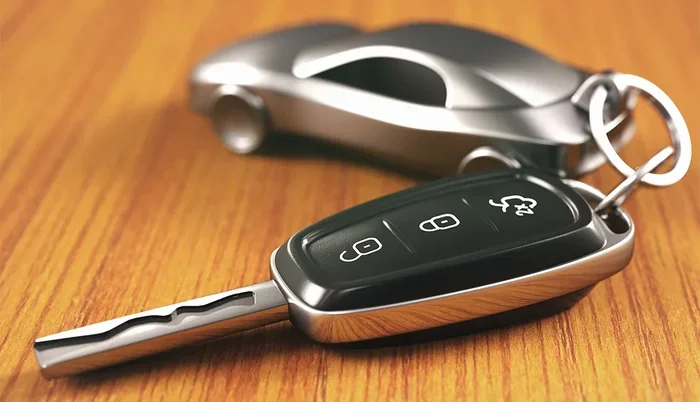
Understanding how your key fob works is the first step to understanding why it drains your battery. Modern cars use keyless entry systems that rely on radio frequency signals. Your fob sends out a low-energy signal that your car can detect when you are nearby.
The Proximity Sensor Explained
Most newer vehicles come equipped with a proximity sensor. This sensor constantly scans for your key fob. When it detects the fob is inside the car, it keeps the car electrical system in a standby mode. This is convenient when you want to start the car with the push of a button. However, it also means the car is never fully asleep as long as the fob is within range.
The standby mode uses a small amount of power. On its own, this draw is tiny. But over many hours, it adds up. Think of it like leaving a light on in your house. One bulb does not use much electricity. But leave it on for days, and you will see the effect on your bill.
Why Key Fob Signals Stay Active
Your key fob does not just send a signal when you press a button. It constantly broadcasts a low-level signal to stay connected to the car. This is called a handshake protocol. The car and the fob “talk” to each other to confirm the fob is nearby. This process keeps both the fob and the car’s receiver active at all times.
When the fob is inside the car, the signal strength is very strong. The car’s antenna picks it up easily. This means the receiver stays fully active and does not reduce power to save energy. The result is a steady, low-level power drain that continues until you remove the fob from the vehicle.
Does Leaving a Key Fob in the Car Drain the Battery?
The answer is yes, but the speed at which it happens depends on several factors. Not all cars drain at the same rate. And not all key fobs use the same amount of power. Let us look at the main factors that determine how quickly your battery will be affected.
Factors That Affect Battery Drain
- Car model and year: Newer vehicles with advanced computer systems draw more power in standby mode than older models.
- Fob battery strength: A fob with a fresh battery sends a stronger signal, which means the car’s receiver works harder to pick it up.
- Temperature: Cold weather makes batteries weaker and more vulnerable to drain. A fob in the car during winter is more likely to cause problems.
- How long the fob stays in the car: A few hours is usually fine. But leaving it overnight or for multiple days significantly increases the risk.
- Other electrical loads: If you also leave interior lights on or use the infotainment system, the drain multiplies quickly.
How Long Does It Take for the Battery to Die?
In most cases, leaving a key fob in the car for one night will not kill the battery. A healthy battery can handle a small overnight drain. But if you leave the fob in the car for two or three days, you may start to notice problems. After a week, a dead car battery becomes very likely, especially if the battery is already old or weak.
The general rule is this: the older your battery, the faster it will die from a key fob drain. A brand-new battery might survive a week of overnight fob exposure. But a battery that is three years old or older could be completely dead after just two nights.
Signs Your Car Battery Is Draining From a Key Fob
Knowing the warning signs can save you from being stranded. Here are the most common symptoms that your key fob is draining the battery:
Slow Crank When Starting
If your engine turns over slowly when you try to start the car, this is a classic sign of a low battery. The starter motor needs full power to crank the engine quickly. A weak battery will cause it to turn slowly or struggle to catch.
Warning Lights on the Dashboard
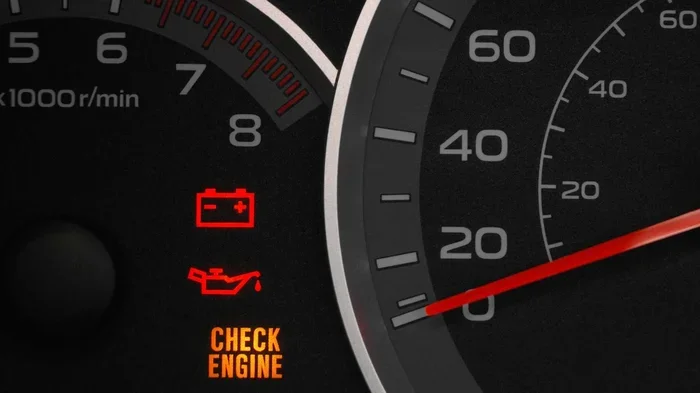
Many modern cars display a battery warning light when the voltage drops too low. If you see this light after leaving the fob in the car, it is a clear signal that the car battery health has been compromised.
Locks and Trunk Not Responding
If your keyless locks or trunk release feel sluggish or unresponsive, the fob signal may be weak because the car battery is too low to power the receiver properly. This is a less obvious sign but still worth watching for.
Clicking Sound When You Turn the Key or Press Start
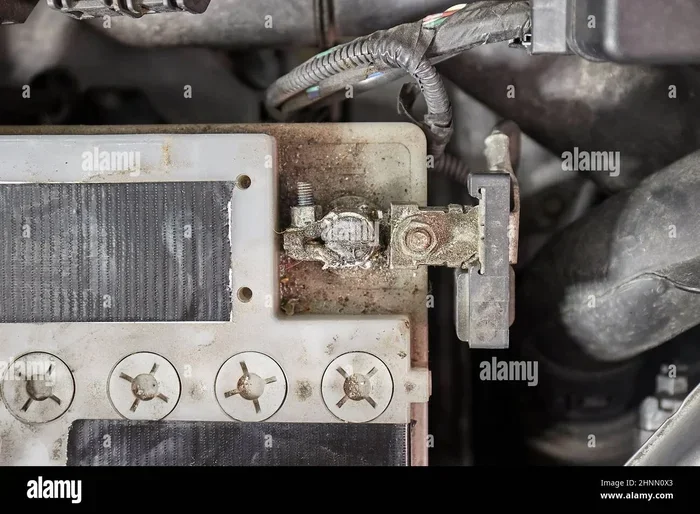
A rapid clicking sound usually means the battery does not have enough power to engage the starter. This is one of the most obvious signs of a fully or nearly dead battery. If this happens after leaving the fob in the car, the drain is likely the cause.
How to Prevent Key Fob Battery Drain
The good news is that preventing this problem is simple. You do not need expensive tools or mechanic visits. A few small habits can make a big difference.
Store the Fob Away From the Car
The easiest way to stop the drain is to take the fob with you when you leave the car. Even placing it in your pocket or bag a few feet away from the vehicle reduces the signal strength enough to put the car into a deeper sleep mode. The farther the fob is, the less power the car uses trying to detect it.
Use a Signal-Blocking Pouch
Some people use a small Faraday pouch or signal-blocking bag for their key fob. These pouches block the radio signal completely. When the fob is inside the pouch, the car cannot detect it at all. This forces the car into its lowest power mode, even if the fob is nearby.
These pouches are inexpensive and small enough to keep in your glove box. They are a great tool if you often leave the fob in the car by accident or if you live in an area where cold mornings make battery problems worse.
Turn Off Proximity Sensor Features
Some vehicles allow you to disable the proximity sensor or the passive entry feature. Check your owner’s manual to see if this option exists. Turning it off means the car will not constantly listen for the fob signal. This significantly reduces standby power draw.
Keep in mind that disabling this feature means you will need to physically insert the fob into a slot to start the car. For some drivers, this extra step is a small price to pay for a longer-lasting battery.
Use a 12V Car Charger Socket for Battery Maintenance
If you plan to leave your car parked for an extended period, consider using a 12V car charger socket to keep the battery topped up. A small trickle charger or battery maintainer plugged into the cigarette lighter socket can keep the battery at full charge without overcharging it.
This is especially helpful for people who leave their car unused for weeks at a time. It is also a smart move during cold winter months when batteries naturally lose charge faster. A simple maintenance charger can save you from a dead battery and a very frustrating morning.
Replace Old Batteries Promptly
If your battery is more than three to four years old, it is already weaker and more vulnerable to drain. Replacing it before it fails can save you from unexpected breakdowns. A new battery has the power reserve to handle the small overnight draw from a key fob without any issues.
Also, do not forget to replace the fob’s own battery regularly. A weak fob battery can cause the car’s receiver to work harder, increasing the power draw. A fresh fob battery keeps the signal strong and efficient.
What to Do If Your Car Battery Dies From a Key Fob
If you do find yourself with a dead battery, do not panic. There are several things you can do to get back on the road quickly.
Try a Jump Start
The most common solution is a jump start using jumper cables and another vehicle. Connect the cables to both batteries, start the working car first, and then try starting your car. Once your car is running, let it idle for at least 15 to 20 minutes to recharge the battery.
Use a Portable Jump Starter
A portable jump starter is a compact device you can keep in your trunk. It works without another vehicle and is very easy to use. These devices are affordable and can be a lifesaver in emergencies. They are especially useful if you park in areas where finding another driver to help is difficult.
Check for Other Drains
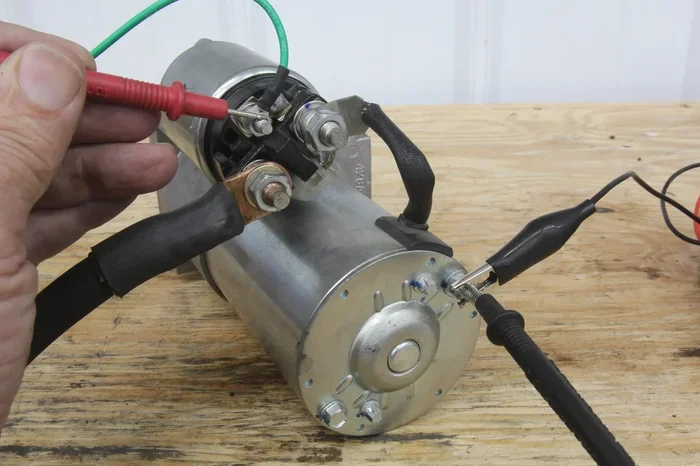
Sometimes a dead battery is not just from the key fob. Other factors like interior lights, aftermarket accessories, or faulty relays can also contribute. If your battery dies frequently, it is worth checking for these additional drains. You can do your own car diagnostics at home with a basic multimeter to check voltage levels and identify parasitic draws.
Replace the Battery If Needed
If the battery is old and has been deeply discharged multiple times, it may not hold a charge anymore. In this case, replacement is the best option. Most auto parts stores will test your battery for free and help you find the right replacement if needed.
Common Mistakes People Make With Key Fobs and Batteries
Avoid these common mistakes that make key fob battery drain worse:
- Leaving the fob on the console or seat: This keeps the car’s receiver fully active. Always store the fob in the glove box or take it with you.
- Ignoring warning signs: A slow crank or dim headlights are early warnings. Address them before the battery dies completely.
- Using the wrong fob battery: Always use the battery type recommended in your owner’s manual. A mismatched battery can cause signal issues.
- Assuming the fob is off: Key fobs do not have an off switch. They are always broadcasting at some level unless placed in a signal-blocking pouch.
- Overloading the car with extra weight: While it does not directly drain the battery from the fob, carrying too much weight in your car puts extra strain on the electrical system and can worsen battery performance over time.
Expert Insights on Key Fob Battery Drain
Automotive experts agree that key fob battery drain is one of the most overlooked maintenance issues. According to several mechanics, the problem is growing as more cars come with keyless entry and push-button start systems. The convenience of these features comes with a small but real cost to battery health.
One mechanic shared that he sees at least two or three cases a week of customers with dead batteries caused by leaving fobs in the car. Most of these customers say they did not even know it was possible. Education is the key to prevention.
Another expert recommends keeping a battery tester in your garage. Testing your battery once a month takes only a few minutes and can catch weak batteries before they fail. This is especially important during fall and winter when temperatures drop and batteries naturally lose capacity.
The takeaway is clear: a little awareness goes a long way. Understanding how your key fob interacts with your car’s electrical system helps you make smarter choices every day.
Final Thoughts
So, does leaving a key fob in the car drain the battery? Yes, it absolutely can. The good news is that you now know exactly why it happens and what you can do about it. A few simple habits like taking the fob with you, using a signal-blocking pouch, and keeping your battery maintained can make all the difference.
Remember that your car battery is one of the most important components of your vehicle. Taking care of it with small, consistent actions will save you time, money, and stress in the long run. Do not wait until you are standing in a cold parking lot with a car that will not start. Take preventive steps today.
Share this article with a friend or family member who might benefit from it. A simple tip about key fob placement could save someone from a very bad morning. Stay proactive, stay informed, and keep your car running strong.
Frequently Asked Questions
Can a key fob drain a car battery overnight?
Yes, leaving a key fob inside the car overnight can cause a slow battery drain. The car’s proximity sensor keeps the electrical system partially active as long as the fob is within range. While one night usually will not kill a healthy battery, repeated overnight exposure can lead to a dead battery over time.
How far away does a key fob need to be to stop draining the battery?
There is no exact distance, but moving the fob at least 5 to 10 feet away from the car is usually enough to reduce the signal strength significantly. The farther the fob is, the less power the car uses trying to detect it. Taking the fob with you is the most effective solution.
Will removing the key fob battery stop the drain?
Removing the fob battery will stop the fob from sending signals, which reduces the drain on the car battery. However, this is not always practical since you need the fob to access and start your car. A signal-blocking pouch is a better alternative if you frequently leave the fob near the vehicle.
Does every car with keyless entry drain the battery from the fob?
Not every car drains at the same rate. Vehicles with proximity sensors and passive entry systems tend to draw more power when a fob is nearby. Older cars with traditional key slots and no proximity sensors are less affected. The make, model, and year of your car all play a role in how much drain occurs.
What type of battery does a key fob use?
Most key fobs use a small coin-shaped battery, typically a CR2032. These batteries are widely available and inexpensive. Replacing the fob battery once a year is a good practice to keep the signal strong and avoid unnecessary strain on the car’s receiver system.
Can a dead key fob battery cause car battery problems?
A weak fob battery can actually make the problem worse. When the fob battery is low, it sends a weaker signal, causing the car’s antenna and receiver to work harder to maintain the connection. This increased effort draws more power from the car battery, accelerating the drain.
=== CONCLUSION ===
Leaving a key fob in the car does drain the battery, but it is a problem you can easily prevent with the right knowledge and habits. The key is to understand that your car never fully sleeps when the fob is nearby. By storing the fob away from the vehicle, using a signal-blocking pouch, and keeping your battery in good condition, you can avoid the frustration of a dead battery. A little effort each day goes a long way toward protecting your car’s electrical health and keeping you on the road with confidence.