Can a Clogged Catalytic Converter Cause a Car to Overheat
Yes, a clogged catalytic converter can absolutely cause your car to overheat. When exhaust gases can’t flow freely through the converter, back pressure builds up inside the engine, leading to excess heat and serious performance problems. Understanding the signs early can save you from costly repairs and keep your vehicle running safely on the road.
Your car’s catalytic converter plays a huge role in keeping your engine running smoothly. It works silently every time you drive, cleaning up harmful exhaust gases before they leave your tailpipe. But what happens when that converter gets clogged? Can it actually cause your car to overheat? The short answer is yes, and the consequences can be more serious than most drivers realize.
Many people don’t connect a clogged converter with engine overheating. They assume overheating only happens when the radiator fails or coolant runs low. But exhaust restrictions create a different kind of heat problem that can damage your engine just as badly. In this article, we’ll break down exactly how this happens, what signs to watch for, and what you can do to fix it.
Key Takeaways
- A clogged catalytic converter restricts exhaust flow, causing dangerous heat buildup in the engine.
- Common symptoms include overheating, reduced power, and poor fuel economy.
- Ignoring the problem can lead to engine damage that costs thousands to repair.
- Regular car maintenance helps prevent catalytic converter issues before they become serious.
- DIY diagnostics can catch early warning signs before they turn into major breakdowns.
- Replacement costs vary widely, but early detection keeps repair bills lower.
📑 Table of Contents
- What Does a Catalytic Converter Do?
- How a Clogged Catalytic Converter Causes Overheating
- Common Symptoms of a Clogged Catalytic Converter
- What Causes a Catalytic Converter to Clog?
- How to Diagnose a Clogged Catalytic Converter
- Can You Still Drive with a Clogged Catalytic Converter?
- Preventing Catalytic Converter Clogs
- How Much Does It Cost to Replace a Catalytic Converter?
- Expert Insights on Catalytic Converter Maintenance
- Key Takeaways
- Conclusion
What Does a Catalytic Converter Do?
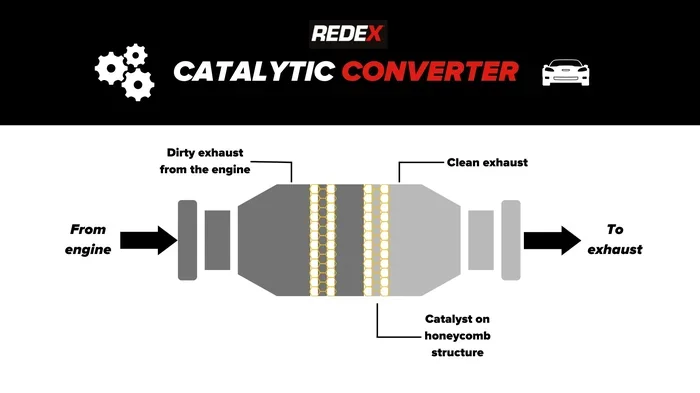
Before we talk about clogs and overheating, let’s understand what the catalytic converter actually does. Think of it as your car’s air purifier for exhaust gases. It sits between the engine and the tailpipe, and its job is to convert harmful pollutants into less dangerous emissions.
The converter uses special metals like platinum, palladium, and rhodium to trigger chemical reactions. These reactions turn carbon monoxide into carbon dioxide, nitrogen oxides into nitrogen and oxygen, and unburned hydrocarbons into water and carbon dioxide. Without a working converter, your car would release much more harmful pollution into the air.
Under normal conditions, exhaust gases flow freely through the converter and out the tailpipe. But when something blocks that flow, everything changes. Pressure starts building up, and that pressure has nowhere to go.
How a Clogged Catalytic Converter Causes Overheating
This is where things get interesting and a little concerning. When your catalytic converter becomes clogged, exhaust gases can’t escape efficiently. That creates something called back pressure inside the exhaust system. Let’s walk through exactly how this leads to overheating.
The Back Pressure Problem
Your engine relies on a smooth flow of exhaust gases to operate properly. When the converter gets blocked, those gases start piling up. The increased pressure makes it harder for the engine to push exhaust out during the exhaust stroke. This means the engine has to work harder with every single cycle.
When an engine works harder, it generates more heat. The cooling system wasn’t designed to handle this extra load. Over time, the engine temperature starts climbing past normal levels. This is the direct link between a clogged converter and overheating.
Heat Soak and Engine Damage
As the temperature rises, other components start feeling the heat too. The engine cooling system struggles to keep up. Coolant temperatures increase, and the thermostat may stay open longer trying to compensate. Eventually, you get what mechanics call heat soak, where the engine retains heat faster than it can dissipate it.
If you ignore this and keep driving, the overheating can cause real damage. Head gaskets can blow, cylinder heads can warp, and in worst-case scenarios, the engine itself can seize. These are expensive repairs that could have been prevented with early attention.
Reduced Exhaust Flow and Engine Efficiency
A clogged converter also reduces the efficiency of your engine’s breathing cycle. Engines need to exhale efficiently just like they need to inhale fuel and air. When exhaust flow is restricted, the engine can’t complete its cycle properly. This leads to incomplete combustion, which generates even more heat and fewer miles per gallon.
The engine performance suffers as a direct result. You might notice sluggish acceleration, rough idling, or a general lack of power. All of these are signs that your engine is struggling against the extra pressure in the exhaust system.
Common Symptoms of a Clogged Catalytic Converter
Spotting a clogged converter early can save you a lot of money and stress. Here are the most common signs that your catalytic converter might be blocked.
Engine Overheating
This is the symptom we’re focusing on. If your temperature gauge starts climbing unexpectedly, especially during normal driving, a clogged converter could be the cause. The overheating often happens gradually, getting worse over time rather than suddenly.
Reduced Fuel Efficiency
Are you visiting the gas station more often than usual? A clogged converter forces your engine to work harder, which burns more fuel. If your fuel economy drops noticeably without a change in driving habits, it’s worth investigating the exhaust system.
Sluggish Acceleration
When you press the gas pedal and the car doesn’t respond the way it should, that’s a red flag. The back pressure from a clogged converter makes it harder for the engine to produce power. You might feel a delay or weakness when trying to speed up.
Check Engine Light
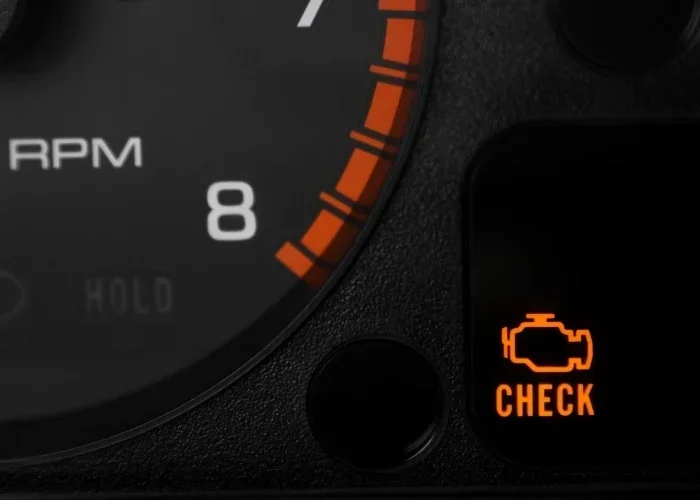
Modern cars have sensors that monitor the efficiency of the catalytic converter. When those sensors detect a problem, they trigger the check engine light. If you see this light along with any other symptoms on this list, get your car inspected right away.
Rotten Egg Smell
A healthy catalytic converter converts hydrogen sulfide into odorless sulfur dioxide. When the converter is clogged or failing, that conversion doesn’t happen properly. You might notice a strong rotten egg smell coming from your exhaust. This is a clear sign of converter problems.
Dark Exhaust Smoke
Dark or discolored exhaust smoke can indicate that exhaust gases aren’t flowing properly. If you see black, blue, or thick white smoke, the converter may be partially blocked and causing incomplete combustion.
What Causes a Catalytic Converter to Clog?
Understanding the causes helps you prevent the problem in the first place. Here are the most common reasons a catalytic converter gets clogged.
Engine Misfires
When your engine misfires, unburned fuel enters the exhaust system. This fuel can melt the internal honeycomb structure of the converter, creating blockages. Engine misfires are often caused by faulty spark plugs, ignition coils, or fuel injectors.
Oil or Coolant Leaks
Oil or coolant that enters the combustion chamber can coat the inside of the converter. Over time, these substances build up and restrict flow. Oil leaks often come from worn valve seals or piston rings, while coolant leaks might indicate a head gasket problem.
Age and Wear
Catalytic converters don’t last forever. Over time, the internal substrate can break down and create debris that blocks exhaust flow. Most converters last between 70,000 and 100,000 miles, but driving conditions can shorten that lifespan significantly.
Contaminated Fuel
Using low-quality or contaminated fuel can introduce harmful substances into the exhaust system. These contaminants can coat the catalyst material and reduce its effectiveness, eventually leading to blockages.
Engine Running Rich
When your engine runs too rich, meaning too much fuel compared to air, unburned fuel reaches the converter. This can cause the converter to overheat internally and eventually clog. A faulty oxygen sensor is a common culprit behind rich fuel mixtures.
How to Diagnose a Clogged Catalytic Converter
If you suspect your converter is clogged, there are several ways to check. You can start with some basic observations and then move to more detailed testing.
Visual Inspection
Start by looking at your exhaust system. Check for any visible damage, discoloration, or heat marks on the converter. A converter that’s overheating from a clog often turns a darker color than the surrounding exhaust components. You can also look underneath the car for any rattling sounds, which might indicate a broken internal substrate.
While you’re under the car, take a moment to check other components too. For example, if you’ve been dealing with road debris, you might want to verify that nothing else is damaged. Many drivers don’t realize that installing splash guards can protect the underside of their car from debris that could contribute to exhaust system damage over time.
Back Pressure Test
A mechanic can perform a back pressure test to measure the pressure inside the exhaust system. High readings indicate a restriction, and the converter is a likely culprit. This test involves attaching a pressure gauge to the oxygen sensor port or removing the upstream oxygen sensor and inserting the gauge directly.
Normal back pressure should be under 1.5 psi at 2,500 RPM. Readings above 3 psi suggest a significant restriction that needs immediate attention.
Temperature Test
You can also use an infrared thermometer to measure the temperature of the converter. A properly functioning converter should be hotter at the outlet than the inlet. If the inlet side is hotter than the outlet, the converter is likely clogged and restricting exhaust flow.
For more complex diagnostic work, you might want to explore your options for car diagnostics. Many modern auto parts stores offer free diagnostic scanning, which can reveal error codes related to converter efficiency or engine performance issues.
Can You Still Drive with a Clogged Catalytic Converter?
The honest answer is that you can, but you really shouldn’t. Driving with a clogged converter puts extra strain on your engine and increases the risk of overheating. Short trips to the mechanic are fine, but long drives can cause serious damage.
If you’re dealing with a clogged converter, you might notice that your car struggles on longer drives. The back pressure increases with speed, making highway driving particularly difficult. You might also notice that the problem gets worse in stop-and-go traffic, where the engine is already working harder.
Some drivers try to clear a clogged converter by driving at high speeds on the highway. This can sometimes burn off light carbon deposits, but it won’t fix a serious clog. And pushing a struggling engine too hard can make the problem worse.
If you need to drive a short distance, keep an eye on your temperature gauge. Pull over immediately if the needle starts climbing into the red zone. Continuing to drive an overheating engine can cause catastrophic damage that far exceeds the cost of fixing the converter in the first place.
Preventing Catalytic Converter Clogs
Prevention is always better than cure, and that’s especially true for catalytic converters. Here are some simple steps you can take to keep your converter working properly.
- Fix engine problems promptly. Don’t ignore misfires, rough idling, or check engine lights. These issues can send unburned fuel into the converter and cause damage over time.
- Use quality fuel. Stick with reputable gas stations and the fuel grade recommended by your vehicle’s manufacturer.
- Change your oil regularly. Old or contaminated oil can enter the combustion chamber and coat the converter internally.
- Address coolant leaks immediately. Coolant in the exhaust system is one of the fastest ways to damage a converter.
- Get regular vehicle inspections. A routine maintenance check can catch small problems before they turn into expensive repairs.
Taking care of your car’s exhaust system is part of basic vehicle ownership. When you keep up with maintenance, you reduce the chances of dealing with a clogged converter and the overheating problems that come with it.
How Much Does It Cost to Replace a Catalytic Converter?
The cost of replacing a catalytic converter can vary quite a bit depending on your vehicle and where you live. On average, you can expect to pay between $500 and $2,500 for parts and labor combined. Luxury vehicles and certain models with expensive converters can cost even more.
The price depends on several factors. The type of converter, the make and model of your car, and local labor rates all play a role. Some converters are designed as part of the exhaust manifold, which makes replacement more complex and expensive.
Getting multiple quotes from different repair shops is always a smart move. And if your car is still under warranty, the converter might be covered. Many manufacturers warranty catalytic converters for eight years or 80,000 miles, whichever comes first.
Keep in mind that a clogged converter doesn’t always need full replacement. In some cases, a thorough cleaning or a catalytic converter cleaner additive can restore function. However, this only works for mild clogs. Severe blockages require actual replacement of the unit.
Expert Insights on Catalytic Converter Maintenance
Experienced mechanics agree that most catalytic converter problems start with engine issues that go unchecked. The converter is designed to handle normal exhaust gases, but it can’t handle the byproducts of poor engine combustion.
“The catalytic converter is a victim more than a cause,” says one veteran mechanic. “When we see a clogged converter, we almost always find the root problem elsewhere. It’s usually an engine misfire, a fuel system issue, or an oil leak that started months ago.”
This insight is important because it means you can often prevent converter clogs by staying on top of regular engine maintenance. Fix small problems early, and you’ll save yourself from the much bigger expense of converter replacement.
Another expert tip is to pay attention to your fuel additive choices. Some mechanics recommend using a fuel system cleaner every few thousand miles to help keep the entire exhaust system clean and flowing freely. This simple habit can extend the life of your catalytic converter significantly.
Key Takeaways
- A clogged catalytic converter restricts exhaust flow, causing dangerous heat buildup in the engine.
- Common symptoms include overheating, reduced power, and poor fuel economy.
- Ignoring the problem can lead to engine damage that costs thousands to repair.
- Regular car maintenance helps prevent catalytic converter issues before they become serious.
- DIY diagnostics can catch early warning signs before they turn into major breakdowns.
- Replacement costs vary widely, but early detection keeps repair bills lower.
Conclusion
A clogged catalytic converter can absolutely cause your car to overheat, and the problem is more common than most drivers think. The connection comes down to back pressure, restricted exhaust flow, and the extra work your engine has to do to push gases through a blocked system.
The good news is that you can catch this problem early if you know what to look for. Watch for overheating, reduced power, poor fuel economy, and the telltale rotten egg smell. Address these symptoms quickly, and you can often fix the problem before it causes serious engine damage.
Regular maintenance is your best defense. Keep up with oil changes, fix engine problems promptly, and use quality fuel. Your catalytic converter will last longer, your engine will run cooler, and you’ll save money on expensive repairs down the road.
Take care of your car, and it will take care of you. A little attention to your exhaust system goes a long way toward keeping your engine healthy and your drives worry-free.
Frequently Asked Questions
Can a clogged catalytic converter cause my car to overheat even on short trips?
Yes, it can. Even short trips can cause overheating if the converter is significantly clogged. The back pressure builds up quickly, and the engine can’t cool down properly during brief driving sessions. Pay attention to your temperature gauge on every drive.
How do I know if my catalytic converter is clogged or if something else is causing the overheating?
A clogged converter usually comes with a group of symptoms, not just overheating. Look for reduced power, poor fuel economy, a rotten egg smell, and a check engine light. A back pressure test from a mechanic can confirm whether the converter is the culprit.
Can I clean a clogged catalytic converter myself?
You can try a catalytic converter cleaner additive, but these only work for mild clogs. For serious blockages, professional cleaning or replacement is necessary. If you’re comfortable with basic car work, you can also try removing the converter and inspecting it visually for damage or blockages.
Is it safe to drive with a clogged catalytic converter to the nearest repair shop?
Short distances are generally safe, but monitor your temperature gauge closely. Keep the drive as brief as possible and avoid highway speeds where the engine works harder. If your temperature starts climbing, pull over and turn off the engine immediately.
How much does it cost to replace a catalytic converter?
Replacement costs typically range from $500 to $2,500 depending on your vehicle. Luxury cars and certain models can cost more. Getting multiple quotes and checking your warranty coverage are smart first steps before committing to the repair.
Can a clogged catalytic converter damage other parts of my car?
Absolutely. A clogged converter puts extra strain on the engine, which can lead to blown head gaskets, warped cylinder heads, and damaged spark plugs. It can also affect the oxygen sensors and the entire exhaust system over time. Addressing the problem early prevents cascading damage to other components.