How Can You Identify the Air Filter Box Under the Hood
Finding the air filter box under your hood is simpler than you think. This guide walks you through the exact steps to locate the air filter box in any vehicle. You will learn to spot it by sight, feel, and position under the engine bay.
Pop the hood and take a look inside. Chances are, you will see a lot of wires, hoses, and metal parts all crammed together. But hidden in plain sight is one part that plays a huge role in how your engine breathes. That part is the air filter box. Knowing how to identify the air filter box under the hood is a skill every car owner should have. It helps you do your own maintenance, save money, and keep your vehicle running at its best.
Whether you drive a compact sedan or a big truck, the air filter box lives somewhere in the engine bay. It might be easy to spot, or it might hide behind other components. Either way, once you know what to look for, you will find it every single time. This guide breaks down the process step by step. You will learn the common locations, what the box looks like, and how to trace it using the air intake system. By the end, you will feel confident popping that hood and finding the air filter housing without any guesswork.
Before you start, let us talk about why this matters. The engine air filter catches dirt, dust, and debris before they enter your engine. A clogged filter restricts airflow. That means your engine works harder, burns more fuel, and loses power. Regularly checking and replacing your filter keeps everything running smooth. And the first step in that process is simply knowing where to look. So let us dive right in and show you exactly how to find it.
Key Takeaways
- Know Your Hood Layout: The air filter box sits near the top or side of the engine bay, usually connected to the air intake duct.
- Look for a Boxy Plastic Housing: It has a large circular or rectangular opening and a clip or screw holding the lid in place.
- Follow the Air Intake Tube: Tracing the big rubber or plastic tube from the throttle body leads you straight to the filter box.
- Location Varies by Vehicle: Sedans, SUVs, and trucks may place the box in different spots, so always check your owner manual.
- Safety First: Always let the engine cool before reaching under the hood to avoid burns.
- Regular Checks Matter: A clean air filter keeps your engine running smoothly and improves fuel economy.
📑 Table of Contents
- What Does the Air Filter Box Look Like?
- Where Is the Air Filter Box Usually Located?
- How to Find the Air Filter Box Step by Step
- Common Mistakes People Make When Looking for the Air Filter Box
- Why Knowing the Air Filter Box Location Matters
- Quick Tips for Air Filter Box Maintenance
- How the Air Filter Box Connects to Engine Performance
- When to Replace Your Air Filter
- Key Takeaways
What Does the Air Filter Box Look Like?
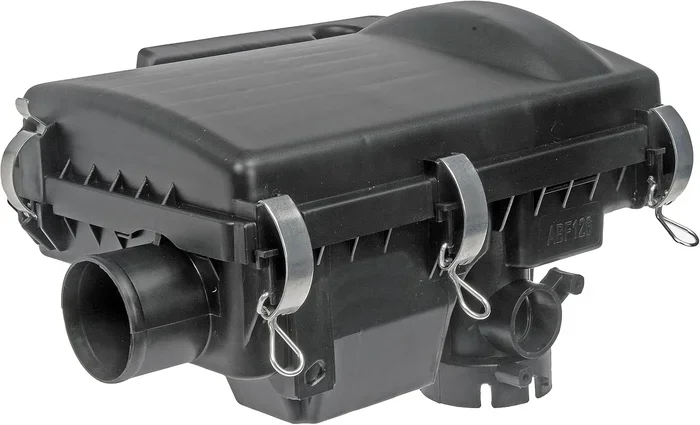
The air filter box is a plastic or metal housing that holds the engine air filter. It is usually box-shaped, though some vehicles use a round canister design. The box has a large opening on one side where the filter sits inside. On top or on the side, you will find a lid held down by a clip, a screw, or a wing nut. The lid often has a big rubber seal to keep unfiltered air from sneaking past.
Under the hood, the box is connected to the air intake duct. This is a large rubber or plastic tube that runs from the box to the engine’s throttle body. The tube is usually about two to four inches in diameter. It is one of the biggest hoses in the engine bay, which makes it easy to spot. If you follow this tube, you will almost always end up at the air filter housing.
Here are some visual clues to help you identify the box:
- Shape: Rectangular or square, sometimes round in older vehicles.
- Size: Roughly the size of a shoebox or larger, depending on the vehicle.
- Color: Usually black, but can be silver or gray on some models.
- Material: Mostly plastic, though some performance vehicles use metal housings.
- Attachments: A large rubber tube or plastic duct connected to one side.
- Lid Mechanism: A spring clip, thumb screw, or wing nut on top.
Not every air filter box looks the same. Newer cars tend to use sleeker, more compact designs. Older cars may have a bulkier, more obvious box. SUVs and trucks often have bigger housings because their engines need more airflow. Keep these visual cues in mind as you search. The shape and size may vary, but the basic design stays the same across most vehicles.
Where Is the Air Filter Box Usually Located?
The location of the air filter box depends on your vehicle’s make, model, and engine type. However, there are a few common spots where you will find it in most cars. Let us walk through each one so you know exactly where to look.
Near the Top of the Engine Bay
In most front-wheel-drive sedans and hatchbacks, the air filter housing sits near the top of the engine bay. It is often close to the windshield, on the driver or passenger side. This spot is convenient because it is easy to access. You do not need to remove any other parts to reach it. Just look up after opening the hood, and scan for the boxy shape with the big tube attached.
On the Side of the Engine
Many vehicles place the air filter box on the side of the engine. In some cars, it sits near the front, close to the radiator. In others, it is tucked toward the back of the engine bay. Side-mounted boxes are very common in compact cars and mid-size sedans. If you are looking at your engine from the front, check both the left and right sides. The box should be easy to see once you know what shape you are looking for.
Behind the Battery
Some vehicles hide the air filter box behind the battery. This is common in certain models from manufacturers like Honda, Toyota, and Ford. If you see the battery sitting in the open, look directly behind it. You might need to move the battery terminal aside for a better view. The box will be connected to a duct that runs toward the throttle body on top of the engine.
In SUVs and Trucks
SUVs and trucks often have a different engine bay layout. The air filter housing in these vehicles may sit lower or more to the side. In some trucks, the box is mounted near the inner fender wall. In larger engines, you might even find two filter housings. If you own a larger vehicle, take a moment to look around the entire engine bay. The box will still have that characteristic shape and tube connection.
For a visual reference on different vehicle types and their engine layouts, you can check out what types of vehicles a local Chevrolet dealership carries to get a better sense of how engine bays differ across models.
How to Find the Air Filter Box Step by Step
Now that you know what the box looks like and where it usually sits, let us walk through the actual process of finding it. These steps work for most vehicles, from economy cars to light trucks.
Step 1: Park on a flat surface and let the engine cool. Wait at least 15 to 20 minutes after driving. The engine bay gets very hot, and you do not want to burn yourself. Pop the hood using the interior release lever. Secure it with the prop rod or hood latch.
Step 2: Look for the biggest rubber or plastic tube. The air intake duct is one of the most visible parts of the engine bay. It is a wide, flexible tube that connects the engine to the air filter box. Follow this tube in either direction. One end connects to the throttle body on the engine. The other end connects to the filter housing.
Step 3: Identify the box at the end of the tube. The tube will lead you straight to the air filter housing. It will be a distinct box or canister shape with a removable lid. You cannot miss it once you spot the big duct.
Step 4: Check for the lid mechanism. Look at the top or side of the box. You should see a spring-loaded clip, a screw, or a wing nut. This is what holds the lid shut and keeps the filter sealed inside. If you see this mechanism attached to a boxy housing, you have found it.
Step 5: Consult your owner manual if needed. Every vehicle is a little different. If you still cannot locate the air filter box, flip through your owner manual. There is usually a diagram of the engine bay that marks the filter location. You can also search online for your specific year, make, and model plus the words “air filter box location.”
For tips on other DIY under-hood tasks, check out our guide on installing splash guards yourself to learn more about working safely in the engine bay.
Common Mistakes People Make When Looking for the Air Filter Box
Finding the air filter box sounds simple, but many people make mistakes the first few times. Here are some common errors to avoid so you do not waste time or accidentally damage something.
Mistake 1: Confusing the air filter box with the fuse box. Some vehicles have a rectangular box near the engine that is actually the fuse box, not the air filter housing. The fuse box usually has a plastic lid with a diagram on it. The air filter box will have a big tube connected to it and no electrical connections. Always trace the tube to be sure.
Mistake 2: Searching in the wrong area. Do not just look in one spot. The air filter box can be on either side of the engine, at the top or the side. Move around the vehicle and look from different angles. Sometimes you need to crouch down and look up to see it clearly.
Mistake 3: Forgetting to disconnect the battery. While it is not always required, disconnecting the battery before reaching into the engine bay is a smart safety habit. It prevents accidental shorts or shocks. If you are doing any work beyond just locating the box, this step becomes even more important.
Mistake 4: Forcing the lid open. The lid on the air filter housing is held by a clip or screw. Do not use excessive force to remove it. If it does not budge, double-check that you have released any clips or loosened any screws. Forcing it can crack the housing or break the seal.
Mistake 5: Ignoring the owner manual. Your vehicle’s manual is the best resource. It shows you exactly where the air filter box is and how to open it. Skipping this step can lead to confusion, especially with newer vehicles that have unique engine bay layouts.
Why Knowing the Air Filter Box Location Matters
You might wonder why it is so important to know where the air filter box sits. After all, can you not just take the car to a mechanic? While that is an option, there are real benefits to knowing this yourself.
First, it saves you money. Replacing an engine air filter is one of the cheapest and easiest maintenance tasks you can do. A new filter costs between 15 and 30 dollars. A mechanic might charge you 50 or more just for the labor. If you know where the box is, you can do the swap in five minutes.
Second, it helps you keep up with regular maintenance. When you can see and access the air filter housing easily, you will remember to check it more often. A dirty filter reduces engine performance. It can lower your fuel economy by up to 10 percent. Over time, that adds up at the pump. Keeping the filter clean means your engine breathes better and runs stronger.
Third, it builds your confidence as a car owner. Every small DIY task you complete makes the next one easier. Once you have found and replaced your air filter, you will feel more comfortable tackling other simple maintenance jobs. It is a great starting point for anyone new to car care.
If you want to learn more about maintaining your vehicle, our article on doing your own car diagnostics offers great tips for taking a hands-on approach to car care.
Quick Tips for Air Filter Box Maintenance
Once you have found the air filter box, keeping it in good shape is straightforward. Here are some quick tips to make the process easy and effective.
- Check your filter every 12,000 to 15,000 miles. More frequent checks are helpful if you drive in dusty or dirty conditions.
- Tap the filter gently before replacing it. This dislodges loose dirt and dust. You can also use compressed air, blowing from the clean side to the dirty side.
- Never wash a paper air filter. Paper filters are designed to be replaced, not cleaned. Washing them damages the filter material.
- Inspect the housing and lid seal. Make sure the rubber seal is intact and free of cracks. A damaged seal lets unfiltered air into the engine.
- Use the correct filter for your vehicle. Check your owner manual or the filter box for the right part number. A mismatched filter will not fit properly.
- Clean the air filter box interior. Before dropping in a new filter, wipe out any debris inside the housing. A clean box helps the new filter perform better.
These simple habits go a long way. They keep your air intake system working efficiently and protect your engine from premature wear. A few minutes of attention now can save you hundreds of dollars in repairs later.
How the Air Filter Box Connects to Engine Performance
The air filter box is not just a simple container. It plays a direct role in how your engine performs. The engine needs a precise mix of air and fuel to run correctly. The air filter ensures that only clean air enters the combustion chamber. Without it, dust and particles would damage internal components over time.
A clogged or dirty filter restricts airflow. This creates a rich fuel mixture, which means too much fuel and not enough air. The result is reduced power, poor acceleration, and lower gas mileage. In severe cases, a blocked filter can cause the engine to stall or fail to start.
On the other hand, a clean air filter allows the engine to breathe freely. Airflow improves, combustion becomes more efficient, and you get better performance. Some car enthusiasts upgrade to high-flow air filter boxes or cold air intake systems. These aftermarket parts allow even more air to reach the engine, boosting horsepower and throttle response.
For the everyday driver, however, simply keeping the stock air filter housing clean and replacing the filter on schedule is more than enough. You do not need expensive upgrades. Just regular attention to this one part under the hood makes a noticeable difference.
When to Replace Your Air Filter
Knowing how to find the air filter box is only half the battle. You also need to know when to replace the filter inside it. Here are the signs that it is time for a new one:
- Reduced fuel economy. If you are filling up more often than usual, a dirty filter might be the cause.
- Sluggish acceleration. The engine feels slow to respond when you press the gas pedal.
- Rough idling. The engine shakes or sounds uneven when you are stopped.
- Black smoke from the exhaust. This can indicate a rich fuel mixture caused by restricted airflow.
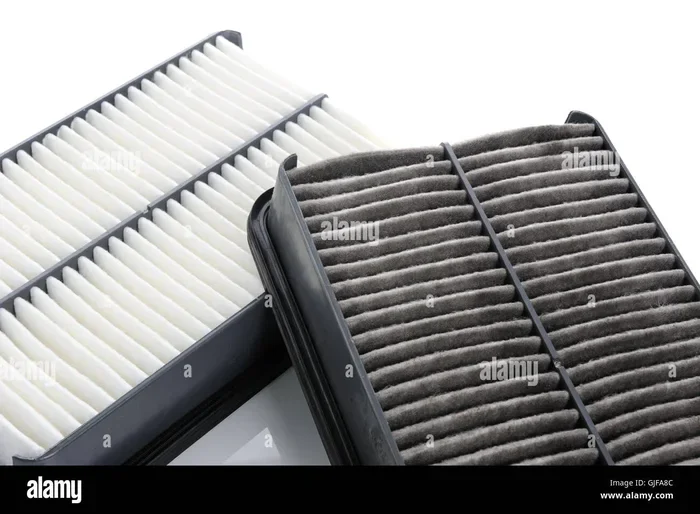
- Visible dirt on the filter. When you open the air filter housing, look at the filter. If it is dark gray or black instead of off-white, it needs replacing.
- Check engine light. In some cases, a severely restricted filter triggers the check engine light.
Most manufacturers recommend replacing the engine air filter every 12,000 to 15,000 miles. However, if you drive on gravel roads, in heavy traffic, or in areas with poor air quality, you may need to replace it more often. Checking the filter regularly helps you stay ahead of the problem.
Key Takeaways
- Know Your Hood Layout: The air filter box sits near the top or side of the engine bay, usually connected to the air intake duct.
- Look for a Boxy Plastic Housing: It has a large circular or rectangular opening and a clip or screw holding the lid in place.
- Follow the Air Intake Tube: Tracing the big rubber or plastic tube from the throttle body leads you straight to the filter box.
- Location Varies by Vehicle: Sedans, SUVs, and trucks may place the box in different spots, so always check your owner manual.
- Safety First: Always let the engine cool before reaching under the hood to avoid burns.
- Regular Checks Matter: A clean air filter keeps your engine running smoothly and improves fuel economy.
Frequently Asked Questions
Where is the air filter box located in most cars?
The air filter box is usually found near the top or side of the engine bay. It connects to a large rubber or plastic tube that runs to the throttle body. In most sedans, it sits close to the windshield on either side. In SUVs and trucks, it may be lower or toward the fender. If you are unsure, consult your vehicle’s owner manual for the exact location.
Can I replace the air filter myself?
Absolutely. Replacing the engine air filter is one of the easiest DIY maintenance tasks. Once you locate the air filter housing, you simply unclip or unscrew the lid, pull out the old filter, and drop in a new one. It takes about five minutes and requires no special tools. Just make sure you buy the correct filter size for your vehicle.
What does a clogged air filter do to my car?
A clogged air filter restricts airflow to the engine. This creates a rich fuel mixture, which leads to reduced power, poor acceleration, and lower fuel economy. In severe cases, it can cause rough idling or even engine stalling. Replacing a dirty filter is cheap and quick, so there is no reason to let it go too long.
How often should I check my air filter?
You should inspect your air filter every 12,000 to 15,000 miles. However, if you drive in dusty conditions or on unpaved roads, check it more often. A quick visual inspection when you are under the hood takes only a few seconds. If the filter looks dark and dirty, it is time for a replacement.
Is it safe to open the air filter box while the engine is warm?
It is best to let the engine cool for at least 15 to 20 minutes before opening the air filter box. The engine bay can get very hot, and reaching in while components are warm increases the risk of burns. Once the engine is cool, you can safely open the housing and inspect or replace the filter.
Can I use any air filter for my car?
No, you should always use the filter size and type recommended for your specific vehicle. Using the wrong filter can lead to poor fit, unfiltered air entering the engine, and reduced performance. Check your owner manual or the old filter for the correct part number before purchasing a replacement.
=== CONCLUSION ===
Finding the air filter box under the hood does not have to be a mystery. With the right knowledge, you can locate it quickly and confidently every single time. Remember to look for the boxy housing connected to the large air intake duct. Follow the tube, spot the lid, and you are there. It is a simple skill that pays off in big ways. You save money, stay on top of maintenance, and keep your engine healthy for years to come.
The air filter box is one of those under-hood components that deserves your attention. It works silently but plays a critical role in engine performance. A clean filter means better airflow, improved fuel economy, and smoother driving. Take a few minutes to learn where yours is located. The next time you are under the hood, you will know exactly where to look. Start today, and you will wonder why you did not do it sooner.