Can a Coolant Leak Cause Overheating and Engine Damage
Yes, a coolant leak can absolutely cause your engine to overheat and suffer severe damage. When coolant levels drop, your engine loses its ability to regulate temperature, leading to warped heads, blown gaskets, and even total engine failure. In this guide, we break down exactly how a coolant leak triggers overheating, the warning signs to watch for, and the steps you can take to protect your engine before it is too late.
Your car’s engine runs hot. Like, really hot. We are talking thousands of degrees of heat generated every single time you turn the key. And the only thing standing between your engine and melting down is a simple fluid called coolant. So what happens when that coolant starts to leak? Can a coolant leak cause overheating, and more importantly, can it cause permanent engine damage? The short answer is yes, and the damage can happen faster than most people realize.
If you have ever noticed a puddle of green, orange, or pinkish fluid under your car, or seen your temperature gauge spike on the highway, you already know how scary this situation can feel. A coolant leak is not just a minor annoyance. It is a warning signal from your car that something is wrong inside the cooling system. Ignoring it can turn a small repair into a massive engine rebuild. In this article, we will walk you through everything you need to know about coolant leaks, overheating, and how to protect your engine before it is too late.
Whether you are a seasoned DIY mechanic or someone who just wants to understand what is going on under the hood, this guide has you covered. We will break down the science behind how cooling systems work, the most common causes of leaks, the signs you should never ignore, and the steps you can take to fix the problem. By the end, you will know exactly how serious a coolant leak really is and what to do about it.
Key Takeaways
- Coolant is essential: Without proper coolant levels, your engine cannot maintain a safe operating temperature.
- Leaks happen for many reasons: From worn hoses to a failing water pump, several components can develop leaks over time.
- Overheating causes real damage: Even a few minutes of running hot can warp engine parts and blow head gaskets.
- Early detection saves money: Catching a coolant leak early prevents costly engine repairs down the road.
- DIY checks are simple: You can inspect coolant levels, hoses, and the radiator cap at home with basic tools.
- Prevention is key: Regular coolant flushes and inspections keep your cooling system working strong for years.
📑 Table of Contents
How Your Car’s Cooling System Works
Before we dive into the damage a coolant leak can cause, it helps to understand how your cooling system keeps your engine from turning into a paperweight. The cooling system is a closed loop that circulates coolant through the engine block, the radiator, and a series of hoses and pumps. Here is how it all comes together.
The Role of Coolant in Engine Temperature Control
Coolant, also called antifreeze, is a specially formulated liquid that absorbs heat from the engine. As the engine runs, coolant flows through channels inside the engine block. It picks up heat and carries it to the radiator, where the heat is released into the air. Then the cooled fluid cycles back through the engine to do it all over again.
This process happens constantly while your car is running. The thermostat opens and closes to regulate the flow, and the water pump pushes the coolant through the system at the right pressure. Without enough coolant, this whole cycle breaks down. The engine starts to heat up with no way to cool off.
Key Components of the Cooling System
Several parts work together to keep your engine at the right temperature. Here are the most important ones:
- Radiator: Releases heat from the coolant into the surrounding air.
- Water Pump: Circulates coolant through the engine and radiator.
- Thermostat: Regulates coolant flow based on engine temperature.
- Hoses: Carry coolant between the engine, radiator, and heater core.
- Radiator Cap: Maintains proper pressure in the system.
- Coolant Reservoir: Holds extra coolant and allows for expansion.
When any one of these parts fails or develops a leak, the entire system is compromised. And that is exactly how a small leak turns into a big problem.
Common Causes of Coolant Leaks
Coolant leaks do not just happen out of nowhere. There is almost always a reason behind them. Understanding the common causes can help you spot the problem early and avoid expensive repairs.
Worn or Cracked Hoses
The rubber hoses that carry coolant through your engine are under constant pressure and heat. Over time, they crack, swell, and eventually spring leaks. A cracked coolant hose is one of the most common reasons for a coolant leak, and it is also one of the easiest to fix. If you pop the hood and see a wet, crusty residue on a hose, that is your sign to replace it.
Faulty Radiator Cap
The radiator cap does more than just seal the top of your radiator. It also regulates the pressure inside the cooling system. When the cap fails, it cannot maintain the right pressure, and coolant can escape through the overflow hose. A bad radiator cap is a small part with a big impact.
Water Pump Failure
Your water pump is responsible for pushing coolant through the system. It has a seal that can wear out over time, and when it does, coolant leaks from the front of the pump. A failing water pump often makes a grinding or whining noise, so listen for unusual sounds under the hood.
Head Gasket Leak
A blown head gasket is one of the most serious causes of coolant loss. The head gasket sits between the engine block and the cylinder head, and when it fails, coolant can leak into the combustion chamber or oil passages. This type of leak often causes white smoke from the exhaust and a milky residue on the oil cap.
Radiator Damage
The radiator itself can develop leaks from corrosion, impact damage, or worn seams. A damaged radiator means coolant escapes directly from the tank or core. If you notice coolant dripping from the front of your car, the radiator is a likely culprit.
Can a Coolant Leak Cause Overheating?
This is the big question, and the answer is a definitive yes. When your coolant level drops below the minimum mark, the engine no longer has enough fluid to absorb and carry away heat. The temperature rises quickly, and before long, you are dealing with an overheating engine.
But how fast does this happen? It depends on the size of the leak. A tiny seep might take days or even weeks to drain enough coolant to cause problems. A large rupture, on the other hand, can leave you stranded on the side of the road within minutes. Either way, the result is the same: your engine starts to run hot, and the damage begins to mount.
The Overheating Process Explained
Here is what happens step by step when coolant leaks out and the engine overheats:
- Coolant level drops: The leaking fluid leaves the system, reducing the amount available to absorb heat.
- Engine temperature rises: Without enough coolant, the engine cannot shed heat efficiently.
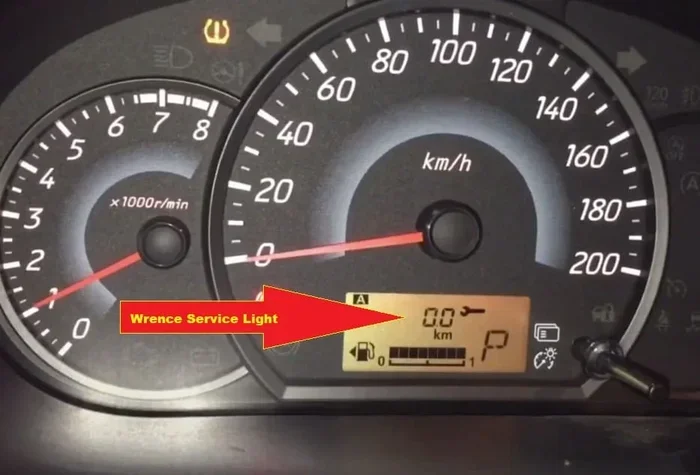
- Thermostat triggers warning: The temperature gauge moves into the red zone, and you may see a warning light on the dashboard.
- Heat builds rapidly: Metal engine parts start to expand from the excessive heat.
- Damage occurs: Warped cylinder heads, blown gaskets, and cracked engine blocks become real risks.
If you ever see your temperature gauge climbing into the red, pull over safely and turn off the engine. Continuing to drive an overheating car can cause catastrophic damage in a very short time.
How Long Can You Drive Before Damage Starts?
Every engine is different, but as a general rule, driving more than a few minutes with a severely low coolant level can cause damage. Some engines can tolerate a few minutes of high heat before the head gasket starts to fail. Others may warp a cylinder head in under ten minutes. The safest approach is simple: if your coolant is low, do not drive the car. Get it towed to a repair shop instead.
If you are ever unsure about whether it is safe to drive, it is always better to be cautious. You can check out our guide on Can I Drive 10 Miles On Empty for more tips on handling low-fluid situations safely.
Engine Damage Caused by Overheating
So what exactly happens to an engine when it overheats from a coolant leak? The damage can range from minor to catastrophic, depending on how long the engine runs hot and how hot it gets.
Warped Cylinder Head
The cylinder head sits on top of the engine block and houses the valves and spark plugs. When the engine overheats, the aluminum head can warp. A warped head means it no longer sits flush against the block, which causes compression leaks and coolant to enter the combustion chamber. Fixing a warped head usually requires resurfacing or replacing the part entirely.
Blown Head Gasket
The head gasket seals the gap between the head and the block. When an engine overheats, this gasket can fail. A blown head gasket allows coolant to mix with engine oil, combustion gases to escape into the cooling system, and coolant to enter the cylinders. The symptoms include white exhaust smoke, overheating, and a loss of power. Repairing a head gasket is expensive, often costing several hundred to over a thousand dollars depending on the vehicle.
Cracked Engine Block
In the worst cases, severe overheating can cause the engine block itself to crack. A cracked block means coolant leaks into the oil passages or combustion chambers, and the engine can seize entirely. A cracked engine block often means the engine needs to be replaced, which is one of the most costly repairs a car owner can face.
Damaged Pistons and Bearings
Excessive heat causes metal parts to expand beyond their designed tolerances. Pistons can seize in their cylinders, and bearings can fail from the heat and lack of proper lubrication. These types of damage often require a complete engine rebuild or replacement.
To put it simply, a coolant leak that leads to overheating can destroy your engine if left unchecked. The cost of a small hose replacement is nothing compared to the cost of a new engine.
How to Detect and Fix a Coolant Leak
The good news is that catching a coolant leak early can save you from all of the damage described above. Here is how you can detect and address the problem before it gets out of hand.
Signs You Have a Coolant Leak
- Puddles under your car: Look for bright green, orange, or pinkish fluid on the ground where you park.
- Low coolant level: Check the reservoir frequently. If the level drops between fill-ups, you have a leak.
- Sweet smell: Coolant has a slightly sweet odor. If you smell something sweet inside or outside the car, follow the scent.
- Overheating gauge: A rising temperature gauge is one of the clearest signs that coolant is low.
- White exhaust smoke: This can indicate coolant is burning in the combustion chamber, often from a head gasket leak.
- Bubbling in the reservoir: Air pockets in the cooling system from a leak can cause the coolant reservoir to bubble.
Step-by-Step Fix for a Coolant Leak
If you suspect a coolant leak, here is what you should do:
- Let the engine cool completely. Never open the radiator cap or touch the cooling system while the engine is hot. Serious burns can result.
- Check the coolant level. Look at the reservoir and the radiator (with the cap removed only when cool). Note the level.
- Inspect visible hoses and connections. Look for wet spots, cracks, or crusty residue on hoses, clamps, and fittings.
- Check the radiator cap. A failed cap can cause pressure loss and coolant overflow.
- Look for internal leaks. White smoke, milky oil, and bubbling in the reservoir can signal a head gasket issue.
- Use a cooling system pressure tester. This tool pressurizes the system and helps you pinpoint the exact location of a leak.
- Replace or repair the faulty part. Whether it is a hose, gasket, water pump, or radiator, get the damaged component fixed right away.
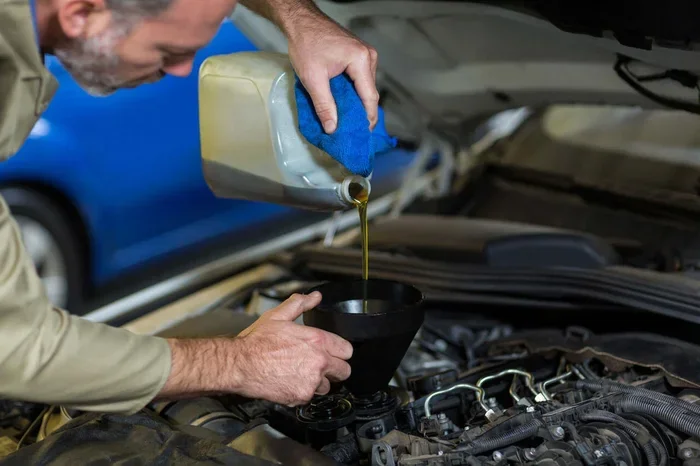
- Refill with the correct coolant. Use the type and mixture recommended by your vehicle manufacturer.
Some of these steps are simple enough for a home mechanic. If you are not comfortable working on your car, take it to a trusted mechanic. You can also try diagnosing the issue yourself by checking out our article on Can I Do My Own Car Diagnostics for helpful tips on identifying car problems at home.
Quick Tips for Preventing Coolant Leaks
- Check your coolant level once a month.
- Replace hoses every 40,000 to 60,000 miles.
- Flush and refill the coolant according to your vehicle’s maintenance schedule.
- Use the correct coolant type for your engine.
- Inspect the radiator cap for cracks or a weak seal.
- Watch the temperature gauge during every drive.
How Weight and Load Affect Your Car’s Engine
While a coolant leak is one of the most direct causes of engine overheating, it is worth noting that other factors can put extra stress on your engine and cooling system. For example, carrying too much weight in your vehicle forces the engine to work harder, which generates more heat. This can make an already weak cooling system even more vulnerable to overheating.
If you have ever wondered whether the weight you carry matters, the answer is yes. Excessive load strains the engine, the brakes, and the suspension. It can also push an aging cooling system past its limits. If you are carrying heavy items regularly, it is even more important to keep your coolant system in top shape.
For more information on how weight affects your vehicle, check out our article Can I Put Too Much Weight In My Car for a detailed breakdown of load limits and their effects on your car.
When to Seek Professional Help
Not every coolant leak is a simple fix. If you notice any of the following situations, it is time to see a professional mechanic:
- The leak is coming from inside the engine or near the head gasket.
- Your engine has been overheating for more than a few minutes.
- You see white smoke from the exhaust that does not go away.
- The coolant mixes with oil or appears milky.
- The temperature gauge reaches the red zone repeatedly.
- You cannot find the source of the leak despite a thorough inspection.
Trying to drive an overheating engine in hopes of reaching a shop is a mistake. Call a tow truck and get the car transported safely. The cost of a tow is nothing compared to the cost of a new engine.
Regular maintenance goes a long way in preventing these issues. Stay on top of coolant flushes, hose replacements, and radiator inspections. A little prevention today can save you thousands of dollars tomorrow.
Final Thoughts
A coolant leak is one of those car problems that seems small at first but can turn into a nightmare if ignored. The answer to the question can a coolant leak cause overheating is absolutely yes. And once overheating sets in, the damage to your engine can be severe, costly, and sometimes irreversible. The key is to catch the leak early, address it quickly, and keep your cooling system in good shape with regular maintenance.
Your engine depends on coolant to survive. Treat it with respect, keep an eye on your temperature gauge, and never ignore a puddle of colorful fluid under your car. A few minutes of attention now can save you from a lifetime of engine trouble.
Frequently Asked Questions
Can a small coolant leak cause overheating?
Yes, even a small coolant leak can eventually cause overheating. Over time, the fluid level drops low enough that the engine can no longer cool itself properly. What starts as a minor seep can become a major problem if you do not check and refill your coolant regularly.
How do I know if my coolant is leaking internally?
Internal coolant leaks often show up as white exhaust smoke, a milky residue on the oil cap, or bubbles in the coolant reservoir. If you notice any of these signs, have a mechanic inspect your head gasket and engine internals right away.
Is it safe to drive with a coolant leak?
No, it is not safe. Driving with a coolant leak risks overheating, which can cause severe engine damage in a short amount of time. If you must move the car, tow it to a repair shop instead of driving it yourself.
How much does it cost to fix a coolant leak?
The cost depends on where the leak is coming from. A hose replacement might cost under fifty dollars, while a water pump or head gasket repair can run several hundred to over a thousand dollars. The earlier you catch the leak, the less it costs to fix.
Can I use water instead of coolant in an emergency?
Yes, in a pinch you can add plain water to the radiator to get to a nearby shop. However, water does not protect against freezing or boiling as well as coolant does. Use water only temporarily and flush the system with proper coolant as soon as possible.
How often should I change my coolant?
Most manufacturers recommend a coolant flush every 30,000 to 60,000 miles, but check your owner’s manual for the exact schedule. Old coolant loses its effectiveness and can contribute to leaks and overheating over time.