What Is the Most Common Problem with Traction Control
The most common problem with traction control is a faulty wheel speed sensor, which causes the system to malfunction or fail entirely. When your traction control system stops working properly, you lose a critical safety feature that helps keep your car stable on slippery roads. Understanding the root cause, warning signs, and fix options can save you time, money, and potentially prevent accidents. This guide walks you through everything you need to know about traction control problems and how to solve them.
You are driving on a wet road. Your foot presses the gas pedal, and instead of spinning freely, your car grips the surface and moves forward safely. That is your traction control system doing its job. But what happens when it stops working? The answer is usually simpler than you think.
The most common problem with traction control is a faulty wheel speed sensor. This small component plays a huge role in keeping your car stable. When it fails, the entire system suffers. In this article, we will explore why this happens, what signs to look for, and how you can fix it. Whether you are a car owner, a DIY mechanic, or just curious about vehicle safety, this guide has you covered.
Traction control is one of those features you do not think about until it stops working. Most drivers trust their cars to handle slippery roads without giving the system a second thought. But when the light comes on and the system fails, panic sets in. Understanding the common issues with traction control helps you stay safe and avoid costly repairs. Let us dive into the details.
Key Takeaways
- Faulty wheel speed sensors are the #1 cause of traction control failure in most vehicles.
- Warning lights on your dashboard are the clearest sign that something is wrong with your traction control system.
- Simple fixes like resetting the system or replacing a sensor can resolve most common issues without expensive repairs.
- Ignoring traction control problems can lead to dangerous driving conditions, especially on wet or icy roads.
- Regular maintenance and timely replacements keep your traction control system working reliably for years.
- DIY troubleshooting steps can help you identify the problem before visiting a mechanic.
- Traction control works closely with ABS and stability control, so one issue can affect the entire system.
📑 Table of Contents
- What Is Traction Control and How Does It Work?
- The Most Common Problem with Traction Control
- Why Does Traction Control Fail?
- Signs Your Traction Control Is Acting Up
- How to Fix Traction Control Problems
- Preventing Traction Control Issues
- Traction Control vs. Other Stability Systems
- Traction Control Repair Cost: What to Expect
- Key Takeaways
- Conclusion
What Is Traction Control and How Does It Work?
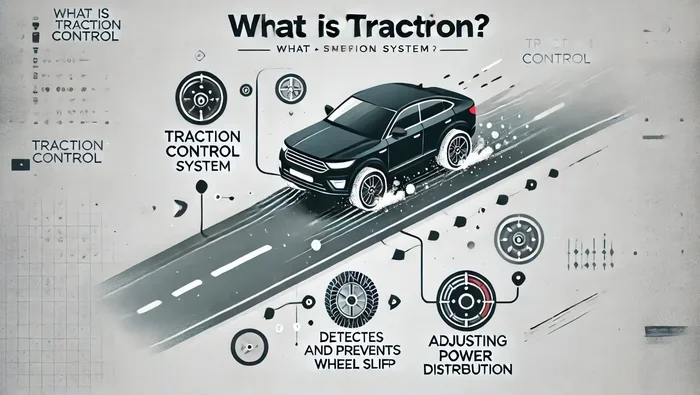
Before we look at the problems, it helps to understand how the system works. Traction control is an electronic safety feature in your vehicle. It prevents your drive wheels from spinning out when you accelerate on slippery surfaces. The system works hand in hand with your anti-lock braking system, or ABS, and electronic stability control.
Here is how it works in simple terms. Your car has sensors on each wheel. These sensors, called wheel speed sensors, monitor how fast each wheel is spinning. When the system detects that one wheel is spinning faster than the others, it knows that wheel has lost traction. The traction control module then reduces engine power or applies the brakes to that specific wheel. This helps you maintain control.
The whole process happens in milliseconds. You do not even notice it working most of the time. That is a good thing. It means the system is doing its job quietly in the background. But when a component fails, the system cannot do its job at all.
Key Components of the Traction Control System
Several parts work together to make traction control function properly. Let us look at the main ones.
- Wheel speed sensors: These monitor the rotation speed of each wheel. They send data to the traction control module.
- Traction control module: This is the brain of the system. It processes sensor data and makes real-time decisions.
- ABS modulator: This applies brake pressure to individual wheels when needed.
- Engine control unit: It works with the traction control system to adjust throttle input.
- Wiring and connectors: These carry signals between all the components.
When any one of these parts fails, the entire system can be affected. But the wheel speed sensor is the most likely culprit. It is exposed to road conditions, heat, and debris every single day. Over time, this wear and tear takes its toll.
The Most Common Problem with Traction Control
Let us get straight to the point. The most common problem with traction control is a defective wheel speed sensor. This issue accounts for the majority of traction control failures in vehicles across all makes and models. But why is this sensor so prone to failure?
Wheel speed sensors sit close to the moving parts of your wheel hub assembly. They are exposed to dirt, water, road salt, and extreme heat. Over time, the sensor tip can become dirty or damaged. The magnetic tip can collect metal debris from the road. This buildup interferes with the sensor’s ability to read wheel speed accurately.
When the sensor sends incorrect data, the traction control module gets confused. It cannot tell which wheel has lost traction. The system may shut down entirely, or it may activate randomly. Both situations are dangerous and frustrating.
Why Wheel Speed Sensors Fail
Several factors contribute to wheel speed sensor failure. Understanding these causes can help you prevent the problem or catch it early.
- Dirt and debris buildup: Road grime accumulates on the sensor tip over time. This blocks the magnetic field and disrupts readings.
- Wiring damage: The wires connecting the sensor to the module can fray or corrode. This breaks the electrical connection.
- Heat exposure: The sensor sits near the brake rotor and hub. Constant heat exposure can degrade the sensor over time.
- Impact damage: Potholes, curbs, and road debris can physically damage the sensor or its housing.
- Age and wear: Like all car parts, wheel speed sensors have a lifespan. After many miles, they naturally wear out.
The good news is that replacing a wheel speed sensor is one of the more affordable traction control repairs. Most mechanics can do it in under an hour. The part itself usually costs between 50 and 200 dollars, depending on your vehicle make and model. Labor costs add another 50 to 100 dollars in most cases.
Why Does Traction Control Fail?
While a bad wheel speed sensor is the top cause, traction control can fail for several other reasons. Let us look at the full picture of what can go wrong.
Faulty Wiring and Connectors
Electrical problems are the second most common cause of traction control issues. Your car’s wiring system is complex and vulnerable. Wires can corrode, especially in areas with cold winters and road salt. Connectors can loosen or corrode over time. When the connection between the wheel speed sensor and the traction control module is interrupted, the system fails.
Corroded connectors are especially common near the wheel wells. These areas are exposed to water, mud, and salt spray every time you drive. Over months and years, the corrosion builds up and eventually causes a break in the signal. The traction control module stops receiving data and the system goes offline.
Damaged Traction Control Module
The traction control module is the central computer that manages the system. In rare cases, the module itself can fail. This usually happens after an electrical surge, water intrusion, or a major impact. A damaged module is a more serious and expensive problem to fix.
Replacing or reprogramming a traction control module can cost several hundred dollars. In some cases, the module needs to be flashed with updated software. This requires specialized diagnostic equipment that not all repair shops have. If you suspect a module issue, it is best to visit a qualified technician.
Low Traction Control Fluid or Fuse Issues
Some vehicles use a separate hydraulic unit for traction control. This unit relies on brake fluid to operate. If the fluid level drops low, the system may not function properly. A blown fuse can also disable the entire traction control system. These are simple fixes, but they are often overlooked.
Checking your fuse box is an easy first step if your traction control stops working. Consult your vehicle owner’s manual to locate the traction control fuse. If the fuse is blown, replacing it may solve the problem instantly. However, if the fuse blows again, there is a deeper electrical issue that needs professional attention.
Signs Your Traction Control Is Acting Up
How do you know something is wrong with your traction control? Your car gives you plenty of warning signs. The key is knowing what to look for. Catching these signs early can prevent bigger problems down the road.
- Traction control warning light on the dashboard: This is the most obvious sign. The light usually looks like a car with squiggly lines underneath. If it stays on, the system has detected a fault.
- Wheel spin during acceleration: If you press the gas pedal and your wheels spin freely on dry pavement, traction control is not engaging. This is a clear sign of a problem.
- Unstable handling on slippery roads: You may notice your car feels less stable on wet or icy roads. The vehicle may fishtail or feel unresponsive when you try to steer.
- ABS light also illuminated: Since traction control and ABS share components, a problem with one often triggers the other warning light.
- Flashing traction control light: A flashing light usually indicates a more serious issue that needs immediate attention.
- Error messages on the dashboard display: Modern vehicles show specific warning messages. These may say “Traction Control Off” or “Check Traction Control System.”
If you notice any of these signs, do not ignore them. Traction control is a safety system. Driving without it, especially in bad weather, significantly increases your risk of losing control of the vehicle.
Quick Tips for Identifying Traction Control Issues
Here are some simple steps you can take to identify traction control problems on your own.
- Check the dashboard lights. Start your car and watch for any warning lights that stay on after the engine starts.
- Test on a safe, slippery surface. In a controlled environment, gently accelerate on a wet or icy road. Listen for any unusual behavior.
- Use an OBD2 scanner. This tool reads error codes from your car’s computer. Codes starting with “C” often relate to traction control and ABS issues.
- Inspect the wheel speed sensors visually. Look for dirt buildup, damaged wiring, or loose connectors near the wheel hubs.
- Check the brake fluid level. Low fluid can affect both braking and traction control systems.
These steps will not replace a professional diagnosis, but they can give you a good starting point. Many auto parts stores will read your error codes for free. This can save you time and money before you visit a mechanic.
How to Fix Traction Control Problems
Fixing traction control problems depends entirely on the root cause. Some repairs are simple and cheap. Others require professional help. Let us walk through the most common fixes.
Resetting the Traction Control System
Sometimes the system just needs a reset. This is the easiest fix and costs nothing. To reset the system, follow these steps.
- Turn off your engine and wait for 30 seconds.
- Disconnect the negative battery terminal for 5 minutes.
- Reconnect the terminal and start the engine.
- Drive slowly and check if the traction control light has turned off.
A reset clears temporary error codes and can resolve minor glitches. If the light comes back on after a reset, the problem is more serious and needs further investigation.
Replacing the Wheel Speed Sensor
If the wheel speed sensor is the problem, replacing it is usually straightforward. Here is what the process looks like.
- Locate the faulty sensor using a diagnostic tool or vehicle service manual.
- Disconnect the electrical connector attached to the sensor.
- Remove the mounting bolt or clip holding the sensor in place.
- Pull the old sensor out and clean the mounting area.
- Install the new sensor and secure it with the bolt or clip.
- Reconnect the electrical connector.
- Clear the error codes with a scanner and test drive the vehicle.
Most car owners with basic mechanical skills can replace a wheel speed sensor at home. The job typically takes 30 to 60 minutes per wheel. Just make sure you buy the correct sensor for your specific vehicle model.
Repairing Wiring and Connectors
If the problem is in the wiring, you have a few options. For minor corrosion, cleaning the connectors with electrical contact cleaner can restore the connection. For damaged wires, you may need to splice in new wire or replace the entire harness. This is more involved but still manageable for most DIY mechanics.
When repairing wiring, always use wire rated for automotive use. Standard household wire is not designed to handle the heat and vibration of a moving vehicle. Use heat-shrink connectors for a secure and weatherproof connection.
Replacing the Traction Control Module
A failed traction control module needs professional replacement. This is not a DIY job for most people. The module requires programming and calibration after installation. A certified mechanic or dealership technician should handle this repair.
The cost of replacing a traction control module ranges from 300 to 1,200 dollars. The wide range depends on your vehicle make, the cost of the part, and local labor rates. Always get a detailed quote before approving the repair.
Preventing Traction Control Issues
Prevention is always better than repair. You can take several steps to keep your traction control system healthy and reliable for the long haul.
- Keep your wheel speed sensors clean: During routine maintenance, ask your mechanic to inspect the sensors and clean them if needed. This simple step prevents most sensor-related failures.
- Check wiring and connectors regularly: Look for signs of corrosion, fraying, or loose connections near the wheel wells and undercarriage.
- Maintain your brake fluid: Follow your vehicle’s recommended brake fluid change schedule. Fresh fluid keeps the hydraulic components working properly.
- Drive carefully over rough roads: Avoid potholes and debris whenever possible. Impacts can damage sensors, wiring, and other traction control components.
- Address warning lights immediately: Never ignore a traction control warning light. Early detection prevents small problems from becoming big, expensive repairs.
- Keep your tires in good condition: Worn tires reduce traction and put extra strain on the traction control system. Regular tire rotations and replacements help the system work more efficiently.
Taking care of your vehicle means taking care of your safety. The traction control system is one of the most important safety features in modern cars. A few minutes of preventive maintenance can keep it working perfectly for years.
Expert Insights on Traction Maintenance
Automotive experts agree that regular inspections are the best defense against traction control failure. Many mechanics recommend having the entire system checked during every oil change or tire rotation. This includes inspecting the wheel speed sensors, checking wiring, and scanning for error codes. Catching a small issue early can save hundreds of dollars in repairs and, more importantly, keep you safe on the road.
Weather conditions also play a big role in traction control wear. If you live in an area with harsh winters, road salt, and frequent snow, your traction control system works harder and wears out faster. In these climates, consider having the system inspected twice a year, once before winter and once after spring.
Traction Control vs. Other Stability Systems
Traction control does not work alone. It is part of a larger family of electronic stability systems in your vehicle. Understanding how these systems relate helps you diagnose problems more accurately.
Your vehicle likely has three main stability systems working together. First, there is traction control, which prevents wheel spin during acceleration. Second, there is ABS, which prevents wheel lockup during braking. Third, there is electronic stability control, which helps you maintain direction during sharp turns or sudden maneuvers. All three systems share wheel speed sensors and often share the same control module.
This shared architecture means a single problem can affect multiple systems. If your traction control light is on, there is a good chance your ABS and stability control lights are also illuminated. This is because they all rely on the same wheel speed data. When one sensor fails, the entire network of safety systems is impacted.
Understanding this connection is important when diagnosing issues. If you see multiple warning lights at once, the root cause is likely a shared component like a wheel speed sensor or the main control module. This knowledge helps you and your mechanic narrow down the problem faster.
Traction Control Repair Cost: What to Expect
The cost of fixing traction control problems varies widely depending on the cause. Here is a general breakdown of what you can expect.
- Wheel speed sensor replacement: 100 to 300 dollars total (parts and labor).
- Wiring repair: 50 to 200 dollars depending on the extent of damage.
- Fuse replacement: 5 to 20 dollars for the part, plus minimal labor.
- Traction control module replacement: 300 to 1,200 dollars depending on the vehicle.
- Full system diagnostic: 50 to 150 dollars at most repair shops.
These are general estimates and can vary based on your location, vehicle make and model, and the severity of the issue. Always ask for a detailed estimate before authorizing any repair work. A reputable shop will explain the diagnosis and walk you through the cost breakdown.
Key Takeaways
- Faulty wheel speed sensors are the #1 cause of traction control failure in most vehicles.
- Warning lights on your dashboard are the clearest sign that something is wrong with your traction control system.
- Simple fixes like resetting the system or replacing a sensor can resolve most common issues without expensive repairs.
- Ignoring traction control problems can lead to dangerous driving conditions, especially on wet or icy roads.
- Regular maintenance and timely replacements keep your traction control system working reliably for years.
- DIY troubleshooting steps can help you identify the problem before visiting a mechanic.
- Traction control works closely with ABS and stability control, so one issue can affect the entire system.
Conclusion
The most common problem with traction control is a faulty wheel speed sensor, and the good news is that it is also one of the easiest and most affordable to fix. By understanding how your traction control system works and recognizing the warning signs early, you can address issues before they become serious safety concerns.
Do not ignore that warning light on your dashboard. It is your car telling you something needs attention. Whether it is a simple sensor replacement, a wiring repair, or a module reset, taking action quickly keeps you and your passengers safe on the road.
Regular maintenance goes a long way in preventing traction control problems. Keep your sensors clean, check your wiring, and stay on top of brake fluid changes. These small efforts pay off in big ways. Your traction control system is there for you every time you drive on a slippery road or take a sharp turn. Make sure it is always ready to do its job.
Now that you know the most common traction control problems and their solutions, you are better equipped to handle any issue that comes your way. Share this guide with a friend who might need it, and always prioritize safety on the road.
Frequently Asked Questions
Can I drive my car if the traction control light is on?
You can drive with the traction control light on, but it is not recommended. The system is disabled, which means you have less control on slippery surfaces. Drive carefully and get the issue diagnosed as soon as possible. Avoid wet or icy roads until the problem is fixed.
How much does it cost to fix a traction control sensor?
Replacing a wheel speed sensor typically costs between 100 and 300 dollars, including parts and labor. The exact price depends on your vehicle make and model, as well as local labor rates. Some vehicles have sensors that are easier to access than others, which affects the cost.
Can a bad wheel speed sensor cause ABS problems?
Yes, absolutely. Wheel speed sensors feed data to both the traction control system and the ABS system. A faulty sensor can cause ABS malfunctions, erratic braking, or the ABS warning light to illuminate. This is why it is important to address sensor issues promptly.
How do I reset my traction control system?
To reset the system, turn off your engine, disconnect the negative battery terminal for about 5 minutes, then reconnect it and restart the engine. This clears temporary error codes. If the light returns after a reset, there is a persistent issue that needs professional diagnosis.
What causes the traction control light to come on and off intermittently?
An intermittent traction control light often points to a wiring or connector issue. Corroded or loose connections can cause the signal to drop in and out. Moisture in the wheel well area is a common cause of intermittent electrical faults. Have a mechanic inspect the wiring and connectors if the light comes and goes.
Does traction control make a difference in normal driving conditions?
Yes, traction control helps even on dry roads. It prevents wheel spin during hard acceleration, which improves stability and tire wear. The system is most noticeable on slippery surfaces, but it works continuously to optimize your vehicle’s grip and stability in all conditions.