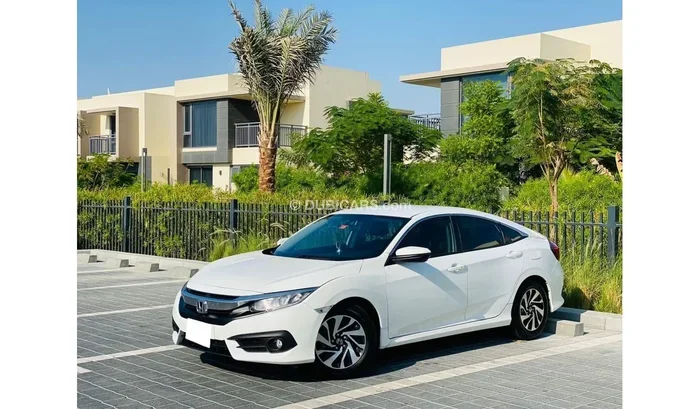
Do Honda Civics Hold Their Value After Years of Ownership
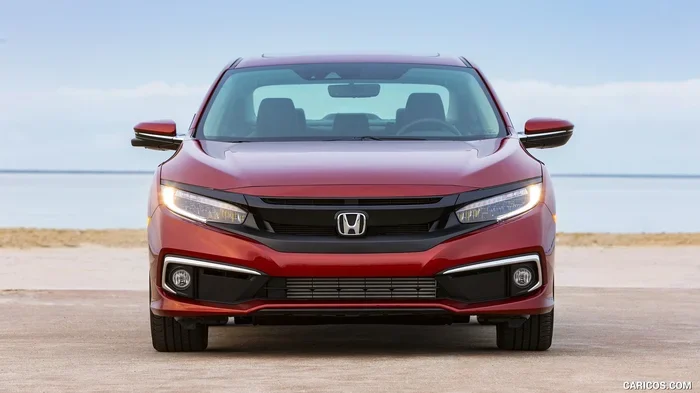
Honda Civics are widely known for holding their value remarkably well compared to many competitors in the compact car segment. Factors like reliability, fuel economy, and strong demand all contribute to solid resale performance across multiple generations. Whether you buy new or used, the Honda Civic remains one of the smartest choices for long-term vehicle retention.
When you buy a car, one of the biggest financial decisions you make is how well it will hold its value over time. Few vehicles earn a reputation for strong resale performance like the Honda Civic. This little compact car has been a favorite among drivers for decades, and its ability to retain market value year after year is truly impressive.
If you are thinking about buying a Honda Civic or already own one, you probably want to know: Do Honda Civics hold their value? The short answer is yes. The longer answer involves understanding how car depreciation works, what makes the Civic stand out, and how different factors influence vehicle retention over time. In this guide, we will break it all down so you can make a confident decision about your next car purchase.
The Honda Civic has been around since 1972, and through every generation, it has maintained a loyal following. Unlike many cars that lose value quickly, the Civic holds steady. This is not an accident. Honda built a reputation for reliability, and that reputation translates directly into stronger resale prices. Buyers trust the Civic because they know it will last, and that trust shows up in the numbers.
Key Takeaways
- Honda Civics depreciate slower than most compact cars: They retain roughly 50-60% of their value after five years.
- Reliability is the #1 reason: Low repair costs and proven durability make used Civics highly desirable.
- Trim level matters: Sport and Touring trims tend to hold value better than base LX models.
- Fuel economy boosts resale: Excellent MPG ratings attract budget-conscious buyers on the used market.
- Certified pre-owned options add value: Factory-backed warranties make pre-owned Civics even more appealing.
- Market demand stays strong: The Civic consistently ranks among the most searched used cars online.
- Maintenance history is critical: Well-documented service records can significantly increase a used Civic’s price.
📑 Table of Contents
- Understanding Car Depreciation and How It Affects the Honda Civic
- How Honda Civic Generations Compare in Resale Value
- Trim Levels and Their Impact on Honda Civic Resale Value
- Factors That Boost or Hurt Honda Civic Resale Value
- How the Honda Civic Compares to Competitors in Value Retention
- Tips to Maximize Your Honda Civic’s Resale Value
- Common Mistakes That Reduce Honda Civic Value
- Expert Insights on Honda Civic Value Retention
- Should You Buy a Honda Civic for Long-Term Value?
- Conclusion
Understanding Car Depreciation and How It Affects the Honda Civic
Every car loses value the moment you drive it off the lot. This process is called depreciation, and it affects every vehicle on the road. However, the rate of depreciation varies wildly from one model to another. Some cars drop 30% in value in the first year alone. The Honda Civic? It depreciates much more slowly.
What Is Car Depreciation?
Car depreciation is the difference between what you pay for a vehicle and what it is worth later. Most cars lose about 15% to 25% of their value in the first year. Over five years, many vehicles lose 50% or more of their original price. This is where the Honda Civic shines. Studies consistently show that the Civic loses less value than the average compact car.
According to industry data, a new Honda Civic retains approximately 50% to 60% of its original value after five years of ownership. Compare that to many competitors, and the difference is clear. Cars like the Hyundai Elantra and Kia Forte tend to depreciate faster. The Civic sits comfortably above the average for its class.
Why the Honda Civic Depreciates Slower
Several factors contribute to the Civic’s slower vehicle depreciation rate:
- Proven reliability: Honda has built a name for engines and transmissions that last. Buyers know they are getting a car that will not break the bank with repairs.
- Strong brand reputation: Honda ranks near the top of reliability surveys year after year. This reputation creates consistent demand for used Civics.
- Fuel efficiency: The Civic delivers excellent fuel economy, which appeals to cost-conscious buyers. Lower running costs mean more value for the next owner.
- Wide appeal: The Civic attracts first-time buyers, young professionals, and families alike. This broad demand pool keeps prices stable.
How Honda Civic Generations Compare in Resale Value
Not all Honda Civics are created equal when it comes to holding value. Different generations and model years perform differently on the resale market. Let us look at how recent generations stack up.
The 10th Generation (2016-2021)
The 10th generation Civic brought a more modern design and refined driving experience. These models have held their value very well. The Sport and Touring trims in particular attract strong resale interest. Buyers love the sporty styling and the available turbocharged engine. If you are considering a used 10th generation Civic, you are looking at a solid investment.
The 11th Generation (2022-Present)
The latest generation Civic continues the trend of strong value retention. Early data suggests that these models will hold value similarly to their predecessors. The updated design, improved technology, and continued focus on fuel economy all work in favor of long-term vehicle retention. Newer models naturally have less depreciation history, which makes them attractive to used car buyers.
Older Generations: The 8th and 9th Gen Civics
Even older Civic models from the 8th and 9th generations continue to hold surprising value. The 8th generation (2006-2011) remains popular among budget buyers who want a reliable daily driver. These older models often sell quickly on the used market because of their reputation for durability. If you are searching for a dependable used Honda Civic, these earlier generations are worth considering.
Trim Levels and Their Impact on Honda Civic Resale Value
Not every Honda Civic trim holds value the same way. Your choice of trim can significantly affect how much the car is worth when you decide to sell or trade it in. Here is a closer look at how different trims compare.
LX and Base Trims
The LX trim is the entry-level Civic. It offers solid features at an affordable price. While LX models hold value reasonably well, they do not command the same premium as higher trims. The base model is practical, but buyers looking for a used Civic often step up to a better-equipped version if the price difference is small.
Sport and Si Trims
The Sport and Si trims tend to hold value better than the LX. These models come with sportier styling, upgraded interiors, and more powerful engines. The Si, in particular, has a strong following among enthusiasts. Honda Civic demand for these trims remains high in the used market, which helps support stronger resale prices.
Touring and Type R Trims
The Touring trim adds luxury features like leather seats and advanced technology. These extras make the Touring model more desirable to used car buyers. The Type R, Honda’s high-performance Civic variant, holds value exceptionally well. Limited production numbers and strong enthusiast demand keep Type R prices elevated. If you are wondering about Honda Civic models that hold value best, the Type R is at the top of the list.
Factors That Boost or Hurt Honda Civic Resale Value
While the Honda Civic is naturally strong at holding value, certain factors can boost or hurt its market value. Understanding these factors helps you make smarter buying and ownership decisions.
What Boosts Civic Resale Value
- Regular maintenance: Keeping up with oil changes, tire rotations, and scheduled services preserves the car’s condition. Buyers pay more for a well-maintained vehicle.
- Clean history report: A clean Carfax or AutoCheck report signals to buyers that the car has no hidden problems. This increases confidence and supports higher prices.
- Low mileage: Lower mileage always attracts more buyers. A Civic with under 60,000 miles will sell for significantly more than one with 120,000 miles.
- Popular color and interior: Neutral colors like white, black, and silver tend to sell faster. Bold colors may appeal to some but limit your buyer pool.
- Optional features: Added features like a sunroof, navigation, or safety packages make the car more appealing to used car shoppers.
What Hurts Civic Resale Value
- Accident history: Even minor accidents can reduce a Civic’s value by hundreds or thousands of dollars.
- Neglected maintenance: Skipping oil changes or ignoring warning signs leads to bigger problems. Buyers factor in potential repair costs.
- High mileage wear: Worn tires, faded interiors, and engine issues all signal a car that has been driven hard.
- Market fluctuations: Sometimes the used car market shifts. Supply and demand affect all vehicles, including the Civic.
- Recalls or known issues: Any unresolved recall or widespread mechanical issue can scare buyers away and lower value.
How the Honda Civic Compares to Competitors in Value Retention
To truly understand how well the Civic holds its value, it helps to compare it directly against similar compact cars. The table below shows approximate five-year resale value comparisons for popular compact sedans.
| Vehicle | 5-Year Residual Value | Annual Depreciation Rate |
|---|---|---|
| Honda Civic | 50-60% | 8-10% |
| Toyota Corolla | 48-58% | 8-11% |
| Hyundai Elantra | 42-50% | 10-12% |
| Kia Forte | 40-48% | 10-13% |
| Mazda3 | 46-54% | 9-11% |
| Volkswagen Jetta | 38-46% | 11-14% |
As you can see, the Honda Civic holds its own against the Toyota Corolla, which is widely regarded as the gold standard for value retention. Both Honda and Toyota lead the compact car segment in resale performance. The Civic often edges out or matches the Corolla depending on the specific trim and model year.
One interesting note is that the Civic and Corolla share similar strengths. Both brands emphasize reliability, low maintenance costs, and strong fuel economy. These qualities create loyal customer bases and steady demand for used models. If you are trying to decide between the two, the Civic offers a slightly sportier driving feel, while the Corolla leans toward comfort and refinement.
For those who want to learn more about understanding your vehicle’s health before buying or selling, check out our guide on Can I Do My Own Car Diagnostics. Knowing basic diagnostic skills can help you assess a car’s condition and negotiate better prices.
Tips to Maximize Your Honda Civic’s Resale Value
Whether you plan to keep your Civic for a decade or sell it after a few years, these tips will help you protect its value:
1. Keep Detailed Service Records
Buyers love seeing a complete service history. Every oil change, tire rotation, and major service should be documented. This paperwork proves that you took care of the vehicle. A clean record can add hundreds of dollars to your final sale price.
2. Address Issues Promptly
Do not ignore strange noises, warning lights, or performance changes. Small problems become big problems fast. Fixing issues early keeps repair costs low and shows potential buyers that the car has been well cared for.
3. Keep the Car Clean Inside and Out
Regular washing, waxing, and interior cleaning go a long way. A clean car signals that the owner maintained it well. Consider professional detailing before selling. The investment pays off in a higher sale price.
4. Avoid Modifications That Limit Buyer Appeal
Aftermarket mods like aggressive body kits or loud exhausts can narrow your buyer pool. Stick to factory-spec options or mild upgrades that most buyers will appreciate. If you do modify the car, keep the original parts so you can revert changes before selling.
5. Time Your Sale Strategically
Sell during peak buying seasons when demand is high. Spring and early summer tend to be the best times to sell a car. Avoid selling during winter months when fewer buyers are active in the market.
Quick Tips for Honda Civic Owners
- Always use genuine Honda parts for repairs to maintain factory standards.
- Keep your mileage below the average annual rate of 12,000 to 15,000 miles.
- Consider certified pre-owned Honda programs for added buyer confidence.
- Check your insurance costs before buying, as the Civic is generally affordable to insure.
- Use online tools like Kelley Blue Book or Edmunds to estimate your car’s current market value.
Common Mistakes That Reduce Honda Civic Value
Even the best cars lose value faster when owners make avoidable mistakes. Here are the most common errors Civic owners make:
- Skipping scheduled maintenance: This is the fastest way to erode a car’s value. Skipping oil changes can cause engine damage that costs thousands to repair.
- Ignoring minor damage: Small dents and scratches may seem harmless, but they signal neglect to potential buyers.
- Driving habits: Hard acceleration, aggressive braking, and towing beyond the car’s capacity all wear out components faster.
- Over-modifying: Customizations that appeal to you may not appeal to the next buyer. Stick to changes that enhance rather than limit the car’s appeal.
- Selling without research: Pricing your Civic too high based on emotion rather than market data will lead to a longer time on the lot and a lower final offer.
Expert Insights on Honda Civic Value Retention
Industry analysts and automotive experts consistently rank the Honda Civic among the top compact cars for value retention. According to Kelley Blue Book, the Civic frequently appears on their list of vehicles that best hold their value. Edmunds and J.D. Power also give the Civic high marks for long-term ownership value.
Experts point to Honda’s engineering philosophy as the key driver. Honda designs its engines and drivetrains for longevity. The Civic’s naturally aspirated engines (in most trims) are known for lasting well beyond 200,000 miles with proper care. This durability translates directly into stronger resale performance because buyers know they are getting a car with plenty of life left.
Another expert insight involves the used car market dynamics. The Honda Civic consistently ranks among the most searched vehicles on platforms like CarGurus, AutoTrader, and Cars.com. This high demand means sellers have more negotiating power and can command better prices. The Civic’s popularity also means parts are widely available and affordable, which keeps ownership costs low for the next buyer.
One factor that deserves attention is the impact of the car depreciation rate on total ownership cost. A car that holds its value better effectively costs less per mile over time. When you factor in the Civic’s strong resale numbers, low maintenance costs, and excellent fuel economy, the total cost of ownership becomes very competitive. This is why the Civic remains one of the most popular choices in the compact car segment.
Should You Buy a Honda Civic for Long-Term Value?
If you are in the market for a car that will hold its value well, the Honda Civic should be at the top of your list. The combination of reliability, fuel efficiency, strong brand reputation, and proven resale performance makes it an excellent choice for both new and used car buyers.
Buying a used Honda Civic can be especially smart. You get to skip the steepest part of the depreciation curve while still enjoying years of reliable driving. A 3- to 5-year-old Civic with proper maintenance will serve you well for many more years. Plus, when you eventually sell it, you will likely recoup a significant portion of your investment.
For buyers considering a new Civic, the math is slightly different. New cars depreciate the fastest in the first few years. However, the Civic’s slower depreciation rate means you will lose less money compared to many other new car purchases. If you plan to keep the car for a long time, the initial depreciation becomes less relevant.
Ultimately, the Honda Civic delivers on its promise of long-term value. Whether your goal is to minimize ownership costs, maximize resale returns, or simply own a reliable daily driver, the Civic checks every box. It is no wonder that this car has remained one of the best-selling vehicles in America for so many years.
Conclusion
The answer to the question “Do Honda Civics hold their value?” is a resounding yes. The Honda Civic consistently outperforms most compact cars in resale value thanks to its legendary reliability, strong brand reputation, and broad market appeal. From the base LX to the performance-oriented Type R, each trim level offers solid vehicle retention that benefits owners at resale time.
By understanding the factors that influence car depreciation and taking proactive steps to maintain your Civic, you can maximize its value over the years. Regular maintenance, clean history, and smart ownership decisions all contribute to a stronger resale price. The Honda Civic is not just a great car to drive, it is also a smart financial choice that rewards you when it is time to sell.
Whether you are buying your first Civic or considering adding one to your garage, you can feel confident knowing that this iconic compact car will continue to hold its value for years to come. It remains one of the best investments you can make in the automotive world.
Frequently Asked Questions
Do Honda Civics hold their value better than Toyota Corollas?
Honda Civics and Toyota Corollas are very close in resale value. Both cars hold their value well, but the Civic often matches or slightly edges out the Corolla depending on the trim and model year. Both are excellent choices for long-term value retention.
How much does a Honda Civic depreciate in the first year?
A new Honda Civic typically loses about 15% to 20% of its value in the first year. This is slightly below the average for compact cars. After the first year, depreciation slows down considerably, which is great news for owners planning to sell within a few years.
Which Honda Civic trim holds its value best?
The Sport, Si, and Type R trims tend to hold the best market value among Honda Civic models. These trims have higher demand in the used market due to their sporty features and performance capabilities. Even the base LX trim holds value well compared to competitors.
Is it better to buy a new or used Honda Civic for value?
Buying a used Honda Civic is often the smarter financial move for value-conscious buyers. You avoid the steepest depreciation period and still get a reliable vehicle. A 3- to 5-year-old Civic with good maintenance history offers excellent value on the used market.
Does regular maintenance really affect Honda Civic resale value?
Absolutely. A well-documented service history significantly boosts a Honda Civic’s resale value. Buyers are willing to pay more for a car with clean maintenance records because it reduces their risk of unexpected repairs. Even basic upkeep like oil changes and tire rotations makes a big difference.
How does mileage affect a Honda Civic’s resale price?
Lower mileage generally means a higher resale price for any Honda Civic. A Civic with under 60,000 miles will typically sell for noticeably more than one with over 100,000 miles. However, a well-maintained high-mileage Civic can still hold strong value if the service records are solid.
=== KEY TAKEAWAYS ===
Key Takeaways
- Honda Civics depreciate slower than most compact cars: They retain roughly 50-60% of their value after five years.
- Reliability is the #1 reason: Low repair costs and proven durability make used Civics highly desirable.
- Trim level matters: Sport and Touring trims tend to hold value better than base LX models.
- Fuel economy boosts resale: Excellent MPG ratings attract budget-conscious buyers on the used market.
- Certified pre-owned options add value: Factory-backed warranties make pre-owned Civics even more appealing.
- Market demand stays strong: The Civic consistently ranks among the most searched used cars online.
- Maintenance history is critical: Well-documented service records can significantly increase a used Civic’s price.