How Long Does 5 Oil Life Last on Your Honda Civic
5% oil life on a Honda Civic does not mean you have only 5% of oil left. It is a system estimate of oil quality, not quantity. Most Honda Civic owners can safely drive between 1,000 and 3,000 miles at 5% oil life, depending on driving conditions and the oil type used.
Key Takeaways
- 5% oil life is a quality warning, not a low-oil warning. Your engine still has enough oil, but the oil is degrading.
- You typically have 1,000 to 3,000 miles left before an oil change is needed at 5% oil life.
- Driving habits affect oil life significantly. Short trips, extreme heat, and towing reduce oil life faster.
- Resetting the oil life indicator is simple and takes less than a minute on most Honda Civic models.
- Ignoring 5% oil life can harm your engine over time, leading to costly repairs.
- Synthetic oil lasts longer than conventional oil, so oil life may deplete slower with synthetic.
📑 Table of Contents
- How Long Does 5% Oil Life Last on Your Honda Civic
- What Does 5% Oil Life Actually Mean
- How Many Miles Can You Drive at 5% Oil Life
- Is It Safe to Keep Driving at 5% Oil Life
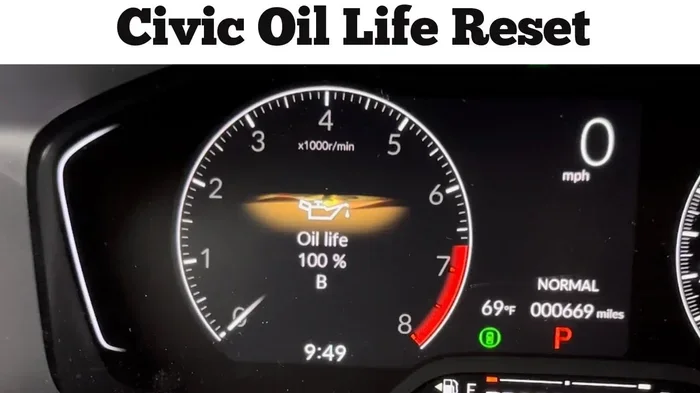
- How to Reset the Oil Life Indicator on a Honda Civic
- Factors That Affect Oil Life on Your Honda Civic
- Tips to Extend Oil Life and Protect Your Honda Civic
- Common Mistakes People Make With Oil Life Indicators
- How the Honda Civic Oil Life System Compares to Other Brands
- Final Thoughts on 5% Oil Life and Your Honda Civic
How Long Does 5% Oil Life Last on Your Honda Civic
If you own a Honda Civic, you have probably seen that little oil life bar drop to 5% at the worst possible moment. Maybe you are on a highway. Maybe you are stuck in traffic. Maybe you are wondering if you can just keep driving for a few more days.
Here is the truth. 5% oil life does not mean you are running out of oil. It means your Honda Civic’s computer thinks the oil is losing its ability to protect your engine. But how long do you actually have? That depends on a few things. Let us break it all down in simple terms.
The Honda oil life indicator is not just a random number. It is a smart system that tracks your driving habits, engine temperature, and mileage. When it hits 5%, the system is telling you that an oil change is coming soon. Most drivers still have about 1,000 to 3,000 miles of safe driving left at this point. But “safe” depends on how you drive and what conditions you face.
What Does 5% Oil Life Actually Mean
Many people confuse the oil life percentage with the amount of oil in the engine. That is the biggest mistake drivers make. The oil life indicator does not measure oil level. It measures oil quality. Over time, heat, friction, and contaminants break down the oil. The system tracks this degradation and gives you a percentage.
How the Honda Oil Life System Works
Honda uses a smart algorithm in the Honda oil life system. This system does not just count miles. It looks at several factors:
- Engine temperature. Hotter engines break down oil faster.
- Driving conditions. Stop-and-go traffic is harder on oil than highway driving.
- Idling time. Sitting in traffic with the engine running wears oil faster.
- Load on the engine. Towing or carrying heavy loads stresses the oil.
- Time since last reset. The system tracks how long it has been since your last Honda Civic oil change.
When all of these factors add up, the system drops the percentage. At 5%, the computer is essentially saying, “Hey, you are getting close to the end of this oil’s useful life. Plan for a change soon.”
Oil Life vs. Oil Level: Why the Difference Matters
Think of it this way. The oil life bar is like the freshness date on milk. It does not tell you how much milk is in the carton. It tells you how good the milk still is. Similarly, 5% oil life means the oil is about 5% fresh. It still lubricates, but it is not doing its job as well as new oil would.
You can check your actual oil level with the dipstick or the digital gauge on newer Honda Civics. If the level is fine but the oil life is at 5%, you do not need to add oil. You need an oil change. This distinction is very important for Honda Civic maintenance.
How Many Miles Can You Drive at 5% Oil Life
This is the question most Honda Civic owners want answered. The honest answer is: it depends. But here are some general guidelines that work for most drivers.
Typical Mileage Range at 5%
- Normal driving conditions: 1,500 to 3,000 miles.
- Severe driving conditions: 500 to 1,000 miles.
- Highway driving: Closer to 3,000 miles.
- City driving with lots of stops: Closer to 1,000 miles.
So if you are cruising on the highway and your oil life reading drops to 5%, you probably have a good 2,000 to 3,000 miles ahead of you. But if you are stuck in city traffic every day, that number drops fast.
What Counts as Severe Driving
Honda defines severe driving as any of the following:
- Frequent short trips under 4 miles.
- Driving in very hot or very cold weather.
- Heavy traffic or stop-and-go conditions.
- Towing a trailer or carrying heavy loads.
- Dusty or off-road conditions.
- Long periods of idling.
If any of these sound familiar, you should not wait until 5% to get your oil changed. In fact, you should plan for an oil change interval well before the indicator drops this low.
Is It Safe to Keep Driving at 5% Oil Life
Short answer: yes, for a little while. But you should not make a habit of it. Here is why.
At 5% oil life, the oil is still doing its job. It is still lubricating the engine parts, reducing friction, and keeping things cool. But the oil additives that protect against wear and corrosion are starting to wear off. The oil is getting dirty. It is not as effective as it once was.
Can you drive 10 miles on empty? Absolutely. But that is not the same as asking if you can drive 1,000 miles on 5% oil life. Short trips are fine. Long delays are not.
If you ignore the 5% warning for weeks or months, the oil will eventually lose all of its protective qualities. This can lead to increased engine wear, overheating, and even engine damage over time. Nobody wants that.
What Happens If You Ignore 5% Oil Life
- Oil degrades completely. It stops lubricating properly.
- Engine parts wear faster. Metal-on-metal contact increases.
- Sludge builds up. Dirty oil creates deposits inside the engine.
- Fuel efficiency drops. A poorly lubricated engine works harder.
- Costly repairs become likely. Engine damage from neglected oil changes can be very expensive.
So the bottom line is simple. Do not ignore the 5% warning. It is there to protect your engine and save you money in the long run.
How to Reset the Oil Life Indicator on a Honda Civic
Once you get your oil changed, you will want to reset the oil life indicator reset on your Honda Civic. This is a quick and easy process. Here is how to do it on most Honda Civic models.
Step-by-Step Reset Process
- Turn the ignition to the “ON” position. Do not start the engine. Just press the start button or turn the key to the first position.
- Press the “INFO” button on the steering wheel or dashboard until the oil life indicator appears on the display.
- Hold down the “INFO” button for about 10 seconds.
- You will see the oil life indicator start to blink.
- Release the button, then press and hold it again for about 5 seconds.
- The display should show “100%” or “OIL LIFE 100%.”
- Turn the ignition off and then start the engine to confirm the reset worked.
That is it. The process takes less than a minute. If the indicator does not reset, check your owner’s manual for model-specific instructions. Some newer Honda Civic models have slightly different steps.
Tip: Always reset the oil life indicator right after an oil change. This keeps the system accurate and helps you track your Honda Civic maintenance schedule more effectively.
Factors That Affect Oil Life on Your Honda Civic
Not all driving is equal. Several factors can cause your oil life to drop faster or slower. Understanding these factors helps you make smarter decisions about when to get your oil changed.
Type of Oil You Use
The type of oil you put in your Honda Civic matters a lot. Synthetic oil generally lasts longer than conventional oil. If you use full synthetic oil, your synthetic oil life may last longer before the system drops to 5%. Many Honda Civics benefit from synthetic oil because it handles heat better and resists breakdown longer.
Here is a quick comparison:
- Conventional oil: Oil life drops faster. Plan for changes every 5,000 to 7,500 miles.
- Synthetic blend: A middle ground. Oil life lasts a bit longer.
- Full synthetic oil: Lasts the longest. Oil life may extend up to 7,500 to 10,000 miles.
Driving Style and Habits
How you drive affects your engine oil health more than you might think. Aggressive driving, rapid acceleration, and hard braking all put extra stress on the oil. If you drive gently and smoothly, your oil will last longer and the oil life percentage will drop more slowly.
On the other hand, if you are the type of driver who loves to push the car hard, your oil will degrade faster. The Honda oil life system accounts for this, which is why it uses a smart algorithm instead of just counting miles.
Climate and Weather Conditions
Hot weather breaks down oil faster than cool weather. If you live in a warm climate or drive in hot conditions during summer, expect your oil life to drop more quickly. Cold weather also affects oil, but in a different way. Cold starts can cause condensation inside the engine, which contaminates the oil over time.
Vehicle Age and Mileage
Older Honda Civics with higher mileage tend to burn oil faster and produce more contaminants. If your car has over 100,000 miles, the oil may degrade faster than it did when the car was new. Keep this in mind when interpreting your oil life reading.
Tips to Extend Oil Life and Protect Your Honda Civic
You do not have to wait for the oil life indicator to drop to 5%. There are things you can do to keep your oil fresher for longer and protect your engine.
Quick Tips for Better Oil Health
- Check your oil level regularly. At least once a month. Top off if needed.
- Use the oil grade recommended by Honda. Check your owner’s manual for the right viscosity.
- Avoid long periods of idling. Idling puts unnecessary stress on the oil.
- Warm up the engine gently. Drive softly for the first few minutes after starting.
- Get oil changes on time. Do not wait for the indicator to hit 0%.
- Keep your engine clean. Regular air filter changes help reduce contaminants in the oil.
When to See a Mechanic
Sometimes the oil life indicator gives you a false reading. If you notice any of the following, it is time to see a professional:
- The oil life drops to 5% very quickly after a recent oil change.
- The oil warning light comes on even though the oil level looks fine.
- You notice dark or gritty oil on the dipstick.
- Your engine makes unusual noises, especially knocking or ticking.
- You see blue or white smoke from the exhaust.
These could be signs of a bigger problem that a simple oil change will not fix. A trusted mechanic can diagnose the issue and recommend the right Honda Civic maintenance plan.
Common Mistakes People Make With Oil Life Indicators
There are a few mistakes that Honda Civic owners make when dealing with the oil life system. Avoiding these can save you time, money, and headaches.
Mistake 1: Confusing Oil Life with Oil Pressure
The oil life indicator and the oil pressure warning light are two completely different things. Oil life tells you about oil quality. Oil pressure tells you about oil flow. If the oil pressure light comes on, pull over immediately. If the oil life hits 5%, you have time to plan a change.
Mistake 2: Never Resetting the System
If you do not reset the oil life indicator after an oil change, the system keeps counting from where it left off. This gives you inaccurate readings and can cause unnecessary anxiety or, worse, missed oil changes.
Mistake 3: Waiting Until 0%
Some drivers wait until the indicator hits 0% before getting an oil change. By that point, the oil has already lost most of its protective qualities. Get the oil changed when the indicator hits 5% or even 10% if you drive in severe conditions.
Mistake 4: Ignoring the Owner’s Manual
Your Honda Civic owner’s manual has specific recommendations for oil type, oil change intervals, and maintenance schedules. It is the best resource for your specific model and year. Do not guess. Read the manual.
How the Honda Civic Oil Life System Compares to Other Brands
Honda is not the only brand that uses an oil life monitoring system. Many modern cars have similar systems. But Honda’s approach is unique in a few ways.
Unlike some brands that use a simple mileage-based timer, Honda’s system uses real-time driving data. This means the system adapts to your specific driving habits. A Honda Civic driven mostly on highways may go longer between oil changes than one driven mostly in the city. This is a smart feature that makes Honda Civic maintenance more personalized.
Other brands like Toyota and Ford also use condition-based oil life systems. But the specific algorithm and indicators may differ. Always follow the recommendations for your specific vehicle. What works for a Honda Civic may not apply to a Toyota Camry or a Ford Focus.
Final Thoughts on 5% Oil Life and Your Honda Civic
So, how long does 5% oil life last on a Honda Civic? The answer is clear. You have roughly 1,000 to 3,000 miles, but the exact number depends on your driving conditions, oil type, and habits. The most important thing is to not ignore the warning. The oil life indicator is there to protect your engine and keep your Honda Civic running smoothly for years to come.
Get your oil changed soon after the indicator hits 5%. Reset the system properly afterward. And follow the maintenance schedule in your owner’s manual. These simple steps go a long way in keeping your car healthy and reliable.
Remember, a little attention to your oil life goes a long way. It saves you from expensive repairs, keeps your engine running strong, and gives you peace of mind every time you hit the road. Whether you drive your Honda Civic for short commutes or long road trips, staying on top of your oil life is one of the best things you can do for your car.
And if you are curious about how far you can push your car on low fuel or other limits, check out whether you can drive 10 miles on empty for more useful driving tips. If you own a hybrid Honda Civic, you might also want to learn whether hybrid cars are good for long distance driving to understand how your powertrain affects overall vehicle care.
Take care of your Honda Civic, and it will take care of you. Simple as that.
Frequently Asked Questions
Can I drive my Honda Civic with 5% oil life?
Yes, you can drive safely for about 1,000 to 3,000 miles at 5% oil life. However, you should plan an oil change as soon as possible. The oil is still protecting your engine, but it is starting to lose effectiveness.
What happens if I drive my Honda Civic until oil life hits 0%?
Driving until 0% means the oil has lost most of its protective qualities. This can cause increased engine wear, sludge buildup, and reduced fuel efficiency. It is best to get an oil change before the indicator reaches 0%.
How often should I reset the oil life indicator on my Honda Civic?
You should reset the oil life indicator every time you get an oil change. This keeps the system accurate and helps you track your maintenance schedule properly. The reset process takes less than a minute.
Does synthetic oil make the oil life last longer on a Honda Civic?
Yes, synthetic oil generally lasts longer than conventional oil. It resists heat breakdown better and maintains its protective properties for more miles. If you use full synthetic oil, your oil life percentage may drop more slowly.
Why does my Honda Civic oil life drop to 5% so fast?
Several factors can cause rapid oil life depletion. These include frequent short trips, stop-and-go traffic, extreme temperatures, towing, and older vehicle mileage. If the drop seems unusually fast, check your oil level and condition, and consider visiting a mechanic.
Is 5% oil life the same as low oil pressure?
No, they are completely different. Oil life measures oil quality and degradation. Oil pressure measures the flow of oil through the engine. Low oil pressure is a serious warning that requires immediate attention. 5% oil life simply means an oil change is coming up soon.