Does Car Insurance Cover Tornado Damage You Need To Know
Yes, car insurance can cover tornado damage, but only if you have comprehensive coverage. Standard liability policies do not pay for weather-related damage. This guide explains exactly what your policy covers, how to file a claim, and what happens if your car is totaled in a tornado.
Driving home during a storm is stressful enough. But when a tornado tears through your neighborhood and damages your car, the worry doubles. You probably have one big question on your mind. Does car insurance cover tornado damage? The answer is not as simple as yes or no. It depends entirely on the type of coverage you purchased.
Many drivers assume their insurance will handle everything after a natural disaster. That assumption can cost you thousands of dollars. Understanding your policy before disaster strikes is the smartest move you can make. This article breaks down exactly what tornado damage means for your car insurance, what to do after a storm, and how to avoid common mistakes that delay your payout.
We will walk through every detail you need to know. From comprehensive coverage to filing claims and dealing with total loss situations, you will find clear, practical answers here. Let us get started.
Key Takeaways
- Comprehensive coverage is required to get tornado damage paid by your insurer.
- Liability-only policies will not cover storm or weather-related vehicle damage.
- Filing a claim quickly after a tornado improves your chances of a smooth payout.
- Document everything with photos, videos, and written notes before repairs begin.
- Understand your deductible because it directly affects how much you receive.
- Rental car reimbursement may be available depending on your policy add-ons.
📑 Table of Contents
What Is Tornado Damage to Your Car?
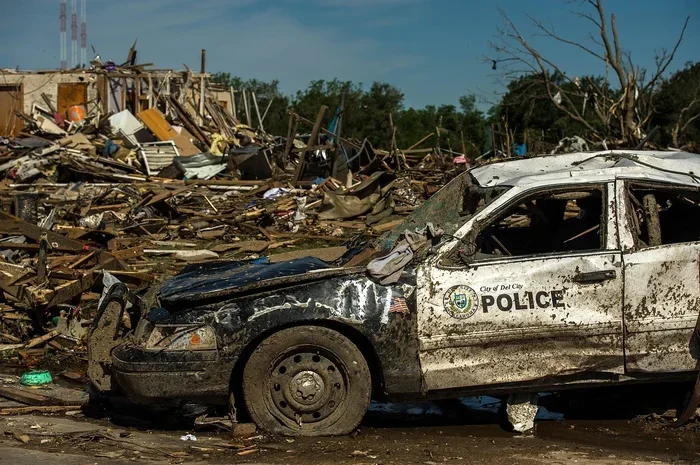
Tornado damage to a vehicle can take many forms. High winds, flying debris, and falling trees can all wreck your car in seconds. Understanding the types of damage helps you know what to look for after a storm passes through your area.
Common Types of Tornado Damage
Here are the most frequent types of damage cars sustain during a tornado:
- Wind damage – Broken windows, dented panels, and ripped-off mirrors caused by sustained high winds.
- Flying debris – Rocks, branches, and other objects thrown by the tornado can crack windshields and dents body panels.
- Falling trees or limbs – A tree falling on your car can cause catastrophic damage or even total the vehicle.
- Water damage – Flooding from heavy rain associated with tornadoes can ruin the engine, seats, and electrical systems.
- Roll-over damage – Extreme wind gusts can flip your vehicle, causing structural damage.
Each type of damage affects your claim differently. The severity of the damage determines whether your insurer pays for repairs or declares the vehicle a total loss.
How Tornado Damage Differs from Other Weather Damage
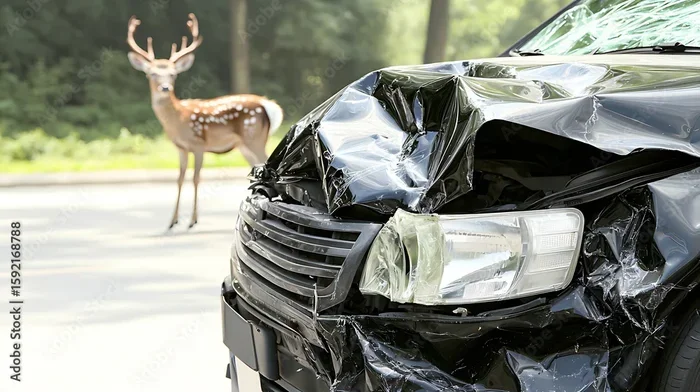
Tornado damage is often more severe than hail or rain damage. For example, hail typically causes dents and cracked glass. A tornado can completely destroy a vehicle. If you want to compare different damage scenarios, check out Can Hitting A Deer Total Your Car to understand how different events affect your vehicle and insurance differently.
Tornadoes also happen suddenly. Unlike hurricanes, which give you time to prepare, tornadoes often strike with little warning. This makes having the right insurance coverage even more important.
Does Your Car Insurance Cover Tornado Damage?
The short answer is: it depends on your policy type. Not all car insurance policies are created equal. Here is what you need to know about the different coverage types and how they relate to tornado damage.
Liability Coverage Does Not Cover Tornado Damage
Most states require drivers to carry liability insurance. This coverage pays for damage you cause to other people or their property. It does not cover damage to your own vehicle. If a tornado flips your car or a tree falls on it, liability coverage will not help you pay for repairs.
This is the most common mistake drivers make. They assume their base policy covers everything. It does not. Liability-only policies leave you completely exposed to weather-related losses.
Comprehensive Coverage Covers Tornado Damage
Comprehensive coverage is the type of insurance that pays for tornado damage. This coverage handles non-collision events. That includes storms, floods, fires, theft, vandalism, and falling objects.
Comprehensive coverage is sometimes called “other than collision” coverage. It is an add-on to your base policy. You typically pay a monthly premium for this protection. The cost depends on your car’s value, your location, and your deductible.
If you live in Tornado Alley or any area prone to severe weather, comprehensive coverage is essential. Without it, you will pay out of pocket for every repair after a storm.
Collision Coverage and Tornado Damage
Collision coverage pays for damage from accidents with other vehicles or objects. It does not cover tornado damage. However, there is one scenario where collision coverage might apply. If you swerve to avoid a tornado and crash into a guardrail, collision coverage would handle that accident. But the tornado itself is not covered under collision.
Think of it this way. Comprehensive covers acts of nature. Collision covers accidents you cause. Tornadoes fall squarely into the natural disaster category.
Comprehensive Coverage vs. Collision Coverage
Understanding the difference between comprehensive and collision coverage is crucial. Many drivers confuse the two. Here is a simple breakdown to help you understand what each covers.
What Comprehensive Covers
- Tornado damage
- Hail damage
- Flooding and water damage
- Falling trees and debris
- Fire damage from storms
- Vandalism and theft
- Earthquake damage
What Collision Covers
- Accidents with other vehicles
- Hitting a stationary object like a pole or fence
- Roll-over accidents
- Damage from potholes or road debris during normal driving
Side-by-Side Comparison
| Feature | Comprehensive | Collision |
|---|---|---|
| Tornado Damage | Yes | No |
| Falling Tree | Yes | No |
| Car Accident | No | Yes |
| Theft/Vandalism | Yes | No |
| Flood Damage | Yes | No |
| Monthly Cost | Lower | Higher |
The table shows clearly why comprehensive coverage matters for tornado protection. If you do not have it, now is the time to consider adding it to your policy.
How to File a Claim for Tornado Damage
Filing an insurance claim after a tornado can feel overwhelming. But following the right steps makes the process much smoother. Here is exactly what you should do after a tornado damages your vehicle.
Step 1: Ensure Your Safety First
Before you do anything else, make sure you and your passengers are safe. Move to a secure location away from downed power lines and debris. Do not attempt to drive a severely damaged vehicle. Call emergency services if anyone is injured.
Step 2: Document the Damage
Once you are safe, take extensive photos and videos of all damage. Capture every angle. Include close-ups of dents, cracks, and broken parts. Also photograph the surrounding area. Show where the tree fell or where debris hit your car. This evidence is critical for your claim.
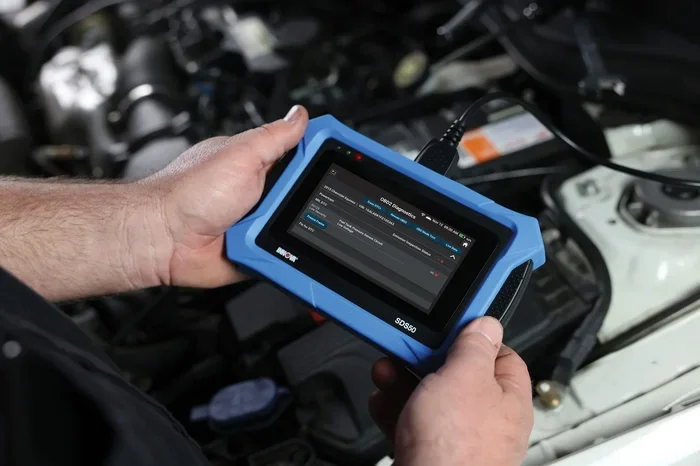
If you are unsure about the extent of damage, you can do a basic assessment yourself. Check out Can I Do My Own Car Diagnostics for tips on inspecting your vehicle after a storm event.
Step 3: Contact Your Insurance Company
Call your insurance provider as soon as possible. Most companies have 24-hour claim hotlines. Report the damage and provide your policy number. Ask about the specific documents you need to submit.
The sooner you file, the better. Delays can raise questions about the cause of damage and may slow down your payout.
Step 4: Get an Estimate
Your insurance company may send an adjuster to assess the damage. You can also get your own estimate from a trusted repair shop. Having both gives you leverage if there is a dispute about repair costs.
Step 5: Choose a Repair Shop
You have the right to choose where your car gets repaired. Your insurer may recommend shops, but you are not required to use them. Pick a shop you trust and that has experience with storm damage repairs.
Quick Tips for Filing a Tornado Damage Claim
- File within 24 to 48 hours of the storm.
- Keep all receipts for temporary repairs or towing.
- Do not throw away damaged parts until the adjuster inspects them.
- Keep a written log of all conversations with your insurer.
- Ask about rental car coverage while your car is being repaired.
What Happens If Your Car Is Totaled by a Tornado?
A total loss happens when the cost of repairs exceeds the actual cash value of your car. Tornadoes can easily total a vehicle. Understanding what happens next is important so you are not caught off guard.
How Insurers Determine Total Loss
Your insurance company calculates the actual cash value of your car before the tornado. They compare this value to the estimated repair cost. If repairs cost more than the car is worth, they declare it a total loss. You then receive a payout equal to the actual cash value minus your deductible.
For example, if your car was worth $10,000 and your deductible is $500, you would receive $9,500 from your insurer.
Disputing a Total Loss Valuation
Sometimes insurers undervalue vehicles. If you disagree with the payout amount, you have options. You can provide evidence of your car’s value. Look at similar listings for the same make, model, year, and mileage in your area. Present this evidence to your adjuster.
You can also hire an independent appraiser. This can strengthen your case if you need to negotiate further.
Financial Implications After a Total Loss
If your car is totaled and you still owe money on a loan or lease, the situation gets more complicated. Your insurance payout goes to the lienholder first. If the payout is less than what you owe, you are responsible for the remaining balance.
This is where gap insurance becomes valuable. Gap insurance covers the difference between your car’s value and what you owe. Without gap insurance, a totaled car can leave you in serious financial trouble.
Dealing with the financial aftermath of a totaled car can be stressful. If you find yourself in a difficult financial situation after losing your vehicle, understanding your options is important. Resources like Can I Keep My Car If I File Chapter 7 can help you understand what happens to your assets during financial hardship.
Tips to Protect Your Car During Tornado Season
Prevention is always better than repair. While you cannot stop a tornado, you can take steps to reduce the risk of damage to your vehicle.
Know Your Area’s Risk Level
Tornadoes are most common in the central United States, an area known as Tornado Alley. States like Oklahoma, Texas, Kansas, and Nebraska see the most tornado activity. If you live in these areas, being prepared is not optional. It is essential.
Park Smart During Storm Season
- Park your car in a garage whenever possible.
- If no garage is available, park away from trees and power lines.
- Use car covers to protect against flying debris.
- Avoid parking under canopies or awnings that could collapse.
Keep Your Policy Updated
Review your insurance policy at least once a year. Make sure your comprehensive coverage is active and your deductible is affordable. Life changes like buying a new car or moving to a different area may require policy adjustments.
Build an Emergency Kit for Your Car
Keep an emergency kit in your vehicle during tornado season. Include a flashlight, first aid supplies, water, and important documents in a waterproof container. Being prepared can make a huge difference after a storm.
Expert Insight: Why Preparation Matters
Insurance experts consistently emphasize that the difference between a smooth claim and a frustrating one often comes down to preparation. Drivers who document their vehicle’s condition before storm season have a much easier time proving their claim afterward. Take photos of your car regularly during tornado season and keep them in a safe place.
Key Takeaways
- Comprehensive coverage is required to get tornado damage paid by your insurer.
- Liability-only policies will not cover storm or weather-related vehicle damage.
- Filing a claim quickly after a tornado improves your chances of a smooth payout.
- Document everything with photos, videos, and written notes before repairs begin.
- Understand your deductible because it directly affects how much you receive.
- Rental car reimbursement may be available depending on your policy add-ons.
Conclusion
Tornado damage to your car is a serious concern, especially if you live in an area prone to severe weather. The good news is that comprehensive car insurance coverage does cover tornado damage. Without it, you are left paying for repairs or replacements entirely on your own.
Take the time to review your policy today. Make sure you have comprehensive coverage, understand your deductible, and know the claims process. Preparation is your best defense against the financial impact of tornado damage.
Storms will come. But being informed and properly insured means you can handle the aftermath with confidence. Do not wait until after the next tornado to find out what your policy does and does not cover.
Frequently Asked Questions
Does full coverage car insurance cover tornado damage?
Yes, full coverage typically includes comprehensive coverage, which pays for tornado damage. However, full coverage also includes collision coverage, which does not cover weather events. Make sure your comprehensive coverage is active to be protected against tornado damage.
What is the deductible for comprehensive coverage?
Deductibles for comprehensive coverage typically range from $250 to $1,000. You choose your deductible when you purchase the policy. A higher deductible lowers your monthly premium but means you pay more out of pocket when you file a claim.
How long does it take to get paid after a tornado damage claim?
Most insurance companies process tornado damage claims within 30 to 60 days. The timeline depends on the severity of the damage, the number of claims in your area, and how quickly you submit all required documentation.
Will my insurance go up after filing a tornado damage claim?
It depends on your insurer and your state. Many companies do not raise rates for comprehensive claims related to natural disasters because these events are considered unavoidable. However, it is always best to check with your specific insurance provider.
What if my car is totaled and I still owe on my loan?
If your car is totaled and you owe more than the insurance payout, you are responsible for the remaining balance unless you have gap insurance. Gap insurance covers the difference between your car’s actual cash value and the loan balance.
Can I drive my car after tornado damage?
Do not drive a damaged car unless it is safe to do so. Tornado damage can affect structural integrity, brakes, and steering. Have a professional inspect your vehicle before attempting to drive it after a storm.