How Many Miles Will a Nissan Titan Last on Average
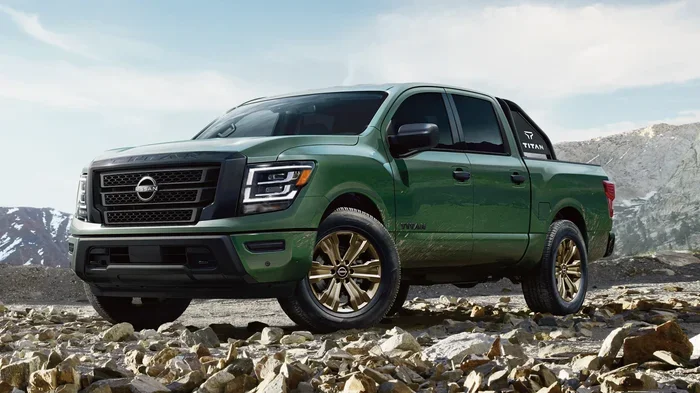
The Nissan Titan is a durable full-size pickup truck that can last between 200,000 and 300,000 miles with proper care. Most owners report reliable performance well past the 150,000-mile mark, especially when staying on top of routine Nissan Titan maintenance. The V8 engine and sturdy build give this truck a strong reputation for long-term durability and truck longevity.
When you buy a Nissan Titan, one of the first questions that comes to mind is simple: how long will this truck actually last? Whether you use your Titan for work, towing, or weekend adventures, you want to know you are making a smart investment. The good news is that this full-size pickup truck has a lot to offer in terms of durability and long-term performance.
The Nissan Titan has been on the market since 2004, and over the years, Nissan has made significant improvements to its reliability. Many owners report crossing the 200,000-mile threshold without major issues. But of course, how many miles a Titan will last depends on several factors. Let us break it all down for you.
Key Takeaways
- Average Lifespan: A well-maintained Nissan Titan can last 200,000 to 300,000 miles or more.
- Engine Reliability: The 5.6-liter V8 engine is built tough and handles high mileage well.
- Maintenance Matters: Regular oil changes, fluid flushes, and timing belt replacements dramatically extend the Titan’s life.
- Common Issues: Some owners report transmission and suspension concerns after 100,000 miles.
- Resale Value: Titans hold their value reasonably well due to their durability and demand.
- Fuel Range: Understanding your fuel tank capacity helps you plan long trips without worrying about running low.
- Trim Differences: Higher trims like the SL and Pro-4X may have different maintenance needs than base models.
📑 Table of Contents
- How Many Miles Will a Nissan Titan Last on Average?
- Understanding the Nissan Titan Engine
- Common Nissan Titan Problems at High Mileage
- Maintenance Schedule for Maximum Lifespan
- How Does the Nissan Titan Compare to Other Full-Size Trucks?
- Resale Value and Long-Term Ownership Costs
- Final Thoughts: Is the Nissan Titan Worth the Investment?
How Many Miles Will a Nissan Titan Last on Average?
On average, a Nissan Titan can last somewhere between 200,000 and 300,000 miles. Some well-cared-for Titans even push past the 300,000-mile mark. This puts the Titan in a strong position compared to many other full-size trucks on the road today.
But what does “average” really mean? It depends on how you use the truck. A Titan that sits in a garage and gets driven gently will almost always outlast one that hauls heavy loads every day. The key is understanding what your specific driving habits mean for the truck’s lifespan.
Factors That Affect Titan Lifespan
Several things play a role in determining how long your Titan will run strong. Here are the biggest ones:
- Driving Habits: Aggressive driving, rapid acceleration, and hard braking wear out parts faster.
- Maintenance Schedule: Staying current with oil changes, fluid replacements, and inspections is critical.
- Load and Towing: Consistently hauling heavy loads puts extra stress on the engine and transmission.
- Climate and Terrain: Extreme heat, cold, or rough roads can accelerate wear and tear.
- Fuel Quality: Using the recommended fuel grade helps keep the engine running cleanly.
Think of it this way. You would not expect a car to last forever without ever changing the oil. The same logic applies to your Titan. Give it the care it deserves, and it will reward you with years of dependable service.
Understanding the Nissan Titan Engine
The heart of any truck is its engine, and the Nissan Titan comes with a powerful 5.6-liter V8 engine. This engine has been a workhorse in Nissan’s lineup for years. It produces around 400 horsepower and 413 pound-feet of torque, which is plenty for towing and hauling.
Engine Durability and Mileage
The 5.6-liter V8 is known for being robust. Many mechanics and owners agree that this engine can handle high mileage without major issues. The internal components are built to withstand sustained use, which is exactly what you want in a full-size pickup truck.
Here are some quick facts about the Titan engine:
- Engine Type: 5.6-liter V8
- Horsepower: 400 hp
- Torque: 413 lb-ft
- Fuel Type: Regular unleaded
- Expected Engine Life: 250,000+ miles with proper care
One thing to keep in mind is that the engine does best when you stay on top of oil changes every 5,000 to 7,500 miles. Clean oil keeps all the internal parts lubricated and reduces friction. Over time, old oil breaks down and loses its effectiveness, which can lead to premature engine wear.
Transmission Longevity
The Titan uses a 7-speed automatic transmission. This transmission handles the power from the V8 engine smoothly and efficiently. Most owners find that the transmission holds up well past 150,000 miles. However, some have reported issues after the 100,000-mile mark if the transmission fluid was not changed regularly.
Here is a quick tip: change your transmission fluid every 30,000 to 60,000 miles. This simple step can prevent costly repairs down the road and keep your Titan shifting smoothly for years to come.
Common Nissan Titan Problems at High Mileage
No truck is perfect, and the Titan is no exception. While it is a reliable vehicle, there are some common issues that owners should be aware of as the mileage climbs.
Transmission Concerns
Some Titan owners have reported rough shifting or hesitation after 100,000 miles. This is often linked to worn transmission fluid or a failing solenoid. The good news is that catching these issues early can save you from a major transmission rebuild.
Suspension Wear
The Titan is a heavy truck, and that means the suspension takes a beating over time. Common suspension problems at high mileage include:
- Worn shock absorbers
- Loose ball joints
- Deteriorating bushings
- Uneven tire wear
Getting your suspension checked every 50,000 miles can help you catch these problems before they become expensive repairs. A well-maintained suspension also makes for a much smoother ride.
Electrical Issues
Some owners have noticed electrical gremlins as the miles add up. These can include flickering lights, faulty sensors, or issues with the infotainment system. While not typically dangerous, electrical problems can be annoying and may require professional diagnosis.
Exhaust and Emissions
After many miles, the exhaust system can develop leaks or rust, especially in colder climates where road salt is used. Regular inspections of the exhaust system can help you spot problems early and avoid more serious damage.
Maintenance Schedule for Maximum Lifespan
If you want your Nissan Titan to last as long as possible, following a strict maintenance schedule is the best thing you can do. Nissan provides a recommended maintenance plan for each model year, and sticking to it makes a huge difference.
Routine Maintenance Checklist
Here is a simple maintenance checklist to keep your Titan running strong:
- Oil and Filter Change: Every 5,000 to 7,500 miles
- Tire Rotation: Every 5,000 to 7,500 miles
- Brake Inspection: Every 15,000 miles
- Transmission Fluid Change: Every 30,000 to 60,000 miles
- Coolant Flush: Every 60,000 miles
- Timing Belt Replacement: Around 100,000 miles
- Spark Plug Replacement: Every 60,000 to 100,000 miles
Staying on top of these tasks is like going to the doctor for regular checkups. You catch small issues before they turn into big problems. And trust us, preventing a problem is always cheaper than fixing one.
Quick Tips for Titan Owners
Here are some extra tips that can help extend the life of your truck:
- Always warm up the engine for a minute or two before driving hard.
- Avoid overloading the truck beyond its rated capacity.
- Keep your tires properly inflated to improve fuel economy and reduce wear.
- Wash the undercarriage regularly, especially in winter months.
- Address any unusual sounds or smells immediately.
These small habits add up over time. They might seem minor, but they can easily add thousands of miles to your Titan’s life.
How Does the Nissan Titan Compare to Other Full-Size Trucks?
When shopping for a full-size pickup, it is natural to compare options. The Titan competes with trucks like the Ford F-150, Chevrolet Silverado, and Toyota Tundra. So how does it stack up in terms of longevity and reliability?
Reliability Comparison
According to various owner surveys and reliability ratings, the Nissan Titan ranks solidly in the middle of the full-size truck segment. It is not the most reliable truck on the market, but it is far from the worst. Many owners find that the Titan holds up well over time, especially when compared to some competitors with more complex technology.
For a broader look at truck reliability, you might want to check out how other models hold up over time. For instance, hybrid vehicles have shown impressive longevity after 100,000 miles, and the Titan holds its own in a similar reliability bracket for traditional trucks.
Fuel Economy Considerations
The Titan’s fuel economy is modest for a full-size truck. The EPA estimates around 16 to 20 miles per gallon combined, depending on the trim and driving conditions. While this is not the best in the class, the trade-off is the Titan’s strong towing capacity and robust build quality.
One thing many Titan owners wonder about is how far they can go on a single tank. The Titan typically has a fuel tank that holds around 21 to 26 gallons, depending on the model year. This gives you a decent range between fill-ups, but if you ever find yourself running low, remember that most trucks can still drive about 10 miles on empty. Still, you should not make a habit of it!
For more on that topic, check out this guide on driving on empty to understand the risks and realities.
Towing and Payload Capacity
The Titan is a strong hauler. Its maximum towing capacity reaches around 9,300 to 9,660 pounds, depending on the configuration. The payload capacity is also impressive, with some models able to carry over 2,000 pounds. These numbers make the Titan a versatile truck for both work and play.
All that weight does take a toll over time, though. If you regularly tow heavy loads, you may need to replace suspension and braking components sooner than a light-duty driver would. Keep this in mind when estimating how long your Titan will last.
Weight and Durability
The Nissan Titan is a heavy truck, and that weight contributes to both its strength and its wear patterns. The curb weight of the Titan is around 5,600 to 6,000 pounds, making it one of the heavier options in the full-size truck segment. This heft helps with stability and towing, but it also means more wear on tires, brakes, and suspension components over time.
For context on what this weight means for vehicle longevity, understanding how weight impacts a car’s lifespan can be helpful. You can learn more about this in this article on vehicle weight and its effects.
Resale Value and Long-Term Ownership Costs
Buying a Nissan Titan is not just about how long it will last. It is also about how much value it holds over time. The Titan has a respectable resale value, especially for models that have been well maintained.
Depreciation Trends
Like most trucks, the Titan depreciates the most in the first few years of ownership. After about five years, the rate of depreciation slows down. A well-maintained Titan from 2018 or newer can still hold a solid percentage of its original value, making it a smart choice for buyers who want to resell or trade in later.
Repair Costs Over Time
As the Titan ages, you can expect some repair costs. Major repairs like a transmission rebuild or suspension work can be expensive, but they are not unique to the Titan. Most full-size trucks face similar costs as they accumulate miles. The key is budgeting for these expenses and staying on top of preventive maintenance.
On the positive side, the Titan’s parts are widely available, and the 5.6-liter V8 engine is a proven design that many mechanics are familiar with. This means repairs are generally straightforward and not as costly as they might be for more complex or rare trucks.
Final Thoughts: Is the Nissan Titan Worth the Investment?
The Nissan Titan is a solid full-size pickup truck that can last a long time with the right care. Its powerful V8 engine, sturdy build, and respectable reliability make it a strong choice for anyone who needs a dependable workhorse. With an average lifespan of 200,000 to 300,000 miles, the Titan offers excellent value for the money.
Of course, no truck lasts forever without attention and maintenance. The Titan rewards owners who take the time to follow the recommended service schedule, drive responsibly, and address issues promptly. If you are willing to put in that effort, your Titan can easily become a long-term companion for all your hauling, towing, and adventures.
So if you are in the market for a reliable truck that will stick around for years, the Nissan Titan deserves a serious look. Just remember to check out what a local Chevrolet dealership offers too, so you can compare your options before making a final decision.
In the end, the miles your Titan will last are largely in your hands. Treat it well, and it will treat you well in return.
Frequently Asked Questions
What is the average lifespan of a Nissan Titan?
Most Nissan Titans last between 200,000 and 300,000 miles when properly maintained. Some owners have pushed their Titans well past 300,000 miles with consistent care and regular servicing.
How often should I change the oil in my Nissan Titan?
You should change the oil every 5,000 to 7,500 miles for the best engine health. Using synthetic oil can extend this interval slightly, but always check your owner’s manual for the manufacturer’s recommendation.
Is the Nissan Titan reliable for long road trips?
Yes, the Titan is a reliable choice for long road trips. Its 5.6-liter V8 engine provides plenty of power and the truck is built for sustained highway driving. Just make sure to check fluid levels and tire pressure before any long journey.
What is the maximum towing capacity of the Nissan Titan?
The Nissan Titan can tow up to approximately 9,300 to 9,660 pounds depending on the trim and configuration. Always stay within the rated capacity to avoid putting unnecessary stress on the engine and transmission.
Are Nissan Titans expensive to maintain?
Maintenance costs for the Titan are moderate compared to other full-size trucks. Regular oil changes, fluid replacements, and brake jobs are standard expenses. Major repairs can be costly, but preventive maintenance helps reduce the likelihood of expensive surprises.
Does the Nissan Titan have a good resale value?
The Titan holds its resale value reasonably well, especially for models that have been well maintained. After the initial depreciation in the first few years, the value stabilizes and remains competitive in the full-size truck market.
=== CONCLUSION ===
The Nissan Titan is a truck built to last. With an average lifespan of 200,000 to 300,000 miles, it offers strong value for anyone who needs a dependable full-size pickup. The key to unlocking that longevity lies in consistent maintenance, responsible driving, and addressing issues before they become major problems.
Whether you use your Titan for work, towing, or weekend adventures, this truck has the capability and durability to keep going mile after mile. Follow the maintenance schedule, treat the truck with respect, and you will be rewarded with years of reliable service.
If you are still deciding between trucks, take the time to compare options and test drive a few. The Titan is a strong contender, and with the right care, it will be on your driveway for many years to come.