When Should Drivers Avoid Using Cruise Control Today
Knowing when to avoid cruise control is essential for every driver’s safety. Wet roads, heavy traffic, fog, hilly terrain, and nighttime driving are just a few situations where cruise control can become dangerous. Always stay alert and take manual control when road conditions demand it.
Many of us rely on cruise control every day without thinking twice. But there are specific moments when you should avoid using cruise control to stay safe. When should drivers avoid using cruise control? The answer depends on weather, road conditions, traffic, and your vehicle type. This guide breaks down every situation where cruise control becomes a risk rather than a help. You will learn practical tips to stay safe and make smarter driving decisions on every trip.
Every year, thousands of accidents happen because drivers rely too much on automated systems. Cruise control is a helpful tool, but it is not a replacement for attentive driving. The system was designed for ideal conditions, and it does not think the way a human driver does. When road conditions change quickly, you need your full attention and your feet ready on the pedals.
This article will walk you through every situation where cruise control can become a risk. You will learn about dangerous weather, tricky road surfaces, and traffic scenarios where manual driving is always the better choice. We will also cover when cruise control is perfectly fine to use. By the end, you will have a clear picture of how to use this feature wisely and stay safe every time you hit the road.
Key Takeaways
- Avoid cruise control in bad weather: Rain, fog, snow, and ice create slippery road surfaces that the system cannot handle.
- Turn it off in heavy traffic: Stop-and-go conditions require constant speed adjustments that cruise control cannot provide.
- Never use it on hilly terrain: Steep grades can cause loss of speed control and dangerous situations.
- Check your tires and vehicle condition: Worn tires and manual transmission vehicles are not ideal for cruise control use.
- Adaptive cruise control has limits too: Even advanced systems cannot replace attentive driving in uncertain conditions.
- Use cruise control only in ideal conditions: Clear weather, dry roads, and steady traffic are when the feature works best.
- Stay alert and keep your feet ready: Cruise control is an aid, not a replacement for active driving engagement.
📑 Table of Contents
- What Is Cruise Control and How Does It Work?
- Weather Conditions That Make Cruise Control Dangerous
- Road and Traffic Situations Where You Must Turn It Off
- Vehicle and Road Surface Factors That Affect Cruise Control Safety
- When Cruise Control Is Actually Safe to Use
- Common Mistakes Drivers Make and Expert Tips for Smart Use
- Conclusion: Stay Safe by Knowing When to Turn It Off
What Is Cruise Control and How Does It Work?
Before we dive into when to avoid cruise control, let us quickly understand what it actually does. Cruise control is a system that maintains your vehicle’s speed without you needing to press the gas pedal. You set a speed, and the car keeps it for you. It is a great feature for long highway drives when you want to relax your foot.
How the System Works
Most modern cars come with cruise control built into the steering wheel or column. You press a button to set your speed, and the system uses the engine and transmission to maintain it. When you need to slow down, you tap the brake pedal, and the cruise control disengages. Some newer vehicles have adaptive cruise control, which uses sensors to keep a safe distance from the car ahead of you. The system monitors traffic flow and adjusts your speed automatically. This is a big step forward from traditional cruise control, but it still has limitations.
Different Types of Cruise Control Systems
There are two main types you will find in cars today. Standard cruise control holds a fixed speed no matter what. Adaptive cruise control adjusts your speed based on traffic flow. Both systems have their benefits, but neither one can read road conditions the way a human driver can. Understanding this difference is key to using cruise control safely.
It is also worth noting that cruise control works best on flat, open roads with clear visibility. The system simply does not have the ability to react to sudden changes in road conditions the way you can. This limitation is at the heart of why there are times when you should avoid using cruise control entirely. The system follows rules, but driving requires judgment.
Weather Conditions That Make Cruise Control Dangerous
Weather is one of the biggest factors that should prompt you to turn off cruise control. When conditions deteriorate, your car needs you to be fully engaged. Automated systems cannot adjust for rain, snow, or fog the way a careful driver can. Weather conditions change fast, and your reaction time matters more than any electronic system.
Wet Roads and Rain
Driving on wet roads is one of the most common reasons to avoid using cruise control. When water builds up on the pavement, your tires lose grip. This is called hydroplaning, and it can happen in an instant. If you are using cruise control on a wet road and your car starts to slide, the system will actually try to maintain speed. This can make the situation much worse.
When you drive manually in the rain, you naturally ease off the gas when you feel the car starting to slide. Cruise control does not have that instinct. It keeps pushing the car forward at the set speed, which can lead to loss of control. Always turn off cruise control when the roads are wet from rain or any other source. This simple habit can save your life.
Foggy Conditions and Low Visibility
Foggy conditions reduce your visibility dramatically. You may not see a stopped car, debris, or an obstacle until it is too late. Cruise control keeps your car moving at a set pace, which means you could be heading toward danger without realizing it. In fog, you need the ability to slow down or stop instantly. That requires your foot to be on the brake pedal, ready to react at all times.
Snow and Ice
Snow and ice create extremely slippery road surfaces. Cruise control on ice is a recipe for disaster. The system has no way of knowing that the road has lost traction. It will keep your wheels spinning at the set speed, which can cause you to skid. In winter weather, always drive manually and keep full control of your vehicle. Your traction control system helps, but it works best when you are actively driving.
Quick Tips for Driving in Bad Weather:
- Turn off cruise control the moment rain, snow, or fog appears
- Reduce your speed and increase your following distance
- Keep both hands on the wheel at all times
- Check your traction control system before heading out in winter
- Allow extra braking distance when roads are wet or icy
Nighttime Driving and Cruise Control
Nighttime driving presents its own set of challenges. Your visibility drops significantly, and you may not see hazards until they are very close. Cruise control can make nighttime driving more dangerous because it encourages a more relaxed driving posture. When you are tired and the road is dark, you need to be fully alert and in manual control. Driver fatigue is a major factor in nighttime accidents, and cruise control can make you feel too comfortable behind the wheel, causing you to lose focus.
Road and Traffic Situations Where You Must Turn It Off
Beyond weather, there are many road and traffic situations where cruise control should be disabled. These are scenarios where quick reactions and constant adjustments are necessary. The system was designed for steady, predictable driving, and it struggles when conditions become dynamic.
Heavy Traffic and Stop-and-Go Conditions
Heavy traffic is one of the clearest times to avoid using cruise control. In congested traffic, speeds change constantly. Cars brake, accelerate, and merge unpredictably. Cruise control is designed for steady-speed driving, not for the constant speed changes of city traffic or rush hour. Using it in heavy traffic can lead to rear-end collisions because the system does not respond to the car in front of you slowing down.
Even adaptive cruise control has limits in heavy traffic. The sensors may not react quickly enough in stop-and-go situations. Always switch to manual control when traffic is dense and unpredictable. Your reaction time is faster than any electronic system when it comes to sudden stops.
Hilly Terrain and Mountain Roads
Hilly terrain is another situation where cruise control can work against you. On steep downhill grades, cruise control may keep your car at the set speed by using more engine power. This can actually increase your speed on a decline, which is very dangerous. On steep uphill grades, the system may struggle to maintain speed, causing the engine to work too hard and potentially overheat.
When you drive manually on hills, you can shift gears and use engine braking to control your speed. This gives you much better control over the vehicle. On mountain roads, where curves and elevation changes are constant, cruise control should always be off. The road demands your full attention and active speed management.
Construction Zones and Work Areas
Construction zones are unpredictable. Workers may be close to the road, lane shifts happen suddenly, and speed limits change without warning. Cruise control does not know about these changes. You need to be ready to slow down or stop at a moment’s notice. Always disable cruise control when you approach a work zone. Road conditions in construction zones can change from one moment to the next, and you need the flexibility to respond.
Expert Insight: “Many drivers use cruise control on highways without thinking about the road ahead. The problem is that cruise control removes the habit of active speed management. When drivers need to react quickly, that habit of foot placement on the pedals has been lost,” says road safety expert Mark Thompson. This is why knowing when to avoid using cruise control is so important for every driver.
School Zones and Residential Areas
Areas with low speed limits and frequent stops are not places for cruise control. School zones have children crossing the street at unpredictable times. Residential areas have parked cars, pedestrians, cyclists, and sudden stops. These environments require constant attention and the ability to adjust speed quickly. Cruise control has no place in areas where the speed limit drops frequently and unexpected obstacles appear.
Vehicle and Road Surface Factors That Affect Cruise Control Safety
There are also vehicle-related and road surface factors that determine when cruise control should be avoided. These are less obvious but equally important. Understanding these factors helps you make smarter decisions every time you get behind the wheel.
Worn Tires and Poor Traction
Your tires are the only part of your car that touches the road. When tire wear is significant, your grip on the road decreases. Cruise control relies on consistent traction to maintain speed. If your tires are bald or underinflated, the system may not be able to maintain control, especially on wet or uneven surfaces. Always check your tire condition before using cruise control on any trip. Proper tire wear maintenance is a simple step that improves safety significantly.
Wet or Uneven Road Surfaces
Even without rain, some road surfaces can be tricky. Oil slicks, loose gravel, painted road markings, and metal plates on bridges all reduce traction. Cruise control does not detect these changes. When you drive manually, you instinctively slow down on slippery patches. The cruise control system does not have that awareness. Be especially cautious on bridge decks and overpasses, which freeze before regular roadways in winter.
Manual Transmission Vehicles
If you drive a manual transmission vehicle, cruise control can be even more problematic. Standard cruise control in a manual car often does not work well because the system cannot shift gears for you. Using cruise control in a manual car can lead to stalling or unexpected speed changes. Most experts recommend avoiding cruise control entirely in manual transmission vehicles. The mismatch between the automated system and manual gear shifting creates unnecessary risk.
Comparing Cruise Control Safety by Condition
Here is a helpful comparison table that shows when cruise control is safe and when it is not:
| Condition | Cruise Control Safe? | Why? |
|---|---|---|
| Wet roads | No | Risk of hydroplaning; system maintains speed regardless |
| Foggy conditions | No | Reduced visibility; need instant reaction ability |
| Heavy traffic | No | Constant speed changes; risk of rear-end collision |
| Hilly terrain | No | Loss of speed control on steep grades |
| Worn tires | No | Reduced traction; system cannot compensate |
| Manual transmission | No | System cannot shift gears properly |
| Clear highway, dry road | Yes | Ideal conditions for cruise control use |
| Light traffic, steady speeds | Yes | System works as designed in predictable conditions |
| Snow or ice | No | Extremely slippery surface; manual control required |
| Construction zones | No | Unpredictable lane changes and speed limit shifts |
This table shows a clear pattern. Cruise control works best in predictable, ideal conditions. The moment conditions become variable or uncertain, you should take back manual control. Always assess the situation before engaging the system.
When Cruise Control Is Actually Safe to Use
Now that we have covered when to avoid cruise control, let us talk about when it is perfectly fine to use. Cruise control is a great tool when conditions are right. The key is knowing the difference between safe and unsafe situations.
Ideal Highway Driving
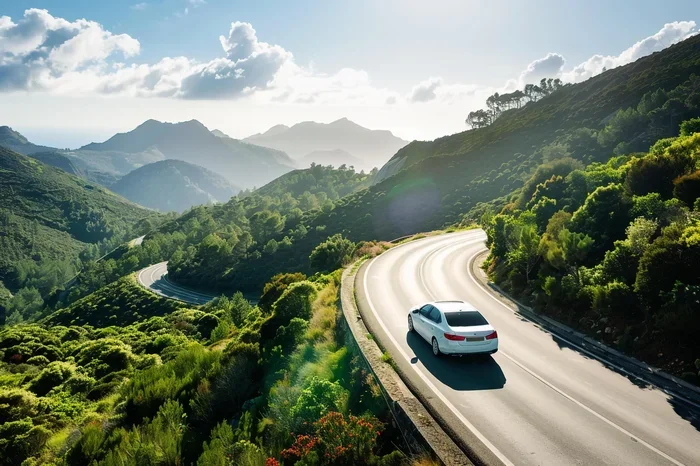
On a clear, dry highway with steady traffic flow, cruise control is your friend. It helps you maintain a consistent speed limit without fatigue in your right foot. Long-distance highway driving is where cruise control shines. It reduces driver fatigue and helps with fuel efficiency by maintaining a steady pace. Studies have shown that steady-speed driving can improve fuel efficiency by up to 15 percent on highways. So there is a real benefit to using cruise control when conditions allow.
The real benefit of cruise control is steady, efficient driving. Use it for fuel efficiency and comfort, not as an excuse to maintain high speeds. Always keep your speed at or below the posted limit, even when using cruise control. The system will not know if the limit changes or if there is a slowdown ahead.
Open Roads with Good Visibility
When you are on a long, straight road with clear visibility and no traffic congestion, cruise control can make the drive more comfortable. The road is predictable, and there are few reasons to change speed suddenly. This is the perfect environment for cruise control to do its job. You can relax, enjoy the drive, and stay safe at the same time.
Key Takeaways for Safe Cruise Control Use:
- Use cruise control only on dry, clear roads with good visibility
- Keep your speed at or below the posted speed limit
- Stay alert and keep both hands on the wheel
- Be ready to disengage the system at any moment
- Do not use cruise control if you feel tired or drowsy
- Check that your safety features like automatic braking are working properly
- Remember that cruise control is a tool, not a substitute for active driving
The Role of Adaptive Cruise Control
If your car has adaptive cruise control, you have an extra layer of safety. This system uses radar or cameras to detect vehicles ahead and adjusts your speed automatically. It is much safer than standard cruise control in moderate traffic. However, even adaptive cruise control has limits. It cannot handle sudden stops, construction zones, or poor weather. Always stay engaged and ready to take over. The technology is helpful, but it is not foolproof.
Common Mistakes Drivers Make and Expert Tips for Smart Use
Even experienced drivers make mistakes with cruise control. Understanding these common errors can help you avoid accidents and use the feature more safely. The goal is to make cruise control work for you, not against you.
Common Mistakes to Avoid
Here are the most frequent mistakes drivers make with cruise control:
- Leaving cruise control on in bad weather: This is the number one mistake. Many drivers forget to turn it off when rain starts or fog rolls in. Make it a habit to check your weather conditions before engaging the system.
- Over-relying on the system: Cruise control is an aid, not a replacement for active driving. Some drivers become too relaxed and lose focus on the road ahead.
- Setting speed too high: Drivers sometimes set cruise control above the safe speed for current conditions, even if it is below the posted limit. Always adjust your speed to match road conditions.
- Ignoring braking distance: Cruise control does not adjust for following distance. You still need to leave enough space between you and the car ahead. The system will not brake for you unless you have automatic braking enabled.
- Using cruise control when fatigued: Tired drivers sometimes use cruise control to reduce effort, but this can increase the risk of falling asleep at the wheel. Driver fatigue is a serious concern, especially on long trips.
Expert Tips for Smart Cruise Control Use
Here are some practical tips from driving safety professionals to help you use cruise control wisely:
- Always manually override when unsure. If you are not sure whether to use cruise control, turn it off. It is better to be safe than sorry. Trust your instincts on the road.
- Keep your feet near the pedals. Even when cruise control is on, keep your right foot hovering over the brake pedal. This habit keeps you ready to react in an instant.
- Check your reaction time regularly. Cruise control can dull your reflexes over time. Periodically test your alertness by consciously checking your surroundings and scanning the road ahead.
- Know your vehicle’s system. Read your owner’s manual to understand exactly what your cruise control system can and cannot do. Not all systems are the same, and features vary widely between manufacturers.
- Use cruise control to save fuel, not to speed. The real benefit of cruise control is steady, efficient driving. Use it for fuel efficiency gains, not as an excuse to maintain high speeds on open roads.
Common Mistake: Many drivers leave cruise control engaged on long trips and forget to reassess road conditions every few miles. Set a reminder on your phone or dashboard to check conditions periodically. A few seconds of attention can prevent a serious accident. Road conditions change, and your response should change with them.
Conclusion: Stay Safe by Knowing When to Turn It Off
Knowing when to avoid using cruise control is one of the most important skills every driver should have. Cruise control is a wonderful convenience, but it is not foolproof. Weather changes, road conditions shift, and traffic patterns are unpredictable. The best drivers are the ones who know when to use cruise control and, more importantly, when to turn it off.
Remember the key rule: if conditions are not ideal, take manual control. Wet roads, fog, heavy traffic, hilly terrain, and poor visibility all demand your full attention. Keep your feet ready, your eyes scanning, and your mind engaged. Cruise control should make your drive more comfortable, not less safe. The system is there to assist you, not to replace your judgment behind the wheel.
Next time you get behind the wheel, take a moment to assess the conditions before pressing that cruise control button. Check the weather, look at the road ahead, and consider the traffic situation. Your safety and the safety of others on the road depend on it. Stay alert, stay informed, and always drive with care. Making the choice to avoid using cruise control at the right times is a decision that can save lives.
Frequently Asked Questions
Is it safe to use cruise control in the rain?
No, it is not safe to use cruise control in the rain. Wet roads reduce tire grip, and cruise control will try to maintain speed even when your car starts to hydroplane. Always turn off cruise control when it is raining or the roads are wet. This simple step gives you the control you need to respond to slippery conditions.
Can adaptive cruise control handle all driving situations?
No, adaptive cruise control has limits. While it is safer than standard cruise control in moderate traffic, it cannot handle sudden stops, construction zones, or poor weather. The sensors may not react quickly enough in complex situations. Always stay engaged and be ready to take manual control at any time.
Why is cruise control dangerous on hilly roads?
Cruise control is dangerous on hilly roads because it does not adjust for steep grades. On downhill slopes, the system may increase your speed by maintaining engine power. On uphill slopes, it may cause the engine to overwork. Manual driving gives you the ability to use engine braking and shift gears for better speed control on hills.
Does cruise control save fuel?
Yes, cruise control can improve fuel efficiency by maintaining a steady speed on highways. Studies show that steady-speed driving can boost fuel economy by up to 15 percent. However, this benefit only applies in ideal conditions. In stop-and-go traffic or hilly terrain, cruise control can actually reduce fuel efficiency.
Should I avoid cruise control if I feel tired?
Yes, you should avoid cruise control if you feel tired or drowsy. Cruise control can make you feel too comfortable and reduce your alertness behind the wheel. Fatigued drivers need to be actively engaged in controlling the vehicle. If you are tired, pull over and rest rather than relying on cruise control to keep you going.
Can cruise control cause accidents?
Yes, cruise control can contribute to accidents when used in inappropriate conditions. Drivers who rely too heavily on the system may lose their habit of active speed management. In emergencies, drivers who have been using cruise control for long periods may have slower reaction times. Always stay alert and keep your feet near the pedals, even when cruise control is engaged.