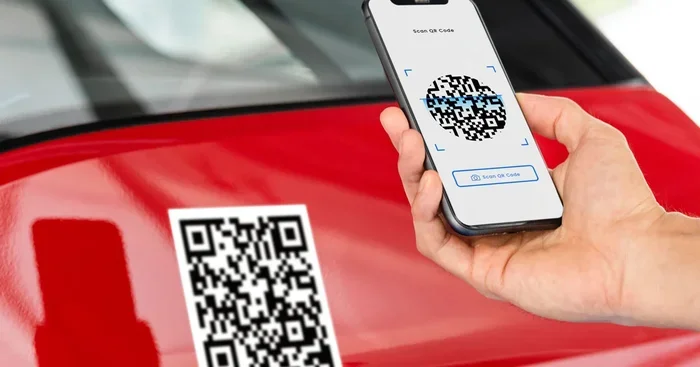
Why Is There a QR Code on My Car Here Is the Answer
Why Is There a QR Code on My Car? These small square codes serve real purposes like vehicle registration, insurance verification, and warranty tracking. They connect your car to digital information in seconds and are becoming standard across the automotive industry. Understanding what each code does helps you stay informed, safe, and ahead of the curve.
Have you ever stepped back and looked at your car, only to notice a small square pattern stuck to the window or printed on a sticker? You are not alone. More and more drivers are asking the same question: Why Is There a QR Code on My Car? These little black-and-white squares might look like simple designs, but they carry important information. They connect your vehicle to digital data in just a second.
QR codes on cars are not a new trend, but they are growing fast. Automakers, insurance companies, and even government agencies use them every day. Whether you bought a new car recently or have had yours for years, there is a good chance you have seen one. The reasons behind them are practical, helpful, and sometimes surprising.
In this article, we will break down everything you need to know. We will cover what these codes do, why they are there, and whether they are safe. By the end, you will have a clear answer to that nagging question. Let us get started.
Key Takeaways
- QR codes on cars serve multiple practical purposes: from registration and insurance to warranty tracking and parking.
- They work by linking your physical vehicle to digital data: making verification fast and paperless for both owners and authorities.
- Safety is a real concern: always scan only codes from trusted sources and use a scanner app with URL preview.
- QR codes are the future of automotive technology: expect digital keys, EV charging links, and full vehicle digital passports.
- Keep your codes clean and visible: damaged or dirty QR codes may not work when you need them most.
- Know what each code does: not all QR codes on your car serve the same purpose.
📑 Table of Contents
What Is a QR Code on a Car?
A QR code on car is a quick response code printed or displayed on a vehicle. It looks like a small square grid of black and white pixels. When scanned with a phone camera, it opens a link to digital information. Think of it as a bridge between your physical car and the online world.
These codes can appear in different places. You might find one on the windshield, the dashboard, or even on a sticker near the door jamb. Each placement serves a specific purpose. The information stored inside can range from simple details to complex data sets.
How QR Codes Work on Vehicles
A QR code works by encoding data in a pattern that a scanner can read. When you point your phone at the code, the camera decodes the pattern and takes you to a webpage or displays text. On a car, this process is instant and seamless.
Most modern smartphones have built-in QR scanners. You do not need to download extra apps anymore. Simply open your camera, point it at the code, and tap the notification that appears. This makes QR code vehicle identification faster and easier than ever before.
The data inside the code can be updated too. For example, a dealership can change the information linked to a code without replacing the sticker itself. This flexibility is one reason why automotive QR code technology is so popular.
Why Is There a QR Code on My Car
There are many reasons why a car might have a QR code. Each reason serves a real need for the owner, the manufacturer, or the authorities. Let us look at the most common ones.
Vehicle Registration and Identification
One of the biggest uses of a QR code on car registration is for vehicle identification. Many states and countries now use digital stickers instead of paper ones. The QR code on your car links directly to your registration database.
When a police officer scans the code, they instantly see if your registration is valid. This saves time for both the officer and the driver. It also reduces fraud because digital codes are harder to fake than paper stickers.
Digital vehicle identification through QR codes is becoming the standard in many places. Instead of digging through your glovebox for a paper registration, you just let the officer scan the code on your window.
Insurance and Warranty Information
Car insurance companies also use QR codes to their advantage. A QR code car insurance sticker on your windshield gives instant access to your policy details. If you get pulled over, the officer can verify your coverage in seconds.
Manufacturers use QR codes for warranty information too. A small sticker inside the door frame can link to your warranty status, service history, and recall notices. This is a form of QR code car warranty management that benefits both the owner and the dealer.
Some brands even use QR codes to track maintenance schedules. When you visit a service center, the technician scans the code and sees your full service history. This makes QR code car maintenance more efficient and accurate.
Quick Access to Vehicle Details
Beyond official documents, QR codes give owners quick access to vehicle details. A digital car sticker with a QR code can link to your owner’s manual, roadside assistance number, or even emergency contact information.
For example, some cars come with a QR code on the dashboard. Scanning it takes you to a portal with details about your specific model. You can find information about features, fuel type, and recommended service intervals. This is a great example of smart car technology at work.
Car buyers also benefit. When shopping for a used car, a QR code on the vehicle can reveal the full history report. You can check for accidents, ownership changes, and service records before making a decision. This is a powerful tool for QR code vehicle tracking and transparency.
How QR Codes Are Used Across the Automotive Industry
The automotive industry has embraced QR codes in many ways. From showrooms to law enforcement, these small codes play a big role. Let us explore how different groups use them.
Dealerships and Showrooms
Car dealerships use QR codes to enhance the buying experience. A sticker on a vehicle in the showroom links to detailed specs, pricing, and financing options. Buyers can scan the code and explore the car’s features on their own phone.
This QR code dashboard approach saves time for both the salesperson and the customer. Instead of flipping through brochures, buyers get instant access to interactive content. Some dealers even use QR codes to offer virtual test drive bookings or trade-in evaluations.
After the sale, dealerships place QR codes on new cars to help owners set up connected services. Scanning the code might link you to the brand’s app, where you can track your vehicle remotely or schedule service appointments.
Government and Law Enforcement
Law enforcement agencies rely on QR codes for efficient vehicle checks. A license plate QR code system allows officers to verify a vehicle’s status from a distance. This is especially useful during traffic stops and parking enforcement.
Many cities now use QR codes for digital parking passes. Instead of buying a paper parking meter ticket, drivers can scan a QR code to pay and display their pass on their phone. This QR code parking system reduces paper waste and makes enforcement easier.
Some regions also use QR codes for vehicle inspection tracking. After a car passes inspection, a QR sticker is placed on the windshield. The code links to the inspection certificate, making it easy for officers to verify compliance.
| Use Case | What It Does | Who Uses It |
|---|---|---|
| Vehicle Registration | Links to registration database for instant verification | DMV, State Agencies |
| Insurance Verification | Provides instant access to policy details | Insurance Companies |
| Warranty Tracking | Stores warranty status and service history | Manufacturers, Dealers |
| Parking Passes | Enables digital parking payment and display | City Governments, Parking Authorities |
| Vehicle History | Links to full accident and service history | Buyers, Sellers, Dealerships |
Are QR Codes on Cars Safe?
Safety is a top concern when it comes to scanning codes on your car. The short answer is yes, but with some precautions. Let us look at the risks and how to stay protected.
Understanding the Risks
Not all QR codes are created equal. A malicious person could place a fake sticker over a legitimate code. When scanned, this fake code might lead to a phishing website or download harmful software. This is known as QR code car safety risk, and it is real.
The good news is that codes placed by manufacturers and government agencies are secure. They use encrypted links and verified domains. The risk mainly comes from third-party stickers or codes you did not expect to see on your vehicle.
QR code authentication is an emerging solution to this problem. Some systems now use tamper-proof QR stickers that show visible damage if someone tries to remove or replace them. This adds a layer of security for vehicle owners.
How to Stay Protected
There are simple steps you can take to stay safe. First, only scan QR codes that are part of your vehicle from the factory or issued by trusted authorities. If you see a sticker that looks out of place, do not scan it.
Second, use a QR scanner app that shows the URL before opening it. This gives you a chance to check if the link looks legitimate. Many modern camera apps already do this automatically.
Third, keep your phone updated. Security patches often fix vulnerabilities that could be exploited through malicious QR codes. Staying current with updates is one of the best ways to protect yourself.
Quick Tips:
- Only scan QR codes that came with your vehicle from the manufacturer
- Check the URL preview before opening any linked page
- Keep your phone’s operating system and camera app updated
- Report any suspicious or unfamiliar stickers on your car to your dealer
- Use a reputable QR scanner app with built-in URL preview
Tips, Mistakes, and the Future of Car QR Codes
QR codes on cars are evolving fast. New uses emerge every year, and understanding how to use them properly can save you time and hassle. Let us look at some practical advice and what lies ahead.
Quick Tips for Car Owners
Here are some practical tips to get the most out of QR codes on your vehicle:
- Know where your codes are. Check your windshield, door frames, and dashboard for any QR stickers. Knowing their locations helps you use them when needed.
- Keep them clean and visible. Dirt and debris can make a QR code unreadable. Wipe your codes gently with a soft cloth during regular car washes.
- Update linked information when needed. If you change insurance providers or sell your car, make sure the linked information is updated or removed.
- Use official apps. When scanning a code for services, use the official app from the manufacturer or agency rather than a random browser link.
- Document your codes. Take a photo of each QR code on your car and save it in a secure place. This helps if a sticker gets damaged or lost.
Common Mistakes to Avoid
Many car owners make mistakes when dealing with QR codes. Here are the most common ones:
- Scanning unknown stickers. Never scan a QR code that you did not place on your car. It could be a scam or lead to a malicious website.
- Ignoring damaged codes. A worn-out or scratched QR code may not work when you need it most. Replace damaged stickers promptly through your dealer or local agency.
- Assuming all codes are the same. Different codes serve different purposes. A registration code is not the same as an insurance code. Know what each one does.
- Forgetting to remove old stickers. If you have moved to digital-only registration, remove old paper or sticker codes to avoid confusion.
- Overlooking privacy settings. Some QR-linked services collect data. Check the privacy policy before scanning and sharing your vehicle information.
The Future of QR Codes in the Automotive Industry
The future of QR code vehicle tracking and identification looks bright. Automakers are exploring new ways to integrate QR technology into every part of the car ownership experience.
Some brands are testing QR codes that link directly to digital keys. Instead of carrying a physical key fob, you can unlock your car by scanning a code with your phone. This QR code car safety feature also allows temporary access for family members or service providers.
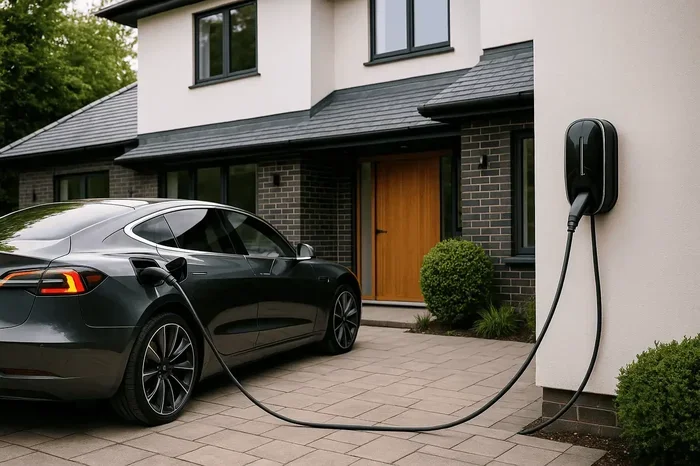
Another exciting development is the use of QR codes for electric vehicle charging. Drivers can scan a code at charging stations to start a session, view pricing, and receive receipts. This streamlines the EV charging experience and makes it more user-friendly.
Experts predict that within the next five years, most new vehicles will include built-in QR capabilities as standard. These codes will serve as digital passports for your car, storing everything from maintenance records to ownership history. Digital vehicle identification through QR codes will make car ownership more connected and convenient than ever before.
Expert Insight: “QR codes are transforming how we interact with our vehicles,” says automotive technology analyst Mark Jennings. “From registration to insurance to maintenance, these small codes are replacing paper-based systems and making the entire car ownership experience smoother.”
Conclusion
So, why is there a QR code on my car? The answer is simple. These codes make your life easier, safer, and more connected. They help authorities verify your registration and insurance instantly. They give you quick access to warranty information and service history. And they are paving the way for a smarter, more digital driving experience.
QR codes on cars are not going away. They are becoming a standard feature in the automotive world. Understanding what they do and how to use them properly puts you ahead as a car owner. Whether you are scanning a code for parking, checking your warranty status, or verifying your insurance, these small squares carry big value.
Next time you see that little pattern on your car, you will know exactly what it is and why it is there. Embrace the technology, stay safe, and enjoy the convenience that QR codes on cars bring to your daily driving life.
Frequently Asked Questions
Can I Remove a QR Code Sticker from My Car?
Yes, you can remove a QR code sticker, but you should check with your local DMV or manufacturer first. Some codes are linked to official records like registration or inspection. Removing them without replacing them with a valid digital version could lead to fines or issues during traffic stops.
What Happens If I Scan a Fake QR Code on My Car?
Scanning a fake or tampered QR code could redirect you to a malicious website or prompt a harmful download. It may attempt to steal your personal information or install malware on your phone. Always verify that the code is from a trusted source before scanning it.
Do All New Cars Come With QR Codes?
Not all new cars come with QR codes yet, but the trend is growing rapidly. Many modern vehicles from major manufacturers now include at least one QR code for registration, insurance, or connected services. Check with your dealer to see what QR features your specific model offers.
Can a QR Code on My Car Track My Location?
A standard QR code on your car does not track your location. It simply stores static information that opens a link when scanned. However, some connected services linked through QR codes may collect location data. Always review the privacy policy of any service you access through a QR code scan.
Are QR Codes on Cars Mandatory by Law?
Whether QR codes on cars are mandatory depends on your state or country. Some regions require digital registration stickers with QR codes, while others still accept paper documents. Check with your local Department of Motor Vehicles to understand the rules in your area.
How Do I Add a QR Code to My Car for Personal Use?
You can generate a custom QR code using free online tools and print it on a durable sticker. Link it to your insurance card, emergency contacts, or roadside assistance number. Just make sure the sticker is placed in a visible but non-obstructive location on your vehicle.