Can the Dealership Change My Key Fob Battery for You
Yes, the dealership can change your key fob battery for you, and many drivers prefer this option for peace of mind. Key fob battery replacement at a dealership typically costs between $5 and $25, depending on your vehicle. You can also do it yourself, but the dealership handles key fob programming if needed.
Your key fob stops working right when you are rushing out the door. You press the button a dozen times. Nothing happens. The first thought that crosses your mind is usually the same: could it just be the battery?
Key fob battery replacement is one of the simplest car maintenance tasks out there. But the real question most drivers ask is whether they should handle it themselves or head to the dealership. The answer depends on your comfort level, your vehicle type, and what kind of key fob you have.
This guide breaks down everything you need to know. We will cover what dealerships charge, whether they will do the work for you, and how DIY key fob battery replacement compares. By the end, you will know exactly what to do the next time your car key fob dies on you.
Key Takeaways
- Dealerships offer key fob battery replacement as part of their service options for most vehicle brands.
- Cost is usually low, ranging from $5 to $25 for the battery and service combined.
- DIY replacement is possible for many key fob models, but programming may still require a dealership visit.
- Common battery types include CR2032 and CR2025, which are widely available and inexpensive.
- Warranty coverage may apply if your key fob is still under the manufacturer’s protection plan.
- Going to the dealership ensures proper handling, especially for remote key fob systems with advanced security features.
- Knowing your options helps you save time and money while keeping your car running smoothly.
📑 Table of Contents
- Can the Dealership Change My Key Fob Battery?
- How Much Does It Cost to Replace a Key Fob Battery at the Dealership?
- Can You Replace a Key Fob Battery Yourself?
- How Long Does a Key Fob Battery Last?
- Dealership vs. DIY: Which Option Is Right for You?
- Common Mistakes People Make with Key Fob Batteries
- What to Do If Your Key Fob Battery Dies While Driving
- Does the Dealership Offer Key Fob Warranty Coverage?
- How to Choose the Right Battery for Your Key Fob
- Final Thoughts on Key Fob Battery Replacement at the Dealership
Can the Dealership Change My Key Fob Battery?
The short answer is yes. Most dealerships offer key fob battery replacement as a standard service. Whether you drive a Toyota, Honda, Ford, or Chevrolet, the service department can almost always swap out a dead battery for you.
However, the experience varies from one dealership to the next. Some dealerships will change the battery for free, especially if you bought the car from them. Others may charge a small labor fee on top of the cost of the battery itself. The good news is that the total cost is almost always very low.
Before you visit, call ahead and ask about their policy. Some service centers prefer to handle key fob battery replacement in-house because they want to make sure the fob works correctly afterward. Others may hand you a new battery and point you toward their parts counter.
What Happens When You Bring Your Fob to the Dealership?
When you walk into the service desk with a dead key fob, the process is usually quick and straightforward. Here is what typically happens:
- Step 1: The service advisor asks for your vehicle information and the key fob.
- Step 2: They open the fob and identify the battery type.
- Step 3: They replace the battery with a new one.
- Step 4: They test the fob to make sure it locks, unlocks, and starts the car properly.
- Step 5: They hand the fob back to you, often within 10 to 15 minutes.
Some dealerships also check for key fob troubleshooting issues while they have the fob open. If the battery is fine but the fob still does not work, they can run diagnostics to see if there is a deeper problem. This is a nice perk that you do not always get when you handle it yourself.
How Much Does It Cost to Replace a Key Fob Battery at the Dealership?
Key fob battery cost at a dealership is generally very affordable. The battery itself costs between $2 and $10. The labor charge, if any, usually ranges from $5 to $20. So you are looking at a total of about $5 to $25 in most cases.
Compare that to the cost of buying an entirely new key fob. A replacement fob with programming can set you back anywhere from $50 to $400 or more, depending on your vehicle. Replacing the battery is a tiny fraction of that cost.
Here is a quick look at what you might expect to pay:
- Battery only: $2 to $10
- Battery plus labor at dealership: $5 to $25
- Full replacement fob with programming: $50 to $400+
If your vehicle is still under warranty, the dealership may cover the battery replacement at no charge. It is always worth asking, especially if your car is relatively new. Even if the warranty does not cover it explicitly, some dealerships will do the job for free as a courtesy to keep you coming back for service.
Does Insurance or Roadside Assistance Cover Key Fob Battery Replacement?
Some insurance policies and roadside assistance plans include car key fob services. It is worth checking your coverage before you pay out of pocket. AAA, for example, sometimes offers key fob battery replacement at their service centers. Your auto insurance policy may also cover it under certain plans.
Do not assume it is not covered just because nobody told you. A quick call to your insurance provider or roadside assistance company can save you money. This is a small but smart move that many drivers overlook.
Can You Replace a Key Fob Battery Yourself?
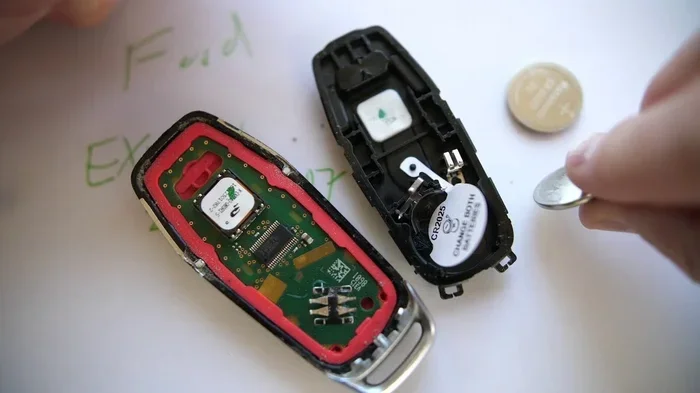
Absolutely. Most key fobs are designed to be user-serviceable. You do not need any special tools or technical skills. In fact, DIY key fob battery replacement is one of the easiest car maintenance tasks you can do at home.
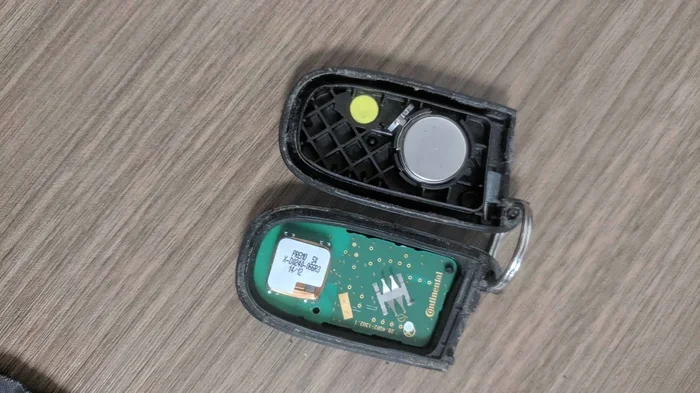
All you need is a small flathead screwdriver or a coin, a replacement battery, and about two minutes of your time. The battery type is almost always printed on the old battery or in your owner’s manual. The most common types are CR2032 and CR2025 batteries.
How to Replace Your Key Fob Battery at Home
Here is a simple step-by-step guide for most standard key fobs:
- Flip the key fob over and locate the small seam or notch along the edge.
- Use a flathead screwdriver or a coin to gently pry the fob open.
- Note which side the old battery is sitting on and which direction it faces.
- Remove the old battery carefully. You can use the screwdriver to pop it out.
- Insert the new battery with the correct orientation, matching the positive and negative sides.
- Snap the fob back together firmly.
- Test the fob by pressing the lock and unlock buttons.
It really is that simple. Most drivers are surprised at how easy it is once they try it for the first time. If you are someone who prefers to handle car tasks on your own, this is a great place to start.
That said, if you have already tried can I do my own car diagnostics and found the process overwhelming, a dealership visit might be the better choice for you. There is no shame in letting the professionals handle it.
When DIY Replacement Is Not Enough
Here is the catch. Replacing the battery solves the problem in most cases. But sometimes, the fob needs to be reprogrammed after the battery swap. This is more common with newer vehicles that use advanced remote key fob technology.
If you replace the battery yourself and the fob still does not work, you may need to visit the dealership for key fob programming. Some fobs also need to be synced to the car’s computer system after a battery change. This is something you cannot do on your own with most vehicle models.
This is the main reason many drivers choose to let the dealership handle the battery replacement. They get the battery swapped and the fob tested all in one visit. It saves the hassle of a second trip if programming is needed.
How Long Does a Key Fob Battery Last?
Key fob battery lifespan typically ranges from two to four years. However, this depends on how often you use the fob and what type of battery it uses. If you live in a cold climate, the battery may drain faster because low temperatures reduce battery performance.
Here are some signs that your key fob battery is dying:
- The fob works intermittently or from a shorter distance.
- You need to press the button harder or multiple times.
- The car does not recognize the fob when you are close to the vehicle.
- The dashboard shows a low battery warning for the fob (on some newer models).
If you notice any of these signs, do not wait too long to replace the battery. A fully dead fob can leave you stranded, especially if your car uses a push-button start system. In that case, you may need to place the fob directly against the start button or the steering column to start the car. But that is not always reliable.
Pro tip: carry a spare battery in your glove box. This way, you are never stuck waiting for a replacement. It is a small preparation step that saves a lot of headaches.
Dealership vs. DIY: Which Option Is Right for You?
Both options have clear advantages. Let us break them down so you can decide what works best for your situation.
When to Go to the Dealership
- Your fob has advanced features like remote start or smart key technology.
- You are not comfortable opening the fob yourself.
- The fob needs programming after the battery swap.
- Your car is still under warranty and you want to keep the service record clean.
- You want the peace of mind that comes with professional handling.
When to Replace the Battery Yourself
- Your fob is a simple model with a basic battery swap.
- You want to save time and avoid a trip to the dealership.
- The fob does not require reprogramming after the battery change.
- You enjoy handling small car maintenance tasks on your own.
- You want to avoid any service fees, even small ones.
If you are someone who likes to handle car tasks independently, you might also enjoy learning about can I install splash guards myself or other simple maintenance projects. These small jobs build confidence and save money over time.
On the other hand, if you prefer to leave things to the experts, the dealership is a reliable choice. They have the tools, the training, and the experience to handle your key fob battery replacement correctly the first time.
Common Mistakes People Make with Key Fob Batteries
Even simple tasks come with pitfalls. Here are the most common mistakes drivers make when dealing with key fob batteries:
Using the wrong battery type. Not all key fobs use the same battery. Using the wrong size or type can damage the fob or cause it to malfunction. Always check your owner’s manual or the markings on the old battery before purchasing a replacement.
Forgetting to reprogram the fob. Some vehicles require the fob to be synced after a battery change. If you replace the battery and the fob does not work, do not assume the new battery is defective. It may simply need to be reprogrammed.
Waiting too long to replace the battery. A dying battery does not always die all at once. It slowly loses power over days or weeks. Replacing it at the first sign of weakness prevents the inconvenience of a completely dead fob.
Not checking for other issues. Sometimes the problem is not the battery at all. Water damage, a worn-out fob casing, or a faulty circuit board can all cause the same symptoms. If you replace the battery and the fob still does not work, it is time to dig deeper.
Avoiding these mistakes keeps your key fob troubleshooting process smooth and saves you from unnecessary trips to the dealership or auto parts store.
What to Do If Your Key Fob Battery Dies While Driving
This is a situation nobody wants to deal with, but it happens. If your key fob dies while you are on the road, stay calm. Most modern vehicles have a backup system for exactly this scenario.
For push-button start cars, place the fob directly against the start button. The car can read the fob’s signal even with a dead battery in most cases. For key ignition cars, insert the physical key into the ignition slot. The car should start normally.
Once you are safely parked, replace the battery or head to the nearest dealership. If you are far from home, you might also consider can I drive 10 miles on empty as a reminder to manage your fuel level while you handle the fob issue. You do not want to compound one problem with another.
Some drivers also keep a spare key fob in the glove box. This is an excellent habit, especially if your primary fob dies unexpectedly. A spare fob can get you home or to the dealership without any stress.
Does the Dealership Offer Key Fob Warranty Coverage?
Many newer vehicles come with a key fob warranty that covers defects for a certain period, typically three years or 36,000 miles. This warranty usually covers key fob battery replacement if the issue is caused by a manufacturing defect rather than normal wear and tear.
However, normal battery drainage is generally not covered under warranty. Batteries are considered consumable parts, much like windshield wipers or brake pads. That means the dealership will likely charge you for a battery replacement even if your fob is under warranty.
If you are unsure about your coverage, check your vehicle’s warranty booklet or ask the service advisor at your dealership. They can clarify what is and is not covered. This small step can save you from unexpected costs.
It is also worth noting that some manufacturers offer extended key fob coverage as part of their premium warranty packages. If you are shopping for a new car, this is one of those details worth looking into. It adds value and reduces your long-term maintenance expenses.
How to Choose the Right Battery for Your Key Fob
Not all batteries are created equal, and choosing the right one matters. Here are the most common battery types found in car key fobs:
- CR2032: The most common key fob battery. Used in a wide range of vehicles. Lasts about 3 to 4 years on average.
- CR2025: Slightly thinner than the CR2032. Used in some compact key fobs. Similar lifespan.
- CR1632: Less common but found in certain vehicle models. Check your owner’s manual to confirm.
When purchasing a replacement battery, stick with trusted brands like Energizer, Duracell, or Panasonic. Cheap off-brand batteries may not last as long and could leak, potentially damaging the fob. This is a small investment that pays off in reliability.
If you are shopping for batteries and also need other car supplies, it helps to understand what your vehicle can handle. For instance, knowing can I put 88 octane in my car or can I put too much weight in my car are related maintenance questions that keep your vehicle running at its best.
Final Thoughts on Key Fob Battery Replacement at the Dealership
Key fob battery replacement at the dealership is a simple, affordable service that most drivers can benefit from. Whether you choose to handle it yourself or let the professionals do it, the important thing is to act quickly when your fob starts showing signs of a dying battery.
The dealership offers convenience, expertise, and the assurance that your remote key fob will work correctly after the replacement. For many drivers, especially those with advanced key fob systems, this peace of mind is well worth the small cost.
If you prefer the DIY route, just remember to check whether reprogramming is needed afterward. And always keep a spare battery on hand. These small habits keep you moving and prevent unexpected disruptions in your daily routine.
Your car is one of the biggest investments you will ever make. Taking care of the small things, like a key fob battery, goes a long way toward protecting that investment. So the next time your fob starts acting up, you will know exactly what to do.
Frequently Asked Questions
How long does a key fob battery last?
Most key fob batteries last between two and four years, depending on usage and climate. Cold weather can shorten battery life, so consider replacing it every two to three years if you live in a colder region.
Can I replace my key fob battery myself?
Yes, most key fobs are designed for easy user replacement. You just need a small screwdriver and a replacement battery. However, some vehicles require reprogramming after the swap, which may need a dealership visit.
Does the dealership charge to change a key fob battery?
Many dealerships change the battery for free or charge a small fee between $5 and $25. Some dealerships include it as a complimentary service, especially if you bought the vehicle from them. Always call ahead to confirm their policy.
What type of battery does my key fob use?
The most common types are CR2032 and CR2025. Check your owner’s manual or look at the old battery for the exact type. Using the correct battery ensures proper function and avoids damage to the fob.
Will my key fob need programming after a battery replacement?
It depends on your vehicle. Older models usually do not require programming. Newer vehicles with smart key systems or push-button start may need the fob synced to the car’s computer after a battery change.
What should I do if my key fob still does not work after replacing the battery?
First, make sure the battery is inserted correctly with the right orientation. If it still does not work, the fob may need reprogramming or there could be internal damage. In that case, a visit to the dealership for key fob troubleshooting and diagnostics is the best next step.
=== CONCLUSION ===
Can the dealership change my key fob battery? Yes, and it is one of the easiest car maintenance services you can take advantage of. Whether you visit the dealership or handle it yourself, replacing a key fob battery is quick, affordable, and prevents the frustration of a dead fob. Keep a spare battery in your glove box, know your vehicle’s warranty coverage, and do not wait until the fob completely dies. A little preparation goes a long way in keeping your daily drive smooth and stress-free.