What Is the FICO Credit Score and Why You Need to Know
Your FICO Credit Score is a three-digit number that lenders use to decide if you qualify for an auto loan and what interest rate you will pay. This guide breaks down exactly how the score works, the five key factors that build it, and simple steps you can take to improve it fast. Whether you are buying your first car or refinancing, understanding your FICO Credit Score can save you thousands of dollars.
If you have ever applied for a car loan or even thought about it, you have probably heard the term FICO score thrown around. But what does it really mean? Your FICO Credit Score is one of the most important numbers in your financial life. It shapes whether you get approved for an auto loan, what interest rate you pay, and even how much your monthly payment will be. Understanding this score is not just smart — it is essential if you want to save money and make confident financial decisions.
In this guide, we will walk through everything you need to know about the FICO Credit Score. We will cover how it is calculated, what the different score ranges mean, and how it connects to auto loans and car financing. You will also find practical tips to improve your score and avoid common mistakes that can drag it down. By the end, you will have a clear picture of where you stand and what you can do next.
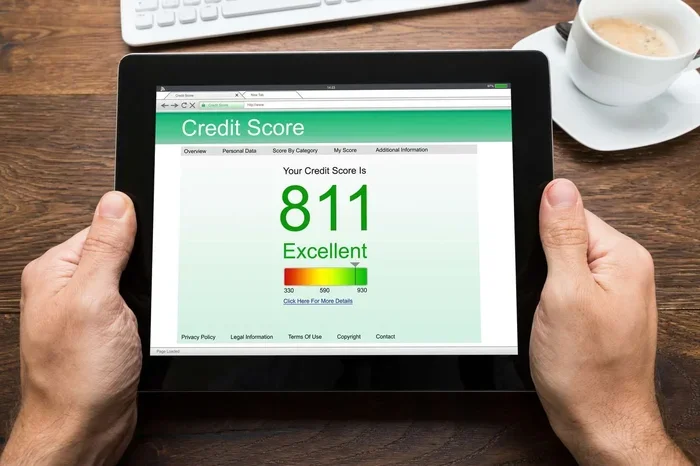
Let us start with the basics. The FICO Credit Score was created by the Fair Isaac Corporation, which is why it carries the name FICO. It is a three-digit number, typically ranging from 300 to 850, that represents your creditworthiness. In simple terms, it tells lenders how likely you are to repay a loan on time. The higher your score, the lower the risk you appear to lenders. This score is based on the information in your credit report, which is maintained by the three major credit bureaus: Equifax, Experian, and TransUnion.
Key Takeaways
- Your FICO Credit Score is the most widely used credit score in lending decisions: over 90% of top lenders rely on it.
- Five main factors determine your score: payment history, amounts owed, length of credit history, credit mix, and new credit inquiries.
- FICO score ranges go from 300 to 850: higher scores unlock better auto loan rates and terms.
- Your FICO score directly affects your auto loan interest rate: even a small increase in your score can save hundreds over the life of a loan.
- Simple habits like paying on time and lowering credit card balances can boost your score quickly: many people see improvement within 30 to 60 days.
- Checking your own FICO score does not hurt it: soft inquiries are safe and free through many banks and credit card issuers.
- FICO Auto Scores exist specifically for car loans: they use the same base FICO model but weigh factors differently for auto lending.
📑 Table of Contents
- What Exactly Is the FICO Credit Score?
- How Is Your FICO Credit Score Calculated?
- FICO Score Ranges and What They Mean
- Why Your FICO Credit Score Matters for Auto Loans
- Tips to Improve Your FICO Credit Score
- Common Mistakes That Hurt Your FICO Credit Score
- Key Takeaways
- Frequently Asked Questions
- Final Thoughts
What Exactly Is the FICO Credit Score?
The FICO Credit Score is a number that summarizes your credit risk. Think of it like a grade for how well you have managed debt in the past. When you apply for an auto loan, a credit card, a mortgage, or even a phone plan, lenders check this score to make a quick decision about your application.
How the FICO Score Model Works
The FICO score model uses data from your credit report to calculate your score. This data includes your payment history, how much debt you owe, how long you have had credit accounts, what types of credit you use, and whether you have opened new accounts recently. The FICO score model weighs each of these categories differently to arrive at a final number between 300 and 850.
Every time you apply for credit or use a credit account, that activity gets reported to the credit bureaus. The bureaus then compile this information into your credit report. When a lender pulls your credit report, they can see your FICO Credit Score and use it to assess your application. This process happens in seconds, which is why having a good score matters so much.
Why FICO Scores Matter More Than Other Scores
You might wonder why the FICO Credit Score gets so much attention when there are other credit scoring models out there. The answer is simple: trust and adoption. Over 90% of the top lenders in the United States use FICO scores to make lending decisions. That makes the FICO score model the industry standard for credit risk assessment. While other models like VantageScore exist, the FICO Credit Score remains the one most auto lenders, banks, and credit card companies rely on.
There are also specialized versions of the FICO score for different types of lending. For example, there is a FICO Auto Score that is designed specifically for auto loans. This version places more weight on your history with auto loans and less on other types of credit. Even so, it is built on the same foundation as the standard FICO Credit Score.
How Is Your FICO Credit Score Calculated?
The FICO score is not random. It is calculated using a specific formula based on five main categories. Each category contributes a different percentage to your final score. Understanding these categories can help you know exactly where to focus your efforts to improve your credit score.
Payment History (35% of Your Score)
Your payment history is the single biggest factor in your FICO Credit Score. This category looks at whether you have paid your bills on time, how many late payments you have had, and whether any accounts have gone to collections. Even one missed payment can have a negative impact, especially if it is recent or severe. On the flip side, a long track record of on-time payments will boost your score significantly.
Here are some quick tips for keeping your payment history strong:
- Set up automatic payments for at least the minimum amount due.
- Use calendar reminders or phone alerts for upcoming due dates.
- Pay more than the minimum whenever possible to reduce interest charges.
- Contact your lender immediately if you ever face a financial hardship.
Amounts Owed (30% of Your Score)
This category looks at your credit utilization, which is the ratio of your current balance to your credit limit. For example, if you have a credit card with a credit limit of $10,000 and you currently owe $3,000, your utilization rate is 30%. Experts generally recommend keeping your utilization below 30%, and ideally below 10%, for the best credit score results.
High utilization can signal to lenders that you are overextended and may struggle to repay new debt. Lowering your balances is one of the fastest ways to improve your FICO Credit Score. This is especially true for credit cards, which have a big impact on this category.
Length of Credit History (15% of Your Score)
The length of credit history considers how long you have had credit accounts open, how long your oldest account has been active, and the average age of all your accounts. A longer credit history generally leads to a higher score because it gives lenders more data to evaluate your reliability.
If you are young or new to credit, do not worry too much about this factor. Your score will naturally improve over time as your accounts age. The key is to avoid closing old accounts that you are not using, because that can shorten your average history and potentially lower your score.
Credit Mix (10% of Your Score)
Your credit mix refers to the variety of credit accounts you have. This can include credit cards, retail accounts, installment loans, auto loans, and mortgage loans. Having a diverse credit mix shows lenders that you can manage different types of debt responsibly. However, this factor only makes up 10% of your score, so it should not be a major focus if it is not natural for you.
New Credit Inquiries (10% of Your Score)
Every time you apply for new credit, the lender performs a hard inquiry on your credit report. Too many hard inquiries in a short period can signal risk to lenders, because it may suggest you are taking on more debt than you can handle. This category makes up 10% of your FICO Credit Score, so try to limit new credit applications to only when you really need them.
It is worth noting that checking your own score or having a lender pre-approve you does not count as a hard inquiry. These are called soft inquiries, and they do not affect your score at all.
Quick Comparison: FICO Score Factors
| Factor | Weight | What It Measures |
|---|---|---|
| Payment History | 35% | On-time payments, late payments, defaults |
| Amounts Owed | 30% | Credit utilization, total debt |
| Length of Credit History | 15% | Age of accounts, average account age |
| Credit Mix | 10% | Types of credit accounts |
| New Credit Inquiries | 10% | Recent hard inquiries and new accounts |
FICO Score Ranges and What They Mean
Understanding where your FICO Credit Score falls on the range can help you know what to expect from lenders. Here is a breakdown of the common FICO score ranges:
- Exceptional (800-850): You qualify for the best auto loan rates and the lowest interest rates. Lenders view you as a very low-risk borrower.
- Very Good (740-799): You will likely get favorable loan terms and competitive rates. Most lenders consider this a strong score.
- Good (670-739): This is considered an average score. You can still qualify for most loans, but you may not get the best rates.
- Fair (580-669): You may face higher interest rates and stricter loan terms. Some lenders may still approve you, but options are more limited.
- Poor (300-579): Getting approved for credit is very difficult. If you do get approved, expect very high interest rates and unfavorable terms.
For auto loans specifically, most lenders consider a score of 661 or higher to be prime or above. If your score falls below 500, you may need to look at subprime auto lenders, which often charge much higher interest rates. Even a small improvement in your score — say, moving from fair to good — can save you hundreds or even thousands of dollars over the life of an auto loan.
Why Your FICO Credit Score Matters for Auto Loans
If you are in the market for a car, your FICO Credit Score is one of the first things a lender will look at. The auto industry relies heavily on credit scores to determine loan eligibility, interest rates, and down payment requirements. Your score can make the difference between a loan with a 3% interest rate and one with a 15% interest rate.
How Your Score Affects Auto Loan Terms
Lenders use your FICO Credit Score to assess the risk of lending you money. A higher score means lower risk for the lender, which translates to better terms for you. Here is how your score can impact your auto loan:
- Interest Rate: Borrowers with excellent scores often get the lowest rates, while those with poor scores pay much more in interest.
- Loan Approval: A strong score increases your chances of approval. A weak score may lead to a denial or require a cosigner.
- Down Payment: Lenders may require a larger down payment from borrowers with lower scores to offset their risk.
- Loan Term: Borrowers with higher scores may qualify for longer loan terms, which can lower monthly payments.
FICO Auto Scores Explained
It is worth mentioning that many auto lenders use a specialized version called the FICO Auto Score. This score is based on the same FICO score model but is tailored specifically for auto lending. It places extra emphasis on your history with auto loans and less on other types of credit. If you have a good standard FICO Credit Score, your FICO Auto Score will likely be in a similar range, though it may differ slightly depending on your auto loan history.
Before you visit a dealership, it is a smart move to check your FICO Credit Score and your FICO Auto Score if possible. Many banks and credit card issuers offer free score monitoring, and you can also purchase your score directly from myFICO.com. Knowing your score ahead of time gives you a realistic picture of what to expect and helps you avoid surprises at the dealership.
Tips to Improve Your FICO Credit Score
If your current score is not where you want it to be, the good news is that scores can improve. The FICO Credit Score is not fixed — it changes based on the information in your credit report. Here are some proven strategies to boost your score over time.
1. Pay Every Bill on Time
This is the single most impactful thing you can do for your FICO Credit Score. Set up autopay for at least the minimum payment on all your accounts. Even one late payment can stay on your credit report for up to seven years, so consistency is key.
2. Reduce Your Credit Card Balances
Lowering your credit utilization is one of the fastest ways to see a score improvement. Try to pay down balances so your utilization stays below 30%. If you can get it below 10%, even better. Some people see a noticeable score jump within 30 to 60 days of reducing their balances.
3. Avoid Opening Too Many New Accounts
Each new credit application triggers a hard inquiry, which can temporarily lower your score. Only apply for new credit when you genuinely need it. Space out your applications if you need to apply for multiple lines of credit.
4. Keep Old Accounts Open
The length of credit history matters, and closing old accounts can shorten your average account age. Even if you do not use an old credit card, keeping it open helps your credit score by preserving your history.
5. Dispute Errors on Your Credit Report
Mistakes happen. Incorrect late payments, accounts that do not belong to you, or outdated information can all drag down your FICO Credit Score. You have the right to dispute errors with each of the three credit bureaus. Review your credit report regularly and file disputes for anything that looks inaccurate.
6. Become an Authorized User
If you have a family member with a strong credit history, you can ask to be added as an authorized user on their credit card. This can add positive payment history to your credit report and potentially boost your score. However, make sure the primary account holder has a solid payment record, because any negative activity will affect you too.
Quick Tips for FICO Score Improvement
- Check your credit score for free through your bank or credit card issuer.
- Set up payment reminders so you never miss a due date.
- Pay down high-interest credit cards first for the biggest score impact.
- Keep old accounts open even if you are not using them.
- Avoid applying for multiple credit cards in a short time frame.
Common Mistakes That Hurt Your FICO Credit Score
Improving your score is only half the battle. Avoiding the mistakes that drag it down is just as important. Here are some common pitfalls to watch out for.
1. Making Late Payments
Even a single 30-day late payment can cause a significant drop in your FICO Credit Score. Late payments stay on your credit report for seven years. If you have missed payments, get current as soon as possible and stay current going forward. The negative impact of a late payment fades over time, especially as you build a pattern of on-time payments.
2. Maxing Out Credit Cards
Charging up your credit cards to the credit limit signals to lenders that you are overextended. This can quickly lower your credit score. Try to keep your balances well below your credit limit at all times. If you cannot pay off the balance in full, at least make more than the minimum payment each month.
3. Closing Old Credit Accounts
It might seem logical to close a credit card you no longer use, but doing so can hurt your FICO Credit Score in two ways. It shortens your average credit history length and it reduces your total available credit limit, which increases your utilization rate. Unless there is a compelling reason, keep old accounts open.
4. Applying for Too Much Credit at Once
Shopping around for a loan is fine, but applying for multiple credit cards or loans within a short period can raise red flags for lenders. Each application typically triggers a hard inquiry, and too many inquiries can lower your score. When rate shopping for an auto loan, try to keep all your applications within a 14 to 30 day window. FICO scoring models treat multiple auto loan inquiries within a short period as a single inquiry.
5. Ignoring Your Credit Report
Many people never check their credit report until they are denied for a loan. By then, any errors or issues may have already caused damage. Make it a habit to review your credit report at least once a year. You are entitled to a free report from each of the three credit bureaus through AnnualCreditReport.com.
Expert Insight
According to credit industry experts, the most overlooked factor in credit score improvement is consistency. Small, steady habits — like paying on time and keeping utilization low — compound over time and lead to significant score gains. There is no quick fix or overnight solution. Patience and discipline are your best tools for building a strong FICO Credit Score.
Key Takeaways
- Your FICO Credit Score is the most widely used credit score in lending decisions: over 90% of top lenders rely on it.
- Five main factors determine your score: payment history, amounts owed, length of credit history, credit mix, and new credit inquiries.
- FICO score ranges go from 300 to 850: higher scores unlock better auto loan rates and terms.
- Your FICO score directly affects your auto loan interest rate: even a small increase in your score can save hundreds over the life of a loan.
- Simple habits like paying on time and lowering credit card balances can boost your score quickly: many people see improvement within 30 to 60 days.
- Checking your own FICO score does not hurt it: soft inquiries are safe and free through many banks and credit card issuers.
- FICO Auto Scores exist specifically for car loans: they use the same base FICO model but weigh factors differently for auto lending.
Frequently Asked Questions
What is a good FICO Credit Score for buying a car?
A score of 661 or higher is generally considered good for auto loans. Borrowers in the 661 to 780 range typically qualify for competitive interest rates. If your score is below 661, you may still get approved, but expect higher rates and possibly a larger down payment requirement.
How often does my FICO Credit Score update?
Your FICO Credit Score is updated whenever new information is reported to the credit bureaus. Most creditors report to the bureaus once a month, so your score can change every 30 to 45 days. Checking your score regularly helps you stay on top of any changes.
Does checking my FICO score lower it?
No. When you check your own score, it is considered a soft inquiry, which does not affect your FICO Credit Score at all. Only hard inquiries from lenders when you apply for new credit can cause a small, temporary drop.
Can I get an auto loan with a poor FICO score?
Yes, it is possible, but options are limited. Subprime lenders specialize in loans for borrowers with poor credit, but they charge significantly higher interest rates. Improving your FICO Credit Score before applying can save you a substantial amount of money over the life of the loan.
What is the difference between a FICO score and a VantageScore?
Both the FICO Credit Score and VantageScore are credit scoring models used to assess credit risk. The main difference is adoption and methodology. The FICO score model is used by over 90% of top lenders and is the industry standard. VantageScore is a competing model developed by the three credit bureaus together. While the scoring ranges are similar, the specific factors and weightings may differ slightly.
How long does it take to build a good FICO Credit Score?
Building a strong FICO Credit Score takes time and consistent effort. Most people see meaningful improvement within six months to a year of practicing good credit habits. However, the length of your credit history also plays a role, so younger credit profiles may take longer to reach exceptional ranges. Patience and steady discipline are the keys to long-term score improvement.
Final Thoughts
Your FICO Credit Score is more than just a number. It is a powerful financial tool that can open doors or close them, depending on where it stands. Whether you are buying a new car, refinancing an existing auto loan, or simply trying to build a stronger financial foundation, understanding and managing your FICO Credit Score is essential.
The good news is that you are in control. By paying your bills on time, keeping your credit utilization low, and avoiding common credit mistakes, you can steadily improve your score over time. Even small improvements can lead to significant savings on interest rates and loan terms. Start by checking your credit report today, set up good payment habits, and watch your FICO Credit Score grow. Your future self — and your wallet — will thank you.