Accident Car Pic In India And How To Protect Yourself
Accident car pic in India is more than just a photo — it is your strongest piece of evidence after a crash. Whether you are dealing with a minor fender bender or a serious collision, knowing how to take and use car accident photos can save you time, money, and legal trouble. This guide walks you through everything you need to protect yourself on Indian roads.
Every year, millions of car accidents happen on Indian roads. From busy highways in Mumbai to quiet lanes in small towns, crashes are a harsh reality. When an accident occurs, the moments right after can feel chaotic. People rush to check injuries, call emergency contacts, and try to sort out what went wrong.
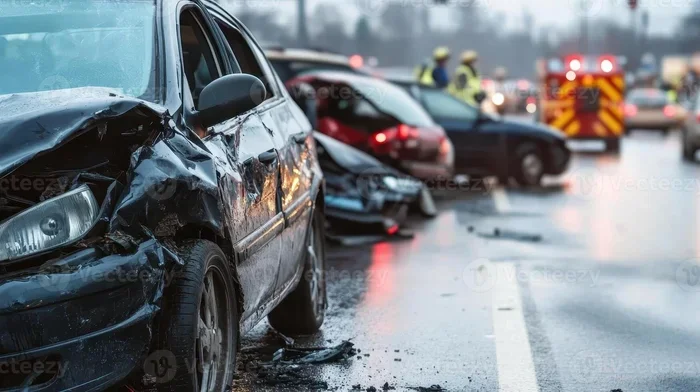
In all of this chaos, one thing often gets overlooked. Accident car pic in India becomes the missing piece that could have made a huge difference. A clear photo of the crash scene, the damage to vehicles, and the surrounding area can protect you in ways you might not expect. It helps with insurance claims, supports police investigations, and even strengthens your position in legal disputes.
Many people in India do not realize how powerful a simple photo can be. They assume the police will handle everything or that their car insurance company will sort things out on its own. But the truth is different. Insurance adjusters need proof. Police officers need evidence. And you need a clear record to back up your version of events.
This guide will show you exactly how to take effective accident car photos, why they matter so much, and what steps to follow after a crash. Whether you are a new driver or have been on Indian roads for years, this information can genuinely protect you.
Key Takeaways
- Accident car pics serve as legal evidence: Photos of your vehicle and the crash scene can make or break your insurance claim and legal case.
- Document everything immediately: The sooner you capture car damage photos, the more accurate and credible they become.
- Use your phone wisely: A dashboard camera and clear accident scene pictures are powerful tools for road accident evidence in India.
- Avoid common photo mistakes: Blurry shots, missing angles, and no context photos weaken your insurance claim photos.
- Know your legal rights: Police accident reports and proper car accident documentation work hand in hand with photos.
- Prevention starts with awareness: Recognizing accident hotspots in India and practicing safe driving reduces your risk significantly.
📑 Table of Contents
Why Accident Car Pics Matter So Much in India
India has one of the highest numbers of road accidents in the world. According to recent reports, over 400,000 road accidents are reported every year. Thousands of lives are lost, and many more result in property damage and injuries. In this environment, having solid road accident evidence is not optional. It is essential.
Photos Speak Louder Than Words
When you file an insurance claim, the company wants to see what happened. A written description can be vague or open to interpretation. But a car damage photo tells a clear story. It shows the exact point of impact, the severity of the damage, and the position of both vehicles after the crash.
Similarly, when you file a police accident report, the officers need details. Accident scene pictures help them understand the situation better. They can reveal things like skid marks, road conditions, traffic signals, and the position of vehicles. All of these details matter when determining who was at fault.
Protecting Yourself From False Claims
Unfortunately, hit and run cases and false claims are common on Indian roads. Another driver might blame you for an accident you did not cause. Without proper car accident documentation, you could end up paying for someone else’s mistake. Accident car pics act as an honest, unfiltered record of what actually happened.
They also protect you from exaggerated claims. Some people try to inflate damage or invent injuries after a minor collision. Clear photos of the vehicle accident photography scene show the real extent of damage and help insurance companies make fair decisions.
The Role of Dashboard Cameras
More Indian drivers are now using dashboard camera footage to record their journeys. These cameras capture everything happening on the road in real time. If an accident occurs, the footage serves as continuous traffic accident evidence that no one can dispute.
Dashboard cameras are especially helpful in hit and run cases. They can capture the license plate of the other vehicle, the direction it was traveling, and the exact moment of the collision. This kind of evidence is incredibly powerful in Indian courts and insurance hearings.
How to Take Proper Accident Car Photos
Knowing why photos matter is only half the battle. The other half is knowing how to take them correctly. A poorly taken photo is almost as useless as no photo at all. Here is a step-by-step guide to capturing effective accident car pics in India.
Step 1: Ensure Your Safety First
Before you even think about taking out your phone, make sure you are safe. Turn on your hazard lights. If you have reflective triangles or flares, place them behind your vehicle. Check for oncoming traffic, especially on busy highways where speeds are high.
Never stand in the middle of a road to take photos. Move to a safe spot on the side. If anyone is injured, call emergency services immediately. Your safety and the safety of others always come first.
Step 2: Capture the Big Picture
Start by taking wide-angle shots of the entire scene. These accident scene pictures should show:
- The position of both vehicles on the road
- Nearby traffic signals, signs, or landmarks
- Skid marks or debris on the road
- The surrounding environment, including lane markings
These wide shots give context. They show where the accident happened and how the vehicles ended up. This is crucial information for any legal evidence car accident situation.
Step 3: Photograph the Damage Up Close
Next, move in closer and take detailed shots of the damage. Capture every dent, scratch, and broken part from multiple angles. Make sure the photos are clear and well-lit. If it is dark, use your phone’s flashlight to illuminate the damaged area.
Focus on the point of impact. This is where the collision occurred, and it tells the story of how the accident happened. For example, a dent on the front-left bumper suggests a head-on collision, while damage on the rear suggests a rear-end crash.
Step 4: Include Photos of the Other Vehicle
Do not just photograph your own car. Take clear car damage photos of the other vehicle involved as well. Capture their license plate, their damage, and their position relative to yours. This provides a balanced record of the entire incident.
Step 5: Document the Road and Weather Conditions
Road conditions play a big role in accidents. Take photos of the road surface. Is it wet? Are there potholes? Was there oil or debris on the road? Was visibility poor due to rain or fog? These details support your version of events and can be important for car accident photography that holds up in claims or court.
Step 6: Capture the Time and Location
Make sure your photos have accurate timestamps. Most smartphones automatically add this information. If not, take a photo of a nearby signboard or a digital display showing the time. Also, note the exact location. Use Google Maps or any navigation app to record the address or GPS coordinates.
Quick Tips for Better Accident Photos
- Use your phone in landscape mode for wider shots
- Take more photos than you think you need
- Avoid using zoom; move closer instead for clarity
- Shoot in good lighting whenever possible
- Include a photo of your insurance documents at the scene
- Ask a passenger or bystander to help if you are injured
Legal Steps After Capturing Accident Car Pics
Taking photos is only the first step. What you do afterward matters just as much. In India, there are specific legal procedures you should follow after a road accident to protect your rights and ensure proper car accident documentation.
File a Police Report Immediately
No matter how minor the accident seems, file a complaint with the local police. The police accident report becomes an official record of the incident. When you file the report, share the accident car pics you have taken. The police can attach these photos to the report, which strengthens the overall evidence.
In India, under the Motor Vehicles Act, reporting an accident is legally required for certain types of collisions. Failing to report can lead to complications later, especially if the other party files a claim or a case against you.
Exchange Information With the Other Party
Exchange contact and insurance details with the other driver. Get their name, phone number, license plate, insurance company name, and policy number. At the same time, share your details with them. Keep a copy of all this information along with your insurance claim photos.
If the other driver refuses to share information or tries to leave the scene, note their license plate number and take as many photos as possible. This is especially important in hit and run cases in India.
Contact Your Insurance Company Promptly
Inform your insurance provider as soon as possible after the accident. Most insurers have a time window within which you must report a claim. When you contact them, share all the car accident photos you have taken. The clearer and more complete your photos are, the faster your claim will be processed.
Many insurance companies now have apps where you can upload photos directly. Use this feature to submit your vehicle accident photography right from the scene. It saves time and reduces the chances of evidence being lost or forgotten.
Seek Medical Attention if Needed
Some injuries from car accidents do not show symptoms immediately. Even if you feel fine, it is wise to get a medical check-up after a collision. Keep all medical reports and bills. These documents, combined with your accident scene pictures, create a strong package of evidence if your case goes to a legal hearing.
Consult a Lawyer if the Situation Is Serious
If the accident involves significant damage, injuries, or a dispute about fault, consult a lawyer who specializes in road accident cases in India. They can guide you on how to use your photos effectively in legal proceedings. A lawyer can also help you understand your rights under the Motor Vehicles Act and the compensation you may be entitled to.
Common Mistakes People Make With Accident Photos
Even with good intentions, many people make mistakes when documenting accident car pics in India. Avoiding these errors can make a big difference in how your evidence holds up.
Mistake 1: Taking Blurry or Dark Photos
Blurry photos are useless as evidence. If your photo is out of focus, it cannot clearly show the damage or the scene. Always ensure your photos are sharp and well-lit. If lighting is poor, use your phone’s flash or move to a better-lit area.
Mistake 2: Forgetting the Context
Many people only photograph the damage to their car. But the context matters just as much. A photo of a damaged bumper alone does not tell the full story. You need photos that show the position of both cars, the road conditions, and the surrounding environment. These contextual accident scene pictures provide the complete picture.
Mistake 3: Not Taking Enough Photos
Some drivers take just one or two photos and think that is enough. In reality, you should take as many photos as possible from every angle. More photos mean better documentation. They also give your insurer and lawyer more material to work with when building your insurance claim photos case.
Mistake 4: Editing or Altering Photos
This is a serious mistake. Never edit, crop, or enhance your accident photos. Altered photos can be questioned in court or by insurance companies. They can destroy your credibility and weaken your entire case. Keep your photos raw and unedited.
Mistake 5: Delaying the Photo Process
Evidence fades quickly. Vehicles get moved, debris gets cleared, and road conditions change. If you wait even a few hours to take photos, important details may be lost. Always document the scene as soon as it is safe to do so. Time is of the essence when capturing road accident evidence.
How Accident Car Pics Help Your Insurance Claim
The car insurance claim process in India can sometimes be slow and complicated. Insurance adjusters deal with hundreds of claims every day. Your job is to make yours as easy as possible to process, and accident car pics do exactly that.
Speeding Up the Claim Process
When you submit clear, well-documented photos with your claim, the insurance company can assess the damage faster. They do not need to send an adjuster to verify the damage in person. Your photos serve as the initial assessment tool. This speeds up the entire car insurance claim process significantly.
Supporting Your Version of Events
In disputed claims, the insurance company needs to decide who was at fault. Your photos provide visual support for your account of the accident. They show the point of impact, the direction of travel, and the position of vehicles. This visual evidence can be the deciding factor in how the claim is resolved.
Reducing the Risk of Claim Rejection
Claims get rejected for many reasons. One common reason is insufficient evidence. If you cannot provide adequate photos, the insurer may question the validity of your claim. Strong vehicle accident photography reduces this risk and gives you a much stronger position during the claims process.
| Claim Aspect | Without Photos | With Photos |
|---|---|---|
| Processing Speed | Slow; may require on-site inspection | Fast; photos serve as initial evidence |
| Claim Approval Rate | Lower; risk of insufficient proof | Higher; clear visual documentation |
| Dispute Resolution | Difficult without visual proof | Easier; photos support your version |
| Compensation Amount | May be undervalued or rejected | More accurate assessment of damage |
Expert Tips for Staying Safe on Indian Roads
While knowing how to document accidents is important, preventing them in the first place is even better. Indian roads can be challenging with heavy traffic, unpredictable driving, and varying road conditions. Here are some expert-backed tips to keep you safe.
Know the Accident Hotspots in India
Certain roads and intersections in India are known as accident hotspots in India. These include stretches of national highways, poorly maintained urban intersections, and areas with heavy truck traffic. If you regularly travel on these routes, stay extra alert and reduce your speed.
Maintain a Safe Following Distance
One of the leading causes of rear-end collisions is following too closely. Keep a safe distance from the vehicle ahead of you. This gives you enough time to react if the driver suddenly brakes. On Indian highways, where speeds can vary widely, this distance should be even greater.
Avoid Distracted Driving
Using your phone while driving is extremely dangerous. It takes your eyes off the road and your mind off driving. Even a split-second distraction can lead to a serious collision. If you need to make a call or check a map, pull over safely first.
Always Wear Your Seatbelt
It sounds simple, but wearing a seatbelt saves lives. In the event of a collision, a seatbelt prevents you from being thrown around inside the vehicle or ejected through the windshield. Make it a habit for every trip, no matter how short.
Keep an Emergency Kit in Your Car
Always have an emergency kit ready. It should include a first aid box, a flashlight, a reflective warning triangle, a phone charger, and a printed list of emergency contacts India. In an accident, these items can make a critical difference in how quickly you get help.
Consider Investing in a Dashcam
A dashboard camera is one of the best investments you can make as an Indian driver. It continuously records your drive and provides unbiased traffic accident evidence if an accident occurs. Many dashcams now offer high-definition recording, night vision, and GPS tracking. The peace of mind alone is worth the investment.
Practice Defensive Driving
Defensive driving means anticipating the actions of other drivers and being prepared to react. On Indian roads, this is especially important because not all drivers follow traffic rules strictly. Stay alert, expect the unexpected, and always have an escape plan in mind.
Conclusion
Accident car pic in India is a simple yet incredibly powerful tool that every driver should master. A few minutes of careful photo documentation after a crash can save you from weeks of claim disputes, legal complications, and financial stress. The photos you take become your voice when you cannot explain what happened, and they become your proof when others try to deny the truth.
Remember to stay safe first, document thoroughly, and follow the proper legal and insurance steps. Use the tips and guidelines in this guide to protect yourself on Indian roads. Whether you are a new driver or a seasoned commuter, these practices will serve you well.
Indian roads are busy and sometimes unpredictable. But with the right knowledge and the right tools, you can navigate them with confidence. Take your car accident documentation seriously. It is not just about photos. It is about protecting yourself, your family, and your peace of mind.
Frequently Asked Questions
Why are accident car pics so important in India?
Accident car pics serve as visual proof of what happened after a crash. They help insurance companies assess claims faster, support police investigations, and protect you in case of disputes or false claims on Indian roads.
What should I include in my accident car photos?
Your photos should include the full accident scene, close-ups of damage to all vehicles, license plates, road conditions, traffic signals, skid marks, and the surrounding environment. Timestamps and location details add extra credibility to your road accident evidence.
Can accident car pics be used as legal evidence in India?
Yes, accident car photos can be submitted as evidence in Indian courts and insurance hearings. They are considered valid legal evidence car accident documentation, especially when combined with a police report and witness statements.
How soon should I take photos after a car accident?
Take photos immediately after the accident, as soon as it is safe to do so. Evidence such as vehicle positions, skid marks, and road conditions can change quickly. The sooner you capture accident scene pictures, the more accurate and useful they become.
Do I need a dashboard camera to take good accident photos?
No, a dashboard camera is not required, but it is highly recommended. While your phone can capture great car accident photos, a dashcam provides continuous dashboard camera footage that records the entire event and can be decisive in disputed cases.
What should I do if the other driver refuses to share details?
If the other driver refuses to share information, take as many photos as possible, including their license plate and vehicle damage. Note the time, location, and any witnesses. Report the incident to the police immediately and share all your car accident documentation with your insurance company.