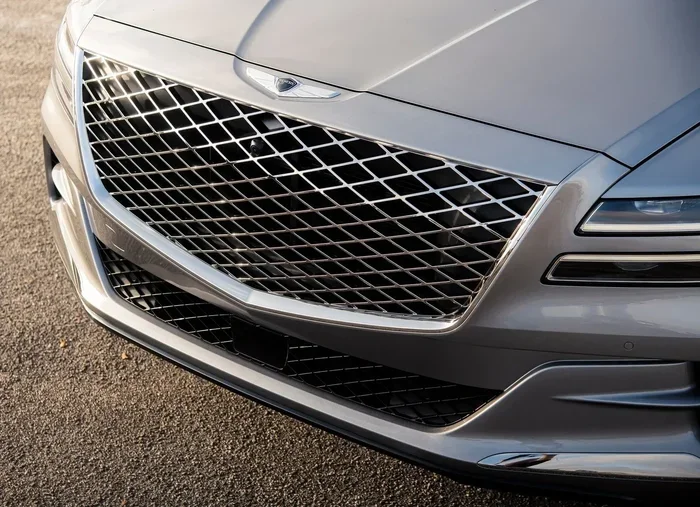
How Important Is a Grill on a Car for Your Vehicle
The grill on a car is far more than just a stylish front panel. It plays a vital role in engine cooling, airflow management, and even crash safety. Understanding how important a grill is on a car helps you make smarter choices about maintenance, upgrades, and replacement.
You see it every day. The front of your car. That bold, often stylish piece of metal and mesh sitting right at the nose of your vehicle. But have you ever stopped to think about how important a grill is on a car? Most people take it for granted. They just see it as a design element. But the truth is, the car grille does so much more than make your ride look good.
From keeping your engine cool to protecting vital components, the front end of your vehicle works hard every single day. And if something goes wrong with it, you will notice fast. Whether you are a car enthusiast or just someone who wants their vehicle to run well, understanding the role of the car front end is essential. This guide breaks it all down in simple terms.
Key Takeaways
- Engine Protection: The car grille shields the radiator and engine bay from debris and damage.
- Cooling Performance: A functional grille ensures proper airflow for heat dissipation.
- Safety Feature: The front fascia absorbs impact and contributes to crash protection.
- Brand Identity: Grille design is a key part of a vehicle’s styling and brand recognition.
- Aftermarket Options: Upgrading your grille can improve both looks and performance.
- Maintenance Matters: Regular care prevents costly repairs and keeps your car looking great.
📑 Table of Contents
What Does a Grill on a Car Actually Do?
The grille on a car is not just a decorative panel. It serves several critical functions that keep your vehicle running smoothly. Let us dive into the main jobs your grille handles every day.
Engine Cooling and Airflow
The most important job of any car grille is managing airflow. Your engine generates a massive amount of heat while running. Without proper airflow, that heat builds up fast. The grille design allows cool air to flow through the front fascia and reach the radiator.
Think of it like breathing. Your engine needs to inhale cool air and exhale hot air. The front bumper area and the grille work together to make this happen. If the grille gets blocked or damaged, your engine cooling suffers. That can lead to overheating, which is one of the most common causes of engine failure.
Protecting the Radiator and Engine Bay
Your radiator sits right behind the grille. It is exposed to road debris, bugs, rocks, and all kinds of junk. The car grille acts as a shield. It takes the hits so your radiator does not have to. Without it, your engine bay would be completely vulnerable to damage.
Even small rocks kicked up by other cars can cause serious harm. A damaged radiator means leaks, overheating, and expensive repairs. The grille absorbs that impact and keeps the sensitive parts underneath safe.
Aerodynamic Function
Modern vehicles are designed with aerodynamic function in mind. The shape of the front fascia and grille helps direct air smoothly over the car. This reduces drag and improves fuel efficiency. A well-designed grille also helps manage downforce at higher speeds.
When the grille is damaged or modified poorly, it can disrupt this airflow. That means your car might not run as efficiently. You could see a drop in gas mileage. So the grille does more for your wallet than you might think.
Why the Grill Design Matters for Your Vehicle
Car manufacturers spend millions on grille design. Why? Because it matters. The front of your car is the first thing people see. It sets the tone for the entire vehicle. But beyond looks, the design affects performance.
Brand Identity and Styling
Walk down any street and you can spot a BMW, Mercedes, or Ford from a distance. Why? Because of the grille design. The front end is the face of the car. It carries the brand identity and gives each vehicle its unique personality.
BMW uses the iconic kidney grille. Ford has its bold trapezoid shape. These designs are instantly recognizable. Car styling is a huge part of why people choose one vehicle over another. The grille plays a starring role in that decision.
OEM Grille vs Aftermarket Grille
When it comes to replacing or upgrading your car grille, you have two main options. OEM stands for Original Equipment Manufacturer. An OEM grille is made by the same company that built your car. It fits perfectly and matches the factory design.
An aftermarket grille is made by a third-party company. These offer more customization. You can find different materials, styles, and finishes. Some aftermarket grilles are designed to improve airflow. Others focus purely on aesthetics. Both options have their place, and the right choice depends on your goals.
| Feature | OEM Grille | Aftermarket Grille |
|---|---|---|
| Fit and Finish | Perfect factory match | Varies by brand |
| Price Range | Higher cost | More affordable options |
| Customization | Limited to original design | Wide variety of styles |
| Performance Gains | Standard airflow | Often improved airflow |
| Warranty | Covered under factory warranty | Varies by manufacturer |
How a Damaged Grill Affects Your Car
A damaged grille is more than a cosmetic issue. It can affect how your car performs and how safe it is. Here is what happens when your front fascia gets compromised.
Reduced Cooling Efficiency
Cracks, bent bars, or missing pieces can block airflow to the radiator. This means your engine runs hotter. Over time, heat dissipation suffers. You might notice your temperature gauge climbing higher than normal. Ignoring this can lead to serious engine damage.
Increased Road Debris Damage
Without a fully intact grille, debris hits the radiator and other components directly. Small holes or gaps let rocks and dirt pass through. This can puncture the radiator or damage the engine bay wiring. What starts as a small crack can turn into a big repair bill fast.
Impact on Vehicle Safety
The front end of your car plays a role in vehicle safety. The grille and front bumper work together to absorb impact in a collision. A damaged grille can weaken the front structure. This might not be obvious during normal driving, but it matters in a crash.
Lower Resale Value
Buyers notice a damaged grille. It signals neglect. A cracked or bent front end can reduce your car’s resale value significantly. If you plan to sell or trade in your vehicle, a clean, intact grille makes a strong first impression.
When Should You Replace Your Car Grill?
Knowing when to replace your car grille can save you money and prevent bigger problems. Here are the signs to watch for.
Visible Cracks or Damage
Any visible cracks, bends, or missing pieces mean it is time to act. Even small damage can grow over time. Road vibrations and temperature changes make cracks worse. Address them early before they become expensive repairs.
Reduced Airflow
If you notice your engine running hotter than usual, check the grille. Look for bent bars, clogged mesh, or debris buildup. Cleaning might fix a minor clog. But if the structure is damaged, grille replacement is the safer choice.
After a Collision
Even a minor fender bender can damage the front fascia. Get it inspected after any accident. A grille replacement is often affordable compared to the cost of fixing a damaged radiator or engine from neglected damage.
Quick Tips for Grill Maintenance
Keeping your car grille in good shape is simple. Follow these tips to extend its life and keep your vehicle performing at its best.
- Wash it regularly. Road grime and salt can corrode the grille material. Use a gentle soap and soft cloth.
- Inspect for damage monthly. Look for cracks, bends, or loose fittings during your routine car wash.
- Clear debris from the mesh. Leaves, dirt, and bugs can block airflow. A quick rinse keeps things clear.
- Avoid high-pressure washing directly at the grille. Forceful water can bend the bars or damage the mesh.
- Address small issues early. A small crack today can become a big problem tomorrow. Fix minor damage fast.
- Choose quality replacements. If you need a new grille, go with a reputable brand. Cheap parts may not fit or function properly.
Common Mistakes People Make With Their Car Grill
Avoid these common mistakes to keep your front fascia and engine in top shape.
- Ignoring small cracks. People often overlook minor damage. But small cracks let in more debris and grow over time.
- Using harsh chemicals. Strong cleaners can damage the grille finish. Stick to mild soap and water.
- Choosing style over function. Some aftermarket grilles look great but block airflow. Always consider performance when upgrading.
- Delaying replacement. A damaged grille is a problem that does not fix itself. The longer you wait, the worse it gets.
- Skipping inspections. Regular checks catch problems early. Make it part of your routine car maintenance.
Expert Insights on Grill Importance
Automotive experts agree that the car grille is one of the most underrated components on any vehicle. Mechanics see the damage caused by neglected grilles every day. A blocked or broken grille leads to overheating, which is one of the top reasons cars break down in summer.
Experts also emphasize that the grille design is a key part of a vehicle’s overall engineering. It is not an afterthought. Engineers carefully design the front fascia to balance cooling, aerodynamics, and aesthetics. When you modify or replace your grille, you should respect that engineering.
For those considering an aftermarket grille, experts recommend choosing one that matches or improves upon the original airflow design. A grille that looks great but restricts air will cost you more in the long run. Always prioritize function alongside form.
Conclusion
The grille on a car is far more important than most people realize. It protects your engine, manages airflow, keeps you safe, and gives your vehicle its unique look. How important is a grill on a car? It is absolutely essential. From engine cooling to crash protection and brand identity, the car grille touches every aspect of your driving experience.
Take care of your front fascia. Inspect it regularly. Replace it when needed. And if you are thinking about upgrading, choose a grille that balances style with function. Your vehicle will thank you with better performance, fewer repairs, and a longer life on the road. The next time you look at the front of your car, give that grille the respect it deserves.
Frequently Asked Questions
Can I drive my car with a damaged grille?
You can, but it is not recommended. A damaged grille reduces airflow to the engine and leaves the radiator exposed to road debris. This can cause overheating and costly repairs over time.
How much does it cost to replace a car grille?
The cost varies depending on your vehicle and whether you choose an OEM or aftermarket option. On average, you can expect to pay between $100 and $500 for parts and installation. Luxury vehicles may cost more.
Does the grille affect engine performance?
Yes, it does. The grille controls airflow to the radiator and engine bay. A blocked or poorly designed grille can restrict cooling and reduce overall engine performance, especially in hot weather.
Can I install an aftermarket grille myself?
Many aftermarket grilles are designed for easy installation. They often use the existing mounting points. However, if you are not comfortable working on your car, it is best to have a professional handle the installation.
How often should I inspect my car grille?
A monthly inspection is ideal. Look for cracks, bends, loose fittings, or debris buildup. Catching problems early prevents bigger issues down the road and keeps your engine running cool.
Is the grille the same as the front bumper?
No, they are different but work together. The grille is the mesh or panel that covers the front opening of the car. The front bumper is the outer protective structure that absorbs impact. Both are important parts of the vehicle front end.