Air Blower for Car Cleaning Everything You Need to Know
An air blower for car cleaning is a powerful tool that removes dust, debris, and moisture from every corner of your vehicle. Whether you are detailing the interior, cleaning the engine bay, or drying the exterior, a car air blower saves time and effort. This guide covers everything from types and features to practical tips and common mistakes.
An air blower for car cleaning has become one of the most popular tools among car enthusiasts and professional detailers. If you have ever tried to dry your car with a towel after a wash, you know how frustrating it can be. Water gets stuck in seams, mirrors, and crevices. A car air blower solves this problem in seconds. It blows out moisture and loose dirt without touching the paint.
But not all blowers are the same. Some are loud. Some are too heavy. And some simply do not have enough power. That is why this guide exists. We will walk you through everything you need to know. From choosing the right type to using it effectively. By the end, you will feel confident picking the perfect electric air blower for car cleaning.
Key Takeaways
- Saves Time and Effort: An air blower for car cleaning removes dust and water faster than towels and cloths.
- Multiple Types Available: From electric blowers to battery-powered models, there is an option for every budget and need.
- Works for Interior and Exterior: You can use it for the engine bay, tires, seats, and the car body.
- Look for Key Features: Focus on airflow speed, noise level, weight, and nozzle attachments.
- Avoid Common Mistakes: Do not use excessive pressure near sensitive parts or hold the blower too close to surfaces.
- Proper Maintenance Matters: Clean the filter and store the blower properly to extend its life.
📑 Table of Contents
- What Is an Air Blower for Car Cleaning?
- Why Use an Air Blower Instead of a Towel?
- Types of Air Blowers for Car Cleaning
- Key Features to Look For
- Best Ways to Use an Air Blower for Car Cleaning
- Air Blower vs. Air Compressor for Car Cleaning
- Common Mistakes to Avoid
- Expert Tips for Getting the Most From Your Air Blower
- Who Should Get an Air Blower for Car Cleaning?
- How to Maintain Your Air Blower for Longevity
- Final Thoughts
What Is an Air Blower for Car Cleaning?
An air blower for car cleaning is a device that pushes a stream of air to remove dust, water, and debris from a vehicle. It works like a powerful fan but with much higher velocity. You can use it on the outside of the car, inside the cabin, and even around the engine bay.
These tools come in many shapes and sizes. Some plug into a wall outlet. Others run on batteries. Some look like small handheld guns. Others are larger and more powerful. The goal is the same. Move air fast enough to lift dirt and dry surfaces quickly.
People often compare an air blower for car cleaning to a leaf blower or an air compressor for car tasks. While they share similarities, car-specific blowers are designed with quieter motors and safer airflow levels. They are built for precision, not just raw power.
How Does It Work?
Inside every detailing blower, there is a motor that spins a fan or impeller. This creates a high-speed stream of air. The air exits through a nozzle or attachment. You point it at the surface you want to clean or dry.
The speed of the air is measured in miles per hour or cubic feet per minute. Higher numbers mean more blowing power. But more power also means more noise and sometimes more weight. So finding the right balance is key.
Why Use an Air Blower Instead of a Towel?
You might wonder why you need a portable air blower when you already have microfiber towels. That is a fair question. But once you try an air blower for car cleaning, you will wonder how you ever managed without one.
A towel can scratch your paint if it traps tiny dirt particles. Even the softest cloth can cause swirl marks if you rub too hard. An air blower for car exterior cleaning removes loose dust without any contact at all. This keeps your paint safe and shiny.
Here are some key reasons to switch to an electric air blower for car:
- No Contact Needed: You do not touch the car surface, reducing the risk of scratches.
- Faster Drying: An air blower for car drying removes water from hard-to-reach spots like door handles and mirror housings.
- Reaches Tight Spaces: Air gets into gaps between trim pieces, vents, and seams that towels cannot reach.
- Works on Wet Surfaces: It helps clear water from the trunk, under the hood, and around the windows.
- Reduces Water Spots: The faster you dry, the fewer mineral deposits left behind from tap water.
Time Savings Are Real
A full car wash and dry by hand can take 30 to 45 minutes. Using a high velocity air blower can cut that drying time to just five or ten minutes. That is a huge time saving, especially if you wash your car regularly.
Think about it. Instead of wiping down every panel, you just blow the water off. Then you move on to the next task. Whether you are a weekend warrior or a professional detailer, this efficiency adds up fast.
Types of Air Blowers for Car Cleaning
Not all blowers are built the same way. Understanding the different types helps you pick the right one for your needs. Each type has its own strengths and weaknesses.
Electric Corded Air Blowers
A corded electric air blower for car plugs into a wall outlet. This means unlimited runtime as long as you have power nearby. These models tend to be the most powerful and consistent.
They are great for home garages and driveways. You do not have to worry about battery life mid-job. Most corded air blowers for car cleaning offer strong airflow and multiple speed settings.
The downside is the cord. You need to stay near an outlet, which can limit your movement. Also, the motor can be louder than battery-powered options. But for pure drying power, few tools beat a good corded model.
Battery-Powered Cordless Air Blowers
A battery powered air blower for car runs on rechargeable lithium-ion batteries. These are the most popular choice for mobile detailing. You can carry them anywhere without worrying about cords.
Most cordless models give you 15 to 45 minutes of runtime per charge. That is plenty for a full car dry. Some even come with two batteries so you can swap them out and keep working.
The trade-off is slightly less peak power compared to corded models. But modern cordless air blowers for car detailing have improved a lot. Many now deliver airflow that rivals older corded units.
Air Compressor Blowers
An air compressor for car cleaning uses a tank to store compressed air. When you release the trigger, the air comes out at very high pressure. These are common in professional shops.
They are extremely powerful. You can blow out every speck of dust from an engine bay in seconds. However, they are louder, heavier, and more expensive. You also need a compressor unit, which takes up space.
If you already own a compressor, you can use it for car cleaning. But if you are looking for a dedicated car tool, a standalone car detailing air blower is usually a better choice.
Handheld Mini Blowers
A handheld mini air blower for car is small, light, and easy to store. These are perfect for quick jobs like clearing dust from the dashboard or drying a single window.
They run on small batteries and do not have the power of larger models. But for spot cleaning and light detailing, they work great. They are also affordable, making them a good entry point for beginners.
Key Features to Look For
When shopping for an air blower for car cleaning, not all features are equal. Some matter more than others. Here is what you should focus on.
Airflow Speed and Power
The most important spec is the airspeed, usually measured in miles per hour. Look for a high velocity air blower that delivers at least 100 mph. Higher speeds mean better dust removal and faster drying.
Some blowers also list airflow volume in cubic feet per minute. A higher CFM means more air is being moved overall. For car cleaning, a balance of speed and volume is ideal.
Noise Level
Nobody wants a blower that sounds like a jet engine. Check the decibel rating before buying. Most quality air blowers for car detailing operate between 60 and 80 decibels. Anything above 85 dB can be uncomfortable during longer sessions.
If you plan to use the blower early in the morning or in a neighborhood, look for quieter models. Some brands now make quiet air blowers for car cleaning that are surprisingly gentle on the ears.
Weight and Ergonomics
You will likely hold the blower for several minutes at a time. A heavy tool causes arm fatigue fast. Look for models under 3 pounds for handheld use.
Ergonomic grips make a big difference too. A comfortable handle lets you aim the nozzle more precisely. Some air blowers for car interior cleaning even have a pistol-grip design for easy handling.
Nozzle Attachments
The nozzle is what directs the airflow. A good air blower for car cleaning kit should include multiple attachments. These help you target different areas effectively.
- Concentrator Nozzle: Focuses the air into a tight stream for hard-to-reach spots.
- Wide Fan Nozzle: Spreads the airflow for faster drying of large surfaces.
- Brush Attachment: Combines blowing with gentle brushing for stubborn dirt.
- Crevasse Tool: A thin, angled nozzle for vents, seams, and tight gaps.
Filter and Maintenance
Over time, dust and debris enter the blower motor. A washable air filter prevents this from causing damage. Check if the model you choose has an easy-to-clean or replaceable filter.
Some air blowers for car wash use also include a pre-filter that catches larger particles. This keeps the main motor cleaner and extends the life of the tool.
Best Ways to Use an Air Blower for Car Cleaning
Owning a great air blower for car cleaning is only half the battle. Knowing how to use it properly makes all the difference. Here are practical ways to get the best results.
Drying the Exterior After a Wash
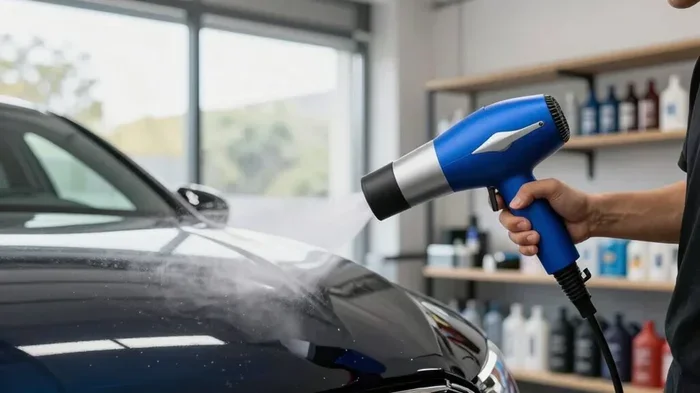
This is the most common use. After rinsing your car, turn on the blower and work from the top down. Gravity helps pull water off the panels as you blow it away.
Start with the roof and work toward the lower body panels. Use a wide fan nozzle for large flat surfaces. Switch to a concentrator nozzle for mirrors, door handles, and window frames.
Keep the nozzle about 6 to 12 inches from the surface. Too close can push water into seals and gaps. Too far reduces the drying effect. Move in steady, overlapping passes.
Cleaning the Engine Bay
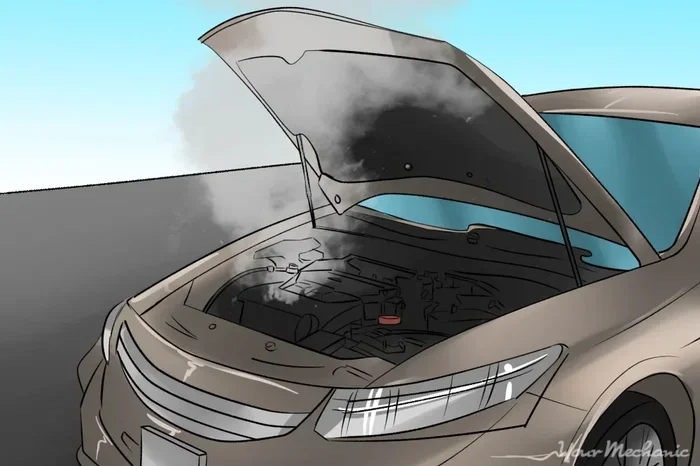
The engine bay collects dust, grease, and debris over time. An air blower for engine bay cleaning is a game changer. It blows out loose dirt without you having to reach into tight spaces.
Make sure the engine is cool before you start. Point the nozzle into the engine bay from a safe distance. Work around the battery, fuse box, and sensors carefully. Avoid directing high-pressure air directly at electrical connectors.
Blowing Out Interior Vents and Seams
The interior of a car traps dust in vents, seat seams, and dashboard crevices. A detailing air blower with a thin nozzle attachment can blast this dust out easily.
Start the car and turn on the vents. The running fan helps pull the dislodged dust out of the system. Blow into each vent opening one at a time. You will be amazed at how much grime comes out.
Removing Light Debris from the Paint
Before a wash, use the blower to remove loose leaves, dust, and bugs from the paint surface. This prevents those particles from scratching the car when you later use a mitt or towel.
Hold the blower about 12 inches away and use a sweeping motion. Work in sections from top to bottom. This pre-wash step is something many professional detailers do as a standard practice.
Drying Windows and Mirrors
Water spots on glass are ugly and hard to remove. An air blower for car windows dries them quickly and completely. Use a narrow stream of air aimed at the edge of the glass.
The air pushes the water toward the bottom edge, where it drips off. This method leaves less streak than towel drying alone. Pair it with a quick wipe for a crystal-clear finish.
Air Blower vs. Air Compressor for Car Cleaning
People often ask, “Should I use an air blower for car cleaning or an air compressor for car tasks?” Both tools move air, but they work very differently.
An air blower for car exterior cleaning is lighter, quieter, and more portable. It is purpose-built for car detailing. An air compressor is more versatile and can power many other tools, from impact wrenches to paint sprayers.
Here is a quick comparison:
- Portability: A portable air blower for car is lighter and easier to carry. A compressor is heavier and needs more space.
- Noise: Blowers are generally quieter than compressors, which can be very loud.
- Power: Compressors deliver higher pressure, which is better for heavy-duty tasks.
- Cost: A basic electric air blower for car costs less than a decent compressor setup.
- Ease of Use: Blowers are simpler. Plug in or turn on, and you are ready. Compressors need more setup.
For most car owners, a dedicated air blower for car cleaning is the smarter choice. It is lighter, easier to store, and perfectly suited for vehicle detailing. If you need a compressor for other garage tasks, you can still use it for car cleaning. But a standalone blower gives you the best experience for this specific job.
Common Mistakes to Avoid
Using an air blower for car cleaning is simple, but small mistakes can cause problems. Here is what to watch out for.
Holding the Blower Too Close
It is tempting to get the nozzle right up against the surface for maximum effect. But holding the blower too close can force water under trim pieces or into sensitive areas. Keep a safe distance of at least 6 inches.
Ignoring the Filter
A clogged filter reduces airflow and puts extra strain on the motor. Clean or replace the filter regularly. This simple habit keeps your air blower for car wash running smoothly for years.
Using the Wrong Nozzle
A wide fan nozzle is great for drying large panels. But using it to clean tight vents will just blow dust around. Match the nozzle to the task for the best results.
Forgetting to Protect Sensitive Parts
When blowing out the engine bay, avoid directing air at the alternator, sensors, or fuse box. Cover sensitive electrical components with a plastic bag if needed. Water and electricity do not mix well.
Skipping Pre-Wash Blowing
Many people jump straight to scrubbing. But blowing off loose debris first prevents scratches. Make this a habit and your paint will thank you.
Expert Tips for Getting the Most From Your Air Blower
Want to level up your car cleaning game? Here are some tips from experienced detailers who use an air blower for car cleaning every day.
- Start with a lower speed setting and increase gradually. This gives you more control and prevents pushing debris into unwanted areas.
- Work in sections. Blow one panel at a time instead of trying to cover the whole car at once. This ensures thorough drying.
- Keep the blower upright. Tilting it can cause debris to enter the motor housing and reduce performance.
- Use the blower before and after the wash. Pre-wash blowing removes loose dirt. Post-wash blowing dries the car. This two-step approach gives the best results.
- Store the blower with the nozzle attached. This keeps dust out of the air inlet and protects the attachment from damage.
- Charge or plug in the blower after every use. A fully charged or ready-to-go blower means you never have to wait when cleaning time comes.
These small habits add up. They keep your high velocity air blower performing at its best and help you get professional-level results at home.
Who Should Get an Air Blower for Car Cleaning?
An air blower for car cleaning is not just for professional detailers. It is a useful tool for almost any car owner. Here is who benefits the most.
- Regular Car Washers: If you wash your car at home, a blower cuts drying time dramatically.
- Car Enthusiasts: Detailers and hobbyists use blowers as a core part of their cleaning routine.
- People Who Hate Drying: If you dread the drying step after a wash, a blower eliminates that frustration.
- Owners of Vehicles with Tight Spaces: Cars with lots of trim, seams, and crevices benefit greatly from targeted airflow.
- Busy Professionals: A quick blower session saves 15 to 20 minutes per wash, which adds up over time.
Even if you take your car to a professional shop occasionally, owning a portable air blower for car at home lets you do quick maintenance between visits. It is a small investment that pays off quickly.
How to Maintain Your Air Blower for Longevity
Taking care of your air blower for car cleaning ensures it lasts for many years. Proper maintenance is simple and quick.
- Clean the filter after every few uses. Tap out loose dust or wash it with water if the manufacturer allows it.
- Check the nozzle for blockages. Debris can build up in the nozzle opening and reduce airflow.
- Store the blower in a dry place. Moisture can damage the motor over time.
- Do not run the blower continuously for too long. Give it short breaks to prevent overheating, especially with corded models.
- Inspect the power cord or battery contacts regularly. Loose connections reduce performance and can be a safety risk.
A well-maintained electric air blower for car will perform like new for years. These simple habits take only a few minutes but save you from costly replacements.
Final Thoughts
An air blower for car cleaning is one of the most practical and time-saving tools you can add to your car care routine. It dries your car faster, cleans tight spaces better, and keeps your paint safe from towel scratches. Whether you choose a cordless air blower for car or a powerful corded electric air blower for car, the benefits are clear.
Pick a model with the right features for your needs. Use it with the proper technique. Maintain it regularly. And you will wonder how you ever washed your car without one. The air blower for car cleaning is not just a gadget. It is a real upgrade that makes every wash day easier and more enjoyable.
Start small if you are new to this. A basic portable air blower for car with a few nozzle attachments is all you need to get started. As you get comfortable, you can explore more advanced models with higher airflow and quieter motors. The important thing is to begin. Your car will look better, and your wash routine will feel faster and more satisfying than ever before.
Frequently Asked Questions
Can I use a regular leaf blower for car cleaning?
Yes, you can use a leaf blower, but it is not ideal. Leaf blowers are louder, heavier, and often less precise than a dedicated air blower for car cleaning. They can also push too much air, which may damage delicate car parts. A car-specific blower is quieter, lighter, and safer for vehicle surfaces.
How long does a battery-powered air blower last on a single charge?
Most battery powered air blowers for car models last between 15 and 45 minutes per charge. The runtime depends on the battery capacity and the speed setting you use. Higher speeds drain the battery faster. Many kits now include two batteries so you can swap and keep working without interruption.
Is an air blower better than a microfiber towel for drying?
Both have their place. A detailing air blower is faster and reaches spots towels cannot. It also reduces the risk of swirl marks since there is no direct contact with the paint. However, a microfiber towel is still useful for final wipe-downs and removing water spots. Using both together gives the best results.
Can an air blower damage my car paint?
No, not if you use it correctly. An air blower for car exterior cleaning does not touch the surface, so it cannot scratch the paint. Just avoid holding the nozzle too close or using excessive pressure near sensitive areas like mirrors and trim. Keep a safe distance of at least 6 inches for best results.
What is the best air blower for car detailing beginners?
For beginners, a lightweight cordless air blower for car detailing with a simple push-button design is the best starting point. Look for models under 2 pounds, with at least two nozzle attachments and a runtime of 20 minutes or more. These are easy to handle, store, and use without any learning curve.
How often should I clean the filter on my air blower?
You should clean the filter after every 3 to 5 uses, or more often if you use the blower in dusty environments. A clogged filter reduces airflow and strains the motor. Most air blowers for car wash use have washable filters. Simply rinse with water, let it dry completely, and reinsert it.
=== CONCLUSION ===
An air blower for car cleaning is a simple yet powerful upgrade for any car owner. It saves time, protects your paint, and makes the entire wash process smoother. From drying the exterior to cleaning the engine bay and interior vents, a car air blower does it all with ease.
Choose the type that fits your lifestyle. Corded or cordless, compact or powerful. Focus on the features that matter most to you. Use the tips and techniques shared in this guide, and you will see a real difference in your results. Air blower for car cleaning is not just a trend. It is a smart, practical tool that belongs in every garage and car care kit.