Does the Toyota Camry Have a Tire Pressure Monitoring System
Yes, the Toyota Camry comes equipped with a tire pressure monitoring system, or TPMS, on most modern models. This system helps drivers track tire pressure levels and alerts them when pressure drops below safe levels. Understanding how the TPMS works in your Camry can save you money, improve fuel economy, and keep you safe on the road.
Does the Toyota Camry Have a Tire Pressure Monitoring System? The Short Answer
If you own a Toyota Camry or are thinking about buying one, you might wonder about the tire pressure monitoring system. The short answer is yes. Most Toyota Camry models come with a TPMS built right into the vehicle. This system keeps an eye on your tire pressure and warns you when something is off. It is one of those features you hope you never need but are glad to have when you do.
The Toyota Camry has been a popular sedan for decades. It is known for reliability, comfort, and solid engineering. Part of that engineering includes safety features like the tire pressure monitoring system. Whether you drive a 2010 Camry or a 2024 model, your car likely has some form of TPMS.
In this article, we will cover everything you need to know. We will talk about how the system works, what the warning light looks like, how to reset it, and what to do when the light comes on. By the end, you will feel confident about your Camry’s tire pressure system.
Understanding Tire Pressure Monitoring Systems in the Toyota Camry
A tire pressure monitoring system does exactly what the name says. It monitors the air pressure inside your tires. When the pressure drops too low, it sends a signal to your dashboard. A light then turns on to warn you. This is important because underinflated tires can cause poor fuel economy, uneven tire wear, and even blowouts.
The Toyota Camry uses a TPMS that is designed to be reliable and easy to understand. The system gives you real-time information about each tire. This helps you stay ahead of problems instead of discovering them the hard way.
How TPMS Works in the Camry
There are two main types of tire pressure monitoring systems. The Toyota Camry uses both types depending on the model year and trim level.
Direct TPMS
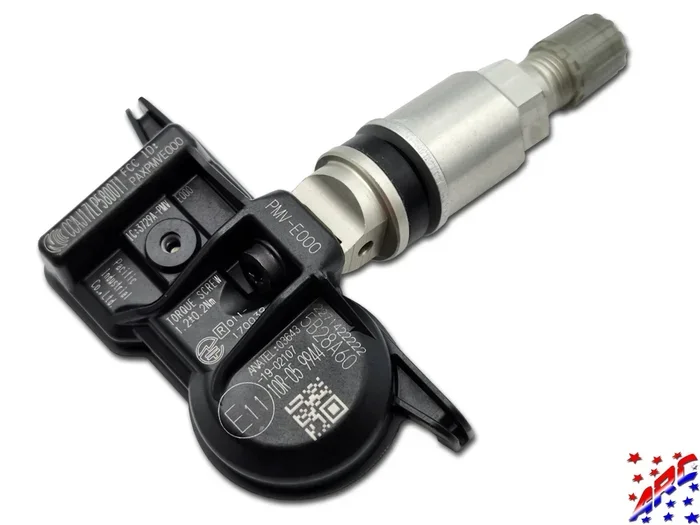
Direct TPMS uses a small sensor inside each tire. These sensors sit on the valve stem or are mounted inside the tire. They measure the actual air pressure in each tire individually. When the pressure drops by about 25 percent below the recommended level, the system triggers a warning.
The direct TPMS gives very accurate readings. You can often see the exact pressure for each tire on your dashboard display. This is especially helpful in newer Camry models that have a digital information screen.
Indirect TPMS
Indirect TPMS does not use physical sensors inside the tires. Instead, it uses the anti-lock braking system (ABS) sensors. These sensors track how fast each wheel is spinning. A tire with low pressure has a smaller rolling radius. This means it spins faster than a properly inflated tire. The system detects this difference and triggers the warning light.
Indirect TPMS is less precise than direct TPMS. But it still does a good job of alerting you to major pressure drops. Many older Camry models use this type of system.
Why Tire Pressure Monitoring Matters for Your Camry
Tire pressure might seem like a small thing. But it has a big impact on how your car drives and performs. Here is why the TPMS in your Camry matters so much.
Safety First
Underinflated tires are a serious safety risk. They can overheat, especially on long drives or in hot weather. This can lead to blowouts or loss of control. The TPMS helps you catch low pressure before it becomes a dangerous situation.
Better Fuel Economy
Tires that are not fully inflated create more rolling resistance. This means your engine has to work harder. The result is lower fuel economy. Keeping your tires at the right pressure can save you money at the pump over time.
Longer Tire Life
Tires that are underinflated wear out faster on the outer edges of the tread. Overinflated tires wear out faster in the center. The TPMS helps you maintain even wear. This means your tires last longer and you get more miles out of your investment.
The Toyota Camry TPMS Warning Light: What It Looks Like
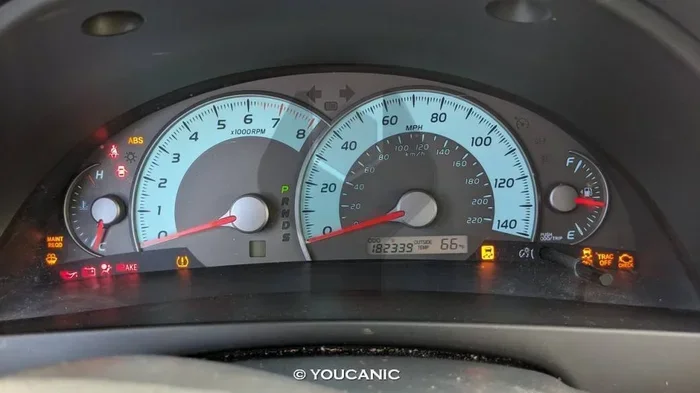
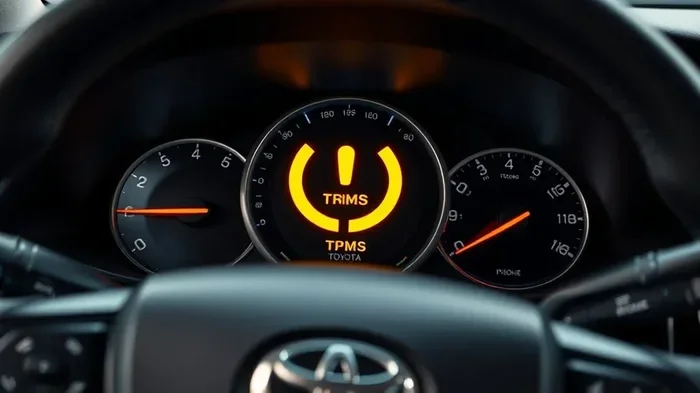
The TPMS warning light on a Toyota Camry looks like a horseshoe or U-shape with an exclamation point in the center. It is usually yellow or amber in color. You will find this light on your dashboard instrument cluster.
When the light stays on steadily, it means one or more tires have low pressure. When the light flashes and then stays on, it often indicates a problem with the TPMS system itself. This could mean a faulty sensor or a dead sensor battery.
What to Do When the TPMS Light Comes On
If your tire pressure light comes on, do not ignore it. Here is what you should do step by step.
Pull over safely and check your tires. Use a tire pressure gauge to measure the pressure in each tire. Compare the readings to the recommended PSI for your Camry. You can find this number on the sticker inside the driver’s door frame.
If a tire is low, add air until it reaches the recommended pressure. Then drive the car for a few miles. The light should turn off on its own. If it does not, you may need to reset the system.
If the light comes on and stays on even after you have checked the tires, there may be a sensor issue. In this case, visit a Toyota service center or a qualified mechanic.
How to Reset the Tire Pressure Light on a Toyota Camry
Resetting the TPMS light on a Camry is usually straightforward. The exact steps can vary slightly depending on the model year. Here is the general process.
First, make sure all tires are at the correct pressure. Use a reliable tire pressure gauge to check each one. Then start the car.
Locate the TPMS reset button. On most Camry models, this button is under the steering column on the left side. It may also be near the gear shifter or on the dashboard.
Press and hold the reset button until the TPMS light blinks three times. Then release it. Start the car and let it idle for about 20 minutes. The system will recalibrate.
If your Camry has a digital display, you may need to navigate to the tire pressure menu. Use the steering wheel controls to find the reset option. Select it and the system will begin recalibrating.
Common TPMS Problems in the Toyota Camry
Like any system in your car, the TPMS can have issues. Here are some common problems Camry owners face.
Dead Sensor Battery
Each TPMS sensor has a small battery inside. These batteries typically last between 5 and 10 years. When the battery dies, the sensor stops transmitting data. The TPMS light will come on to alert you. Replacing the sensor battery or the entire sensor usually fixes this problem.
Sensor Damage from Road Hazards
Potholes, curbs, and road debris can damage TPMS sensors. The sensors are mounted on the valve stem or inside the tire. A hard impact can break them or knock them out of position. If you hit a pothole hard and the TPMS light comes on, get the sensors checked.
Cold Weather and TPMS
Cold temperatures can cause tire pressure to drop. This is because air contracts in cold weather. In winter, you might notice the TPMS light coming on more often. This does not always mean you have a slow leak. It could just be the temperature effect. Check your tire pressure when the tires are cold and add air if needed.
TPMS Reset Not Working
Sometimes the TPMS light will not turn off after you reset the system. This can happen if the pressure is still slightly low or if a sensor is malfunctioning. Try driving the car for a few miles at speeds above 30 mph. This often helps the system recalibrate. If the light stays on, a professional diagnostic may be needed.
Toyota Camry TPMS by Model Year
Different Camry model years have different TPMS features. Here is a general overview.
Older Camry models from the early 2000s may not have TPMS at all. It became standard equipment on most Camry models starting around 2007. Newer models from 2012 onward typically have direct TPMS with digital displays that show individual tire pressures. The latest Camry models from 2018 and newer have advanced TPMS systems that integrate with the infotainment display.
If you are unsure what type of TPMS your Camry has, check the owner’s manual. It will tell you exactly what system is installed and how to use it.
TPMS and the Toyota Camry Hybrid
The Toyota Camry Hybrid uses the same tire pressure monitoring system as the gas-powered Camry. The hybrid version does not have a different TPMS setup. The sensors work the same way and the reset process is identical.
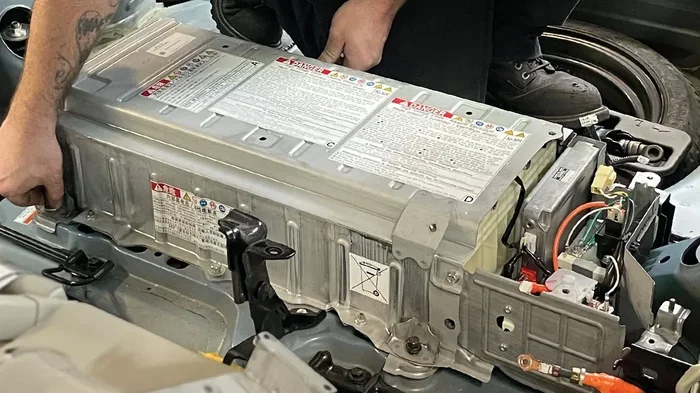
One thing to note is that the Camry Hybrid is a heavier vehicle due to the battery pack. This means tire pressure is even more important. Heavier vehicles put more load on tires. Keeping the pressure at the recommended level helps with handling, braking, and overall safety.
If you drive a Camry Hybrid, make sure to check your tire pressure regularly. The recommended PSI for the hybrid model is the same as for the gas model. You will find the numbers on the driver’s door jamb sticker.
Quick Tips for Maintaining Your Camry’s TPMS
Taking care of your TPMS is easy. Here are some quick tips to keep the system working properly.
Check tire pressure at least once a month. Use a quality tire pressure gauge. Do not rely only on the TPMS light. By the time the light comes on, your tire may already be significantly underinflated.
Replace TPMS sensor batteries when needed. If your Camry is more than 8 years old, consider having the sensor batteries tested. A dead battery means the sensor cannot send data.
Keep your valve stems in good condition. The valve stem caps help keep moisture and dirt out. Replace them if they are missing or damaged.
Get your TPMS checked during routine maintenance. When you take your Camry in for an oil change or tire rotation, ask the technician to check the TPMS sensors. This is a quick and easy way to catch problems early.
When to Visit a Professional for TPMS Service
While many TPMS issues are simple to fix, some require professional help. You should visit a Toyota service center or a qualified tire shop if the TPMS light stays on after you have checked and corrected the tire pressure. A flashing TPMS light also indicates a system problem that needs professional diagnosis.
If you need new TPMS sensors installed, it is best to let a professional handle it. The sensors need to be programmed to your specific Camry model. A professional will also make sure the system is calibrated correctly after installation.
Some tire shops can service TPMS sensors while you wait. This includes battery replacement, sensor programming, and system resets. It is a convenient option if you do not want to visit a Toyota dealership.
TPMS Regulations and Safety Standards
The tire pressure monitoring system in your Camry is not just a convenience feature. It is also required by law. In the United States, the TREAD Act of 2000 mandated that all passenger vehicles sold after 2007 must include TPMS. This law was passed after studies showed that underinflated tires contribute to thousands of accidents each year.
The TPMS in your Camry meets these federal safety standards. This means it is designed to alert you in time to prevent dangerous situations. Understanding how your system works helps you stay compliant and safe.
The Cost of TPMS Service for a Toyota Camry
TPMS service costs can vary depending on what needs to be done. Here is a general breakdown.
TPMS sensor battery replacement typically costs between $50 and $100 per sensor. This includes the battery and labor. Some sensors have replaceable batteries, while others require the entire sensor to be replaced.
Full TPMS sensor replacement can cost between $100 and $300 per sensor including labor. The exact cost depends on the Camry model year and where you have the work done.
TPMS reset and calibration is usually free or low-cost at most tire shops and dealerships. Some places include it with a tire rotation or oil change at no extra charge.
Regular tire pressure checks with a manual gauge cost nothing but a few minutes of your time. This is the best way to maintain your TPMS and keep your tires in good shape.
Frequently Asked Questions
Do all Toyota Camry models have a tire pressure monitoring system?
Most Toyota Camry models from 2007 onward come with TPMS as standard equipment. Older models from before 2007 may not have this feature. Check your owner’s manual or look for the TPMS warning light on your dashboard to confirm your specific model has the system.
Can I drive my Camry with the TPMS light on?
You can drive short distances with the TPMS light on, but it is not recommended. The light means one or more tires have low pressure, which can affect handling and safety. Check your tire pressure as soon as possible and add air if needed before driving long distances.
How long do TPMS sensors last in a Toyota Camry?
TPMS sensors typically last between 5 and 10 years. The sensor battery is the main limiting factor. Once the battery dies, the sensor needs to be replaced. If your Camry is getting older, it is a good idea to have the sensors tested during routine maintenance.
Can cold weather trigger the TPMS light on a Camry?
Yes, cold weather can cause tire pressure to drop, which may trigger the TPMS light. Air inside tires contracts in cold temperatures, reducing the pressure. This is normal and usually not a sign of a leak. Check your tire pressure and add air if needed when the tires are cold.
Is it safe to reset the TPMS light myself?
Yes, resetting the TPMS light yourself is safe as long as your tire pressure is correct. The reset process is simple and does not require special tools. Just make sure the tires are properly inflated before resetting. If the light comes back on after resetting, there may be an underlying issue that needs professional attention.
What is the recommended tire pressure for a Toyota Camry?
The recommended tire pressure for a Toyota Camry is typically between 32 and 35 PSI. You can find the exact number on the sticker inside the driver’s door frame. Always check tire pressure when the tires are cold for the most accurate readings.
Conclusion
The Toyota Camry has a tire pressure monitoring system, and it is one of the features that makes this sedan a smart and safe choice. Whether you drive a standard Camry or the Hybrid version, the TPMS helps you stay on top of tire pressure without having to check manually every time. Understanding how the system works, what the warning light means, and how to reset it gives you confidence and control over your vehicle’s safety.
Keeping your tires properly inflated is one of the simplest things you can do for your Camry. It improves fuel economy, extends tire life, and keeps you safe on the road. The TPMS makes this easier by giving you real-time alerts when something is off.
Take a few minutes to familiarize yourself with your Camry’s TPMS. Check the owner’s manual, learn where the reset button is, and keep a tire pressure gauge in your glove box. These small steps go a long way in maintaining your vehicle. If you ever need help with TPMS service, a Toyota dealership or qualified tire shop can assist you quickly and affordably.
Stay proactive about tire maintenance and your Camry will reward you with years of reliable, safe driving.
Key Takeaways
- TPMS is standard: Most Toyota Camry models from 2007 onward include a tire pressure monitoring system as standard equipment.
- Two types exist: The Camry uses both direct and indirect TPMS sensors depending on the model year and trim level.
- Reset is simple: You can reset the tire pressure light in most Camry models using the dashboard controls or the reset button under the steering column.
- Recommended pressure matters: Keeping tires at the factory-recommended PSI improves safety and fuel efficiency.
- Sensor batteries last years: TPMS sensor batteries typically need replacement every 5 to 10 years.
- Hybrid models work the same: The Camry Hybrid uses the same TPMS technology as the gas-powered versions.
Frequently Asked Questions
What is Does the Toyota Camry Have a Tire Pressure Monitoring System?
Does the Toyota Camry Have a Tire Pressure Monitoring System is an important topic with many practical applications.