Does the Toyota Check Engine Light Reset Itself Today
The Toyota check engine light does not always reset itself automatically. In some cases, the light turns off after the issue is fixed, but in many situations, you need a manual reset using an OBD-II scanner or by disconnecting the battery. Understanding why the light comes on and how to properly address it can save you time, money, and unnecessary trips to the mechanic.
Key Takeaways
- The check engine light may turn off on its own if the problem was minor and temporary, such as a loose gas cap.
- A persistent light usually requires manual intervention like using a diagnostic tool or clearing codes through a reset process.
- Ignoring the check engine light can lead to costly repairs and failed emissions tests down the road.
- Toyota hybrid models may display unique behaviors with the check engine light due to their dual powertrain systems.
- Simple fixes like tightening the gas cap often resolve the issue without any professional help.
- Regular maintenance prevents check engine light triggers and keeps your Toyota running smoothly for years.
📑 Table of Contents
- Does the Toyota Check Engine Light Reset Itself?
- What Does the Toyota Check Engine Light Actually Mean?
- Can the Check Engine Light Reset Itself Automatically?
- Common Reasons the Toyota Check Engine Light Comes On
- How to Reset the Toyota Check Engine Light
- What Happens If You Ignore the Check Engine Light?
- Preventing the Check Engine Light from Coming Back
- When Should You See a Professional?
- Key Takeaways
- Conclusion
Does the Toyota Check Engine Light Reset Itself?
You are driving your Toyota, and suddenly that little yellow engine icon lights up on your dashboard. Your heart drops. What does it mean? Will it go away on its own? The Toyota check engine light reset is a question many Toyota owners ask, and the answer is not as simple as yes or no.
Sometimes the light goes away by itself. Other times, it stays on no matter what you do. The truth is that the behavior of the Toyota check engine light depends on what triggered it in the first place. A minor issue like a loose gas cap might cause the light to turn off after a few drive cycles. But a serious problem with your engine or emission system will keep that light glowing until you fix the root cause.
Understanding how your Toyota’s check engine light works can save you a lot of stress. It can also save you hundreds of dollars in unnecessary repairs. Let us break down everything you need to know about whether this warning light resets itself and what you should do when it comes on.
What Does the Toyota Check Engine Light Actually Mean?
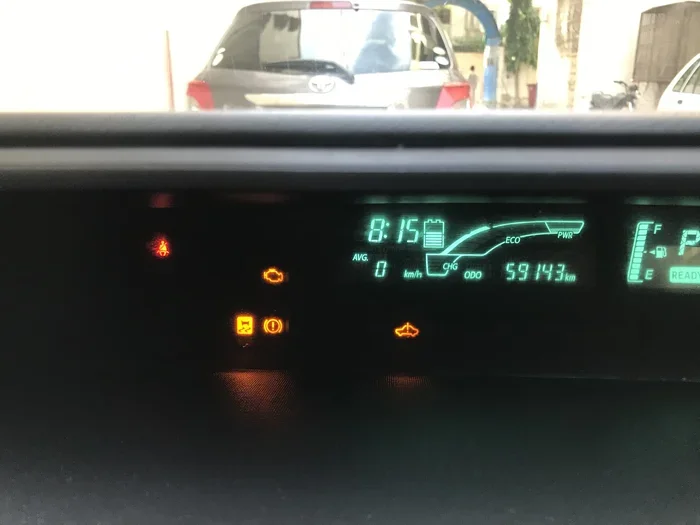
The check engine light is part of your Toyota’s onboard diagnostics system. This system is called OBD-II, which stands for On-Board Diagnostics II. It monitors all the sensors and systems in your vehicle. When something is not working right, the system stores a fault code and turns on the check engine warning light.
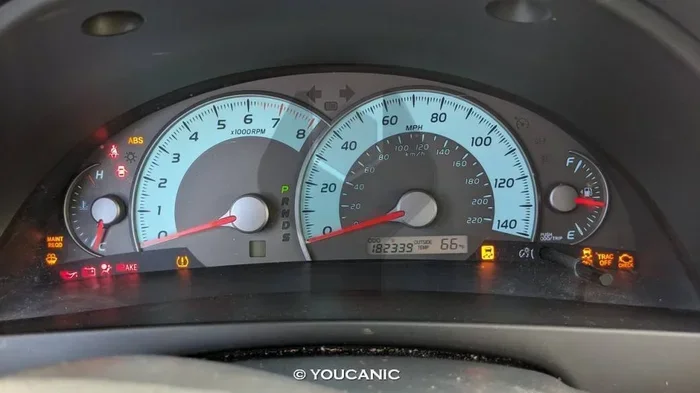
Think of it like a health check for your car. Just as your body gives you warning signs when something is wrong, your Toyota uses the check engine light to tell you that something needs attention. The light can show up as a steady yellow glow or a flashing red warning. Each one means something different.
Steady Light vs. Flashing Light
A steady check engine light usually means a non-emergency issue. It could be something as simple as a loose gas cap. A flashing check engine light is more serious. It often signals a problem that could damage your catalytic converter or other expensive parts. If your light is flashing, you should pull over safely and get your vehicle inspected right away.
Some Toyota owners also notice that their dashboard warning lights behave differently depending on the model. For example, if you drive a Toyota hybrid, the way the check engine light behaves might differ slightly from a traditional gasoline model. Understanding these differences helps you respond appropriately.
Can the Check Engine Light Reset Itself Automatically?
Yes, but only under certain conditions. The Toyota check engine light reset can happen on its own in a few specific scenarios. However, you should never assume the light will go away by itself without addressing the underlying problem.
When the Light Turns Off by Itself
The most common reason the check engine light turns off on its own is that the issue was temporary. Here are a few situations where this happens:
- Loose gas cap: If your gas cap is not tightened properly, the fuel system can lose pressure. This triggers the check engine light. Once you tighten the cap, the light often goes away after a few drive cycles.
- Temporary sensor glitch: Sometimes a sensor sends a false reading due to temperature changes or moisture. Once conditions normalize, the light turns off.
- Minor emission fluctuation: Your Toyota’s emission system has a lot of moving parts. A brief fluctuation might trigger the light, but the system can correct itself.
Even if the light goes away, it is smart to check your Toyota diagnostic codes. You can use an OBD-II scanner to see if any codes were stored. Some codes clear themselves, but others remain even after the light turns off. This tells you whether the problem was truly resolved or just temporarily masked.
When the Light Stays On
If the check engine light stays on, it means the system has detected a problem that needs attention. The light will not turn off until the issue is fixed and the codes are cleared. Common reasons the light stays on include:
- A faulty oxygen sensor
- A failing catalytic converter
- Problems with the ignition system
- Low oil pressure or low coolant levels
- Issues with the fuel injection system
In these cases, simply driving more will not make the light go away. You need to diagnose and fix the problem. Using an automotive diagnostic tool is the best first step.
Common Reasons the Toyota Check Engine Light Comes On
The check engine light can come on for dozens of different reasons. Some are minor, and others are serious. Here are the most common triggers for Toyota vehicles.
Loose or Damaged Gas Cap
This is the number one reason the check engine light comes on. The gas cap seals the fuel system and keeps pressure inside the tank. If it is loose, cracked, or missing, fuel vapors can escape. This triggers the emission system warning. The fix is simple: tighten or replace the gas cap.
Faulty Oxygen Sensor
The oxygen sensor measures how much oxygen is in your exhaust. It helps your Toyota’s computer adjust the fuel mixture. When this sensor fails, your engine may run rich or lean. This reduces fuel efficiency and increases emissions. Replacing an oxygen sensor is a common and affordable repair.
Catalytic Converter Issues
The catalytic converter reduces harmful emissions from your exhaust. Over time, it can become clogged or damaged. A failing catalytic converter is one of the more expensive repairs. That is why you should never ignore the check engine light for too long.
Spark Plug or Ignition Coil Problems
Your Toyota’s engine relies on spark plugs and ignition coils to ignite the fuel-air mixture. When these components wear out, you may experience misfires. Misfires trigger the check engine light and can damage your catalytic converter if left unchecked.
Mass Airflow Sensor Failure
The mass airflow sensor tells your Toyota’s computer how much air is entering the engine. If this sensor fails, the engine may run poorly or stall. Replacing this sensor is usually straightforward and affordable.
Hybrid-Specific Issues
If you drive a Toyota hybrid, the check engine light can come on for reasons unique to hybrid systems. The transition between electric and gas power is managed by complex sensors and software. Sometimes, issues with the hybrid battery or electric motor can trigger the check engine warning light. Understanding when hybrid switching to gas happens normally versus when it signals a problem is important for hybrid owners.
How to Reset the Toyota Check Engine Light
If you have fixed the problem that caused the check engine light to come on, the next step is to reset the light. There are several ways to do this, and some are better than others.
Method 1: Use an OBD-II Scanner
This is the best and most reliable method. An OBD-II scanner plugs into the diagnostic port under your steering column. It reads the fault codes stored in your Toyota’s computer. After you fix the problem, you can use the scanner to clear the codes and turn off the light.
OBD-II scanners are affordable and widely available. You can buy one for under $50, or you can visit an auto parts store like AutoZone or O’Reilly, and they will often read and clear codes for free. This method ensures that the problem is truly fixed before you reset the light.
Method 2: Disconnect the Battery
Some people disconnect the negative battery cable to reset the check engine light. This works by clearing the power to the computer, which resets all stored codes. However, this method has downsides:
- It can reset other settings like your radio presets and clock
- It does not fix the underlying problem
- The light may come back on if the issue is not resolved
- Some Toyota models require a specific reset procedure after battery disconnect
Use this method only as a last resort. It is better to properly diagnose and fix the problem first.
Method 3: Drive It Off
If the light came on due to a temporary issue, sometimes just driving your Toyota normally for a few days will clear the codes. The onboard computer runs through several drive cycles, and if no problems are detected, it may turn the light off automatically. However, do not rely on this method if the light is flashing or if you notice any performance issues.
Method 4: Visit a Dealership or Mechanic
If you are not comfortable diagnosing the problem yourself, visiting a professional is always a good choice. A local Chevrolet dealership or any certified Toyota service center can run a full diagnostic and reset the light for you. They have professional-grade tools and trained technicians who can identify the exact problem quickly.
Keep in mind that different dealerships carry different types of vehicles and equipment. If you are looking for a trusted service center, checking what types of vehicles a local dealership carries can help you choose the right place for your Toyota’s needs.
What Happens If You Ignore the Check Engine Light?
It is tempting to ignore the check engine light, especially if your Toyota seems to be running fine. But ignoring this warning can lead to serious consequences over time.
Reduced Fuel Efficiency
Many issues that trigger the check engine light affect your fuel mixture. A faulty oxygen sensor or a misfiring spark plug can reduce your gas mileage by 10 to 30 percent. That means more money spent at the pump.
Increased Emissions
Your Toyota has to pass emissions tests in many states. A lit check engine light will cause an automatic fail. Even if your car seems fine, the emissions system may not be working properly, which is bad for the environment.
Potential for Expensive Repairs
A small problem like a loose gas cap costs nothing to fix. But if that same issue is ignored and causes a misfire, it can damage your catalytic converter. Replacing a catalytic converter can cost over $1,000. What started as a $0 fix becomes a $1,000 repair because of neglect.
Safety Risks
Some check engine light triggers are related to safety systems. Issues with braking, steering, or airbag systems can be indicated by the warning light. Ignoring these warnings puts you and your passengers at risk.
Preventing the Check Engine Light from Coming Back
Once you have dealt with the check engine light, you probably want to avoid seeing it again. Here are some practical tips to keep your Toyota running smoothly and the warning light off.
Perform Regular Maintenance
Follow your Toyota’s recommended maintenance schedule. This includes regular oil changes, spark plug replacements, and air filter changes. Proper maintenance keeps all systems running at their best and prevents many common check engine light triggers.
Check Your Gas Cap Regularly
Make it a habit to tighten your gas cap after every fill-up. A loose gas cap is the easiest problem to prevent and the most common reason the check engine light comes on.
Address Small Issues Quickly
Do not wait for a small problem to become a big one. If you notice any changes in how your Toyota drives, gets fuel, or sounds, get it checked out right away. Early detection prevents costly repairs.
Use Quality Fuel and Parts
Using the recommended fuel grade and quality replacement parts makes a big difference. Cheap fuel or low-quality parts can cause performance issues that trigger the check engine light.
Keep Your Dashboard Warning Lights in Check
Your Toyota has many warning lights on the dashboard, from the 200 watt LED light for car dashboard indicators to the check engine light. Familiarize yourself with what each light means so you can respond quickly and appropriately. Knowledge is your best tool for keeping your vehicle healthy.
When Should You See a Professional?
Not every check engine light situation requires a trip to the mechanic. But there are times when professional help is essential. You should see a technician right away if:
- The check engine light is flashing
- You notice a loss of power or acceleration
- Your Toyota is making unusual noises
- You see fluid leaks under your vehicle
- The light comes on along with other warning lights
- You have tried basic fixes but the light returns
A professional mechanic or Toyota dealership has the tools and expertise to diagnose complex issues. They can read all the fault codes, perform physical inspections, and recommend the right repair. Trying to fix a serious problem on your own when you lack the experience can make things worse and cost more in the long run.
Key Takeaways
- The Toyota check engine light does not always reset itself automatically. It depends on the cause and severity of the issue.
- A loose gas cap is the most common trigger and often resolves itself once tightened.
- Using an OBD-II scanner is the best way to diagnose and reset the check engine light properly.
- Ignoring the light can lead to expensive repairs and safety risks that are easily preventable.
- Regular maintenance keeps the warning light off and your Toyota running at its best.
- When in doubt, see a professional mechanic who can properly diagnose and fix the issue.
Conclusion
The Toyota check engine light reset is not always automatic, and understanding why it comes on is the first step to addressing it properly. Whether the light turns off by itself or requires a manual reset, the most important thing is to pay attention to it. Your Toyota is trying to tell you something, and listening to that message can save you time, money, and headaches.
Start by checking simple things like your gas cap. If the light stays on, use an OBD-II scanner to read the codes. Fix the underlying problem, and then reset the light using the proper method. If you are not sure what to do, visit a trusted mechanic or service center. Taking action early is always better than waiting for a small issue to become a big repair bill.
Your Toyota is a reliable vehicle, and the check engine light is there to help you keep it that way. Treat it as a helpful guide, not an alarm to panic about. With the right knowledge and a little attention, you can handle the check engine light like a pro and keep your Toyota running smoothly for many miles to come.
Frequently Asked Questions
Will the Toyota check engine light turn off by itself?
Yes, in some cases the light will turn off on its own if the issue was minor and temporary, such as a loose gas cap. The Toyota system runs through several drive cycles after the problem is resolved, and if no further issues are detected, the light may go away automatically.
How long does it take for the check engine light to reset?
If the light resets on its own after a minor issue, it usually takes between 10 and 30 drive cycles. If you use an OBD-II scanner to manually clear the codes, the light turns off immediately. However, the codes may return if the underlying problem is not fixed.
Can I drive my Toyota with the check engine light on?
If the light is steady and your Toyota is driving normally, you can usually drive a short distance to get it checked. However, if the light is flashing or you notice any performance issues, you should stop driving and get your vehicle towed to a mechanic right away.
What is the most common reason the Toyota check engine light comes on?
The most common reason is a loose or damaged gas cap. Other frequent triggers include faulty oxygen sensors, failing catalytic converters, and spark plug issues. A simple diagnostic scan can help you identify the exact cause quickly and affordably.
Is it safe to reset the check engine light without fixing the problem?
No, it is not safe. Resetting the light without fixing the problem only masks the warning. The issue will likely return, and the light will come back on. Worse, ignoring the problem can lead to more serious and expensive damage to your Toyota over time.
Do Toyota hybrid models have different check engine light behavior?
Yes, Toyota hybrid models can have slightly different check engine light behavior because they have both an electric motor and a gasoline engine. Issues with the hybrid battery, electric motor, or the transition between power sources can all trigger the warning light. Hybrid owners should pay extra attention to any dashboard warnings and seek professional diagnostics when needed.
=== END ===