A Man Driving a Car Essential Tips for Every Road Trip
A man driving a car on a road trip needs the right preparation to stay safe and enjoy the journey. This guide covers road trip planning, vehicle maintenance, driving safety, and practical tips that every driver should know. Whether you are a seasoned traveler or a first-time road tripper, these essential insights will help you hit the road with confidence and avoid common mistakes.
There is something truly special about a man driving a car with the windows down and the open road ahead. Road trips are more than just a way to get from point A to point B. They are adventures filled with new sights, unexpected stops, and memories that last a lifetime. But let us be honest, a long drive can also be tiring, stressful, and even risky if you are not prepared.
Whether you are planning a weekend getaway or a cross-country journey, knowing the basics of road trip driving makes all the difference. This guide is packed with practical advice for every driver. From vehicle preparation to fuel-saving tricks, we cover everything you need. So buckle up, and let us get into the essentials of a great road trip experience.
Key Takeaways
- Plan Your Route: A solid road trip plan saves time, fuel, and stress on the open road.
- Maintain Your Vehicle: Regular car maintenance checks prevent breakdowns far from home.
- Fight Driver Fatigue: Taking breaks and staying alert keeps you safe during long drives.
- Pack Smart: A well-stocked emergency kit and travel checklist make every trip smoother.
- Drive Defensively: Good driving habits and awareness of road conditions reduce accident risks.
- Save on Fuel: Simple fuel efficiency tips can cut your road trip costs significantly.
📑 Table of Contents
- Why Road Trip Driving Matters for Every Man
- Road Trip Planning: The First Step to Success
- Vehicle Maintenance: Keep Your Car Road-Ready
- Driving Safety: Protecting Yourself and Others
- Fuel Efficiency: Save Money and the Environment
- Packing for the Road: What Every Man Needs
- Scenic Routes and Hidden Gems: Making the Most of Your Trip
- Car Insurance and Safety: Protect Your Investment
- Final Thoughts: Enjoy the Drive
Why Road Trip Driving Matters for Every Man
Driving a car on a long trip is not just about getting somewhere fast. It is about the journey itself. A man driving a car has the freedom to explore places he never planned to visit. You can stop at small towns, find hidden scenic routes, and enjoy the landscape at your own pace. This kind of freedom is one of the best parts of car travel.
But freedom comes with responsibility. The road does not care about your plans. Weather changes, traffic builds up, and car problems can appear out of nowhere. That is why every driver should take road trip driving seriously. A little preparation goes a long way in keeping you safe and making the trip enjoyable.
The Joy of the Open Road
There is a reason people love road trips. The feeling of driving through wide-open spaces, listening to your favorite music, and deciding where to go next is unbeatable. A man driving a car on a scenic route feels a sense of peace that is hard to find anywhere else. Road trips let you connect with nature, culture, and even yourself.
Many drivers say that the best parts of their trips happened off the main highway. A small diner in a town you never heard of. A beautiful overlook you found by accident. These moments make road trips magical. And they only happen when you take the time to explore.
The Reality of Long Distance Driving
Now, let us talk about the real challenges. Long distance driving can be exhausting. Sitting in the same position for hours puts strain on your body. Your focus can drop, especially on boring highway stretches. And if something goes wrong with your vehicle, you may be far from help.
This is exactly why preparation matters so much. A well-planned road trip turns a potentially stressful experience into a smooth adventure. You will feel more confident, stay safer, and actually enjoy the drive instead of just surviving it.
Road Trip Planning: The First Step to Success
Before you turn the key in the ignition, you need a plan. Good road trip planning saves you time, money, and headaches. Even the best driver cannot handle a trip without knowing where they are going. A simple plan does not mean rigid schedules. It just means having a clear idea of your route, stops, and goals.
Start by choosing your destination. Do you want to drive along the coast? Hit the mountains? Visit national parks? Once you know the general direction, map out your route. Use a GPS navigation app, but also have a paper map as backup. Cell service can be spotty in rural areas, and you do not want to be stuck without directions.
Building a Smart Route
When building your route, think about road conditions and traffic patterns. Highways are usually faster, but scenic roads offer a better experience. Try to mix both. Plan your driving hours too. Avoid driving at night on unfamiliar roads. Daylight driving is safer and lets you enjoy the views.
Also, plan your rest stops. Every two hours or so, pull over to stretch your legs. This helps with fatigue and keeps you alert. A good rule is to stop for food or coffee at least every three hours. These small breaks make a huge difference over a long drive.
The Travel Checklist Every Driver Needs
A travel checklist is your best friend before any trip. It ensures you do not forget important items. Here is a simple checklist to follow:
- Driver’s license and identification
- Car registration and insurance documents
- Phone charger and portable battery pack
- Water bottles and snacks
- First aid kit
- Flashlight and extra batteries
- Blanket and extra clothing
- Basic tools and a spare tire
- Cash and cards for emergencies
Check off each item the night before you leave. A man driving a car without a checklist is more likely to forget something important. This small habit can save you from big problems on the road.
Vehicle Maintenance: Keep Your Car Road-Ready
A man driving a car is only as good as the vehicle he is driving. Regular car maintenance is the foundation of a safe and smooth road trip. A breakdown on the highway is not just inconvenient. It can be dangerous, especially on busy roads or in remote areas.
Schedule a vehicle inspection before your trip. A mechanic can check the things you might miss. They will look at your engine oil, brake pads, belts, and hoses. This small investment can prevent costly repairs and keep you on the road safely.
Essential Checks Before You Hit the Road
You do not need to be a mechanic to do basic checks. Here are the most important ones every driver should perform:
- Tire Pressure: Check all tires, including the spare. Proper tire pressure improves fuel efficiency and safety. Under-inflated tires can cause blowouts on long drives.
- Engine Oil: Make sure your oil level is between the minimum and maximum marks. Old or low oil can damage your engine over time.
- Coolant Level: Check the coolant reservoir. Overheating is one of the most common causes of roadside breakdowns.
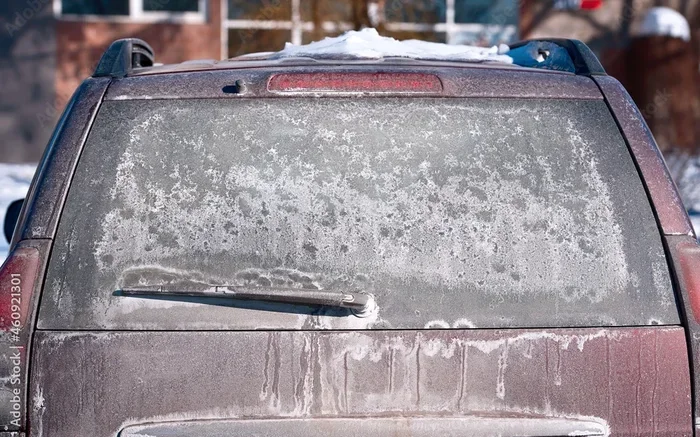
- Windshield Wipers: Replace worn wipers before your trip. Clear visibility matters, especially in rain or dust.
- Lights and Signals: Test your headlights, brake lights, and turn signals. Other drivers need to see you clearly.
- Brakes: Listen for any unusual sounds when braking. Worn brake pads need replacement before a long trip.
These checks take less than 30 minutes. Yet they can make the difference between a smooth trip and a stressful one. A well-maintained car also runs more efficiently, which saves you money on fuel.
Quick Tips for Car Maintenance on the Road
Even with preparation, issues can come up during your trip. Here are some quick tips to handle minor problems:
- Keep your gas tank at least half full at all times.
- Know how to check and add windshield washer fluid.
- Carry a basic toolkit with a wrench, screwdrivers, and pliers.
- Learn how to change a flat tire before you need to do it for real.
- Save your roadside assistance number in your phone.
These simple habits keep your car running and give you peace of mind. When a man driving a car knows his vehicle is in good shape, he can focus on the road ahead.
Driving Safety: Protecting Yourself and Others
Safety should always come first when you are behind the wheel. A man driving a car has a responsibility not just to himself but to everyone else on the road. Driving safety is not about being paranoid. It is about being aware and making smart choices every time you get behind the wheel.
Defensive driving is one of the most important skills you can develop. This means always expecting the unexpected. Watch for other drivers who might make mistakes. Keep a safe following distance. Signal your turns and lane changes early. These habits protect you and everyone around you.
Dealing with Driver Fatigue
Driver fatigue is one of the biggest dangers on long trips. When you are tired, your reaction time slows down. Your focus drifts. And in severe cases, you might even fall asleep at the wheel. This is not a joke. Fatigued driving causes thousands of accidents every year.
Here is what you can do to stay alert:
- Get a full night of sleep before a long drive.
- Avoid driving during hours when you would normally be asleep.
- Take a break every two hours or 100 miles.
- Drink water and avoid heavy meals that make you drowsy.
- Share driving duties with a passenger if possible.
- Listen to upbeat music or podcasts to stay engaged.
- Stop and rest immediately if you feel drowsy. Do not push through it.
Remember, arriving late is always better than not arriving at all. No destination is worth risking your life for. Listen to your body and take breaks when you need them.
Handling Different Road Conditions
Road conditions change constantly during a trip. You might start on smooth highways and end up on dirt roads through the mountains. Rain, snow, fog, and wind all affect how your car handles. A man driving a car must adapt to these changes to stay safe.
In rain, slow down and increase your following distance. Wet roads are slippery, and braking takes longer. In fog, use your low beams and reduce speed. In wind, grip the steering wheel firmly and be ready for gusts that can push your car sideways. On mountain roads, use lower gears when going downhill to control your speed.
Checking road conditions before you leave is a smart habit. Traffic apps and weather reports can warn you about construction, accidents, or storms ahead. Adjust your route if needed. A small detour is always better than getting stuck in a dangerous situation.
Common Mistakes That Put Drivers at Risk
Every driver makes mistakes, but some are more dangerous than others. Here are common errors you should avoid:
- Distracted Driving: Using your phone, eating, or adjusting the radio takes your eyes off the road. Keep your focus on driving at all times.
- Speeding: Going too fast reduces your reaction time and increases crash severity. Follow speed limits and adjust for conditions.
- Ignoring Blind Spots: Always check your mirrors and turn your head before changing lanes. Other cars may be in your blind spot.
- Tailgating: Following too closely leaves no room for sudden stops. Keep at least a three-second gap from the car ahead.
- Skipping Rest Stops: Pushing through fatigue is one of the worst decisions a driver can make. Stop and rest when you need to.
These mistakes are easy to avoid with awareness and discipline. A man driving a car who avoids these pitfalls is already ahead of most drivers on the road.
Fuel Efficiency: Save Money and the Environment
Fuel costs add up fast on a road trip. The last thing you want is to spend your entire budget on gas. Good fuel efficiency not only saves you money. It also reduces your impact on the environment. The best part is that improving your fuel economy is easier than you think.
Several factors affect how much fuel your car uses. Your driving style, vehicle condition, route, and even the weather all play a role. By making a few simple adjustments, you can see real savings over the course of a long trip.
Driving Habits That Save Fuel
How you drive has a huge impact on fuel consumption. Here are habits that help you use less gas:
- Drive at a steady speed and avoid rapid acceleration.
- Use cruise control on highway stretches to maintain consistent speed.
- Avoid idling for long periods. Turn off the engine if you are stopped for more than a minute.
- Keep your windows closed at highway speeds to reduce drag.
- Remove roof racks or cargo carriers when not in use. They create wind resistance that wastes fuel.
These small changes add up over hundreds of miles. A man driving a car with good habits can easily improve his fuel economy by 10 to 20 percent. Over a long road trip, that is real money saved.
Comparison: Fuel-Saving Techniques
| Technique | Estimated Fuel Savings | Ease of Implementation |
|---|---|---|
| Steady Speed Driving | 10-15% | Easy |
| Proper Tire Pressure | 3-5% | Very Easy |
| Reduced Idling | 5-10% | Easy |
| Cruise Control Usage | 7-14% | Very Easy |
| Removing Excess Weight | 1-2% per 100 lbs | Easy |
| Smooth Acceleration and Braking | 10-20% | Moderate |
As you can see, the easiest changes offer the best returns. You do not need expensive upgrades or special equipment. Just smart driving habits can make a big difference.
Expert Insight: The Role of Vehicle Weight
Many drivers overlook how much extra weight affects fuel economy. Every additional 100 pounds in your car can reduce your miles per gallon by about 1%. So pack only what you need. Leave heavy gear at home if it is not essential. This applies to roof carriers too. They look cool, but they create significant drag that costs you fuel.
Also, keep in mind that your car’s manual has recommended tire pressure levels for a reason. Following those guidelines improves both safety and efficiency. It is one of the simplest things you can do before any trip.
Packing for the Road: What Every Man Needs
Packing for a road trip is an art. You want to bring enough to be comfortable but not so much that you overload your vehicle. Overpacking affects your fuel efficiency and makes your car harder to handle. A smart packer knows what is essential and what can wait.
Start with your trip packing list. Think about the length of your trip, the weather, and the activities you plan to do. Lay out everything you want to bring, then cut it in half. You probably do not need as much as you think.
Essential Road Trip Gear
Here is a list of must-have items for any road trip:
- Emergency Roadside Kit: Include jumper cables, a flashlight, reflective triangles, and basic tools. This kit can save you in a pinch.
- Phone Mount and Charger: GPS navigation is essential. A phone mount keeps your device visible and your hands free.
- Snacks and Water: Pack healthy snacks like nuts, fruit, and granola bars. Bring plenty of water to stay hydrated.
- Entertainment: Download podcasts, audiobooks, or playlists before you leave. Cell service can be unreliable on long drives.
- Comfort Items: A travel pillow, sunglasses, and a light blanket make long drives much more comfortable.
- Cash and Cards: Some gas stations and small shops in rural areas do not accept cards. Always have a backup.
A well-packed car makes the journey more enjoyable. When everything has its place, you spend less time searching for things and more time enjoying the drive.
Quick Tips for Smart Packing
Here are a few extra tips to make packing easier:
- Use soft bags instead of hard suitcases. They fit in tight spaces better.
- Keep essentials in the passenger area, not the trunk. You will need them during rest stops.
- Pack a change of clothes in your carry-on, not just in the trunk.
- Bring a reusable water bottle and refill it at every rest stop.
- Store heavy items low and centered to keep your car balanced.
These tips might seem small, but they make a big difference during a long trip. A man driving a car with an organized vehicle feels calmer and more in control.
Scenic Routes and Hidden Gems: Making the Most of Your Trip
One of the greatest pleasures of road trip driving is discovering places you never knew existed. Scenic routes offer breathtaking views and a break from the monotony of highways. Every state and region has hidden gems waiting to be found by curious travelers.
Before your trip, research scenic byways and national scenic routes in your area. These roads are often well-maintained and offer incredible views. National parks, state forests, and coastal drives are all worth exploring. Some of the best memories from a road trip come from these unplanned detours.
How to Find the Best Routes
Here are some ways to discover great routes for your next trip:
- Use apps like Roadtrippers or Google Maps to explore scenic alternatives.
- Check travel blogs and forums for local recommendations.
- Ask locals once you arrive. They always know the best spots.
- Look for routes that pass through small towns and rural areas.
- Plan for extra time so you can stop and explore without rushing.
Remember, the goal of a road trip is not just to reach your destination. It is to enjoy every mile of the journey. A man driving a car who takes the scenic route comes home with stories instead of just photos.
Expert Insight: The Value of Slow Travel
Many experienced travelers swear by slow travel. This means spending more time in fewer places rather than rushing through many stops. Slow travel lets you truly experience each location. You can eat at local restaurants, meet residents, and explore at a relaxed pace.
This approach also reduces driver fatigue. Instead of pushing 800 miles in two days, you might cover 300 miles and spend the rest of the time enjoying where you are. The result is a more fulfilling and less stressful trip. You return home feeling refreshed rather than exhausted.
Car Insurance and Safety: Protect Your Investment
Car insurance is not something most drivers think about during a road trip. But it is one of the most important safety nets you have. A man driving a car without proper insurance is taking a huge risk. Accidents happen, and even the safest driver can be involved in a collision caused by someone else.
Before your trip, review your insurance policy. Make sure your coverage is current and adequate. Check your liability limits, comprehensive coverage, and roadside assistance options. Some policies also include rental car coverage, which can save you money if your car is disabled during your trip.
Key Insurance Tips for Road Trips
- Know your policy details before you leave. Keep a copy of your insurance card in the car.
- Check if your policy covers rental cars and towing in different states.
- Consider adding roadside assistance if your plan does not include it.
- Document any pre-existing damage to your car with photos before you leave.
- Understand your deductible and what it means for out-of-pocket costs.
Being prepared with the right insurance gives you peace of mind. You can focus on the journey instead of worrying about what would happen if something goes wrong.
Final Thoughts: Enjoy the Drive
A man driving a car on a road trip has an incredible opportunity to explore, relax, and create lasting memories. The key is preparation. Plan your route, maintain your vehicle, pack smart, and drive safely. These habits transform a potentially stressful journey into an enjoyable adventure.
Remember, the best road trips are not about speed or efficiency. They are about the experience. The unexpected detours, the beautiful views, and the stories you tell afterward. Take your time, stay alert, and enjoy every mile. Your next great adventure is waiting on the open road.
So get your car ready, pack your bags, and hit the road. With the tips in this guide, you are well on your way to a safe, smooth, and unforgettable road trip. Happy travels.
Frequently Asked Questions
What should a man driving a car check before a long road trip?
Before a long road trip, check your tire pressure, engine oil, coolant level, windshield wipers, and all lights. Also inspect your brakes and make sure your spare tire is in good condition. A quick vehicle inspection can prevent most common roadside problems and keep your trip running smoothly.
How can a man driving a car stay safe on long highway drives?
Stay safe by taking breaks every two hours, staying hydrated, and avoiding driving during your normal sleep hours. Use cruise control on straight highway stretches, keep a safe following distance, and stay alert for changes in road conditions. Defensive driving habits are your best protection on long drives.
What is the best fuel efficiency tip for a man driving a car on a road trip?
The best fuel efficiency tip is to maintain a steady speed and avoid rapid acceleration. Use cruise control on highways, keep your tires properly inflated, and remove any excess weight from your vehicle. These simple habits can improve your fuel economy by 10 to 20 percent over the course of a long trip.
How should a man driving a car handle driver fatigue?
If you feel drowsy while driving, pull over and take a break immediately. Do not try to push through fatigue. A short nap of 15 to 20 minutes can restore your alertness. Drink water, stretch your legs, and consider switching drivers if you have a passenger. Your safety matters more than any schedule.
What items should be in a roadside emergency kit for a road trip?
Your emergency kit should include jumper cables, a flashlight, reflective triangles, basic tools, a first aid kit, water, non-perishable snacks, and a blanket. Also carry a phone charger, a paper map, and copies of your important documents. These essentials can help you handle most unexpected situations on the road.
How can a man driving a car find the best scenic routes for a road trip?
Use apps like Roadtrippers or Google Maps to find scenic byways and alternative routes. Check travel blogs, forums, and local tourism websites for recommendations. Ask locals once you arrive, as they often know hidden gems that are not on any main map. Planning extra time allows you to explore without rushing.
=== CONCLUSION ===
A man driving a car on a road trip deserves to have a safe, enjoyable, and memorable experience. The tips in this guide cover everything from vehicle maintenance to driving safety, fuel efficiency, and scenic route planning. By preparing ahead of time and staying aware on the road, you can turn any trip into a great adventure.
Remember, the journey is just as important as the destination. Take the time to plan, pack smart, and drive responsibly. Your next road trip can be the best one yet. So start planning today, and enjoy every mile of the open road ahead.