Why Does My Car Say Check Charging System Solutions
The check charging system warning means your car has detected a problem with the battery or alternator. This alert can appear for many reasons, from a loose serpentine belt to a failing alternator. In this guide, we walk you through the most common causes, simple diagnostic steps, and proven solutions to get your charging system back on track.
You are driving down the road, minding your own business, when suddenly a warning lights up on your dashboard. It says, check charging system. Your heart sinks a little. What does it mean? Is your car about to die on the side of the highway? Take a deep breath. This warning is more common than you think, and in most cases, it is fixable.
The check charging system message is your car’s way of telling you something is off with the electrical network that keeps everything running. Your car relies on a healthy battery and a working alternator to power lights, the ignition, and all your electrical accessories. When that system trips a fault, the warning appears to let you know something needs attention. In this article, we will break down exactly what this message means, what causes it, and how you can solve it step by step.
Whether you are a complete beginner under the hood or a seasoned DIYer, this guide has something for you. We will cover the most common reasons behind the charging system warning, show you how to diagnose the issue yourself, and give you clear solutions that actually work. By the end, you will feel confident tackling this problem head-on.
Key Takeaways
- Battery or alternator issues: The warning usually points to a weak battery or a failing alternator that needs attention.
- Simple fixes exist: Many causes, like corroded terminals or a loose belt, are easy to check and fix at home.
- Don’t ignore the light: Driving with the check charging system message on can leave you stranded with a dead battery.
- Voltage testing helps: A basic multimeter test can reveal a lot about the health of your electrical system.
- Prevention is key: Regular maintenance of your battery, belts, and alternator can prevent this warning from coming back.
- Professional help matters: Some problems, like internal alternator failure, require a mechanic’s expertise and proper tools.
- Cost varies widely: Repairs can range from free (tightening a cable) to several hundred dollars for a new alternator.
📑 Table of Contents
- What Does Check Charging System Mean on Your Dashboard?
- Top Reasons Why Your Car Says Check Charging System
- How to Diagnose the Check Charging System Warning
- Step-by-Step Solutions to Fix the Charging System Warning
- How to Prevent the Check Charging System Warning
- When Should You See a Mechanic?
- Cost Breakdown for Charging System Repairs
- Key Takeaways
- Conclusion
What Does Check Charging System Mean on Your Dashboard?
When your car displays the check charging system message, it is flagging a problem in the charging system. This system includes the battery, alternator, voltage regulator, and the wiring that connects them all. Together, these parts keep your car powered and your battery charged while you drive.
Think of it like this. Your car battery is the fuel tank. The alternator is the pump that refills it while the engine runs. If the pump breaks or the tank leaks, the system cannot do its job. The dashboard warning is simply your car saying, “Hey, something in this chain is not working right.”
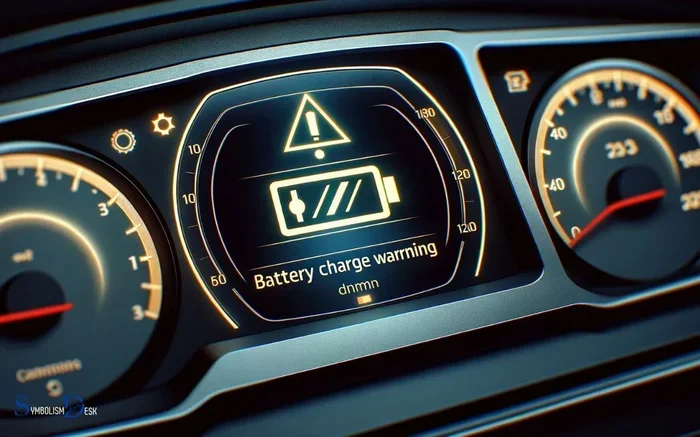
The warning may show up as a text message on newer vehicles or as a battery-shaped icon on older ones. Either way, it means the voltage output from the alternator has dropped below the expected level, or the battery is not holding a charge. Ignoring this light can lead to a dead battery and a car that will not start.
How the Charging System Works in Simple Terms
Your car’s electrical system works in a pretty straightforward loop. The battery sends power to the starter motor to crank the engine. Once the engine is running, the alternator takes over. It generates electricity to power all the electronics and recharge the battery for the next start. The voltage regulator controls how much power the alternator sends, making sure nothing gets overloaded.
If any piece of this puzzle fails, the whole loop breaks. That is when you see the charging indicator on your dashboard. It is a safety feature designed to protect you from getting stuck somewhere you do not want to be.
Top Reasons Why Your Car Says Check Charging System
So what actually goes wrong? There are several culprits behind the check charging system warning. Some are simple and cheap to fix. Others need a bit more attention. Let us walk through the most common causes.
1. A Weak or Old Battery
The most frequent reason for this warning is a failing car battery. Batteries do not last forever. Most last between three and five years, depending on climate and driving habits. If your battery is old, it may not hold a charge anymore, even if the alternator is working perfectly.
Cold weather makes this worse. Low temperatures slow down the chemical reactions inside a battery, reducing its ability to deliver power. If you live in a cold climate and your battery is over four years old, it is worth checking first.
2. Alternator Failure
The alternator is the workhorse of your charging system. It spins constantly while the engine runs and produces the electricity that keeps everything alive. Over time, the internal bearings and windings wear out. When the alternator starts to fail, it cannot generate enough voltage output to keep the battery topped up.
A bad alternator often shows other signs too. You might notice dim headlights, flickering dashboard lights, or slow power windows. If the warning comes with any of these symptoms, the alternator is a strong suspect.
3. Loose or Worn Serpentine Belt
The alternator is driven by a rubber belt, often called the serpentine belt or drive belt. If this belt is loose, cracked, or worn out, it cannot spin the alternator properly. A slipping belt means the alternator is not working at full capacity, and the charging system warning will appear.
This is one of the easiest problems to spot. Open the hood and look at the belt. If it looks shiny, glazed, or has visible cracks, it needs replacing. A loose belt might just need tightening.
4. Corroded or Loose Battery Terminals
Sometimes the issue is not inside the parts but at the connections. Battery terminals can build up a white or greenish crust over time. This is called battery corrosion, and it blocks the flow of electricity between the battery and the rest of the car.
Even a slightly loose cable can cause the check charging system message to pop up. The connection might be intermittent, which makes the problem tricky to track. A simple cleaning and tightening of the terminals often solves this entirely.
5. Faulty Voltage Regulator
The voltage regulator is a small but important part of your electrical system. It controls the amount of voltage the alternator sends to the battery. If the regulator goes bad, it can send too much or too little power. Either situation triggers the dashboard warning.
In many modern cars, the voltage regulator is built into the alternator itself. That means replacing the regulator often means replacing the whole alternator unit.
6. Wiring or Grounding Issues
Your car’s electrical system depends on a network of wires and ground connections. A damaged wire or a bad ground strap can disrupt the flow of electricity and cause the charging system warning to show up. These issues are harder to diagnose because the damage is often hidden behind panels or under the car.
If you have checked the battery, alternator, and belt and everything looks fine, it is worth having a mechanic inspect the wiring harness. Sometimes a frayed wire is the hidden culprit.
How to Diagnose the Check Charging System Warning
Before you rush to a repair shop, there are a few things you can do at home to narrow down the cause. A little detective work can save you time and money.
Step 1: Check the Battery Voltage
Grab a basic multimeter from any auto parts store. Set it to measure DC voltage. With the engine off, touch the red probe to the positive terminal and the black probe to the negative terminal. A healthy battery should read around 12.6 volts.
Now start the engine. The reading should jump to between 13.7 and 14.7 volts. This means the alternator is charging the battery properly. If the voltage stays below 13 volts with the engine running, your alternator is likely not doing its job.
Step 2: Inspect the Battery Terminals
Pop the hood and look at the battery terminals. Do you see any white, blue, or greenish buildup? That is corrosion. Use a wire brush or a battery terminal cleaner to scrub it away. Then make sure the cables are tight. Wiggle them gently. If they move easily, tighten the clamps.
This simple step fixes the check charging system message more often than you would think. It costs nothing and takes about five minutes.
Step 3: Examine the Serpentine Belt
Look at the belt that runs through the engine bay. Check for cracks, fraying, or glazing. Spin the pulleys by hand. They should turn smoothly without any grinding or squealing. If the belt looks worn or feels loose, it is an easy replacement.
While you are at it, check the belt tensioner. A weak tensioner will not keep the belt tight, leading to the same charging problems.
Step 4: Use an OBD2 Scanner
An OBD2 scanner is a small device that plugs into your car’s diagnostic port. It reads error codes stored in the car’s computer. These codes can point you directly to the problem area. Many auto parts stores will borrow you a scanner for free, or you can buy a cheap Bluetooth scanner for your phone.
Look for codes related to the charging system, such as P0562 (system voltage low) or P0620 (generator control circuit). These codes confirm that the issue lies within the alternator or battery circuit.
Step-by-Step Solutions to Fix the Charging System Warning
Once you know what is causing the check charging system message, you can take action. Here are the most effective solutions for each common cause.
Solution for a Dead or Weak Battery
If your battery tests low, try jump-starting the car first. If it starts and stays running, the battery might just be drained from sitting too long. Drive the car for at least 30 minutes to let the alternator recharge it.
If the battery keeps dying or will not hold a charge, it is time for a replacement. When buying a new car battery, match the group size and cold cranking amps (CCA) to your vehicle’s specifications. You can find this information in your owner’s manual or on the old battery label.
Replacing a battery is one of the simplest DIY car repairs you can do. Disconnect the negative terminal first, then the positive. Remove the hold-down clamp, lift out the old battery, and set the new one in place. Reconnect the positive terminal first, then the negative. That is it.
Solution for a Failing Alternator
If the alternator is the problem, you have two options: rebuild or replace. In most cases, replacing the alternator is the better choice. Rebuilding requires specialized tools and knowledge, and a new unit comes with a warranty.
The cost of a new alternator ranges from 300 to 800 dollars, depending on your vehicle. Labor adds another 100 to 200 dollars if you go to a shop. If you are handy, you can save on labor by doing it yourself. The alternator is usually mounted with a few bolts and connected by a wiring plug and the drive belt.
After installing a new alternator, clear the warning with an OBD2 scanner or by disconnecting the battery for a few minutes. The check charging system message should not return if the alternator is working correctly.
Solution for a Loose or Worn Belt
Replacing a serpentine belt is one of the easiest and cheapest repairs on this list. A new belt costs between 25 and 75 dollars. You will need a socket wrench to release the belt tensioner, slide the old belt off, and route the new one according to the diagram under your hood.
Make sure the belt is properly tensioned after installation. A belt that is too loose will slip again and trigger the same warning. Many tensioners have a marks or indicators to show proper tension.
Solution for Corroded Terminals
Cleaning battery terminals takes just a few minutes. Mix baking soda with a little water to make a paste. Apply it to the corroded areas and let it sit for a couple of minutes. The fizzing action will help break down the buildup. Scrub with a wire brush, rinse with a damp cloth, and dry thoroughly.
After cleaning, apply a thin layer of petroleum jelly or dielectric grease to the terminals. This prevents future corrosion and keeps the connection strong. Your electrical system will thank you.
Solution for Wiring or Ground Problems
If the issue is in the wiring, you will need to trace the cables and look for damage. Pay special attention to the ground straps, which connect the engine and chassis to the battery. A loose or broken ground strap can cause all sorts of electrical issues, including the charging warning.
Replace any damaged wires and secure all connections. If you are not comfortable working with wiring, take the car to a professional. Electrical problems can be tricky, and getting them right matters for your safety.
How to Prevent the Check Charging System Warning
The best way to deal with the check charging system message is to prevent it from appearing in the first place. Regular maintenance goes a long way toward keeping your charging system healthy and your car reliable.
- Inspect your battery every six months. Look for corrosion, check the voltage, and clean the terminals if needed.
- Check the serpentine belt during oil changes. A quick visual inspection can catch cracks or wear before they become a problem.
- Listen to your car. Unusual sounds like whining, grinding, or squealing from the engine bay can signal a failing alternator or loose belt.
- Avoid short trips when possible. Short drives do not give the alternator enough time to fully recharge the battery, which shortens its lifespan.
- Keep a portable jump starter in your trunk. It is a small investment that can save you from a roadside breakdown.
- Turn off accessories when the engine is off. Leaving lights or the radio on drains the battery and puts extra stress on the charging system.
These simple habits can add years to the life of your battery and alternator. They also save you from the stress and inconvenience of a sudden warning light on a busy day.
When Should You See a Mechanic?
Not every problem needs a trip to the shop, but some situations call for professional help. If you have checked the battery, terminals, and belt, and the check charging system warning still appears, it is time to see an expert.
Also, if your car stalls shortly after the warning appears, do not keep driving. Pull over safely and call for assistance. A complete alternator failure while driving can leave you without power steering, power brakes, and any electrical controls. It is not worth the risk.
A mechanic will have professional-grade diagnostic tools that can pinpoint the exact problem quickly. They can also perform a load test on your battery and a ripple test on your alternator to check for internal faults that a basic multimeter cannot detect. Investing in a proper diagnosis saves you money in the long run by ensuring you replace only the parts that truly need it.
If you notice the warning along with any of the following, head to a shop right away:
- The engine stalls or refuses to start
- The headlights become extremely dim
- You hear a grinding or whining noise from the engine
- The battery warning light also comes on
- Electrical accessories like the radio or power windows stop working
These symptoms suggest a serious issue with your charging system that needs immediate attention. The sooner you address it, the less likely you are to end up stranded.
Cost Breakdown for Charging System Repairs
Wondering what the fix might cost? Here is a rough breakdown of common repairs related to the check charging system warning.
| Repair | Parts Cost | Labor Cost | Total Estimate |
|---|---|---|---|
| Battery replacement | 100 – 250 dollars | 0 – 50 dollars | 100 – 300 dollars |
| Alternator replacement | 300 – 800 dollars | 100 – 200 dollars | 400 – 1000 dollars |
| Serpentine belt replacement | 25 – 75 dollars | 50 – 100 dollars | 75 – 175 dollars |
| Battery terminal cleaning | 0 – 10 dollars | 0 dollars (DIY) | 0 – 10 dollars |
| Voltage regulator replacement | 200 – 400 dollars | 100 – 200 dollars | 300 – 600 dollars |
Costs vary depending on your vehicle model, location, and whether you do the work yourself. The good news is that many of these repairs are straightforward and affordable. Addressing the issue early also prevents more expensive damage down the road, such as a completely dead battery that damages the starter motor or other electrical components.
Key Takeaways
- The warning is your friend: The check charging system message is designed to alert you early before a complete failure leaves you stranded.
- Battery and alternator are the usual suspects: Most cases trace back to one of these two components, which are easy to test with a multimeter.
- Simple fixes are common: Corroded terminals, loose belts, and worn connections can all trigger the warning and are quick to resolve.
- Diagnosis comes first: Before replacing expensive parts, run a few basic checks to confirm the actual cause of the problem.
- Prevention saves money: Regular inspections of your battery, belt, and electrical connections keep the charging system reliable for years.
- Do not ignore the light: Driving with the warning on risks a sudden breakdown and potential damage to other electrical parts like the starter motor and voltage regulator.
Conclusion
Seeing the check charging system message on your dashboard can be stressful, but it does not have to be a crisis. In most cases, the cause is something simple and affordable to fix. A weak battery, a worn serpentine belt, or corroded terminals are the usual culprits, and each has a clear solution.
The key is to act quickly. The longer you ignore the charging system warning, the more likely you are to end up with a car that will not start or an alternator that fails completely. Use the diagnostic steps in this guide to narrow down the problem, and apply the solutions that fit your situation.
Regular maintenance of your car battery, alternator, and electrical connections goes a long way toward keeping this warning from coming back. A little prevention today saves you time, money, and hassle tomorrow. Your car works hard for you every day. Give it the care it deserves, and the check charging system message will be nothing more than a brief reminder to stay on top of your vehicle’s health.
Frequently Asked Questions
Can I drive my car with the check charging system warning on?
You can drive short distances, but it is risky. The warning means your battery is not being recharged properly. If the battery dies while driving, you could lose power steering and brakes. It is best to get the problem diagnosed and fixed as soon as possible.
How much does it cost to fix the check charging system warning?
The cost depends on the cause. Cleaning battery terminals costs almost nothing. Replacing a serpentine belt runs 75 to 175 dollars. A new alternator or battery can cost between 300 and 1000 dollars. Getting a proper diagnosis first helps you avoid unnecessary expenses.
Is the check charging system warning the same as the battery light?
They are closely related. The battery-shaped icon and the text message both indicate a problem in the charging system. The warning may show up as either a battery symbol or a text alert, depending on your vehicle’s make and model.
Can a bad ground wire cause the check charging system message?
Yes, absolutely. A poor ground connection disrupts the flow of electricity in the electrical system. This can cause the alternator to underperform and trigger the dashboard warning. Checking ground straps is an often-overlooked step in diagnosis.
How long can I drive with a failing alternator?
Not long. A failing alternator relies solely on the battery for power. Most car batteries will last 30 to 60 minutes of driving before dying completely. Once the battery is drained, the engine will stall and you will not be able to restart the car.
What should I do if the check charging system warning keeps coming back after repair?
If the warning returns after a repair, there may be an underlying issue that was not fully resolved. Have a mechanic run a full diagnostic test with an OBD2 scanner. The problem could be a faulty voltage regulator, damaged wiring, or a new battery that is already failing.