At What Speed Does the Prius Switch to Gas and Why
The Prius switches to gas when you reach higher speeds or demand more power, typically around 15–25 mph in city driving and on highways. Understanding when and why this happens helps you maximize fuel efficiency and get the most out of your Toyota Prius hybrid system.
Have you ever wondered at what speed does the Prius switch to gas? It is a question many Toyota Prius owners and curious shoppers ask. The answer is not as simple as one single number. Several factors decide when your Prius leaves the electric motor behind and fires up the gasoline engine. Knowing this can save you money at the pump and help you drive smarter.
The Toyota Prius is one of the most popular hybrid cars on the road. It combines an electric motor with a gasoline engine to deliver excellent fuel economy. But how does the switch actually work? And why does it happen at certain speeds? In this guide, we break it all down in plain language. You will learn exactly when your Prius transitions from electric to gas and how to get the best results every time you drive.
Whether you are a new Prius owner or thinking about buying one, this article covers everything you need to know. We will explore the hybrid system, the role of the battery charge, driving tips, and much more. Let us dive in.
Key Takeaways
- The Prius switches to gas at higher speeds: The electric motor handles low-speed driving, and the gasoline engine kicks in as you accelerate or hit highway speeds.
- Multiple factors control the switch: Battery charge level, throttle input, temperature, and driving mode all play a role in when the Prius transitions.
- You can optimize fuel economy: Gentle acceleration, eco mode, and understanding your driving patterns help you stay in electric mode longer.
- The hybrid system is smart: Toyota engineered the Prius with a power-split device that seamlessly blends electric and gas power for the best efficiency.
- City and highway driving differ: The Prius relies more on electric power in stop-and-go traffic and switches to gas more frequently at sustained highway speeds.
- Battery health matters: A well-maintained hybrid battery ensures the electric motor works properly and the gas engine engages only when needed.
📑 Table of Contents
- How the Prius Hybrid System Works
- At What Speed Does the Prius Switch to Gas
- Factors That Control When the Prius Switches
- City Driving vs Highway Driving in a Prius
- How to Maximize Electric Driving and Save Fuel
- Common Mistakes That Make the Prius Use More Gas
- Expert Insights on Prius Fuel Efficiency
- Quick Tips for Better Fuel Economy in Your Prius
- Understanding the Prius Dashboard Indicators
- How the Prius Compares to Other Hybrids
- Conclusion
How the Prius Hybrid System Works
The Toyota Prius uses a clever hybrid system that blends two power sources. The electric motor handles low-speed driving and quiet cruising. The gasoline engine takes over when you need more power. Together, they work to give you the best fuel efficiency possible.
The Electric Motor
At low speeds, the Prius runs purely on electric power. This is why you can crawl through traffic or pull out of a parking spot without using any gas. The electric motor draws energy from the hybrid battery. This setup makes city driving very efficient and keeps the cabin quiet.
The Gasoline Engine
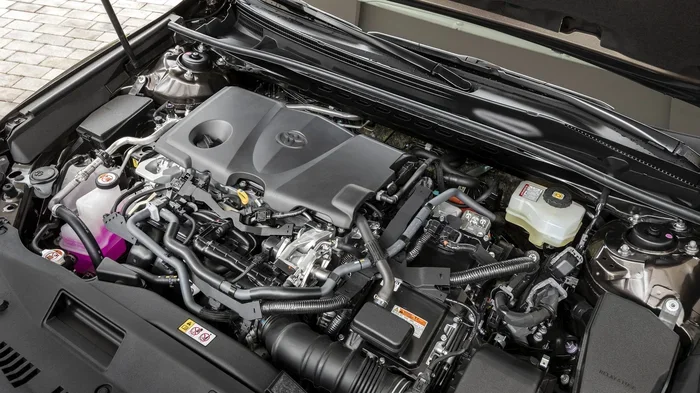
When you press the accelerator harder or reach a certain speed, the gasoline engine starts. It works alongside the electric motor or takes over completely. The engine charges the battery through regenerative braking and excess power. This seamless process is what makes the Prius so special.
The Power-Split Device
Toyota uses a unique device called a power-split gearset. It acts like a bridge between the electric motor and the gasoline engine. This component decides how much power comes from each source at any given moment. It is the brain behind the hybrid system and the reason the transition feels so smooth.
At What Speed Does the Prius Switch to Gas
The speed at which the Prius switches to gas depends on several things. There is no single magic number that applies to every situation. But here is a general idea of how it works.
Low-Speed Electric Driving
In most cases, the Prius stays in electric-only mode up to about 15 to 25 mph. This is perfect for neighborhood driving, parking lots, and slow traffic. The electric motor handles all the power needs without burning a drop of gas.
The Transition Zone
Between 25 and 40 mph, things get interesting. The Prius may start blending electric and gas power. This is called the transition zone. You might feel a slight change in sound or vibration. The hybrid control system decides the best mix of power based on your driving needs.
Highway Driving
On the highway, the Prius uses the gasoline engine more often. Sustained speeds above 40 to 50 mph demand more power than the electric motor alone can provide. The gas engine kicks in to maintain speed and charge the battery. This is why highway fuel economy in a Prius is still great but not as impressive as city numbers.
For more details on how hybrids decide when to switch between power sources, check out our article At What Point Does A Hybrid Switch To Gas. It covers the general hybrid switching logic in depth.
Factors That Control When the Prius Switches
Speed is not the only thing that matters. Several other factors influence when the Prius transitions from electric to gas. Let us look at each one closely.
Battery Charge Level
The state of charge in the hybrid battery is a big factor. If the battery is low, the gasoline engine will start sooner. It needs to recharge the battery to keep the system running smoothly. If the battery is full, the Prius can stay in electric mode longer, even at higher speeds.
Throttle Input
How hard you press the accelerator matters a lot. A gentle push keeps the Prius in electric mode. A hard press signals the need for more power, and the gas engine joins in. This is why gentle acceleration is one of the best ways to save fuel.
Driving Mode Selection
The Prius offers different driving modes. Eco mode prioritizes fuel savings and keeps the electric motor working longer. Power mode uses the gasoline engine more aggressively for faster acceleration. Normal mode balances both. Your choice directly affects when the gas engine engages.
Temperature and Climate
Cold weather affects the hybrid battery performance. In winter, the battery may not hold as much charge, causing the gas engine to start earlier. The engine also runs more to warm up the cabin and the powertrain. Hot weather has less of an impact but can still influence the switching behavior.
Electrical Load
Using features like air conditioning, heated seats, or a high-powered audio system draws electricity. If the electrical demand is high, the gas engine may turn on sooner to generate extra power. This is a smart design that keeps all systems running without draining the battery.
Want to learn more about smart car technology? Read our piece on Can I Download An App To Start My Car to see how modern cars are becoming more connected and intelligent.
City Driving vs Highway Driving in a Prius
The way you drive has a huge impact on when the Prius switches to gas. City and highway driving create very different conditions for the hybrid system.
City Driving
In the city, the Prius shines. Stop-and-go traffic lets the electric motor do most of the work. Low speeds, frequent braking, and short distances all favor electric power. The regenerative braking system captures energy when you slow down and sends it back to the battery. This is why many Prius owners see outstanding fuel economy in urban settings.
Highway Driving
On the highway, the Prius relies more on the gasoline engine. Steady speeds above 45 to 50 mph require consistent power output. The electric motor alone cannot keep up for long periods. The gas engine provides the bulk of the power while the electric motor assists when needed. Even so, the Prius still delivers strong miles per gallon on the highway compared to conventional cars.
If you are curious about how speed affects safety features in your vehicle, our article At What Speed Is Pre Collision Assist Active explores how Toyota safety systems activate at different driving speeds.
How to Maximize Electric Driving and Save Fuel
The goal for most Prius drivers is to stay in electric mode as long as possible. Here are practical tips to help you do exactly that.
Accelerate Gently
Smooth acceleration keeps the electric motor in charge. Avoid slamming the throttle. Instead, press the pedal gently and steadily. This simple habit can dramatically reduce how often the gas engine starts.
Use Eco Mode
Switching to Eco mode changes how the hybrid control system manages power. It limits engine power and encourages electric-only driving. This is especially helpful in city traffic and during short trips.
Monitor Your Battery Gauge
Keep an eye on the battery charge indicator on your dashboard. If the charge is high, you have a better chance of staying in electric mode. If it is low, the gas engine will likely engage soon to recharge it.
Practice Coasting
When you see a red light or slowdown ahead, take your foot off the accelerator early. The Prius uses regenerative braking to capture energy during coasting. This keeps the battery charged and reduces the need for the gas engine.
Keep Tires Properly Inflated
Underinflated tires create more rolling resistance. The engine has to work harder to maintain speed. Check your tire pressure regularly. Properly inflated tires improve fuel economy and help the electric motor handle more of the workload.
Reduce Extra Weight
Carrying heavy loads makes the powertrain work harder. Remove unnecessary items from your trunk and cargo area. Less weight means less demand for the gasoline engine and more efficient use of the electric motor.
Common Mistakes That Make the Prius Use More Gas
Some driving habits cause the Prius to rely on the gas engine more than necessary. Here are mistakes to avoid.
- Hard acceleration: Flooring the pedal forces the gas engine to engage immediately. Smooth starts are much more efficient.
- Ignoring battery charge: Letting the battery drain completely means the engine runs more often. Recharge through regenerative braking and gentle driving.
- Riding the brakes: Resting your foot on the brake pedal creates drag and wastes energy. Keep a safe following distance instead.
- Excessive idling: Turning off the engine at long stops saves fuel. Modern hybrids like the Prius auto-stop when you brake to a complete halt.
- Using power mode all the time: Power mode is fun for quick passes but terrible for fuel economy. Reserve it for situations where you truly need extra speed.
Expert Insights on Prius Fuel Efficiency
Automotive experts agree that the Prius is one of the most efficient gasoline-electric vehicles ever made. The key lies in its intelligent power-split device and well-designed hybrid battery system. According to the U.S. Department of Energy, hybrid vehicles like the Prius can achieve up to 50 to 60 miles per gallon in combined driving conditions.
Experts also emphasize that driver behavior plays a huge role. The same Prius can deliver very different fuel economy depending on how it is driven. Aggressive drivers will see the gas engine engage more often. Patient, smooth drivers will maximize electric-only driving and save significantly at the pump.
Regular maintenance also matters. Keeping the hybrid battery in good condition, changing the engine oil on schedule, and replacing air filters all contribute to optimal performance. A well-maintained Prius will switch between power sources more efficiently and deliver better long-term results.
Quick Tips for Better Fuel Economy in Your Prius
Top Quick Tips
- Accelerate gently and avoid sudden stops.
- Use Eco mode for daily commuting.
- Keep your tires properly inflated.
- Monitor the battery charge gauge regularly.
- Remove unnecessary weight from the vehicle.
- Practice early coasting when approaching stops.
- Keep up with scheduled maintenance.
By following these simple tips, you can extend your electric-only driving range and reduce how often the gas engine kicks in. The result is better fuel economy, lower emissions, and a smoother driving experience.
Understanding the Prius Dashboard Indicators
The Prius dashboard gives you real-time feedback about your power usage. The energy monitor shows when you are running on electric power and when the gas engine is active. The battery charge indicator tells you how much energy is stored. The fuel economy display shows your current and average miles per gallon.
Learning to read these indicators helps you adjust your driving style. If you notice the gas engine engaging too often, you can ease off the accelerator. Over time, this awareness leads to better habits and improved fuel economy.
How the Prius Compares to Other Hybrids
The Prius is not the only hybrid car on the market, but it is one of the most refined. Its power-split device is unique and gives it an edge over many competitors. Other hybrids use different systems, such as parallel hybrids or plug-in designs. Each has its strengths, but the Prius remains a benchmark for fuel efficiency and reliability.
When comparing 1500cc to 2000cc cars in India or similar engine size categories, the Prius stands out for its ability to deliver strong performance with a smaller displacement engine. The electric motor fills in the gaps, making the overall powertrain feel responsive and efficient.
Conclusion
So, at what speed does the Prius switch to gas? The answer depends on your speed, battery charge, driving mode, and how hard you push the accelerator. In general, the Prius stays in electric mode at low speeds and transitions to gas as you accelerate and reach highway speeds. Understanding this process helps you drive smarter and get the most out of your vehicle.
The Toyota Prius remains a leader in the hybrid car market. Its intelligent power-split device, efficient electric motor, and well-designed gasoline engine work together to deliver outstanding fuel economy. By following the tips in this guide, you can maximize your electric driving range, save money on fuel, and enjoy a cleaner, quieter ride every time you get behind the wheel.
Take what you have learned and apply it on your next drive. Small changes in how you accelerate, brake, and use your driving modes can add up to big savings over time. Your Prius is a remarkable machine. Now you know how to get the most from it.
Frequently Asked Questions
What speed does the Prius switch from electric to gas?
The Prius typically switches from electric to gas between 15 and 25 mph in city driving. On highways, the gasoline engine engages more frequently at speeds above 40 to 50 mph. However, the exact speed depends on battery charge, throttle input, and driving mode.
Can I drive a Prius on electric power only?
Yes, the Prius can drive on electric power at low speeds and short distances. This is called EV mode. However, the electric motor has limited range and the gas engine will automatically start when more power is needed.
Why does my Prius gas engine turn on so often?
If your Prius gas engine turns on frequently, it may be due to a low battery charge, cold weather, heavy electrical loads, or aggressive driving. Try using Eco mode and accelerating gently to reduce how often the engine engages.
Does the Prius charge its own battery while driving?
Yes, the Prius uses regenerative braking and excess engine power to recharge the hybrid battery while driving. You do not need to plug it in for basic charging. This is what makes it a self-charging hybrid.
Is it bad to drive a Prius at high speeds?
Driving a Prius at high speeds is not bad, but it does use more gas. The gasoline engine takes over at sustained highway speeds. Fuel economy is still better than most conventional cars, but you will see lower miles per gallon compared to city driving.
How can I make my Prius more fuel efficient?
You can improve fuel efficiency by accelerating gently, using Eco mode, keeping tires inflated, reducing vehicle weight, and practicing early coasting. Regular maintenance also helps the hybrid system perform at its best.