Can a 4Runner Be Considered a Truck or Just an SUV
The Toyota 4Runner has long been a favorite for drivers who want both utility and adventure. Many people wonder if the 4Runner qualifies as a truck or stays in the SUV category. The answer depends on how you define a truck, but the 4Runner shares many traits with both worlds. Let us break down the details and settle this debate once and for all.
The Toyota 4Runner has been turning heads and kicking up dirt for decades. It is one of the most recognizable SUVs on the road. But here is the question that keeps popping up in forums and at dinner tables: can a 4Runner be considered a truck? Some people swear it is a truck. Others insist it is just a rugged SUV. The truth is not as simple as you might think.
When you look at the 4Runner, it does not look like your typical family SUV. It has a boxy shape, serious ground clearance, and a tough build. It also shares a lot of DNA with Toyota’s truck lineup. So where does it really fit in? This article dives deep into the 4Runner truck vs SUV debate. We will explore its design, capabilities, official classification, and everything in between. By the end, you will have a clear answer to this burning question.
Key Takeaways
- Body-on-frame design: The 4Runner uses a truck-style frame, which is a key reason people debate its classification.
- Toyota classifies it as an SUV: Officially, Toyota markets the 4Runner as a sport utility vehicle, not a truck.
- Truck-like capabilities: The 4Runner offers towing capacity, cargo space, and off-road prowess that rival many trucks.
- Regulatory definitions matter: Government and insurance classifications may differ from what automakers call a vehicle.
- It bridges the gap: The 4Runner sits in a unique space between trucks and traditional SUVs, giving drivers the best of both worlds.
📑 Table of Contents
- What Makes a Vehicle a Truck?
- The Toyota 4Runner: SUV or Truck?
- How Toyota Classifies the 4Runner
- Why People Argue the 4Runner Is a Truck
- The SUV Side of the 4Runner
- The Verdict: Is the 4Runner a Truck?
- Common Mistakes People Make When Classifying the 4Runner
- Expert Insights on the 4Runner’s Identity
- Key Takeaways
What Makes a Vehicle a Truck?
Before we can answer whether the 4Runner is a truck, we need to define what a truck actually is. The term “truck” can mean different things depending on who you ask. Manufacturers, government agencies, and everyday drivers all have their own ideas. Let us look at the most common definitions.
Official Government Classification
In the United States, the Environmental Protection Agency (EPA) and the National Highway Traffic Safety Administration (NHTSA) have specific rules for classifying vehicles. Trucks are generally defined as vehicles designed primarily to carry cargo or tow heavy loads. They usually have a separate cargo area and a body-on-frame construction. The EPA classifies trucks based on gross vehicle weight rating (GVWR). Anything over 8,500 pounds often falls into the light truck category.
The 4Runner weighs in around 4,700 to 5,300 pounds depending on the trim and configuration. That puts it below the light truck threshold in most cases. However, weight is just one piece of the puzzle. The frame, design, and intended use all matter too.
Common Characteristics of a Truck
Most people think of a truck as something with these features:
- Body-on-frame construction: The body is mounted on a separate frame, making it strong and durable.
- Open cargo area: A pickup bed is the classic truck cargo area.
- Towing and hauling capability: Trucks are built to pull trailers and carry heavy loads.
- High ground clearance: Trucks are designed to handle rough terrain and heavy cargo.
- Work-oriented design: Trucks are often associated with jobs, construction, and heavy-duty tasks.
Now let us compare these traits to the 4Runner. You will see why the debate gets interesting.
The Toyota 4Runner: SUV or Truck?
The 4Runner has been around since 1984. It started as a compact SUV built on the Toyota Hilux pickup truck platform. That is a huge clue right there. Over the years, Toyota has evolved the 4Runner into a mid-size SUV, but it still carries many truck DNA traits. So, is the 4Runner a truck? Let us break it down by the factors that matter most.
Body-on-Frame Construction
This is the biggest argument in favor of calling the 4Runner a truck. Unlike unibody SUVs, which are built as a single unit, the 4Runner uses a body-on-frame design. This means the vehicle body sits on a separate, rigid frame. This design is what you find in most pickup trucks and large SUVs. It provides superior durability and off-road capability.
Many traditional SUVs have moved to unibody construction for better fuel economy and on-road comfort. The 4Runner has stuck with its truck frame. This gives it an edge in ruggedness and longevity. If you have ever wondered why the 4Runner lasts so long, this frame design is a big reason.
Towing and Payload Capacity
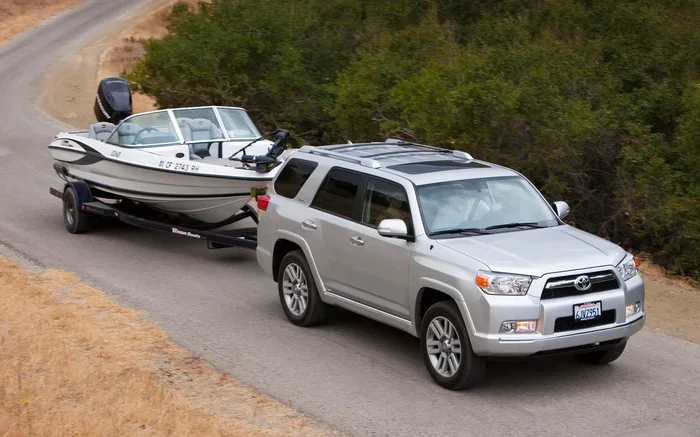
One of the most truck-like features of the 4Runner is its towing capacity. The 4Runner can tow up to 5,000 pounds when properly equipped. That is enough to haul a small trailer, a boat, or a camper. Compare that to many traditional family SUVs that can barely tow 1,500 pounds.
When it comes to payload, the 4Runner can handle around 1,500 to 1,600 pounds of cargo and passengers combined. That is impressive for an SUV. If you have ever struggled with putting too much weight in your car, you will appreciate how capable the 4Runner is in this area. It is built to carry serious loads without breaking a sweat.
Off-Road Capability
The 4Runner is famous for its off-road prowess. It has been trail-rated by Jeep, which is a big deal in the SUV world. The TRD Off-Road and TRD Pro trims come with locking differentials, crawl control, and multi-terrain select. These features are usually found on trucks, not family SUVs.
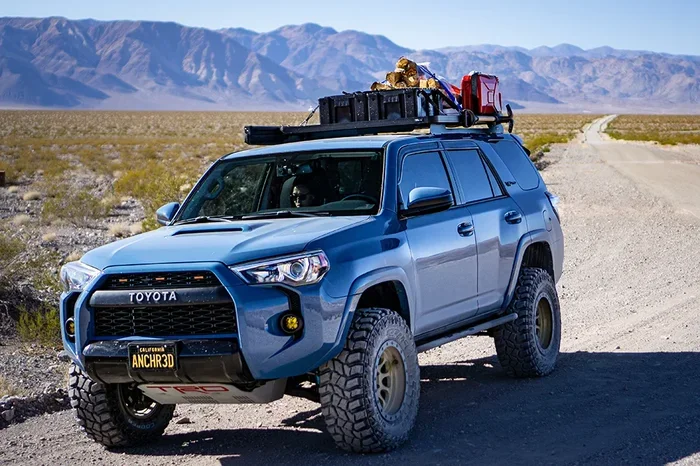
The 4Runner can handle rocky trails, deep mud, and steep inclines with ease. It has approach and departure angles that rival many pickup trucks. If you use your vehicle for serious off-roading, the 4Runner feels very much like a truck. It is built tough and designed to go where paved roads end.
How Toyota Classifies the 4Runner
Toyota officially calls the 4Runner a sport utility vehicle. It is listed under the SUV category on their website and in their marketing materials. The company does not position it as a truck, even though it shares a platform with the Tacoma pickup and has truck-like features.
So why does Toyota classify it as an SUV? The answer comes down to how the vehicle is used and marketed. Most 4Runner buyers use it as a family vehicle with off-road weekend adventures. It has seating for five, a cargo area behind the seats, and features like air conditioning and infotainment that make it daily-driver friendly. Toyota wants the 4Runner to appeal to families and adventure seekers, not just work crews.
That said, the 4Runner has always had strong ties to Toyota’s truck division. The first generation was literally based on the Hilux pickup. Even today, the 4Runner shares its platform architecture with the Tacoma. This connection to the truck world is why so many people consider it a truck.
Comparison: 4Runner vs Traditional Trucks
Let us put this into perspective with a quick comparison.
| Feature | Toyota 4Runner | Toyota Tacoma (Truck) |
|---|---|---|
| Frame Type | Body-on-frame | Body-on-frame |
| Seating Capacity | 5 passengers | 4 to 6 passengers |
| Cargo Area | Enclosed rear cargo space | Open pickup bed |
| Towing Capacity | Up to 5,000 lbs | Up to 6,500 lbs |
| Fuel Tank | 18.3 gallons | 21.1 gallons |
| Primary Use | Family SUV / Off-road | Work truck / Utility |
| Classification | SUV | Pickup Truck |
As you can see, the 4Runner and the Tacoma share a lot of DNA. But the open cargo bed is a defining truck feature that the 4Runner does not have. This is a major reason Toyota keeps it in the SUV category.
Why People Argue the 4Runner Is a Truck
Despite Toyota’s official classification, a lot of people firmly believe the 4Runner is a truck. Here are the main reasons why this debate exists.
It Looks Like a Truck
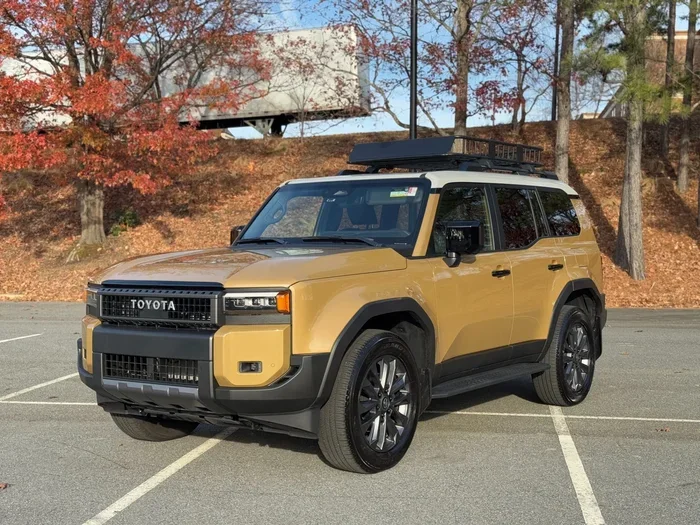
Let us be honest. The 4Runner looks tough and utilitarian. Its boxy design, raised suspension, and aggressive styling give it a truck-like appearance. When you see a 4Runner parked next to a pickup, they share a similar visual language. The squared-off body, roof rack, and skid plates all scream truck to many people.
It Performs Like a Truck
The 4Runner can tow, haul, and go off-road just like many trucks. Its 4.0-liter V6 engine produces 270 horsepower and 278 lb-ft of torque. That is enough power to handle heavy loads and challenging terrain. The part-time four-wheel drive system with a low-range transfer case is a truck feature that most SUVs do not offer.
It Has Truck DNA
The 4Runner was born from a truck platform. Its ancestors include the Hilux pickup, which is one of the most popular trucks in the world. Even though Toyota has evolved it into an SUV, that truck heritage is still in its bones. Many enthusiasts argue that you cannot change a vehicle’s roots. If it was built on a truck frame with truck components, it is a truck at heart.
Insurance and Legal Considerations
Here is something interesting. Insurance companies and state laws sometimes classify the 4Runner differently than Toyota does. In some cases, insurers group it with light trucks because of its weight and construction. This can affect insurance rates and registration fees. If you have ever dealt with the hassle of running on empty and worrying about fuel range, you know that vehicle classification can impact your ownership experience in unexpected ways.
The SUV Side of the 4Runner
While the truck argument has merit, there are strong reasons to call the 4Runner an SUV. Let us look at the SUV side of the equation.
Passenger Comfort and Convenience
The 4Runner is designed to carry people, not just cargo. It has comfortable seats, climate control, and modern technology that make it suitable for daily driving. You can take your family on road trips, run errands, and commute to work in a 4Runner. That is what SUVs are for. Trucks are typically more focused on work and utility than comfort.
Enclosed Cargo Space
Unlike a pickup truck with an open bed, the 4Runner has an enclosed cargo area. This protects your gear from weather and theft. It also makes the 4Runner more practical for everyday use. You can haul groceries, luggage, sports equipment, and camping gear without worrying about the elements.
On-Road Driving Experience
The 4Runner handles more like an SUV than a truck on paved roads. It has a comfortable ride, responsive steering, and good visibility. While it is not as refined as a crossover SUV, it is much more livable on highways and city streets than a traditional pickup truck. Most truck drivers would find the 4Runner more comfortable for daily driving.
Fuel Efficiency
Trucks are notorious for guzzling fuel. The 4Runner, while not a fuel sipper, gets better gas mileage than most full-size trucks. The EPA rates the 4Runner at around 16 to 20 miles per gallon combined. Compare that to the Toyota Tundra, which gets around 13 to 18 miles per gallon. The 4Runner’s efficiency is more in line with what you expect from an SUV.
When you compare the 4Runner to vehicles like the 000 lbs heavy for a car category, it falls into a lighter class that is more SUV-friendly in terms of weight and handling.
The Verdict: Is the 4Runner a Truck?
So, can a 4Runner be considered a truck? The honest answer is: it depends on how you define a truck. Toyota officially calls it an SUV. The government classifies it as a light truck in some contexts. But in the minds of many drivers and enthusiasts, it is a truck in an SUV’s clothing.
The 4Runner has the frame, the towing capacity, the off-road capability, and the rugged DNA of a truck. But it also has the comfort, convenience, and enclosed cargo of an SUV. It does not fit neatly into one box. And that is exactly what makes it so special.
If you need a vehicle that can handle both work and play, the 4Runner delivers. It is one of the few vehicles that truly bridges the gap between trucks and SUVs. Whether you call it a truck or an SUV, it gets the job done and looks great doing it.
The next time someone asks you if the 4Runner is a truck, you can give them a confident answer. It is whatever you need it to be. That is the beauty of this legendary Toyota machine.
Common Mistakes People Make When Classifying the 4Runner
There are a few mistakes that people often make when debating the 4Runner’s classification. Let us avoid them.
- Assuming all SUVs are unibody: Many people think SUVs cannot have truck frames. The 4Runner proves that wrong.
- Confusing size with classification: Just because a vehicle is large does not make it a truck. The 4Runner is mid-size but still an SUV by Toyota’s standards.
- Ignoring official classifications: What people think a vehicle is does not change how the manufacturer or government classifies it.
- Overlooking the platform heritage: The 4Runner’s truck roots are real and matter, even if Toyota now calls it an SUV.
Expert Insights on the 4Runner’s Identity
Automotive experts have weighed in on this debate many times. Most agree that the 4Runner occupies a unique niche. It is not a traditional truck, but it is not a typical SUV either. It is a crossover of sorts, blending the best of both worlds.
According to automotive journalists, the 4Runner’s longevity and resale value are unmatched in the SUV segment. Part of this is due to its truck-based platform, which provides durability and reliability. The 4Runner has been on the market for nearly 40 years with minimal changes to its core design. That kind of staying power speaks volumes about its identity as a rugged, capable machine.
Experts also point out that the automotive industry is moving away from strict categories. Crossovers, trucks, and SUVs are blending together. The 4Runner sits right at the intersection of these trends. It is a reminder that vehicles do not always fit neatly into boxes.
Key Takeaways
- Body-on-frame design: The 4Runner uses a truck-style frame, which is a key reason people debate its classification.
- Toyota classifies it as an SUV: Officially, Toyota markets the 4Runner as a sport utility vehicle, not a truck.
- Truck-like capabilities: The 4Runner offers towing capacity, cargo space, and off-road prowess that rival many trucks.
- Regulatory definitions matter: Government and insurance classifications may differ from what automakers call a vehicle.
- It bridges the gap: The 4Runner sits in a unique space between trucks and traditional SUVs, giving drivers the best of both worlds.
- Heritage matters: The 4Runner was built on a truck platform and carries truck DNA to this day.
- Classification is not everything: Whether you call it a truck or SUV, the 4Runner delivers capability and reliability.
Frequently Asked Questions
Is the Toyota 4Runner officially classified as a truck?
No, Toyota officially classifies the 4Runner as a sport utility vehicle (SUV). However, some government agencies and insurance companies may classify it as a light truck due to its body-on-frame construction and weight.
What platform does the 4Runner use?
The 4Runner uses a body-on-frame platform that is shared with the Toyota Tacoma pickup truck. This truck-based platform is one of the main reasons people consider the 4Runner a truck.
Can the 4Runner tow like a truck?
Yes, the 4Runner can tow up to 5,000 pounds when properly equipped. While this is less than full-size trucks, it is comparable to many mid-size trucks and far exceeds most traditional SUVs.
Why do people think the 4Runner is a truck?
People think the 4Runner is a truck because of its rugged appearance, truck-like frame, off-road capabilities, and towing capacity. Its heritage as a derivative of the Hilux pickup truck also contributes to this perception.
How is the 4Runner different from a pickup truck?
The main difference is the cargo area. The 4Runner has an enclosed rear cargo space, while a pickup truck has an open bed. The 4Runner also focuses more on passenger comfort and daily drivability than a traditional truck.
Should I buy a 4Runner if I need a truck for work?
If you need an open cargo bed for hauling materials, a pickup truck is a better choice. But if you need a vehicle that can tow, haul cargo, and go off-road while still being comfortable for daily use, the 4Runner is an excellent option.
=== CONCLUSION ===
The question of whether a 4Runner is a truck or an SUV does not have a simple yes or no answer. The Toyota 4Runner defies easy categorization, and that is part of its charm. It has the frame, the toughness, and the heritage of a truck. But it also has the comfort, convenience, and practicality of a modern SUV.
Toyota may officially call it an SUV, but the 4Runner has truck DNA running through its veins. It can tow, haul, and conquer trails just like many trucks. At the same time, it can carry your family and gear comfortably on a weekend adventure.
So the next time someone asks you, can a 4Runner be considered a truck, you can confidently say yes and no. It is a vehicle that transcends traditional categories. And that is exactly what makes the 4Runner one of the most beloved vehicles on the road today. Whether you call it a truck or an SUV, it gets the job done and looks great doing it.