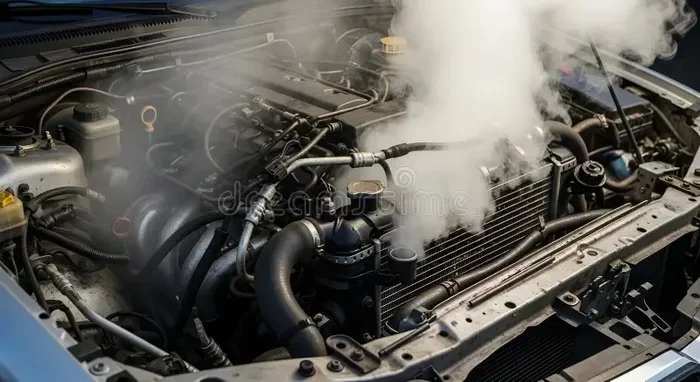
Can a Bad Heater Core Cause a Car to Overheat Here is Why
Can a Bad Heater Core Cause a Car to Overheat? The answer is yes, and it happens more often than most drivers realize. A failing heater core can disrupt your car’s cooling system, leading to engine overheating, coolant leaks, and serious damage if ignored. This guide covers the symptoms, causes, and fixes so you can act fast and protect your vehicle.
Can a Bad Heater Core Cause a Car to Overheat? The short answer is yes, and it is a problem more drivers face than you might think. A heater core is a small but vital part of your car’s cooling system. When it fails, it can cause coolant leaks, poor airflow, and eventually engine overheating. The sections below break down exactly how a bad heater core leads to overheating, what warning signs to watch for, and how to fix it before the damage gets worse. Understanding this connection can save you from costly repairs and a stranded vehicle.
Most people think of the heater core as just a way to stay warm in winter. But it does much more than blow hot air into your cabin. The heater core is part of your car’s cooling system, and it helps regulate engine temperature. When it goes bad, the whole system suffers. Many drivers ignore early warning signs until the problem becomes serious. A clogged or leaking heater core can lead to low coolant level, overheating engine issues, and even internal engine damage. The good news is that catching the problem early makes repair much easier and cheaper.
Key Takeaways
- Yes, a bad heater core can cause overheating: A clogged or leaking heater core disrupts coolant flow and raises engine temperature.
- Watch for warning signs: Sweet smells, foggy windows, and low coolant levels are red flags of a failing heater core.
- Ignoring the problem leads to costly repairs: A bad heater core can damage the head gasket, water pump, and other cooling system parts.
- Replacement cost varies: Most drivers pay between $300 and $900 for heater core replacement, depending on the vehicle.
- Early detection saves money: Catching heater core issues early prevents engine overheating and extensive damage.
- Regular cooling system maintenance helps: Flushing the coolant and checking the coolant level can prevent heater core problems.
📑 Table of Contents
What Does a Heater Core Do in Your Car?
The Basics of Cabin Heating
The heater core looks like a small radiator inside your dashboard. It uses hot coolant from the engine to produce warm air for your cabin. When you turn up the heat, the heater control valve directs hot coolant through the heater core. A fan then blows air across it and into your car’s interior. This is how you get cabin heat on cold mornings.
Without a working heater core, your car would have no way to warm the passenger area. But more importantly, the heater core plays a role in the overall cooling system. It helps manage the flow of coolant through the engine. If the heater core fails, it can throw off the entire balance of your cooling system.
How the Heater Core Connects to the Cooling System
Your car’s cooling system includes several key parts. The radiator, water pump, thermostat, and hoses all work together to keep the engine at the right temperature. The heater core is connected to this system through two hoses that run from the engine to the firewall and into the cabin.
Here is how the system works in simple terms:
- The water pump pushes coolant through the engine block.
- The coolant absorbs heat from the engine.
- Hot coolant flows through the heater core to provide cabin heat.
- The coolant then returns to the radiator to release heat.
- The cooling fan helps the radiator cool down the fluid.
When any part of this loop breaks, the engine can overheat. A bad heater core can disrupt this cycle in several ways. It can clog, leak, or stop regulating coolant flow properly.
- Have your coolant flushed every 30,000 miles to prevent buildup.
- Use the manufacturer-recommended coolant type for your vehicle.
- Check the coolant level in the coolant reservoir regularly.
- Never ignore a rising temperature gauge on your dashboard.
Can a Bad Heater Core Cause a Car to Overheat
The Direct Link Between Heater Core and Engine Temperature
So, can a bad heater core cause a car to overheat? Yes, it absolutely can. When the heater core becomes clogged with debris or sludge, it restricts the flow of coolant. Less coolant moving through the system means the engine cannot shed heat efficiently. This causes the engine temperature to rise.
Think of it like a clogged artery. The coolant needs to flow freely to do its job. A blocked heater core creates a bottleneck in the cooling system. Over time, this bottleneck leads to overheating engine problems.
Here are the main ways a bad heater core causes overheating:
- Restricted coolant flow – A clogged core blocks circulation.
- Coolant loss from leaks – A leaking core lowers the total coolant amount.
- Air pockets in the system – Leaks let air in, which blocks flow.
- Thermostat malfunction – Irregular coolant flow can cause the thermostat to stick.
How a Clogged Heater Core Disrupts Coolant Flow
A clogged heater core is one of the most common reasons for overheating. Rust, sediment, and old coolant build up inside the core over time. This buildup narrows the passages and reduces the amount of coolant that can flow through.
When coolant flow drops, the engine runs hotter than it should. The temperature gauge starts climbing. If you do not address it quickly, the overheating engine can cause serious damage. Regular cooling system maintenance and a proper coolant flush can help prevent clogs from forming in the first place.
Common Mistakes: Many drivers assume a little heat loss is no big deal. They keep driving and ignore the warning signs. By the time the engine actually overheats, the heater core may be completely blocked and the damage is already done. Always take weak cabin heat seriously.
When a Leaking Heater Core Lowers Coolant Levels
A leaking heater core is just as dangerous as a clogged one. When the core develops cracks or holes, coolant escapes into the cabin or under the car. This loss of coolant directly leads to low coolant levels and engine overheating.
You might notice a sweet smell inside the car or see moisture on the windows. These are telltale signs of a leaking heater core. If the coolant level drops too low, the engine has no way to cool itself properly. The overheating engine can warp internal parts and cause catastrophic failure.
Common Mistakes: Many drivers top off the coolant and keep driving. This is a temporary fix at best. The leak will get worse, and the engine will keep running hot. Always get a leaking heater core repaired as soon as possible.
Warning Signs Your Heater Core Is Going Bad
Sweet Smell Inside the Cabin
One of the earliest signs of a failing heater core is a sweet, syrupy smell inside the car. This smell comes from coolant leaking onto the hot engine or dashboard components. If you notice this smell, especially when the heat is on, get your car checked right away.
The coolant used in most vehicles contains ethylene glycol, which has a distinctly sweet odor. Even a small leak can produce a noticeable smell. Do not ignore this warning sign. It often means the heater core is already leaking coolant.
Foggy Windows and Moisture on the Inside
A leaking heater core can send coolant vapor into the cabin. This creates a foggy film on the inside of your windows. You might also notice damp carpets on the passenger side floor. These moisture issues are strong indicators of a bad heater core.
Foggy windows are more than just an annoyance. They reduce visibility and create unsafe driving conditions. If your windows fog up unusually fast, especially with a sweet smell, suspect a heater core problem.
Low Coolant Levels With No Visible Leak
If you keep needing to add coolant but cannot find an external leak, the heater core might be the culprit. A leaking heater core can lose coolant internally, into the ventilation system, or onto the engine compartment. This makes it hard to spot the leak from the outside.
Check your coolant reservoir regularly. If the level drops consistently and you see no puddles under the car, have a mechanic inspect the heater core. Catching this early can prevent engine overheating symptoms from developing.
Weak or No Cabin Heat
The most obvious sign of a bad heater core is weak or no heat coming from the vents. If the core is clogged, hot coolant cannot flow through it properly. Even with the heat turned all the way up, you might only get lukewarm air.
While weak cabin heat alone does not always mean the car will overheat, it often signals a deeper problem in the cooling system. A blocked heater core can be a precursor to more serious cooling system issues.
What Happens When a Heater Core Fails Completely
Engine Overheating and Its Consequences
When a heater core fails completely, the consequences can be severe. A total blockage or major leak can cause the engine to overheat within minutes of driving. An overheating engine can lead to warped cylinder heads, cracked engine blocks, and blown head gaskets.
These are expensive repairs that can cost thousands of dollars. In the worst case, a seized engine means the vehicle needs a full replacement. This is why understanding the connection between a bad heater core and engine overheating is so important.
Here are the potential consequences of ignoring a failing heater core:
- Warped cylinder heads – Caused by prolonged overheating.
- Cracked engine block – Can ruin the entire engine.
- Blown head gasket – Lets coolant enter the combustion chamber.
- Damaged radiator – Stress from overheating can harm the radiator.
- Broken water pump – Overheating strains the water pump bearings.
Coolant Leaks and Their Dangers
A leaking heater core does not just cause overheating. It also creates safety hazards. Coolant is toxic and can be harmful to pets and children. Puddles of coolant under the car are a slipping hazard for pedestrians and other drivers.
Coolant can also damage car paint and interior components. If coolant gets on leather seats or carpeting, it can cause staining and odors that are hard to remove. The sooner a leak is repaired, the less damage it causes.
The Risk of a Blown Head Gasket
A blown head gasket is one of the most expensive engine repairs. It happens when the engine overheats severely and the gasket between the engine block and cylinder head fails. Coolant can leak into the cylinders, and combustion gases can enter the cooling system.
Signs of a blown head gasket include white smoke from the exhaust, bubbles in the coolant reservoir, and oil that looks milky. A bad heater core that leads to overheating is one of the leading causes of head gasket failure. This is why early detection and repair are so critical.
| Issue | Cause | Repair Cost | Severity |
|---|---|---|---|
| Clogged Heater Core | Sediment and rust buildup | $300 – $900 | Moderate |
| Leaking Heater Core | Cracks or corrosion | $400 – $1,000 | High |
| Blown Head Gasket | Engine overheating from heater core failure | $1,000 – $2,500 | Critical |
| Warped Cylinder Head | Prolonged overheating | $500 – $1,500 | High |
| Damaged Water Pump | Overheating strains pump bearings | $300 – $700 | Moderate to High |
As you can see from the table above, a simple heater core problem can snowball into much more expensive repairs if left unchecked. The best approach is always early detection and prompt repair.
How to Diagnose a Bad Heater Core
Simple Checks You Can Do at Home
Before you visit a mechanic, there are a few checks you can do yourself. Start by looking at the coolant level in the reservoir. If it is low and you have not been driving, there may be a leak.
Next, check the passenger side floor for dampness. Put your hand on the floor mats after driving. If they feel damp or smell sweet, coolant may be leaking into the cabin. Also, check the inside of your windshield for a foggy film that does not go away with the defroster.
Start the engine and let it warm up. Feel both heater hoses going into the cabin. If one hose is hot and the other is cool, the heater core may be clogged. A radiator hose check can also reveal pressure issues that point to a heater core problem.
What a Mechanic Will Look For
A professional mechanic will perform a thorough inspection of the cooling system. They will pressure test the system to find leaks. They will also check the thermostat and water pump to make sure those parts are working correctly.
Mechanics often use a block tester to check for exhaust gases in the coolant. This test can reveal whether a head gasket has been damaged by overheating. They will also inspect the heater control valve and the cooling fan to rule out other causes of overheating.
- Never open the radiator cap when the engine is hot. Wait for it to cool completely.
- Use a flashlight to inspect the heater core area under the dashboard.
- Keep a log of coolant top-offs. Frequent refills are a red flag.
- Ask the mechanic to check the coolant level and condition during every oil change.
Heater Core Replacement Cost and Repair Options
Average Replacement Cost by Vehicle
The heater core replacement cost varies depending on your vehicle model, the location of the core, and the labor rates in your area. On average, most drivers pay between $300 and $900 for a full replacement. The parts themselves usually cost between $100 and $400, while labor makes up the rest of the bill.
Some vehicles have a heater core that is easy to access behind the dashboard. Others require removing the entire dashboard, which drives up the labor cost significantly. Luxury vehicles and newer models with complex climate control systems also tend to cost more to repair.
| Vehicle Type | Parts Cost | Labor Cost | Total Cost | Difficulty |
|---|---|---|---|---|
| Compact Car | $100 – $200 | $200 – $400 | $300 – $600 | Moderate |
| Mid-Size Sedan | $150 – $300 | $250 – $500 | $400 – $800 | Moderate |
| SUV / Truck | $200 – $400 | $300 – $600 | $500 – $1,000 | Difficult |
| Luxury Vehicle | $300 – $500 | $400 – $800 | $700 – $1,300 | Very Difficult |
| European Model | $250 – $450 | $350 – $700 | $600 – $1,150 | Difficult |
These costs are estimates and can vary widely. Always get a detailed quote from a trusted mechanic before authorizing the repair.
DIY Repair vs Professional Help
If you are handy with tools, you might consider a DIY replacement. However, heater core repair is not a beginner-level job. Accessing the core often requires removing parts of the dashboard, which can be tricky and time-consuming.
For most drivers, professional repair is the safer choice. A professional will have the right tools, experience, and access to OEM-quality parts. Plus, a proper repair often comes with a warranty that covers you if something goes wrong.
Common Mistakes: Some drivers try to bypass the heater core entirely to stop a leak. This is a bad idea. Bypassing the core removes it from the cooling circuit, which can cause the engine to overheat. Always replace a faulty heater core properly rather than trying to work around it.
Tips to Reduce Repair Costs
You can take steps to keep repair costs down. Regular cooling system maintenance is the best way to prevent heater core problems in the first place. A coolant flush every 30,000 miles keeps the system clean and free of debris that can clog the core.
Also, use the correct coolant type for your vehicle. Mixing different coolant brands or types can cause chemical reactions that lead to corrosion and premature heater core failure. Check your owner’s manual for the recommended coolant specification.
Another money-saving tip is to address small cooling system issues early. A small coolant leak or a slightly sticking thermostat can be fixed cheaply. Ignoring these small problems leads to bigger failures and higher bills down the road.
Conclusion
Can a Bad Heater Core Cause a Car to Overheat? The answer is a clear yes. A failing heater core disrupts the cooling system, causes coolant loss, and can lead to serious engine damage if left untreated. The key is to catch the problem early and address it before it escalates.
Watch for the warning signs covered in this guide. A sweet smell, foggy windows, weak cabin heat, or low coolant levels are all clues that your heater core may be failing. Do not ignore these symptoms. The sooner you get the problem diagnosed and repaired, the less damage it will cause.
Regular cooling system maintenance is your best defense against heater core problems. Keep your coolant fresh, check the coolant level regularly, and have a professional inspect the system at least once a year. These simple steps can save you from expensive repairs and keep your engine running at the right engine temperature for years to come.
Take care of your heater core, and it will take care of your engine. The small investment in maintenance and timely repair pays off in a reliable, long-lasting vehicle.
Frequently Asked Questions
How long can you drive with a bad heater core?
You should not drive far with a bad heater core. While short trips might be possible, a failing core can quickly lead to low coolant levels and engine overheating. Continued driving increases the risk of serious engine damage, including a blown head gasket or warped cylinder head. Have the car towed or repaired as soon as possible if you suspect a heater core failure.
Is it safe to drive with a leaking heater core?
Driving with a leaking heater core is risky. The coolant loss can cause the engine to overheat, leading to expensive repairs. Additionally, coolant vapors inside the cabin can be harmful to breathe, and leaking coolant on the floor creates a slipping hazard. It is best to have the vehicle inspected and repaired before driving it again.
What causes a heater core to go bad?
Several factors cause a heater core to fail. Old age and corrosion are the most common culprits. Rust and sediment build up inside the core over time, causing clogs. Coolant leaks develop as the metal weakens. Using the wrong type of coolant or skipping regular coolant flushes can accelerate the deterioration of the heater core and other cooling system components.
Can a clogged heater core cause overheating?
Yes, a clogged heater core can absolutely cause overheating. When the core becomes blocked, it restricts the flow of coolant through the cooling system. Reduced coolant circulation means the engine cannot release heat efficiently. This leads to rising engine temperature and potential overheating engine damage. Regular coolant flushes help prevent clogs from forming.
How do I know if my heater core is leaking?
Look for several telltale signs of a leaking heater core. A sweet smell inside the cabin, foggy windows, damp carpet on the passenger side, and low coolant levels without an external leak are all strong indicators. You may also notice a slight mist or vapor coming from the vents. If you observe any of these symptoms, have a mechanic inspect the heater core right away.
What is the average heater core replacement cost?
The average heater core replacement cost ranges from $300 to $900 for most vehicles. The price depends on the car model, the accessibility of the core, and local labor rates. Luxury vehicles and models that require dashboard removal will cost more. Always get a detailed quote from a trusted mechanic before proceeding with the repair.