Can You Still Drive When It Says Maintenance Required
When your car flashes maintenance required, it does not always mean you need to stop driving right away. Most vehicles let you drive a short distance safely, but ignoring the warning for too long can lead to costly repairs and driving safety risks. This guide explains what the light means, how far you can go, and the steps you should take to keep your car running smoothly.
You are driving down the road, minding your own business, when suddenly a light pops up on your dashboard. It says maintenance required. Your heart skips a beat. Can you still drive? Should you pull over right now? Is your car about to break down?
Here is the good news. In most cases, you can keep driving for a little while. But that does not mean you should ignore the light. The maintenance required light is your car’s way of telling you that it is time for routine service. Think of it like a reminder on your phone. It is not screaming at you. It is just nudging you.
This article breaks down everything you need to know about the maintenance required warning. We will cover what the light means, how long you can safely drive, what happens if you ignore it, and how to reset it the right way. Whether you drive a Toyota, Honda, Ford, or any other brand, this guide has you covered.
Key Takeaways
- The maintenance required light is a reminder, not always an emergency. It usually signals that your car is due for routine service based on mileage or time.
- You can typically drive a short distance after the light comes on, but you should not delay service for too long.
- Different car brands use different meanings for this light, so always check your owner’s manual for specific details.
- Ignoring the light can lead to bigger problems, including engine damage, reduced fuel economy, and roadside breakdowns.
- Resetting the light without fixing the issue is a common mistake that can mask real problems.
- Regular preventive maintenance saves money and keeps your vehicle reliable over the long term.
📑 Table of Contents
- What Does the Maintenance Required Light Mean?
- Can You Still Drive When It Says Maintenance Required?
- What Happens If You Ignore the Maintenance Required Light?
- How to Reset the Maintenance Required Light
- Common Mistakes People Make When the Maintenance Light Comes On
- Tips to Keep Your Car in Great Shape Between Services
- How Often Should You Really Service Your Car?
- The Cost of Skipping Maintenance vs. Staying on Schedule
- Final Thoughts
What Does the Maintenance Required Light Mean?
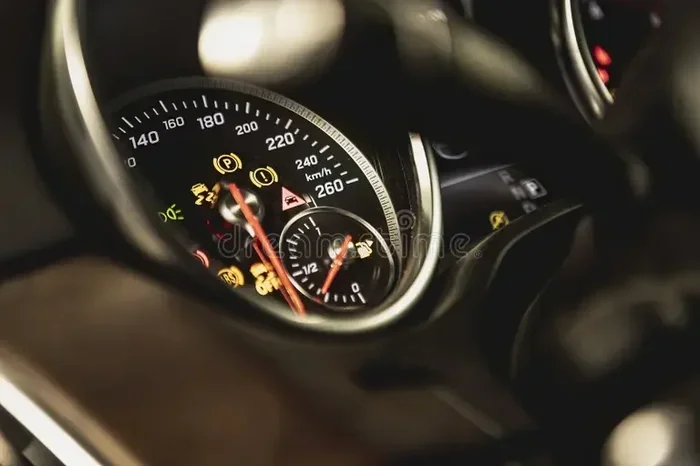
The maintenance required light is a dashboard indicator that tells you your car needs service soon. It is not the same as a red warning light like the check engine light or the oil pressure light. Those are emergencies. The maintenance light is more of a heads-up.
Most car manufacturers program this light to come on based on a set service interval. For many vehicles, this happens every 5,000 to 7,500 miles. The light is part of the maintenance reminder system, which tracks your mileage and alerts you when it is time for oil changes, tire rotations, fluid checks, and other routine tasks.
How the Maintenance Reminder System Works
Modern cars have onboard computers that track your driving habits and mileage. When the car reaches a certain mileage threshold, it triggers the maintenance required light. Some systems also consider driving conditions like short trips, heavy traffic, or towing.
Here is a simple way to think about it. Your car has a built-in calendar for car care. When the date (or mileage) arrives, it sends you a notification. Just like you would not ignore a birthday reminder forever, you should not ignore this light either.
Different brands use different names for this light. You might see “Maintenance Required,” “Service Due,” “Inspect Engine,” or just a wrench icon. They all mean roughly the same thing: your car needs attention soon.
Can You Still Drive When It Says Maintenance Required?
Yes, you can still drive when the maintenance required light is on. This is the most important thing to know. The light does not mean your car is going to stop working. It means you should schedule car service at your earliest convenience.
However, there is a big difference between “you can drive” and “you should drive for miles and miles without servicing.” Let us look at how far you can safely go.
How Far Can You Drive After the Light Comes On?
Most mechanics agree that you can drive between 100 and 300 miles after the maintenance required light turns on. But this depends on several factors:
- The type of service due: If it is just an oil change, you have more flexibility. If the light is tied to a major inspection, you should not wait.
- Your driving conditions: Stop-and-go city driving puts more stress on your engine than highway driving.
- The age and condition of your car: Older vehicles or those with high mileage may need service sooner.
- Other warning signs: If you notice strange noises, reduced power, or fluid leaks, do not wait at all.
Think of it this way. If you ignore the light for a few days and get it serviced within a reasonable distance, your car will be just fine. But if you push it for thousands of miles, you are asking for trouble.
For comparison, consider what happens when you try to drive 10 miles on empty. You can do it, but it is not great for your fuel pump. Similarly, you can drive with the maintenance required light on, but it is not ideal to delay too long.
What Happens If You Ignore the Maintenance Required Light?
Ignoring the maintenance required light might feel harmless at first. But over time, skipping scheduled vehicle maintenance can lead to real problems. Here is what can go wrong.
Engine Damage from Neglected Oil Changes
The most common reason for the maintenance required light is an overdue oil change. Oil lubricates your engine’s moving parts. When oil gets old, it breaks down and loses its effectiveness. Dirty oil causes more friction, more heat, and more wear on your engine.
If you ignore this for too long, you could face serious car repair costs. In the worst case, a seized engine can cost thousands of dollars to fix. A simple oil change costs a fraction of that.
Reduced Fuel Economy
When your car is not properly maintained, it does not run efficiently. Dirty air filters, old spark plugs, and low fluid levels all hurt your fuel economy. You will notice it at the pump. You will be filling up more often, which adds up fast.
Roadside Breakdowns
One of the scariest outcomes of ignoring preventive maintenance is a roadside breakdown. A car that has not been serviced regularly is more likely to leave you stranded. And a breakdown on a busy highway is dangerous, expensive, and stressful.
Regular car inspection and maintenance schedule follow-ups help prevent these situations. A well-maintained car is a reliable car.
Voided Warranty
If your car is still under warranty, skipping recommended manufacturer recommended maintenance can void that warranty. This means you would have to pay for all repairs out of pocket. That is a risk not worth taking.
How to Reset the Maintenance Required Light
Once you have taken your car in for service, you will want to reset the maintenance required light. The process varies by car brand, but here are the general steps for some common vehicles.
Resetting the Light on a Toyota
- Turn the ignition to the “ON” position without starting the engine.
- Press the trip meter reset button until the mileage display appears.
- Turn the ignition to the “OFF” position.
- Hold the trip meter reset button and turn the ignition back to “ON.”
- Keep holding the button until the light resets and the display shows “000000.”
Resetting the Light on a Honda
- Turn the ignition to the “ON” position (do not start the engine).
- Press and hold the trip meter select/reset button on the steering wheel.
- Turn the ignition to the “OFF” position, then back to “ON” while still holding the button.
- Release the button when the maintenance light starts to blink.
- Press and release the button again to confirm the reset.
Resetting the Light on a Ford
- Use the steering wheel controls to navigate to the vehicle information menu.
- Scroll to “Settings” and then “Vehicle Maintenance.”
- Select “Reset Maintenance Required” and confirm.
When to Seek Professional Help for Resetting
If you are not comfortable resetting the light yourself, you can always visit a mechanic or dealership. Many service centers will reset the maintenance required light for free when you get your car serviced. Just make sure the service was actually performed before asking them to reset it.
Also, be careful about resetting the light without actually doing the service. Some people try to do their own car diagnostics and reset the light to silence it. But this just masks the real issue and could lead to bigger problems down the road.
Common Mistakes People Make When the Maintenance Light Comes On
There are some mistakes that drivers make all the time when the maintenance required light appears. Avoiding these can save you time, money, and headaches.
Mistake 1: Ignoring the Light Completely
The biggest mistake is simply ignoring the light and hoping it goes away. It will not. The light will stay on, and your car will continue to deteriorate if it is not serviced. Set a reminder to book a service appointment within the next week or two.
Mistake 2: Confusing It with the Check Engine Light
The maintenance required light and the check engine light are not the same. The check engine light indicates a specific problem that needs immediate attention. The maintenance light is a general reminder. But if both lights come on at the same time, do not ignore either one.
Mistake 3: Resetting Without Servicing
Some drivers reset the light just to get rid of it. This is a bad habit. The light came on for a reason. Resetting it without addressing the underlying need just delays necessary car maintenance.
Mistake 4: Not Keeping a Maintenance Log
Keeping track of your car service history helps you stay on top of your vehicle’s needs. Use a simple notebook or a phone app to record every oil change, tire rotation, and inspection. This makes it easy to see patterns and stay ahead of the next service.
Tips to Keep Your Car in Great Shape Between Services
Even when the maintenance required light is not on, you should take good care of your car. Here are some simple tips that make a big difference.
- Check your oil level regularly: A quick dipstick check once a month can catch low oil before it causes damage.
- Keep your tires properly inflated: Underinflated tires reduce fuel economy and wear out faster.
- Watch your fluid levels: Coolant, brake fluid, and transmission fluid all need to be at the right levels.
- Listen to your car: Unusual sounds, vibrations, or smells are warning signs. Do not ignore them.
- Follow the maintenance schedule in your owner’s manual: This is your car’s blueprint for long-term reliability.
If you are also wondering about other driving-related topics, you might want to check out whether you are supposed to drive with high beams on for safe nighttime driving habits.
And if you are doing your own car work, remember that installing splash guards yourself is a great way to protect your vehicle from road debris between scheduled services.
How Often Should You Really Service Your Car?
The answer depends on your vehicle, your driving habits, and the type of service. Most manufacturers recommend two types of maintenance schedules:
- Normal service schedule: For drivers who commute in good conditions, usually every 7,500 to 10,000 miles.
- Severe service schedule: For drivers who frequently drive in stop-and-go traffic, tow heavy loads, or drive in extreme temperatures. This schedule usually calls for service every 3,000 to 5,000 miles.
Check your owner’s manual to determine which schedule applies to you. And remember, the maintenance required light is your best friend. It is designed to keep you on track with your preventive maintenance routine.
Some modern vehicles have condition-based maintenance systems. These systems actually monitor your driving patterns and adjust the service reminder accordingly. They are smarter than simple mileage counters and can give you a more accurate picture of when your car truly needs attention.
The Cost of Skipping Maintenance vs. Staying on Schedule
Let us talk numbers for a moment. Staying on top of your maintenance schedule costs money, but it costs far less than the alternative.
- An oil change: $40 to $70 every few thousand miles.
- A neglected engine: $3,000 to $7,000 for a rebuild or replacement.
- A brake job done on time: $150 to $300 per axle.
- A brake job ignored until damage occurs: $500 or more, plus potential rotor replacement.
The math is clear. Preventive maintenance saves you real money. It also keeps your car safer and more reliable on the road.
Final Thoughts
So, can you still drive when it says maintenance required? Yes. You absolutely can. The light is a reminder, not a red alert. But that does not mean you should put off service for weeks or months. The best approach is simple: acknowledge the light, schedule a service appointment, and get your car the care it needs.
Taking care of your vehicle with regular car maintenance keeps it running strong for years to come. It also keeps you and your passengers safe on the road. Do not let a small dashboard light turn into a big problem. Act on it, and your car will thank you.
Frequently Asked Questions
How long can I drive with the maintenance required light on?
You can typically drive 100 to 300 miles after the light comes on without causing immediate harm to your vehicle. However, you should schedule service as soon as possible. The exact distance depends on what type of maintenance is due and your current driving conditions. If you notice any unusual symptoms, do not delay.
Is the maintenance required light the same as the check engine light?
No, they are not the same. The check engine light signals a specific problem that needs immediate attention, while the maintenance required light is a general reminder for routine car service. If both lights come on at the same time, you should address them promptly.
Can I reset the maintenance required light myself?
Yes, you can reset the light yourself on most vehicles using the controls on your dashboard or steering wheel. The exact steps vary by car brand and model. Just make sure you have actually completed the required service before resetting, or you will just be masking a real issue.
What happens if I never reset the maintenance required light?
If you never reset the light, it will simply stay on and remind you that service is overdue. It will not damage your car, but it can be annoying and distracting. More importantly, the underlying maintenance need does not go away just because the light is still on. Get your car serviced and then reset it.
Does the maintenance required light mean my car is broken?
Not at all. The light is a routine reminder, not an indicator of a broken car. It means your vehicle has reached a mileage or time threshold for scheduled preventive maintenance. Think of it as a nudge to take your car in for its regular checkup.
Will ignoring the maintenance required light void my warranty?
It can. If your car is still under warranty and you fail to follow the manufacturer recommended maintenance schedule, the manufacturer may deny warranty claims. Always keep records of your car service and follow the recommended maintenance schedule to protect your warranty coverage.
=== CONCLUSION ===
The maintenance required light is one of those dashboard features that many drivers either ignore or panic about. Neither reaction is ideal. Now that you understand what this light really means, you can respond with confidence. You can keep driving for a short distance, but you should not put off routine service for too long. Regular car maintenance is the foundation of a reliable, safe, and efficient vehicle. So the next time that light comes on, smile, make a service appointment, and take care of your car. It will reward you with years of dependable performance.