Can a Speedometer Be Changed From Kilometers to Miles
Yes, you can change your speedometer from kilometers to miles whether you have a digital or analog unit. This guide walks you through every method, from DIY calibration to professional replacement. We also cover costs, legal considerations, and common mistakes to avoid during the speedometer conversion process.
Key Takeaways
- Conversion is possible: Both analog and digital speedometers can be switched from KM to miles with the right tools and knowledge.
- Multiple methods exist: You can recalibrate, reprogram, or physically replace your speedometer depending on the type.
- Cost varies widely: DIY methods are cheap, while professional installation can range from $50 to $500 or more.
- Legal rules apply: Some regions require speedometers to display local units. Always check your local laws before making changes.
- Accuracy matters: A poorly done conversion can lead to speedometer error and potential fines.
- Digital units are easier: Reprogramming a digital speedometer is simpler than recalibrating an analog one.
- Professional help is recommended: If you are unsure, a mechanic can ensure a clean and legal conversion.
📑 Table of Contents
- Can a Speedometer Be Changed From Kilometers to Miles? A Complete Guide
- Why Would You Change a Speedometer from KM to Miles?
- Types of Speedometers and How They Affect Conversion
- Methods to Change Your Speedometer from KM to Miles
- Cost of Changing a Speedometer from KM to Miles
- Legal Considerations and Local Laws
- Step-by-Step: Converting an Analog Speedometer from KM to Miles
- Step-by-Step: Reprogramming a Digital Speedometer from KM to Miles
- Tips for Ensuring Speedometer Accuracy After Conversion
- When Should You Hire a Professional?
- Conclusion
Can a Speedometer Be Changed From Kilometers to Miles? A Complete Guide
Driving a car with a speedometer that shows kilometers when you think in miles can be confusing. Maybe you imported a vehicle from Europe. Or perhaps you simply prefer tracking your speed in mph. Whatever the reason, you are not alone. Many drivers ask the same question: can a speedometer be changed from KM to miles?
The short answer is yes. You absolutely can make this change. But the process depends on your vehicle, the type of speedometer you have, and your comfort level with car electronics. This guide covers everything you need to know. We will walk you through methods, costs, legal concerns, and practical tips. By the end, you will feel confident about making this speedometer conversion yourself or hiring someone to do it for you.
Why Would You Change a Speedometer from KM to Miles?
Before we dive into the how, let us talk about the why. Understanding your reasons helps you pick the best method.
Imported Vehicles
Many cars sold in Europe or Asia come with km/h displays. If you import one into a country that uses miles per hour, you need a conversion. This is the most common reason drivers seek this change.
Personal Preference
Some drivers grew up reading miles. Others have passengers who only understand mph. A speedometer replacement to miles can make driving more comfortable for everyone.
Fleet and Business Use
Companies that operate vehicles across countries may need standardized vehicle speedometer readings. Consistency helps with logging, payroll, and compliance.
Restoring Classic Cars
Classic car enthusiasts often restore dashboards to match the original factory specs. If your car was originally a miles-based model, you may want to bring it back to its speedometer dial roots.
Types of Speedometers and How They Affect Conversion
Not all speedometers work the same way. The type installed in your car determines how you can change it from km/h to mph.
Analog Speedometers
These are the older, mechanical types. They use a cable connected to the transmission. The cable spins a magnet inside the gauge. An analog speedometer requires physical recalibration. You may need to swap the speedometer gear or adjust the needle placement.
Digital Speedometers
Modern cars mostly use digital displays. These get their data from a speed sensor near the transmission. The computer processes the signal and shows the speed on a screen. Changing a digital speedometer is usually easier. You can often reprogram it through the car settings or with diagnostic tools.
Hybrid Speedometers
Some vehicles have a needle on a digital background. These are trickier. They combine electronic sensors with mechanical movement. You may need a mechanic for this type. The instrument cluster often requires full replacement or specialized software.
Methods to Change Your Speedometer from KM to Miles
Now let us look at the actual methods. Each one suits a different situation and skill level.
Method 1: Recalibration Through Car Settings
Some newer vehicles allow you to change units in the infotainment menu. Check your owner manual. Navigate to settings, then display or instrument cluster. Look for units and switch from metric to imperial. This is the easiest fix. It takes just a few minutes and costs nothing.
Quick Tip: Not all manufacturers offer this option. Some lock the units setting. If you cannot find it, move to another method below.
Method 2: Reprogramming with Diagnostic Tools
For digital units, a diagnostic tool can access the speedometer calibration settings. OBD-II scanners and brand-specific software let you change the reading. Here is a basic process:
- Connect the diagnostic tool to your OBD port.
- Access the instrument cluster settings.
- Find the speed unit or scaling option.
- Change the value from metric to imperial.
- Save the changes and test drive.
Be careful here. A wrong value creates a speedometer error. Your speed reading could be off by a large margin. Always double-check the conversion ratio before saving.
Method 3: Physical Replacement of the Speedometer
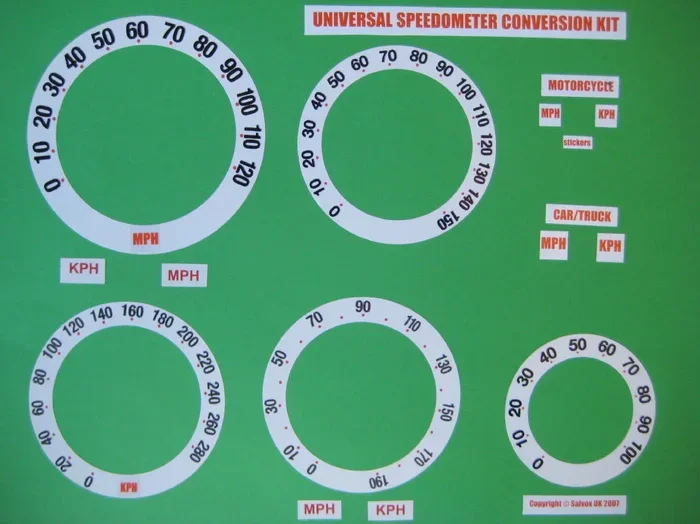
Sometimes recalibration is not possible. In that case, you replace the entire speedometer unit. You buy a miles-based gauge that fits your vehicle. This method works well for analog systems. It also works when the digital unit cannot be reprogrammed.
Steps for physical replacement include:
- Purchase a compatible replacement gauge.
- Remove the old instrument cluster.
- Disconnect the speed sensor cable or wiring.
- Install the new unit and reconnect everything.
- Test the reading against a known distance.
This method costs more. But it gives you a clean, accurate result. Many drivers prefer this for older cars with cable-driven systems.
Method 4: Professional Calibration Service
If you are not comfortable doing it yourself, take your car to a specialist. Many auto electricians and mechanics offer speedometer repair and calibration. They have the tools and experience to get it right. They also handle any coding needed for modern vehicles.
Cost of Changing a Speedometer from KM to Miles
Your budget matters. Here is a breakdown of what you can expect to spend.
DIY Costs
If you do it yourself, costs are low. A basic OBD-II scanner runs $20 to $50. Software for reprogramming may be free or cost around $30. Replacement analog gauges range from $50 to $200 depending on quality and brand.
Professional Costs
Labor rates vary. A simple recalibration might cost $50 to $100. Full unit replacement can reach $300 to $500 or more. Luxury and European cars often cost higher due to complex instrument cluster systems. Always ask for a quote upfront.
Cost Comparison Table
| Method | Estimated Cost | Difficulty Level | Time Required |
|---|---|---|---|
| Car Settings Change | Free | Very Easy | 5 minutes |
| OBD Reprogramming | $30 to $100 | Moderate | 30 minutes |
| Analog Gear Swap | $50 to $150 | Moderate to Hard | 1 to 2 hours |
| Full Unit Replacement | $100 to $500 | Hard | 2 to 4 hours |
| Professional Service | $75 to $500+ | Varies | 1 to 3 hours |
Legal Considerations and Local Laws
Before you touch your speedometer, think about the law. Rules differ by country and even by state or province.
United States and Imperial Countries
In the US, speedometers must display mph in most states. Federal regulations require vehicles sold domestically to show miles per hour. If your car was imported and still shows km/h, you may need to fix it to comply with local law.
European and Metric Countries
In Europe, the law requires km/h on the speedometer. Changing to miles could cause legal problems during inspections. Always check regulations before making any changes.
Insurance and Inspection Impact
An incorrect speedometer can affect your insurance. It may also cause your vehicle to fail an inspection. Some insurers consider a mismatched gauge a safety issue. Keep this in mind before proceeding with any speedometer conversion.
Common Legal Mistakes to Avoid
- Changing units in a country that requires metric display.
- Failing to update the odometer conversion after a speedometer change.
- Using non-certified replacement parts.
- Ignoring manufacturer warranty terms.
- Not recalibrating after a tire size change.
Step-by-Step: Converting an Analog Speedometer from KM to Miles
Analog speedometers need hands-on work. Here is a detailed walkthrough for this metric to imperial conversion.
Step 1: Identify Your Current Gear Ratio
Open the hood and locate the speedometer cable. Follow it to the transmission. Remove the cable from the transmission and note the gear attached. This gear determines the current reading. You need to know it before selecting a new one.
Step 2: Calculate the New Gear Ratio
The conversion from km/h to mph involves a ratio of roughly 0.6214. You can use online gear ratio calculators for speedometer accuracy. Input your tire size, axle ratio, and transmission gear. The calculator gives you the correct gear for miles per hour.
Step 3: Install the New Gear
Remove the old gear from the transmission output shaft. Snap in the new gear carefully. Make sure it sits flush and clicks into place. A loose gear causes inaccurate readings and wear.
Step 4: Test and Adjust
Drive a measured distance and compare your speedometer to a GPS device. If the reading is off slightly, you may need a different gear size. Small adjustments make a big difference. Aim for accuracy within 2 to 3 percent.
Expert Insight:
“Many people underestimate how much tire size affects the reading. Even a small change in tire dimensions can throw off your speedometer accuracy. Always recalibrate after any tire swap,” says Mike Reynolds, certified master mechanic with 22 years of experience.
Step-by-Step: Reprogramming a Digital Speedometer from KM to Miles
Digital systems offer more flexibility. Here is how to reprogram one for mph conversion.
Step 1: Check if Your Vehicle Supports Unit Switching
Look in your owner manual or settings menu. Some cars let you toggle units directly. If yours does, you are done in minutes. Simply navigate to the units section and select mph.
Step 2: Use an OBD-II Scanner
If manual switching is unavailable, grab an OBD-II scanner. Connect it to the port under your dashboard. Open the instrument cluster menu. Find the speed unit setting and change it to imperial. Save and exit. Some scanners also allow fine-tuning the scaling factor for better speedometer accuracy.
Step 3: Verify the Reading
After reprogramming, test the unit. Use a GPS app or drive a measured route. Compare the displayed speed with actual speed. Adjust the scaling factor if needed. This ensures your car shows a correct and legal car speedometer reading.
Common Mistakes During Digital Conversion
- Selecting the wrong scaling factor.
- Not saving changes before disconnecting the scanner.
- Ignoring warning lights after reprogramming.
- Changing settings on a moving vehicle.
- Using outdated or incompatible software.
Tips for Ensuring Speedometer Accuracy After Conversion
Getting the conversion done is only half the job. You also need to verify accuracy. Here are practical tips to keep your readings precise.
- Use a GPS device: A handheld GPS or smartphone app gives you a reliable reference. Compare it against your dashboard speed.
- Check tire size: Your tire size directly affects the speed reading. Confirm your tires match the factory spec. Any change requires recalibration.
- Recalibrate the odometer: A speedometer change often affects the odometer. Make sure both display correct values. An odometer conversion keeps your maintenance schedule on track.
- Test at multiple speeds: Check at 30, 60, and 90 units. Accuracy can vary at different speeds. Look for consistent error margins.
- Keep records: Document the changes you made. Save the gear ratios, software versions, and calibration data. This helps future troubleshooting.
When Should You Hire a Professional?
DIY works for many, but not every situation calls for it. Here are signs you should seek help.
- Your vehicle has a complex instrument cluster with coding requirements.
- You do not have the right diagnostic tools.
- The speedometer is still under manufacturer warranty.
- You tried recalibration and the readings remain inaccurate.
- Local laws require certified installation for unit changes.
Professional installers have branded diagnostic software. They can handle luxury and imported vehicles with ease. They also ensure compliance with safety and emission standards. Spending a bit more saves you from costly mistakes down the road.
Conclusion
So, can a speedometer be changed from KM to miles? Absolutely yes. Whether you drive a classic analog setup or a modern digital dashboard, options exist for every situation. You can switch units in your settings, reprogram with a scanner, swap gears, or replace the entire unit. Costs range from free to a few hundred dollars depending on the route you take.
Always think about speedometer accuracy and legal compliance before making changes. Test your readings after conversion. Use GPS verification. And when in doubt, consult a trusted mechanic. With the right approach, your speedometer replacement will give you clear, reliable mph readings every time you hit the road.
Now you have the knowledge to make this change confidently. Pick the method that fits your skills and budget. Your dashboard will thank you, and so will your understanding of the road ahead.
Frequently Asked Questions
How do I switch my speedometer from km/h to mph?
You can switch units through your car settings menu if it supports it. Otherwise, use an OBD-II scanner to reprogram the digital gauge. For analog speedometers, you need to change the gear ratio or replace the unit entirely. Each method depends on your vehicle type.
Is it legal to change a speedometer from kilometers to miles?
It depends on your location. In the US, vehicles are generally required to display mph. In European countries, km/h is required. Always check your local traffic and vehicle safety laws before making any changes to your vehicle speedometer display.
How much does it cost to convert a speedometer from KM to miles?
Costs vary widely. A settings change is free. OBD reprogramming costs $30 to $100. Analog gear swaps run $50 to $150. Full unit replacement can cost $100 to $500. Professional labor adds to these prices. Budget accordingly before starting your speedometer calibration project.
Can I change my digital speedometer without a mechanic?
Yes, in many cases you can. Modern cars often allow unit switching in the infotainment menu. You can also use an OBD-II scanner and compatible software. However, if your vehicle requires deep coding or specialized tools, a mechanic may be needed for a clean speedometer conversion.
Will changing my speedometer affect my odometer?
It can. Your speedometer and odometer share data from the same speed sensor. Changing units may alter the odometer reading as well. You may need an odometer conversion to keep accurate mileage records. This is important for maintenance tracking and resale value.
What happens if my speedometer is inaccurate after conversion?
An inaccurate speedometer can lead to speeding tickets or insurance issues. It also affects your driving decisions. If readings are off after conversion, double-check your gear ratio or scaling factor. Test with a GPS device. If problems persist, seek speedometer repair from a qualified professional.