Can I Still Drive With Oil Change Light On Warning
Yes, you can drive a short distance with the oil change light on, but you should not ignore it. The oil change light is a dashboard warning light that tells you it is time to service your vehicle. Driving too long with this light active can lead to serious engine damage and costly repairs. This guide covers everything you need to know about the oil change light, how long it is safe to drive, and what steps to take next.
You are driving down the road, and suddenly a yellow or orange light pops up on your dashboard. It looks like an oil can or says “OIL” or “CHANGE ENGINE OIL.” Your heart drops a little. You wonder, can I still drive with oil change light on? This is one of the most common questions car owners ask, and the answer is not as simple as yes or no.
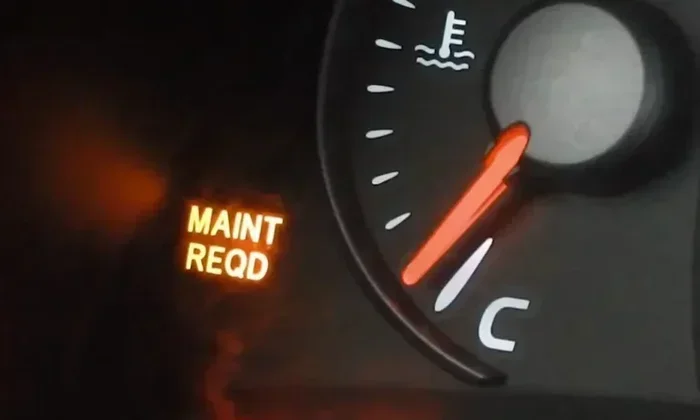
The oil change light is designed to remind you that your vehicle needs maintenance. It is part of the oil life monitoring system built into modern cars. When this light comes on, it means your car’s computer has determined that the oil life has been used up based on driving conditions, mileage, and engine hours. It does not necessarily mean your engine is about to fail, but it does mean you should take action soon.
In this article, we will walk you through everything you need to know about driving with the oil change light on. We will cover what the light means, how far you can safely drive, what happens if you ignore it, and the steps you should take to keep your engine healthy. Whether you are dealing with a check engine light alongside the oil warning or just trying to figure out your next move, this guide has you covered.
Key Takeaways
- Short drives are generally safe: You can usually drive 50 to 100 miles after the oil change light comes on, but this varies by vehicle.
- The light is a reminder, not an emergency: It is part of the oil life monitoring system and signals that maintenance is due.
- Ignoring the light can cause engine damage: Old or low oil leads to increased friction, overheating, and potential engine failure.
- Check your oil level manually: Use the dipstick to verify oil level and condition before deciding to keep driving.
- Reset the light after an oil change: Follow your vehicle manual to reset the oil change reminder properly.
- Know when to seek help: If the light flashes or you notice unusual engine sounds, stop driving and get professional assistance.
- Regular maintenance saves money: Staying on top of oil changes prevents expensive repairs and keeps your engine running smoothly.
📑 Table of Contents
- What Does the Oil Change Light Mean?
- Can You Really Drive With the Oil Change Light On?
- What Happens If You Ignore the Oil Change Light?
- What Should You Do When the Light Comes On?
- How Often Should You Change Your Oil?
- Can You Check and Change Oil Yourself?
- Common Myths About the Oil Change Light
- Conclusion
What Does the Oil Change Light Mean?
Understanding the Dashboard Warning Light
Every car has a set of dashboard warning lights that communicate important information. The oil change light is one of them. When you see it, your car is telling you that the oil in your engine has reached the end of its useful life. The computer calculates this based on a variety of factors, including your driving habits, engine temperature, and the number of miles you have driven.
It is important to understand that the oil change light is different from the oil pressure warning light. The oil pressure light is usually red and means your engine has low oil pressure right now. That is an emergency. The oil change light is typically yellow or orange and is more of a gentle reminder. It is part of the oil life monitoring system, which tracks the condition of your oil over time.
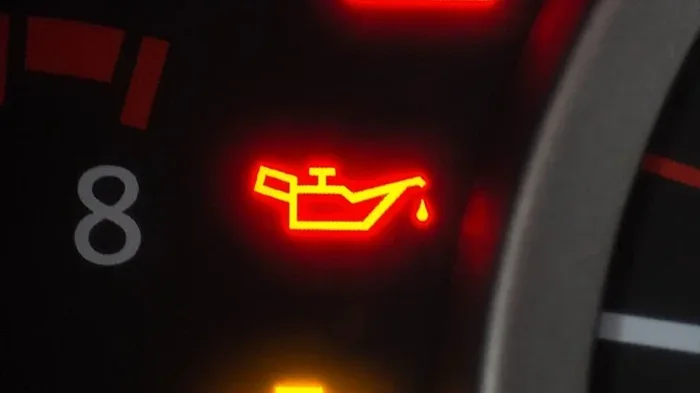
Some cars display a simple “CHANGE OIL” message on the digital dashboard. Others show an icon that looks like an oil can with a drip coming out of it. No matter the design, the message is the same: it is time to change your engine oil.
How the Oil Life Monitoring System Works
Modern vehicles use a sophisticated oil life monitoring system to track the health of your engine oil. This system does not just count miles. It looks at several factors to determine when the oil needs to be replaced:
- Engine revolutions: How often your engine starts and runs.
- Driving conditions: Stop-and-go traffic, towing, or extreme temperatures can shorten oil life.
- Engine temperature: High heat breaks down oil faster.
- Mileage driven: The primary factor in most systems.
- Time since last service: Some systems also account for the calendar date.
The system uses all of this data to calculate when your oil is no longer performing at its best. Once the calculation reaches a certain point, the oil change light turns on. This is your cue to schedule an oil change or perform the service yourself if you are comfortable doing so.
Can You Really Drive With the Oil Change Light On?
How Far Can You Go?
Here is the honest answer: you can drive a short distance after the oil change light comes on. Most manufacturers design the system to give you a buffer. In many vehicles, you can safely drive between 50 and 100 miles after the light activates. Some cars give you even more leeway, while others may be more insistent about getting you to a service center quickly.
However, the exact distance depends on several factors. Your driving style matters a lot. If you drive aggressively, tow heavy loads, or frequently travel in extreme heat, your oil degrades faster. In those conditions, you should not push the limit. If you drive gently on the highway in moderate weather, you might have a bit more room.
Think of it this way: the oil change light is like the low fuel light. You can usually drive a little bit after it comes on, but you should not make a habit of ignoring it. If you are planning a long road trip, it is best to address the light before you head out. The same logic applies if you are driving in heavy stop-and-go traffic or in very hot or cold weather. These conditions put extra stress on your engine and the oil inside it.
Factors That Affect How Long You Can Drive
Not all cars are the same, and not all driving situations are equal. Here are the key factors that influence how long you can safely drive with the oil change light on:
- Vehicle age and mileage: Older cars with higher mileage may need more frequent oil changes and less tolerance for delay.
- Oil type: Synthetic oil generally lasts longer than conventional oil, giving you a bit more time.
- Driving conditions: Severe driving conditions like towing, off-roading, or extreme temperatures shorten oil life.
- Engine condition: A well-maintained engine will handle delayed oil changes better than one that is already worn.
- Oil level: If your oil is also low, the situation becomes more urgent. Check the dipstick immediately.
Use these factors to make a smart decision. If you are unsure, it is always better to err on the side of caution and get the oil changed sooner rather than later.
What Happens If You Ignore the Oil Change Light?
The Risk of Engine Damage
Ignoring the oil change light is one of the most common mistakes car owners make. The problem is that engine oil does not just stop working the moment the light comes on. It gradually degrades. Over time, the oil loses its ability to lubricate, cool, and protect the engine components. This degradation happens slowly, which makes it easy to ignore at first.
But here is what happens when old oil does its job poorly:
- Increased friction: Metal parts inside the engine rub against each other without proper lubrication.
- Overheating: Old oil cannot absorb and transfer heat as effectively, leading to hot spots in the engine.
- Sludge buildup: Degraded oil forms sludge that clogs passages and restricts oil flow to critical engine parts.
- Increased wear and tear: Engine components wear out faster, shortening the overall life of your vehicle.
- Potential engine failure: In extreme cases, running out of effective oil can cause the engine to seize completely.
These problems do not happen overnight. But if you consistently ignore the oil change light and push thousands of miles past the recommended interval, you are setting yourself up for serious and expensive repairs. A new engine can cost thousands of dollars, while a routine oil change costs a fraction of that.
Warning Signs That You Are Too Late
Sometimes your car gives you additional signals that the situation is getting serious. Watch for these warning signs:
- Engine knocking or ticking sounds: This often means the oil is not reaching all the moving parts.
- Dark or gritty oil on the dipstick: Fresh oil is amber and smooth. Dark, gritty oil is old and worn out.
- Burning oil smell: This can indicate oil leaks or oil that has broken down from excessive heat.
- Reduced fuel efficiency: Old oil causes more friction, which means your engine works harder and uses more fuel.
- The oil pressure light comes on: This is a red flag. Stop driving immediately and check your oil level.
If you notice any of these signs, do not keep driving. Pull over safely and assess the situation. If you are not sure what to do, calling a tow truck or a mobile mechanic is a smart move. It is always better to be safe than to risk a blown engine.
What Should You Do When the Light Comes On?
Step-by-Step Action Plan
When the oil change light comes on, here is exactly what you should do:
- Do not panic: The light is a reminder, not an emergency (unless you also have the oil pressure light on).
- Check your oil level: Pull over to a safe spot, turn off the engine, and wait a few minutes. Then pull out the dipstick and check the oil level. If it is low, you may need to add oil before driving further.
- Inspect the oil color: Fresh oil is amber and translucent. Dark brown or black oil means it is time for a change.
- Schedule an oil change: Call your mechanic or dealership and book an appointment. Most oil changes take 30 minutes or less.
- Drive carefully: Until you get the oil changed, avoid aggressive driving, heavy loads, and long highway trips.
Can You Reset the Oil Change Light?
Yes, you can reset the oil change light after you have the oil changed. However, you should only reset it once the new oil is actually in the engine. Resetting the light without changing the oil defeats the entire purpose of the reminder system.
The reset process varies by vehicle. In most cars, you can reset the light by following these general steps:
- Turn the ignition to the “on” position (do not start the engine).
- Press the trip odometer button or the reset button on the instrument panel.
- Navigate to the oil life monitoring system menu.
- Select “Reset” or “Oil Life Reset.”
- Turn the ignition off and then back on to confirm the reset.
If you are not sure how to reset the light for your specific vehicle, check your owner’s manual or search online for instructions. Some vehicles also require a diagnostic tool to reset the system. If you have ever tried to do your own car diagnostics, you know that having the right tools makes a big difference. A simple OBD2 scanner can help you read and clear many dashboard warning lights.
How Often Should You Change Your Oil?
Traditional vs. Modern Oil Change Intervals
The old rule of thumb was to change your oil every 3,000 miles or three months, whichever came first. With advances in oil technology and engine design, that rule has changed for most modern vehicles. Today, many cars can go 5,000 to 7,500 miles between oil changes. Some vehicles with synthetic oil can even go 10,000 miles or more.
Here is a quick comparison of oil change intervals based on oil type:
- Conventional oil: Every 3,000 to 5,000 miles.
- Synthetic blend oil: Every 5,000 to 7,500 miles.
- Full synthetic oil: Every 7,500 to 10,000 miles or more.
Always check your vehicle owner’s manual for the manufacturer’s recommended interval. The manual will also specify the correct oil type and viscosity grade for your engine. Using the wrong oil can lead to poor engine performance and may even trigger warning lights on your dashboard.
Driving Habits That Affect Oil Life
Your driving habits play a big role in how quickly your oil degrades. Here are some factors that can shorten your oil change interval:
- Short trips: Frequent short drives do not allow the engine to reach full operating temperature, which causes moisture and fuel to contaminate the oil.
- Towing or hauling: Extra weight puts more stress on the engine and breaks down oil faster.
- Extreme temperatures: Both very hot and very cold climates can degrade oil more quickly.
- Dusty or dirty conditions: Driving on unpaved roads or in areas with a lot of dust can introduce contaminants into the engine.
- Stop-and-go traffic: Frequent idling and low-speed driving increase engine wear and oil contamination.
If any of these describe your typical driving, you may need to change your oil more frequently than the standard interval. Your vehicle’s oil life monitoring system should account for some of these factors, but it is still a good idea to be proactive about your maintenance schedule.
Can You Check and Change Oil Yourself?
DIY Oil Change Basics
Many car owners choose to change their own oil to save money and learn more about their vehicle. If you are handy and have a basic set of tools, an oil change is one of the most manageable DIY car maintenance tasks you can do. You will need a few basic supplies:
- The correct type and amount of engine oil for your vehicle.
- A new oil filter.
- A socket wrench and oil filter wrench.
- A drain pan to catch the old oil.
- A jack and jack stands or ramps.
- Gloves and safety glasses.
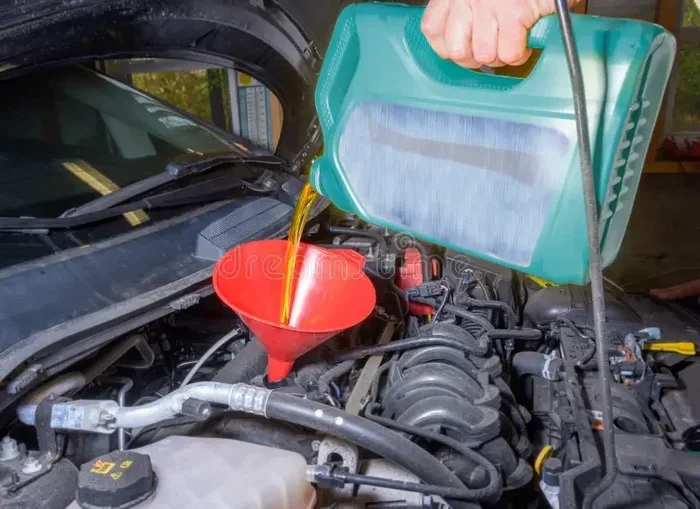
Before you start, make sure the engine is warm but not hot. Running the engine for a few minutes helps the oil flow more easily. Then, jack up the vehicle, locate the oil drain plug, and let the old oil drain into the pan. Replace the drain plug, remove the old oil filter, install the new one, and pour in the fresh oil. Finally, check the oil level with the dipstick and reset the oil change light if needed.
When to Leave It to the Professionals
While DIY oil changes are great for many people, there are times when it is better to leave the job to a professional. If your vehicle has a difficult-to-access oil filter or drain plug, or if you are not comfortable working underneath the car, a professional oil change is the safer choice. Additionally, many quick-lube shops will check other fluid levels, tire pressure, and basic components as part of the service, giving you a broader picture of your vehicle’s health.
If you are ever unsure about a warning light or a strange noise, it is always a good idea to get a second opinion. You do not need to be a mechanic to be a smart car owner. Sometimes a simple car diagnostic check can reveal issues that are not visible to the naked eye. Just as you would check if you can install splash guards yourself or troubleshoot other minor issues, knowing your limits as a DIYer is part of being a responsible vehicle owner.
Common Myths About the Oil Change Light
Myth 1: The Light Means Your Oil Is Completely Gone
This is one of the biggest misconceptions. The oil change light does not mean you are out of oil. It means the oil has reached the end of its useful life and needs to be replaced. Your oil level could still be full, but the oil itself has degraded and is no longer providing adequate protection.
Myth 2: You Can Ignore the Light Until the Next Scheduled Service
While the light is not an immediate emergency (unless paired with the oil pressure light), you should not simply ignore it until your next scheduled service. The whole point of the light is to remind you to take action. Pushing it too far can lead to the problems we discussed earlier.
Myth 3: All Oil Change Lights Are the Same
Different manufacturers use different systems and light designs. Some use a mileage-based counter, while others use a time-based algorithm. Some vehicles have a simple “CHANGE OIL” message, while others use a more complex oil life monitoring system that factors in driving conditions. Always refer to your owner’s manual to understand exactly what your vehicle’s system does.
Conclusion
The oil change light is one of the most important dashboard warning lights your car can display. When it comes on, it is your vehicle telling you that it is time for an oil change. You can drive a short distance after the light activates, typically between 50 and 100 miles, but you should not make a habit of ignoring it. Prolonged neglect can lead to engine damage, reduced fuel efficiency, and expensive repairs.
Take a moment to understand your vehicle’s oil life monitoring system. Check your oil level regularly, follow the manufacturer’s recommended oil change schedule, and never hesitate to seek professional help if you are unsure. A little attention to your car’s maintenance needs goes a long way in keeping it running smoothly for years to come. Whether you handle the oil change yourself or visit a mechanic, the key is to act promptly when that light comes on.
Your car works hard for you every day. Showing it a little care in return is the best way to protect your investment and keep your engine healthy. So next time you see that oil change light on your dashboard, do not ignore it. Take action, stay safe, and keep your engine running strong.
Frequently Asked Questions
How long can I drive with the oil change light on?
Most vehicles allow you to drive between 50 and 100 miles after the oil change light comes on. However, this varies by vehicle model, driving conditions, and oil type. It is best to get the oil changed as soon as possible rather than pushing the limit.
Is the oil change light the same as the check engine light?
No, the oil change light specifically indicates that your oil needs to be replaced. The check engine light can signal a wide range of issues, from a loose gas cap to serious engine problems. If both lights come on at the same time, it is important to address the issue promptly.
Can low oil cause the oil change light to come on?
Some vehicles may trigger the oil change light if the oil level drops significantly. However, in most cases, the light is tied to the oil life monitoring system and indicates that the oil has reached the end of its useful life, not necessarily that it is low.
What should I do if the oil change light flashes instead of staying solid?
A flashing oil change light usually indicates a more urgent situation. While a solid light is a reminder, a flashing light may suggest a more serious problem with your oil system. Stop driving safely and check your oil level, or seek professional assistance immediately.
Does synthetic oil make the oil change light come on less often?
Yes, synthetic oil generally lasts longer than conventional oil, which means the oil life monitoring system may take longer to trigger the light. However, you should still follow your vehicle manufacturer’s recommended interval and not rely solely on how the light behaves.
Can I reset the oil change light without changing the oil?
You can reset the light mechanically, but doing so without actually changing the oil is not recommended. The light will come back on once the system recalculates the oil life. More importantly, skipping the oil change means your engine is not getting the fresh oil it needs to operate properly.
=== INTERNAL LINKS ===
For more information about car maintenance and understanding your vehicle, check out these helpful resources: