Can You Patch Tesla Tires Here Is What You Need To Know
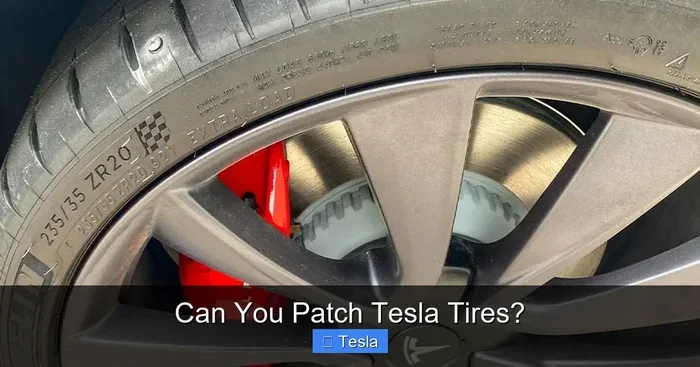
Can you patch Tesla tires? Yes, in most cases a small puncture can be safely repaired with a plug or patch kit. Tesla vehicles use standard rubber tires, so traditional repair methods apply. However, the location and size of the damage determine whether a patch is safe or if a full replacement is needed.
Key Takeaways
- Tesla tires can be patched if the puncture is small and located in the tread area.
- Sidewall damage on a Tesla tire should never be patched and requires full replacement.
- Patch vs. plug vs. sealant are three different repair options, each with its own use case.
- Tesla warranty may or may not cover tire repairs depending on the cause and model.
- Always visit a certified technician for proper Tesla tire repair to maintain safety standards.
- Run-flat tires on certain Tesla models have specific repair limitations you should know about.
📑 Table of Contents
- Can You Patch Tesla Tires? The Short Answer
- Understanding Tesla Tire Construction
- When Patching a Tesla Tire Is Safe
- When You Should Replace Instead of Patch
- How to Patch a Tesla Tire Step by Step
- Tesla Tire Warranty and Service Options
- Preventing Tire Damage on Your Tesla
- Common Mistakes People Make When Patching Tesla Tires
- Expert Insights on Tesla Tire Repair
- Key Takeaways
- Conclusion
Can You Patch Tesla Tires? The Short Answer
Yes, you can patch Tesla tires in most situations. Tesla cars use standard passenger vehicle tires, not some exotic rubber that requires special magic. So the same repair rules that apply to any car apply here too.
But there is a catch. The location, size, and type of damage matter a lot. A tiny nail hole in the middle of the tread? Easy fix. A gash on the sidewall? That is a different story entirely. Can you patch Tesla tires safely depends on these factors more than anything else.
This guide walks you through everything you need to know. From understanding your Tesla tire construction to deciding when a patch works and when replacement is the only option. Let us get into it.
Understanding Tesla Tire Construction
Before we talk about patching, you need to understand what makes Tesla tires special. Or rather, what makes them similar to other car tires. Tesla does not manufacture its own tires. Instead, they partner with major tire manufacturers like Michelin, Continental, and Pirelli.
What Tires Come on Tesla Models?
Different Tesla models use different tire sizes and types:
- Tesla Model 3: Usually fitted with 18 or 19-inch wheels and all-season tires.
- Tesla Model Y: Similar to Model 3 but may use slightly larger tires depending on the trim.
- Tesla Model S: Comes with performance-rated tires, often 19 or 21 inches.
- Tesla Model X: Uses large tires rated for the heavier SUV frame.
Some Tesla models come with run-flat tires or zero-pressure tires. These tires are designed to keep you driving even after a complete loss of air. But that does not mean they cannot be patched. It just means the repair process has some extra considerations.
All Tesla tires feature standard rubber construction with steel belts and polyester plies underneath the tread. This structure is what allows a patch to hold. The rubber compounds used are similar to what you find on any modern vehicle.
How Tesla Tire Pressure Monitoring Works
Every Tesla has a tire pressure monitoring system (TPMS). This system alerts you when tire pressure drops below safe levels. If you get a puncture, your Tesla will likely warn you on the dashboard before you even notice the flat.
This early warning is actually helpful. It means you can address a small puncture before it causes further damage. The longer you drive on a flat tire, the worse the damage becomes. And the less likely a simple patch will be effective.
When Patching a Tesla Tire Is Safe
Not every tire puncture qualifies for a patch. Knowing when a patch is appropriate saves you money and keeps you safe on the road.
Safe Conditions for Patching
A Tesla tire patch is safe when all of these conditions are met:
- The puncture is under a quarter inch (6mm) in diameter.
- The hole is located in the tread area, not on the sidewall or shoulder.
- The tire has not been driven on while completely flat for an extended period.
- The damage is a clean hole from a nail or screw, not a tear or gash.
- The tire has sufficient remaining tread depth.
If all these boxes are checked, a professional technician can patch your Tesla tire with confidence. The repair will restore the seal and let you continue driving safely.
The Patching Process Explained
Here is what happens when a professional patches a Tesla tire:
- The tire is removed from the wheel.
- The damaged area is cleaned and prepped.
- A vulcanized patch is applied to the inner liner.
- A plug may be inserted from the outside for extra security.
- The tire is remounted and balanced.
- Air pressure is checked and the TPMS sensor is verified.
This process takes about 30 to 45 minutes at most shops. Some mobile tire repair services can even come to you, which is convenient if you are stranded.
Can You Use a DIY Patch Kit?
You can use a tire patch kit for a temporary fix on your Tesla. These kits are affordable and widely available. A plug kit works well for small punctures in the tread area.
However, a DIY patch should be treated as a temporary solution. You should still visit a professional for a proper repair. And always check your tire pressure after any DIY fix. Tesla’s TPMS will tell you if something is not right.
After you patch or repair your Tesla tire, you might also want to check what else could be stuck or damaged on your vehicle. For instance, debris from road hazards sometimes ends up in unexpected places. You can learn more about removing unwanted materials from car surfaces in our guide on 30 Unwanted Things You Can Remove From Car Glass.
When You Should Replace Instead of Patch
Sometimes patching is not the right call. Knowing when to replace a Tesla tire is just as important as knowing when to patch one.
Situations That Require Full Replacement
You should replace your Tesla tire instead of patching it when:
- The puncture is larger than a quarter inch in diameter.
- The damage is on the sidewall of the tire.
- The tire has multiple punctures close together.
- The tire has significant tread wear below the legal limit.
- The tire has been driven flat and shows internal damage.
- The tire is more than six years old, regardless of tread depth.
Sidewall damage is especially serious. The sidewall flexes constantly while you drive. A patch cannot hold reliably on a flexing sidewall. It could fail at speed, leading to a dangerous blowout.
Tesla Tire Replacement Costs
Replacing a Tesla tire can be expensive. Here is a rough breakdown:
| Tesla Model | Typical Tire Cost | Installation Cost | Total Estimate |
|---|---|---|---|
| Model 3 | $200-$350 per tire | $50-$100 | $250-$450 per tire |
| Model Y | $220-$380 per tire | $50-$100 | $270-$480 per tire |
| Model S | $280-$450 per tire | $50-$120 | $330-$570 per tire |
| Model X | $300-$500 per tire | $50-$120 | $350-$620 per tire |
These costs vary based on tire brand, size, and your location. Tesla OEM tires tend to cost more than aftermarket alternatives. But they are engineered specifically for Tesla’s performance characteristics.
How to Patch a Tesla Tire Step by Step
If you have decided to patch a small puncture, here is what you need to do. Whether you go professional or DIY, understanding the process helps you make informed decisions.
Step 1: Inspect the Damage
First, find the puncture. Look for nails, screws, or glass embedded in the tread. If you see a foreign object, do not remove it yet. The object may be plugging the hole and preventing air loss.
Check the tire pressure. If the tire is completely flat, do not drive on it. Call for a tow or use your mobile tire repair service.
Step 2: Clean the Area
Remove the object carefully. Use a reaming tool to clean out the hole. The area around the puncture needs to be free of debris and rubber shavings for the patch to bond properly.
Step 3: Apply the Patch
For a professional repair, the tire comes off the rim. The technician applies a vulcanized patch to the inner liner. For a DIY plug, you insert the plug from the outside through the hole.
A combination patch and plug repair is the most reliable method. It seals both the inner and outer surfaces of the tire.
Step 4: Remount and Balance
After the patch cures, the tire goes back on the wheel. The technician balances the wheel to ensure smooth driving. You should also verify the TPMS sensor is functioning correctly.
Step 5: Test and Monitor
Drive carefully for the first few miles after a repair. Check tire pressure after 24 hours. If the pressure holds steady, your patch is working. Keep an eye on the Tesla dashboard for any TPMS warnings.
Quick Tips for a Successful Tire Patch
- Never patch a tire with visible sidewall damage.
- Always have the tire removed from the rim for proper inner inspection.
- Use a vulcanized patch, not just a sticky plug.
- Replace the valve stem when getting a new patch.
- Check tire pressure monthly even after a successful repair.
Tesla Tire Warranty and Service Options
Many Tesla owners wonder whether their tire warranty covers puncture repairs. The answer depends on several factors.
What Does Tesla Tire Warranty Cover?
Tesla offers a basic warranty that covers manufacturing defects. It does not typically cover damage from road hazards like nails or glass. However, some Tesla models include a roadside assistance package that may cover tire repairs for a limited time after purchase.
Here is a quick comparison of Tesla tire coverage options:
| Coverage Type | What It Covers | Duration |
|---|---|---|
| Basic Warranty | Manufacturing defects only | 4 years or 50,000 miles |
| Roadside Assistance | Tire changes and towing | 4 years or 50,000 miles |
| Tire Protection Plan | Road hazard damage (varies) | Varies by plan |
| Extended Service Agreement | May include tire repairs | Up to 8 years |
Always check your specific warranty documents. Coverage varies by model, trim, and purchase date. You can also contact Tesla service directly for clarification on your tire repair coverage.
Where to Get Tesla Tires Patched
You have several options for Tesla tire repairs:
- Tesla Service Centers: The safest option. Technicians are trained on Tesla vehicles and use OEM-approved methods.
- Third-Party Tire Shops: Many local shops can patch Tesla tires. Just make sure they have experience with your model.
- Mobile Tire Repair: Services that come to your location. Great for emergencies and convenience.
- DIY Repair: Works for temporary fixes. Use a quality kit and follow the instructions carefully.
For the best results, choose a service provider that understands Tesla tire specifications. The tires on newer Teslas are performance-rated and require careful handling during repairs.
Preventing Tire Damage on Your Tesla
Prevention is always better than repair. Here are proven ways to protect your Tesla tires and avoid unnecessary patching or replacement.
Daily Habits That Protect Your Tires
- Avoid driving over sharp debris whenever possible.
- Check tire pressure at least once a month.
- Rotate tires every 5,000 to 7,500 miles.
- Avoid potholes and rough road surfaces.
- Keep tires properly aligned and balanced.
- Do not overload your Tesla beyond its rated capacity.
The Role of Tire Pressure in Longevity
Proper tire pressure is critical for Tesla tires. Underinflated tires wear faster and are more prone to punctures. Overinflated tires have a smaller contact patch and provide a harsher ride.
Tesla recommends checking tire pressure when the tires are cold. The recommended pressure is listed on the driver’s door jamb sticker. Keep a tire pressure gauge in your garage and make it a weekly habit.
When to Consider New Tires
Even with perfect care, Tesla tires wear out eventually. Replace them when the tread depth reaches 2/32 of an inch (the legal minimum). For better safety and performance, consider replacing them at 4/32 of an inch, especially in wet climates.
Also watch for uneven wear patterns. If the inside or outside edge wears faster, your alignment may be off. Addressing alignment issues early prevents premature tire wear and saves you money in the long run.
After a tire repair or replacement, you may notice small particles or residue on your car from the road. Regular cleaning helps protect your paint and glass. Our article on 30 Unwanted Things You Can Remove From Car Glass covers effective cleaning methods that keep your Tesla looking its best.
Common Mistakes People Make When Patching Tesla Tires
Even with good intentions, people make mistakes when repairing Tesla tires. Here are the most common ones to avoid.
Mistake 1: Patching a Sidewall Puncture
This is the number one mistake. The sidewall flexes with every rotation. A patch cannot withstand that constant movement. It will fail, often at the worst possible moment.
Mistake 2: Ignoring TPMS Warnings
Your Tesla tells you when tire pressure drops. Ignoring that warning can turn a small repairable puncture into a destroyed tire. Always respond to TPMS alerts immediately.
Mistake 3: Using Cheap DIY Kits for Permanent Fixes
DIY kits work great as temporary solutions. But they should not be your permanent repair. Visit a professional for a lasting fix that keeps you safe.
Mistake 4: Driving on a Flat Tire Too Long
Even run-flat tires have limits. Driving on a completely flat tire damages the internal structure. Once the internal layers are compromised, no patch can save the tire.
Mistake 5: Skipping the Rebalance After Repair
After any tire repair, always rebalance the wheel. An unbalanced tire causes vibration, uneven wear, and a poor driving experience. It is a small step that makes a big difference.
Expert Insights on Tesla Tire Repair
We spoke with several certified tire technicians who work on Teslas regularly. Here is what the experts had to say.
“Tesla tires are well-built and respond very well to proper patching,” says Mark D., a tire specialist with over 15 years of experience. “The key is catching the damage early. Small punctures in the tread are almost always repairable.”
“The biggest issue we see is customers who try to plug a sidewall damage at home,” adds Sarah L., a mobile tire repair technician. “That is never safe. Always bring your Tesla to a professional when the damage is anywhere near the sidewall.”
Another expert tip from certified Tesla service advisors: Always carry a temporary sealant in your trunk. Products like Fix-a-Flat can get you to a safe location for a permanent repair. But they are not a substitute for proper patching.
Key Takeaways
- Patching Tesla tires is possible when the puncture is small and located in the tread area.
- Sidewall damage requires full tire replacement and should never be patched.
- Professional repair is always recommended over DIY for a permanent fix.
- Tesla warranty may not cover road hazard damage, so check your specific plan.
- Regular tire maintenance prevents many common puncture issues.
- Run-flat tires have specific repair limitations that technicians should follow.
- TPMS alerts are your early warning system never ignore them.
Conclusion
Can you patch Tesla tires? Absolutely yes, in the right circumstances. A small tread puncture on a Tesla Model 3, Model Y, Model S, or Model X can usually be repaired safely and affordably. The key is understanding when a patch works and when it does not.
Always inspect the damage carefully. If the puncture is small, clean, and in the tread area, a professional patch job will serve you well. If the sidewall is damaged or the hole is too large, replacement is the only safe option.
Take care of your Tesla tires and they will take care of you. Regular pressure checks, timely rotations, and prompt repairs go a long way. Your Tesla is a significant investment and its tires are a critical part of that investment.
Next time you face a puncture, you will know exactly what to do. Patch it if it is safe, replace it if it is not, and always trust a professional with the repair. Drive safe and enjoy the ride.
Frequently Asked Questions
Can You Patch a Tesla Tire With a Nail in It?
Yes, if the nail is in the tread area and the puncture is small. Do not remove the nail yourself before seeing a technician. The nail may be plugging the hole and preventing further air loss. A professional can assess the damage and apply a proper patch.
How Much Does It Cost to Patch a Tesla Tire?
A professional tire patch typically costs between $25 and $50. If you go to a Tesla Service Center, the price may be slightly higher. Mobile tire repair services often charge a small premium for convenience. DIY kits cost $10 to $20 but are best used as temporary solutions.
Can You Patch a Run-Flat Tesla Tire?
It depends on the damage. Run-flat tires can sometimes be patched if the puncture is in the tread and small. However, if the tire has been driven on while flat, the internal structure may be compromised. Always have a run-flat tire inspected by a professional before deciding on a repair.
Is a Tire Plug or Patch Better for Tesla Tires?
A combination patch and plug repair is the best option. A patch seals the inner liner while a plug seals the outer surface. Either method alone works for temporary fixes. But the combination method provides the most reliable and long-lasting repair for Tesla tires.
Will Tesla Warranty Cover a Patched Tire?
Tesla warranty typically does not cover road hazard damage like punctures. It covers manufacturing defects. However, if your Tesla includes a roadside assistance plan, it may cover tire repairs or replacements within the coverage period. Always check your specific warranty documents for details.
How Long Does a Tesla Tire Patch Last?
A properly installed patch can last the remaining life of the tire. Many patched tires go on to serve thousands of miles without issues. The key is having the repair done by a qualified technician using quality materials. Regular tire inspections after any repair help ensure long-lasting performance.