Can You Put Too Much Oil in Your Car And What Happens
Yes, you can absolutely put too much oil in your car, and it can cause serious engine problems. Overfilling your engine oil leads to oil foaming, increased pressure, leaks, and even crankshaft damage. In this guide, we explain exactly what happens when you overfill, how to spot the warning signs early, and the simple steps to fix it before costly repairs hit your wallet.
You just finished adding oil to your car. You feel pretty good about yourself. Then a thought hits you: did I put too much? This is a more common worry than most people realize. Overfilling your engine oil can lead to some serious problems if you don’t catch it early. In this article, we break down exactly what happens when you put too much oil in your car, how to spot the signs, and what to do about it.
Engine oil is the lifeblood of your vehicle. It keeps everything running smoothly by reducing friction and cooling key components. But like anything else, more is not always better. When the oil level goes above the maximum mark on your dipstick, trouble starts brewing. Let’s dive into the details so you can protect your engine and your wallet.
Key Takeaways
- Overfilling oil causes foaming: Excess oil creates air bubbles that reduce lubrication and increase engine wear.
- Blue smoke from the exhaust is a red flag: This often signals oil has reached the combustion chamber.
- Check your dipstick regularly: A simple check can prevent overfilling and save you hundreds in repairs.
- Draining the excess is usually straightforward: You can fix it yourself or visit a mechanic for a quick oil removal.
- Prevention is easy: Add oil gradually and recheck the level after each small pour.
- Ignoring overfilling leads to expensive damage: Crankshaft bearing failure and oil leaks can cost thousands.
- Your vehicle manual has the answer: Always check the recommended oil capacity for your specific engine.
📑 Table of Contents
What Happens When You Overfill Your Engine Oil
Putting too much oil in your engine might seem harmless at first. But inside your engine, things get messy fast. Excess oil creates a range of problems that can escalate quickly if left unchecked.
Oil Foaming and Aeration
When the oil level is too high, the crankshaft starts spinning through the excess oil. This whips the oil into a froth, much like shaking a bottle of soda. Oil foaming traps air bubbles in the lubricant, which completely defeats its purpose. Instead of forming a smooth protective layer between metal parts, the foamed oil becomes thin and inconsistent. This means your engine components get less lubrication, leading to increased friction and wear over time.
Increased Oil Pressure
Too much oil takes up extra space inside the engine crankcase. This raises the overall oil pressure beyond normal levels. High oil pressure can stress gaskets and seals that were never designed to handle that kind of force. Over time, these seals can fail, leading to oil leaks that leave puddles on your driveway.
Damage to Engine Seals and Gaskets
Your engine has several seals and gaskets keeping oil where it belongs. Excess oil pressure pushes against these seals constantly. The result? They can crack, warp, or break entirely. Once a gasket fails, oil starts leaking into areas it should never reach. This can affect your engine performance and lead to visible oil stains under your parked car.
Crankshaft and Bearing Problems
The crankshaft is one of the most important moving parts in your engine. When oil levels are too high, the crankshaft has to push through a thicker, frothy mess. This creates extra drag and heat. Over time, the crankshaft bearing can wear out prematurely. Replacing these bearings is not cheap. It often involves a major engine job that costs hundreds or even thousands of dollars.
Catalytic Converter Damage
When excess oil finds its way into the combustion chamber, it burns along with fuel. This creates dense smoke and deposits that can clog your catalytic converter. A clogged converter reduces your car’s efficiency and can trigger your check engine light. Replacing a catalytic converter is one of the more expensive repairs a car owner can face, often costing over a thousand dollars.
How to Check Your Oil Level Correctly
The best way to avoid overfilling is to check your oil the right way. It sounds simple, but many people get it wrong. Here is a step-by-step guide to make sure you are doing it correctly every time.
Step 1: Park on a Level Surface
First, make sure your car is parked on flat ground. If you check your oil on a slope, the reading will be inaccurate. Turn off the engine and wait a few minutes for the oil to settle back into the oil pan.
Step 2: Pull the Dipstick
Open the hood and locate the oil dipstick. It usually has a bright-colored handle for easy identification. Pull it out, wipe it clean with a rag or paper towel, and then push it back in all the way. Wait a second, then pull it out again to get the real reading.
Step 3: Read the Marks
Look at the tip of the dipstick. You will see two marks: a minimum line and a maximum line. Your oil level should sit between these two marks. If it is above the maximum line, you have overfilled. If it is below the minimum line, you need to add more.
Step 4: Add Oil Gradually
If your oil is low, do not pour in a large amount all at once. Add a small quantity, wait a minute for it to settle, and then recheck with the dipstick. This gradual approach is the easiest way to prevent overfilling. Think of it like seasoning food: a little at a time gives you much better control.
Signs That You’ve Added Too Much Oil
How do you know if you already overfilled? Your car usually gives you several warning signs. Here is what to watch for:
Blue or White Exhaust Smoke
This is one of the most obvious signs. If you see blue or white smoke coming from your exhaust pipe, oil is likely burning in the combustion chamber. Excess oil can splash up onto the cylinder walls and get pulled into the engine’s breathing system. This is not something to ignore.
Unusual Oil Pressure Warning Light
Many modern cars have an oil pressure warning light on the dashboard. If this light comes on, your oil pressure may be too high due to overfilling. Check your oil level immediately and do not keep driving if the light stays on.
Oil Leaks Under the Car
Excess oil creates pressure that can push past seals and gaskets. If you notice fresh oil spots under your car, overfilling could be the cause. Check the oil level and look for leaks around the oil pan gasket and valve cover gasket.
Unusual Engine Sounds
Foamed oil does not lubricate as well as clean oil. You might hear knocking or ticking sounds from the engine if the lubrication has been compromised. These sounds mean metal parts are rubbing together without proper protection. Pull over and check your oil level if you notice anything unusual.
Oil Smell Inside the Car
If you smell burning oil inside your cabin, excess oil may be leaking onto hot engine parts. This is a serious concern because it can become a fire hazard in extreme cases. Get it checked right away.
How to Fix an Overfilled Engine
So you have overfilled your engine. Do not panic. The good news is that this is usually a fixable problem, especially if you catch it early. Here is what you can do.
Option 1: Drain the Excess Oil Yourself
If you are comfortable working under your car, you can drain the excess oil yourself. Locate the oil drain plug underneath the engine. Place a container beneath it and carefully loosen the plug. Let just enough oil out to bring the level back to the correct range on the dipstick. Then tighten the plug back up and recheck the level.
Just remember to dispose of the old oil properly. Many auto parts stores accept used oil for recycling. You can also search for oil recycling near me to find a drop-off location.
Option 2: Visit a Mechanic
If you are not comfortable doing this yourself, a mechanic can drain the excess oil quickly and safely. Most shops will do this as a minor service for a reasonable fee. This is a smart option if you want peace of mind and a professional inspection at the same time. It is also worth asking the mechanic to check for any damage caused by the overfill.
Option 3: Use an Oil Extraction Pump
Some people use a small oil extraction pump that inserts through the dipstick tube to remove excess oil. This method is clean and does not require getting under the car. You can find these pumps at most auto parts stores for a reasonable price. They are a handy tool to keep in your garage if you change your own oil regularly.
Preventing Oil Overfill in the Future
The best way to deal with overfilling is to never let it happen in the first place. Here are some practical tips to keep your oil levels just right.
Always Refer to Your Vehicle Manual
Your car’s owner manual tells you the exact oil capacity for your engine. Before you add any oil, check the manual to know how much your engine needs. This simple step eliminates a lot of guesswork and keeps you from adding too much.
Buy a Quality Funnel
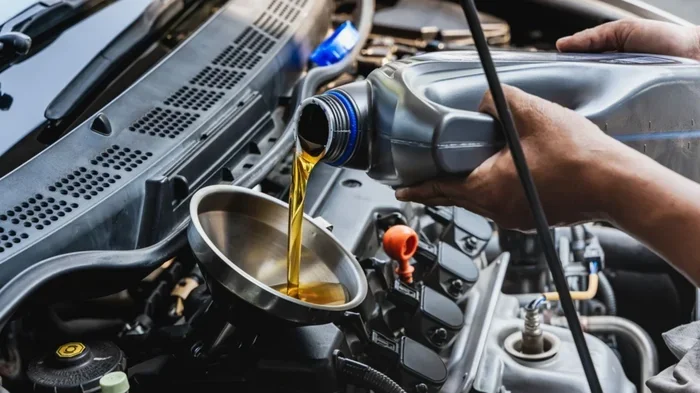
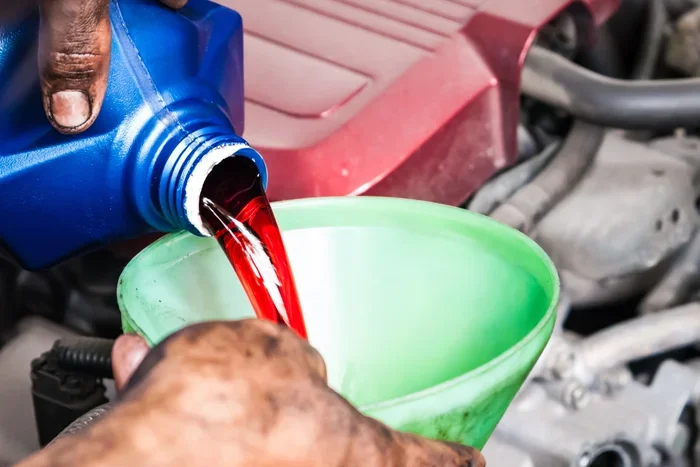
Using a funnel makes it much easier to control the flow of oil. A narrow spout helps you pour slowly and accurately. This small tool can save you from the headache of overfilling. It is one of those car maintenance tips that makes a big difference.
Recheck After Every Addition
Never add oil and just drive away without rechecking. Always pull the dipstick after each pour. This habit takes just a few seconds and gives you full control over the oil level.
Keep Track of Oil Changes
Stay on top of your oil change frequency. If you are due for an oil change, have a professional handle it. They have the right equipment and experience to get the level exactly right. You can also do your own car diagnostics to make sure your engine is running smoothly between oil changes.
Be Mindful of Temperature Changes
Oil expands when it gets hot. If you check your oil right after a long drive, the reading may appear higher than it actually is when cold. Always check your oil when the engine is cool or has been off for at least 10 minutes. This gives you the most accurate reading.
When to See a Mechanic
Sometimes overfilling causes problems that go beyond a simple drain fix. Know when to seek professional help. If you notice persistent blue smoke, significant oil leaks, or a drop in engine performance, it is time to visit a mechanic. Similarly, if the oil pressure warning light stays on after you have corrected the oil level, something else may be going on underneath the hood.
Ignoring these signs can lead to much bigger problems down the road. A small repair today could save you from a complete engine rebuild tomorrow. If you are unsure about anything, it is always better to get a professional opinion. A trusted mechanic can inspect your engine, check for damage, and give you a clear picture of what needs to be done next.
You should also consider having your oil filter checked when you deal with an overfill issue. A clogged or damaged oil filter can make oil pressure problems worse and reduce the overall health of your engine. Replacing the filter alongside draining excess oil is often a smart move.
Lastly, think about how overfilling compares to other common car mistakes. Just like putting too much weight in your car can strain your suspension and brakes, overfilling oil puts unnecessary stress on your engine internals. Both are preventable with a little attention and care.
Conclusion
Putting too much oil in your car is a real risk that can lead to serious engine damage if not addressed quickly. The good news is that it is entirely preventable with a little know-how and the right approach. Always check your dipstick, add oil gradually, and never exceed the maximum mark. If you do overfill, act fast to drain the excess and protect your engine from foaming, leaks, and bearing damage.
Your car depends on you to take care of it. Simple habits like checking your oil level regularly and following your vehicle manual can save you from expensive repairs and keep your engine running strong for years to come. Stay proactive, stay informed, and your car will reward you with reliable performance every time you turn the key.
Frequently Asked Questions
Can too much oil cause engine damage?
Yes, absolutely. Excess oil creates foaming, increased pressure, and can push oil into areas where it does not belong. Over time, this leads to increased wear on engine components, damaged seals, and potentially costly repairs if left unaddressed.
How much oil overfill is dangerous?
Even a small amount over the maximum dipstick line can cause problems. However, being half a quart or more above the max mark significantly increases the risk of oil foaming, pressure buildup, and engine damage. Always aim to keep the oil level between the minimum and maximum marks.
Will my car run fine with too much oil?
It might run okay for a short time, but the risks increase with every mile you drive. Foamed oil does not lubricate properly, which means your engine parts experience more friction. This can cause gradual damage that you might not notice until it becomes a serious and expensive problem.
How do I drain excess oil from my car?
You can drain excess oil by removing the oil drain plug underneath the engine and letting the right amount out. Alternatively, you can use an oil extraction pump inserted through the dipstick tube. If you are not comfortable doing either, a mechanic can handle it quickly and affordably.
What kind of damage does overfilling oil cause?
Overfilling can damage crankshaft bearings, blow out seals and gaskets, clog the catalytic converter, and cause oil leaks. In severe cases, it can lead to engine failure requiring a full rebuild or replacement. The damage worsens the longer the overfill goes uncorrected.
How can I prevent overfilling oil in the future?
Always consult your vehicle manual for the correct oil capacity, use a funnel for better control, add oil in small amounts, and recheck the dipstick after each pour. These simple steps make a huge difference in keeping your engine healthy and avoiding costly mistakes.
=== INTERNAL LINKS ===
For more car care tips, check out these related guides: