Can You Sell a Car With Expired Registration Today
Can you sell a car with expired registration? The short answer is yes, but there are important rules and steps you must follow. Selling a vehicle with expired tags is possible in most states, though it comes with legal risks and extra paperwork. You will need to handle title transfer, DMV requirements, and buyer concerns carefully. This guide walks you through every step, from understanding penalties to completing the sale smoothly. Read on to learn how to sell your car even when your registration sticker has lapsed.
This is a comprehensive guide about Can You Sell a Car With Expired Registration?.
Key Takeaways
- You can sell a car with expired registration: It is legal in most states, but you must follow specific steps and disclose the status to buyers.
- Renew before selling when possible: A renewed registration sticker makes the sale faster and builds buyer trust.
- Penalties vary by state: Fines for expired registration can range from $25 to $300 or more depending on your location.
- Paperwork is critical: A bill of sale, title transfer, and honest disclosure protect both you and the buyer.
- Buyer hesitation is real: Many buyers worry about driving with expired registration, so address concerns upfront.
- Grace periods exist in some states: Some states allow a short window after expiry before penalties kick in.
- Online sales platforms require current info: Most sell vehicle online platforms ask for valid registration details in listings.
[FEATURED_IMAGE_PLACEHOLDER]
Selling a car is stressful enough without worrying about paperwork. One question many car owners face is whether they can sell a car with expired registration. The answer might surprise you.
Maybe your registration sticker expired months ago. Perhaps you forgot to renew before a big move. Or maybe the car has been sitting in your driveway for a while. Whatever the reason, an expired registration sticker does not automatically mean you cannot sell your vehicle.
However, there are rules, risks, and steps you need to know. Every state has different DMV requirements for title transfer and vehicle sales. Understanding these rules helps you avoid fines, legal trouble, and frustrating delays with buyers.
This article covers everything you need to know about selling a car with expired registration. We will walk through the legal aspects, the step-by-step process, common risks, and expert tips. By the end, you will feel confident about moving forward with your sale.
Can You Sell a Car With Expired Registration?
The short answer is yes. In most states, you can sell a car even if the registration is expired. Registration and ownership are two different things. Your proof of ownership is the title, not the registration.
That said, selling a car with expired tags comes with some caveats. Buyers may worry about driving with expired registration. Some states require you to renew before completing the sale. And there are always penalties for driving a vehicle with lapsed registration.
Why Registration Expires
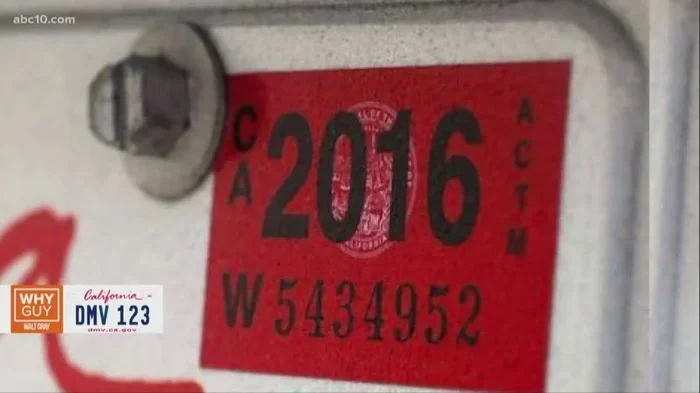
Car registration proves your vehicle is legally registered with the state. It must be renewed annually or biannually, depending on where you live. When you miss the renewal deadline, your registration sticker becomes invalid.
Registration expiry does not mean your ownership changes. You still own the vehicle. You still have the right to sell it. But the process may require extra steps to stay compliant with state laws.
Registration vs. Title: What Is the Difference?
This is a common point of confusion. The title proves ownership. The registration proves the vehicle is authorized to drive on public roads.
When you sell a car, the buyer needs the title to transfer ownership. They also need registration to drive the car legally afterward. An expired registration sticker does not block the title transfer. It does affect whether the buyer can drive the car home legally right away.
What Happens When Your Car Registration Expires
Understanding what happens after expiry helps you make better decisions. Here is a breakdown of the common consequences.
Late Fees and Penalties
Most states charge late fees when you renew registration after the expiry date. These registration fees can add up quickly. Some states charge a flat fee. Others charge a percentage of the renewal cost.
For example, California charges a $25 penalty for late renewal. Other states may charge $100 or more. If you plan to renew before selling, these fees are a small price to pay for a smoother sale.
Driving With Expired Registration
Driving a car with expired tags can lead to fines. In many states, the penalty for driving with expired registration ranges from $50 to $300. Some states also impound the vehicle.
If you plan to drive the car to the buyer or to a inspection station, make sure you handle this carefully. A better option is to arrange towing or have the buyer pick up the vehicle.
Insurance Implications
Some auto insurance policies become void or limited when registration expires. This is a risk many sellers overlook. If the buyer gets into an accident while driving your car with expired registration, insurance coverage may not apply.
Always check with your insurance provider before selling a car with lapsed registration. This protects both you and the buyer.
The Step-by-Step Process to Sell a Car With Expired Registration
Selling a car with expired registration is straightforward if you follow the right steps. Here is a practical guide to help you through the process.
Step 1: Check Your State Laws
Start by checking your state’s DMV requirements. Some states allow the sale of vehicles with expired registration. Others require renewal before transfer. A quick call or visit to your local DMV office clarifies the rules.
You can also check your state’s motor vehicle website for updated information. Rules change frequently, so always verify current policies.
Step 2: Renew Your Registration (If Possible)
Renewing your registration sticker before selling is the best move. It removes all legal concerns. It makes the car more attractive to buyers.
Most states offer online renewal. You pay the registration fees and receive a new sticker by mail. If you need it faster, visit your local DMV in person. A renewed registration can significantly speed up the sale process.
Step 3: Gather All Required Paperwork
You will need several documents to complete the sale. These include:
- Vehicle title (clean and in your name)
- Bill of sale (signed by both parties)
- Proof of ownership (registration documents, even if expired)
- Odometer disclosure (required in most states)
- Release of liability form (protects you after the sale)
Having all paperwork ready builds buyer confidence. It also prevents delays at the title transfer stage.
Step 4: Disclose the Registration Status
Always be honest with potential buyers. Tell them the registration is expired. Most buyers appreciate transparency. Hiding the expired status can lead to disputes later.
Explain that the title transfer can still happen. Offer to help the buyer with the renewal process after purchase. This builds trust and makes the sale smoother.
Step 5: Arrange for Transport
If the buyer cannot drive the car home with expired tags, arrange for towing or delivery. Many sellers use flatbed trailers or hire a transport service.
This is a small cost that adds professionalism to your sale. It also protects you from any expired registration penalty that might occur if the buyer drives the car illegally.
Step 6: Complete the Title Transfer
Once you have a buyer, complete the title transfer promptly. Both parties sign the title. You provide a bill of sale with the sale price, date, and vehicle details.
File the release of liability with your DMV. This ensures you are no longer responsible for the vehicle after the sale. It is a critical step many sellers forget.
Risks and Penalties of Selling a Car With Expired Tags
Selling a car with expired registration is not without risks. Understanding these risks helps you make informed decisions.
Financial Penalties
Depending on your state, you may face expired registration penalties. These can include late fees, fines, or even lien fees if the vehicle has an outstanding loan.
Some states also charge a penalty if the vehicle inspection is overdue along with registration. These costs can eat into your sale profits. Renewing before selling is almost always cheaper than paying penalties later.
Buyer Hesitation
Many buyers hesitate to purchase a car with expired tags. They worry about legal issues. They worry about insurance gaps. They worry about the hassle of registration renewal.
This hesitation can lead to lower offers or abandoned deals. Addressing these concerns upfront helps. Offering to assist with the renewal process makes your listing more attractive.
Legal Complications
In some states, selling a vehicle with expired registration without proper disclosure can lead to legal issues. The buyer may file a complaint or seek a refund.
Always document the car sale paperwork carefully. Keep copies of every form, receipt, and communication. This protects you if any dispute arises after the sale.
Impact on Vehicle Value
A car with expired registration may sell for less than a car with current registration. Buyers factor in the cost and effort of renewal. They also worry about the vehicle’s overall condition.
If possible, renew the registration and complete a vehicle inspection before listing. These small investments can increase your sale price significantly.
How to Renew Registration Before Selling
If you decide to renew before selling, the process is usually simple. Here is what to expect.
Online Renewal
Most states now offer online car registration renewal. You log into your state DMV portal, enter your vehicle information, and pay the registration fees. The new registration sticker arrives by mail in 2 to 4 weeks.
Online renewal is the fastest and easiest option. It saves you a trip to the DMV. It also ensures your paperwork is current before you list the car for sale.
In-Person Renewal
If online renewal is not available in your state, visit your local DMV office. Bring your title, proof of insurance, and payment for registration fees. The process usually takes less than an hour.
Some states require a vehicle inspection before renewal. Check your state’s requirements ahead of time to avoid surprises.
Renewal After Sale
In some cases, the buyer may handle registration renewal after purchase. This depends on your state’s rules and the buyer’s preferences. Discuss this during negotiations to avoid confusion.
If the buyer will renew, make sure they understand the process. Provide them with all necessary documents, including the bill of sale and proof of title transfer.
Expert Tips for a Smooth Car Sale With Expired Registration
Experienced sellers know that expired registration does not have to derail a sale. Here are practical tips from the pros.
Be Honest and Transparent
Honesty sells cars. Tell buyers upfront about the expired registration sticker. Explain the situation clearly. Most reasonable buyers will appreciate your openness.
Transparency builds trust. Trust leads to faster sales and fewer disputes. It is always better to disclose issues early than to deal with problems later.
Price Competitively
Factor the cost of renewal and any potential penalties into your asking price. A car with expired tags should not be priced the same as a car with current registration.
Research similar vehicles in your area. Adjust your price to reflect the registration status. A fair price attracts serious buyers and reduces negotiation time.
Offer to Help With Renewal
One of the best ways to attract buyers is to offer assistance with registration renewal. You can include this as part of the sale package.
Some sellers even pay for the buyer’s first renewal as a goodwill gesture. This small investment can make your listing stand out. It shows you are serious about a smooth transaction.
Use Multiple Selling Platforms
List your car on multiple platforms to reach more buyers. Popular options include sell vehicle online marketplaces, local classifieds, and social media groups.
Each platform has different rules about listing vehicles with expired registration. Check the terms before posting. Some platforms require current registration details in the listing.
Get a Pre-Sale Inspection
A vehicle inspection report adds credibility to your listing. It shows buyers the car is in good condition, even if the registration is expired.
Inspections cost a small fee but can significantly increase buyer confidence. Many buyers look for inspection reports before making a purchase decision.
Common Mistakes to Avoid When Selling a Car With Expired Registration
Avoiding common mistakes saves you time, money, and stress. Here are the pitfalls to watch out for.
- Hiding the expired status: Never try to hide or downplay the expired registration sticker. Buyers will find out, and trust will be lost.
- Skipping the bill of sale: A bill of sale protects both parties. Always use one, even for private sales.
- Forgetting the release of liability: Filing this form ensures you are not responsible for the car after the sale. Skipping it can lead to tickets and liability issues.
- Not checking state laws: Rules vary widely. What works in one state may not work in another. Always verify your state’s specific DMV requirements.
- Waiting too long to renew: The longer you wait, the more penalties accumulate. Renewing early saves money and makes the sale easier.
- Poor communication with the buyer: Keep the buyer informed throughout the process. Clear communication prevents misunderstandings and builds a positive experience.
Key Takeaways
- You can sell a car with expired registration: It is legal in most states, but you must follow specific steps and disclose the status to buyers.
- Renew before selling when possible: A renewed registration sticker makes the sale faster and builds buyer trust.
- Penalties vary by state: Fines for expired registration can range from $25 to $300 or more depending on your location.
- Paperwork is critical: A bill of sale, title transfer, and honest disclosure protect both you and the buyer.
- Buyer hesitation is real: Many buyers worry about driving with expired registration, so address concerns upfront.
- Grace periods exist in some states: Some states allow a short window after expiry before penalties kick in.
- Online sales platforms require current info: Most sell vehicle online platforms ask for valid registration details in listings.
Frequently Asked Questions
Can I sell a car with expired registration without renewing first?
Yes, in most states you can sell a car with expired registration without renewing first. The key is to be transparent with buyers and complete the title transfer properly. Check your state’s DMV requirements to confirm the specific rules that apply to your situation.
What documents do I need to sell a car with expired registration?
You will need the vehicle title, a bill of sale, proof of ownership, and a release of liability form. Some states also require an odometer disclosure. Having all paperwork ready makes the registration transfer process much smoother for both you and the buyer.
Will buyers pay less for a car with expired tags?
It is possible. Buyers may factor in the cost and effort of car registration renewal when making an offer. However, pricing competitively and offering to help with renewal can offset this concern. A pre-sale inspection also adds value and confidence for the buyer.
Can the buyer drive the car home with expired registration?
In most cases, the buyer cannot legally drive the car home with expired registration. They will need to register and insure the vehicle first. Arrange for towing or delivery if the buyer does not have current registration or plates. This protects both parties from expired registration penalty fines.
How long can I drive with expired registration before facing penalties?
This depends on your state. Some states have a short registration grace period of 30 days or less. Others impose penalties immediately after expiry. Driving with expired tags is never recommended. Renew or arrange alternative transport to avoid fines and legal issues.
Does expired registration affect the vehicle’s resale value?
Yes, expired registration can lower resale value. Buyers see it as an extra cost and hassle. However, the impact varies based on the vehicle’s condition, demand, and how quickly you can renew. Addressing the expired status upfront and offering renewal assistance can minimize the value loss.
Conclusion
Can you sell a car with expired registration? Absolutely. While it adds some complexity to the process, it is entirely doable with the right approach. The key is understanding your state’s rules, preparing the proper paperwork, and being honest with buyers.
Renewing your registration sticker before selling is the easiest path. It removes legal concerns and makes your listing more attractive. But if renewal is not an option, you can still complete a successful sale by following the steps outlined in this guide.
Always prioritize transparency. Disclose the expired status clearly. Provide complete car sale paperwork. Protect yourself with a bill of sale and release of liability. These steps build trust and ensure a smooth transaction for everyone involved.
Selling a car with expired registration does not have to be a headache. With the right knowledge and preparation, you can sell your vehicle confidently and move on to your next step. Start today by checking your state’s DMV requirements and gathering your paperwork. Your sale is closer than you think.
Frequently Asked Questions
What is Can You Sell a Car With Expired Registration??
Can You Sell a Car With Expired Registration? is an important topic with many practical applications.