Car Daytime Running Lights Everything You Should Know
Car daytime running lights are essential safety features that keep your vehicle visible during daylight hours. These lights automatically turn on when you start your engine, helping other drivers see your car on the road. In this guide, you will learn how car daytime running lights work, the different types available, their benefits, and tips for proper maintenance.
Every time you get behind the wheel, your car daytime running lights work hard to keep you safe. These small but mighty lights turn on automatically the moment you start your engine. They shine bright during the day to make your vehicle stand out on the road. Many drivers overlook how important these lights really are for daily driving.
Car daytime running lights are not the same as your regular headlights. They serve a very specific purpose. Their main job is to increase your visibility to other drivers, pedestrians, and cyclists. When your car is easier to see, everyone on the road benefits. This simple feature has become a standard in modern vehicles around the world.
If you have ever wondered what car daytime running lights are, how they work, or whether you should upgrade yours, you are in the right place. This guide covers everything from the basic technology to the different bulb types available today. You will also learn about the laws that govern them and how to keep your system running smoothly. Let us dive in and explore the world of car daytime running lights together.
Key Takeaways
- DRLs improve road safety: They make your vehicle more visible to other drivers during the day, reducing accident risk.
- Multiple bulb types exist: LED, halogen, and xenon DRLs each offer different benefits for your car lighting system.
- They save energy: Modern LED daytime running lights use very little power from your vehicle’s electrical system.
- Laws vary by country: Some regions require DRLs by law, while others leave it up to the driver.
- Installation is often simple: Many DRL kits can be installed at home with basic tools and a little patience.
- Regular maintenance matters: Keeping your DRLs clean and functioning properly ensures they work when you need them most.
📑 Table of Contents
- What Are Car Daytime Running Lights?
- How Do Car Daytime Running Lights Work?
- Types of Car Daytime Running Lights
- Benefits of Car Daytime Running Lights
- Car Daytime Running Lights Laws and Regulations
- How to Install and Maintain Your DRL System
- Common Mistakes Car Owners Make with DRLs
- Final Thoughts on Car Daytime Running Lights
What Are Car Daytime Running Lights?
Car daytime running lights, often called DRLs, are lighting systems designed to make your vehicle more visible during daylight hours. Unlike your regular headlights, they do not light up the road ahead. Instead, they signal your presence to other road users. Think of them as your car’s way of saying, “Hey, I am here!”
The concept is simple but effective. When you turn your ignition key or press the start button, the DRLs activate automatically. They stay on as long as your engine is running. You do not need to flip any switches. This auto-on feature is one of the reasons DRLs have become so popular in modern cars.
Most vehicles today come equipped with factory-installed daytime running lights. However, older cars or certain models may not have them. In those cases, drivers can install aftermarket DRL kits. These kits are widely available and easy to set up. Whether factory-made or added later, the goal remains the same: boost daytime visibility and improve road safety for everyone.
How DRLs Differ from Regular Headlights
It is easy to confuse car daytime running lights with your standard headlights. They look similar, but they serve different purposes. Your headlights illuminate the road in front of you when it is dark. DRLs, on the other hand, are meant to make your car visible to others, not to help you see the road.
Headlights are much brighter than DRLs. They project light far down the road. DRLs use lower intensity to avoid blinding other drivers. They are also designed to turn off automatically when your headlights switch on. This prevents unnecessary power drain and avoids glare for oncoming traffic.
Another key difference is regulation. Headlights must meet strict lighting standards for both low beam and high beam. DRLs have their own set of rules, which we will cover later in this guide. Understanding these differences helps you use each lighting system correctly and safely.
How Do Car Daytime Running Lights Work?
The technology behind car daytime running lights is straightforward. When you start your vehicle, the DRL system receives a signal from the engine control unit. This signal tells the lights to turn on. The system uses a low-power electrical current to keep the lights glowing throughout the day.
Most DRL systems are tied to your vehicle’s ignition. As soon as the engine starts, the lights come on. When you turn off the engine and remove the key, the DRLs shut off automatically. Some systems also deactivate when you engage your turn signals or when your regular headlights are switched on.
The brightness of DRLs is carefully controlled. They are bright enough to be seen in daylight but not so bright that they distract other drivers. This balance is crucial for effective vehicle safety. The system is designed to work passively, meaning you never have to think about turning them on or off.
The Technology Behind DRLs
Modern car daytime running lights rely on advanced lighting technology. The most common type uses light-emitting diode, or LED, technology. LEDs are small, efficient, and long-lasting. They produce a bright, white light that stands out during the day. This makes them ideal for DRL applications.
Older vehicles may use halogen bulbs for their DRLs. Halogen bulbs produce a warm, yellowish light. They are less energy-efficient than LEDs but still effective at improving daytime visibility. Some high-end vehicles use xenon lights, also known as high-intensity discharge (HID) bulbs. These produce a very bright, bluish-white light and are often found in premium car models.
Regardless of the bulb type, the DRL control module manages everything. It regulates the power supply and ensures the lights operate within safe brightness limits. The system also monitors for faults. If a bulb burns out, your dashboard warning light may illuminate to alert you.
Auto-On vs. Manual DRL Systems
Most modern vehicles use an auto-on DRL system. This means the lights activate automatically when the engine starts. You do not need to do anything. This is the most convenient and safest option because it guarantees your lights are always on during the day.
Some older or budget vehicles may have manual DRL systems. In these cases, the driver must turn the lights on using a switch or dial. Manual systems are less common today, but they still serve the same purpose. They simply require a bit more attention from the driver.
A few vehicles also offer adjustable DRL settings. For example, you may be able to dim the lights or turn them off in certain conditions. Always check your vehicle’s owner manual to understand how your specific DRL system works.
Types of Car Daytime Running Lights
Not all car daytime running lights are the same. Different bulb types offer varying levels of brightness, energy efficiency, and lifespan. Understanding these differences helps you choose the right option for your vehicle. Here is a closer look at the most common types.
| Type | Brightness | Energy Use | Lifespan | Cost |
|---|---|---|---|---|
| LED DRLs | High | Very Low | 50,000+ hours | Moderate to High |
| Halogen DRLs | Medium | Moderate | 1,000-2,000 hours | Low |
| Xenon/HID DRLs | Very High | Moderate | 2,000-5,000 hours | High |
LED DRLs
LED car daytime running lights have become the industry standard. They use light-emitting diode technology to produce a bright, crisp white light. LEDs are extremely energy-efficient, drawing very little power from your vehicle’s electrical system. This means they have almost no impact on your fuel economy.
The lifespan of LED DRLs is impressive. Most last over 50,000 hours, which means they can last the entire life of your vehicle without needing a replacement. They also light up instantly, reaching full brightness in milliseconds. This instant-on feature makes them ideal for safety applications.
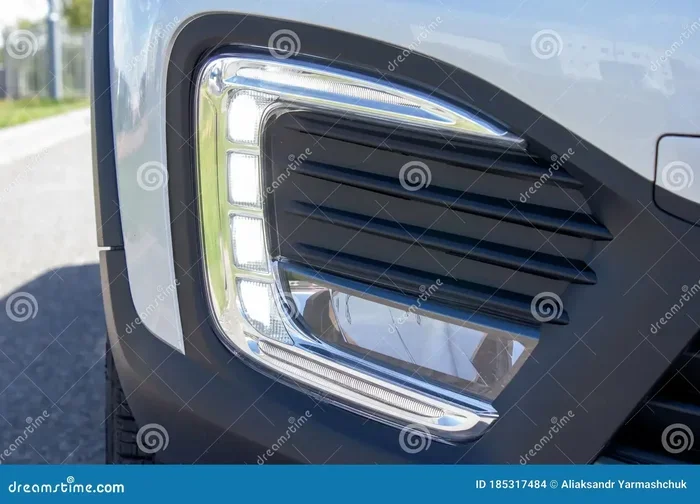
LED DRLs also offer design flexibility. Their small size allows automakers to create sleek, distinctive light signatures. Many modern cars feature unique LED daytime running lights that make the vehicle instantly recognizable on the road.
Halogen DRLs
Halogen bulbs have been used in car lighting systems for decades. They produce a warm, yellowish light that is effective for daytime visibility. Halogen DRLs are inexpensive and widely available, making them a popular choice for budget vehicles and older cars.
However, halogen bulbs have some drawbacks. They are less energy-efficient than LEDs and produce more heat. Their lifespan is shorter, typically around 1,000 to 2,000 hours. This means you may need to replace them more frequently. Despite these limitations, halogen DRLs still do a solid job of improving road safety.
Xenon and HID DRLs
Xenon lights, also known as high-intensity discharge (HID) bulbs, produce a very bright, bluish-white light. They are commonly found in luxury and premium vehicles. Xenon DRLs offer excellent brightness and a distinctive look that stands out during the day.
The downside is cost. Xenon DRLs are more expensive than both LED and halogen options. They also require a ballast to regulate the electrical current. While they last longer than halogen bulbs, they do not match the longevity of LEDs. For most drivers, LED DRLs offer the best balance of performance, cost, and efficiency.
Benefits of Car Daytime Running Lights
Car daytime running lights offer a wide range of benefits. They are not just a cosmetic feature. They play a real role in keeping you and others safe on the road. Here are the key advantages of having DRLs on your vehicle.
Improved Road Safety
The primary benefit of car daytime running lights is enhanced vehicle safety. Studies have shown that vehicles with DRLs are easier to spot during the day. This is especially true in low-light conditions, such as early morning, late afternoon, or overcast weather. When other drivers can see your car sooner, they have more time to react.
Better visibility also helps pedestrians and cyclists. A car with bright daytime running lights is much easier to notice at crosswalks and intersections. This is particularly important in urban areas with heavy foot traffic. The added visibility can significantly reduce the risk of daytime accidents.
Many countries have seen a drop in daytime collisions after making DRLs mandatory. The data speaks for itself. Even if your vehicle did not come with factory DRLs, adding them is one of the simplest ways to improve your road safety.
Energy Efficiency
Modern LED daytime running lights are incredibly energy-efficient. They use a fraction of the power that traditional headlights consume. This means they have virtually no impact on your fuel economy. In fact, the energy savings are so small that you will never notice a difference at the pump.
Halogen DRLs use more energy than LEDs but are still relatively efficient. Xenon DRLs fall somewhere in between. Regardless of the type, all DRLs are designed to operate within your vehicle’s electrical limits. They will not drain your battery or overload your car lighting system.
This energy efficiency is one reason why automakers love DRLs. They provide a safety benefit without any significant downside. It is a win-win for drivers and manufacturers alike.
Aesthetic Appeal
Let us not forget the visual appeal of car daytime running lights. Modern LED DRLs create a sleek, stylish look that enhances your vehicle’s appearance. Many car enthusiasts choose vehicles partly because of their distinctive DRL signatures. It is a small detail that makes a big difference in how your car looks on the road.
Aftermarket DRL kits also come in many styles. You can find strips, rings, and pods that complement your vehicle’s design. Whether you drive a sedan, SUV, or truck, there is a DRL option that fits your style.
Car Daytime Running Lights Laws and Regulations
The rules around car daytime running lights vary from country to country. Understanding these regulations helps you stay compliant and avoid fines. Here is what you need to know.
Countries That Require DRLs
Several countries have made daytime running lights mandatory for all new vehicles. In the European Union, all new cars sold must have DRLs. Canada, Scandinavian countries, and many other nations follow similar rules. These laws were introduced based on research showing that DRLs reduce daytime accidents significantly.
In the United States, DRLs are not federally mandated. However, most modern vehicles sold in the US come with them as standard equipment. The National Highway Traffic Safety Administration (NHTSA) has studied the benefits of DRLs and supports their use, even if they are not legally required.
Some countries also have specific rules about the brightness and positioning of DRLs. Lighting regulations ensure that DRLs do not blind other drivers. They must be mounted at a certain height and produce light within a defined intensity range. Always check your local laws before installing aftermarket DRLs.
What Happens If Your DRLs Are Not Working?
If your car daytime running lights stop working, your dashboard warning light will likely illuminate. This is your signal to check the system. A burnt-out bulb is the most common cause. Replacing the bulb is usually quick and inexpensive.
In some cases, the issue may be a faulty control module or a wiring problem. If you are not comfortable diagnosing the issue yourself, take your vehicle to a trusted mechanic. Driving with non-functioning DRLs reduces your visibility and may increase your risk of an accident.
How to Install and Maintain Your DRL System
Taking care of your car daytime running lights is simple. With a little regular maintenance, your DRLs will keep working reliably for years. Here are some practical tips to help you get the most out of your system.
DIY Installation Tips
If your vehicle does not have factory DRLs, you can install an aftermarket kit. Most kits come with clear instructions and all the hardware you need. Here is a quick overview of the process.
- Choose the right kit: Make sure the kit is compatible with your vehicle’s make and model. LED kits are the most popular choice for their brightness and efficiency.
- Find the mounting location: DRLs are typically installed near the headlights or front bumper. Follow the kit instructions for proper placement.
- Wire the kit: Connect the DRL wiring to your vehicle’s electrical system. Most kits tap into the existing headlight circuit for easy installation.
- Test the system: Start your engine and verify that the DRLs turn on and off correctly. Check for any error messages on your dashboard.
If you are not confident with wiring, consider having a professional handle the installation. A quick visit to an auto shop can ensure everything is set up safely and correctly.
Maintenance Checklist
Keeping your car daytime running lights in top shape does not require much effort. Follow this simple checklist to stay on track.
- Clean your DRLs regularly: Dirt and grime can reduce brightness. Wipe them down with a soft cloth at least once a month.
- Check for burnt-out bulbs: Inspect your DRLs periodically. If one bulb is dim or not working, replace it promptly.
- Watch for dashboard warning lights: A DRL warning light on your dashboard means something needs attention. Do not ignore it.
- Inspect wiring connections: Loose or corroded wires can cause DRL malfunctions. Check them during routine oil changes or service visits.
- Replace the entire unit if needed: If individual LED strips fail, you may need to replace the whole DRL assembly. This is rare but can happen over time.
Regular maintenance keeps your daytime running lights functioning at their best. A small effort now can save you from bigger problems down the road.
Common Mistakes Car Owners Make with DRLs
Even with the best intentions, car owners sometimes make mistakes when it comes to car daytime running lights. Being aware of these common errors helps you avoid them and keep your DRLs working properly.
One common mistake is confusing DRLs with fog lights. DRLs are designed for general daytime visibility. Fog lights are meant for low-visibility conditions like heavy rain or fog. They serve different purposes and should not be used interchangeably. Using DRLs in place of fog lights can reduce your effectiveness in poor weather.
Another mistake is ignoring dashboard warning lights. If your DRL warning light comes on, it is your car telling you something is wrong. Ignoring it can lead to reduced visibility and potential safety issues. Address the problem as soon as possible.
Some drivers also fail to clean their DRLs regularly. Dirty lights are dimmer lights. Over time, dust and road grime build up on the lens, reducing the effectiveness of your car daytime running lights. A quick wipe-down can make a big difference.
Finally, avoid upgrading to bulbs that are too bright. Oversized DRLs can blind other drivers and may violate lighting regulations. Always choose bulbs that meet your vehicle’s specifications and local laws.
Final Thoughts on Car Daytime Running Lights
Car daytime running lights are one of the simplest and most effective safety features on modern vehicles. They work silently in the background, making your car more visible to everyone on the road. Whether you drive a new vehicle with factory DRLs or install an aftermarket kit, the benefits are clear.
From improved road safety to better energy efficiency, car daytime running lights offer real value. They require minimal maintenance and operate automatically, so you never have to think about them. Understanding how they work, the different types available, and the laws that govern them empowers you to make smart decisions for your vehicle.
Take a moment today to check your DRLs. Make sure they are clean, functioning, and bright. If they are not working properly, address the issue right away. Your car daytime running lights may be small, but their impact on safety is enormous. Drive safe, stay visible, and let your DRLs do their job every time you hit the road.
Frequently Asked Questions
Are car daytime running lights the same as headlights?
No, car daytime running lights are not the same as headlights. DRLs are designed to make your vehicle visible to others during the day. Headlights are meant to help you see the road ahead in dark conditions. DRLs are dimmer and turn off automatically when your headlights switch on.
Do car daytime running lights drain your battery?
No, modern car daytime running lights, especially LED DRLs, use very little power. They are designed to operate within your vehicle’s electrical system limits. The energy consumption is so low that it has no noticeable effect on your battery or fuel economy.
Can I install car daytime running lights on any vehicle?
Yes, you can install aftermarket DRL kits on most vehicles. The process is straightforward for most models. However, you should ensure the kit is compatible with your vehicle and follows local lighting regulations. If you are unsure, a professional installer can help you get it right.
Why do my car daytime running lights turn off when I turn on my headlights?
This is normal and by design. Car daytime running lights are programmed to deactivate when your regular headlights are switched on. This prevents unnecessary power drain and avoids glare for oncoming drivers. Your headlights take over once lighting conditions require more illumination.
Are car daytime running lights required by law in the United States?
Car daytime running lights are not federally required in the United States. However, most new vehicles sold in the US come with them as standard equipment. Some other countries, like those in the European Union and Canada, have made DRLs mandatory for all new vehicles.
How long do car daytime running lights last?
The lifespan depends on the bulb type. LED car daytime running lights can last over 50,000 hours, which is essentially the life of the vehicle. Halogen DRLs last around 1,000 to 2,000 hours and may need replacement more often. Xenon DRLs fall in between, lasting 2,000 to 5,000 hours.