How Do I Reset My Multimedia System?
How Do I Reset My Multimedia System? is an essential topic that provides valuable insights and practical knowledge for anyone interested in learning more about this subject.
Key Takeaways
- Understanding How Do I Reset My Multimedia System?: Provides essential knowledge for making informed decisions
- Practical applications: Can be applied in various real-world scenarios
- Key benefits: Offers significant advantages when properly implemented
- Important considerations: Requires attention to specific details and best practices
- Future implications: Continues to evolve and impact related fields
📑 Table of Contents
- Why Your Multimedia System Might Need a Reset
- How to Reset Your Multimedia System Step by Step
- Common Problems That a Reset Can Fix
- Tips to Keep Your Multimedia System Running Smoothly
- When to Seek Professional Help
- Quick Reference: Reset Methods Compared
- Final Thoughts on Resetting Your Multimedia System
Why Your Multimedia System Might Need a Reset
Your car’s multimedia system is the brain behind your entertainment, navigation, and connectivity features. It handles everything from your favorite playlists to turn-by-turn directions. But just like any computer, it can sometimes freeze, lag, or act strangely. When that happens, a simple reset often solves the problem.
Have you ever been on a road trip, and suddenly your car display screen goes blank or becomes unresponsive? It is frustrating, right? You are not alone. Thousands of drivers face infotainment system glitches every day. The good news is that most of these issues can be fixed without a trip to the mechanic.
Before you panic or spend money on a technician, it helps to understand why your multimedia unit misbehaves in the first place. Software glitches, outdated firmware, memory overload, and even extreme temperatures can all cause problems. Sometimes, a quick reboot clears out temporary bugs and gets everything running smoothly again.
In this guide, I will walk you through the exact steps to reset your multimedia system safely. I will also share practical tips to prevent future issues and let you know when it is time to call a professional. Whether you drive a sedan, SUV, or truck, this guide applies to almost any vehicle with a modern car infotainment system.
How to Reset Your Multimedia System Step by Step
Method 1: The Soft Reset (Restart)
A soft reset is the easiest and safest way to restart your car entertainment system. Think of it like restarting your phone. Nothing gets deleted, and you do not lose any saved data. This method works for most infotainment systems from brands like Ford, Toyota, Honda, Chevrolet, and BMW.
Here is how to do it:
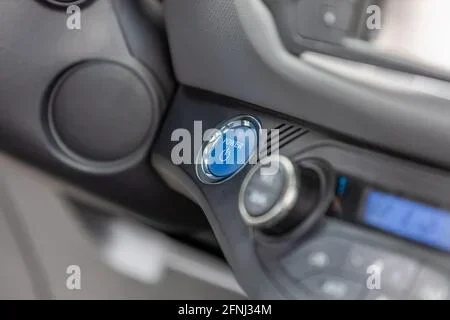
- Press and hold the power button on your multimedia display for about 10 to 15 seconds.
- Wait for the screen to go completely dark.
- Release the button and wait a few seconds.
- Press the power button again to turn the system back on.
Your system should boot up normally within 30 to 60 seconds. If the screen stays black or the system does not respond, try the hard reset method below.
Method 2: The Hard Reset (Factory Reset)
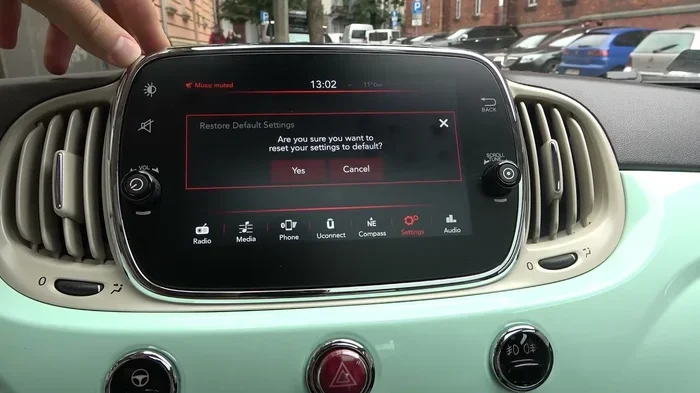
A hard reset, also known as a factory reset, wipes your system back to its original settings. This method is more powerful and can fix deeper software issues. However, it will erase your saved preferences, Bluetooth pairings, and custom settings. So use it only when the soft reset does not work.
Here is what to do:
- Turn off your car engine and remove the key from the ignition.
- Locate the fuse box. In most vehicles, it is under the dashboard on the driver’s side or under the hood.
- Find the fuse that powers the infotainment unit. Check your owner’s manual for the exact location.
- Remove the fuse and wait for at least 5 minutes.
- Reinsert the fuse and start your car.
- The system will boot up with default settings restored.
Some newer vehicles also let you perform a factory reset through the settings menu. Look for “System Reset” or “Factory Reset” under the multimedia settings. This is a much easier approach if your vehicle supports it.
Method 3: The Battery Disconnect Method
If neither the soft nor hard reset works, you can try disconnecting the car battery. This method drains all residual power from the system and forces a full reset.
- Turn off the engine and all accessories.
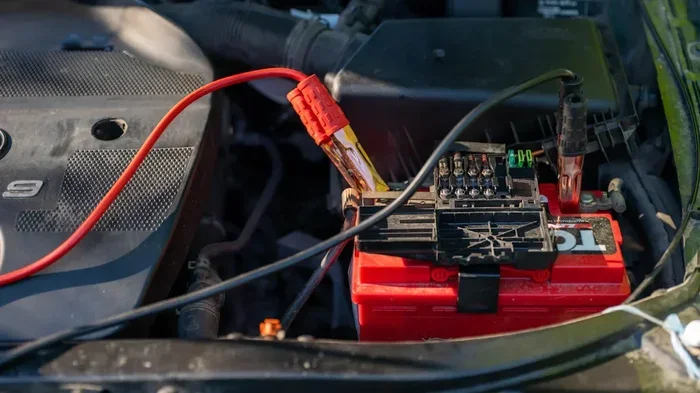
- Open the hood and locate the negative battery terminal.
- Using a wrench, loosen the nut on the negative cable and remove it from the battery post.
- Wait for 10 to 15 minutes.
- Reconnect the cable and tighten the nut.
- Start the car and check if the multimedia system is working normally.
This method is effective but should be your last resort. It also resets other electronic systems in your car, like the clock and radio presets.
Common Problems That a Reset Can Fix
Not sure if your issue actually needs a reset? Here are some of the most common multimedia system problems that a reset can solve:
- Frozen or unresponsive touchscreen: The screen stops responding to taps and swipes. A soft reset usually fixes this quickly.
- Bluetooth connectivity issues: Your phone will not pair or keeps disconnecting. Resetting the system often restores Bluetooth functionality.
- Navigation system errors: Maps fail to load or the GPS signal drops frequently. A reset clears temporary data that may be causing the problem.
- Audio distortion or no sound: The speakers produce crackling noise or no sound at all. Resetting the car audio system can resolve this.
- Slow performance: The system takes forever to load or respond. A reset clears cached data and improves speed.
- Error messages on screen: Random warning pop-ups or system error codes appear. A reset clears these temporary software glitches.
If you are dealing with any of these issues, do not hesitate to try a reset. It takes only a few minutes and costs you nothing. If you are unsure about any car electronics issue, you might also consider doing your own car diagnostics before visiting a mechanic. This can help you identify whether the problem is software-related or something more serious.
Tips to Keep Your Multimedia System Running Smoothly
Prevention is always better than cure. Here are some simple habits that can keep your car infotainment system healthy and responsive for years:
Keep Your Software Updated
Manufacturers regularly release firmware updates that fix bugs and improve performance. Check for updates at least once every few months. Many newer vehicles let you update the system through a USB drive or over Wi-Fi. Keeping your multimedia unit up to date prevents many common issues before they start.
Clear Unused Apps and Data
Just like your phone, your car’s infotainment system can slow down when it is cluttered with unused apps and cached data. Go through your apps and remove anything you do not use regularly. This frees up memory and keeps the system running fast.
Avoid Overheating
Extreme heat can damage electronic components. If you park outside in hot weather, try to use a sunshade for your windshield. This keeps the interior cooler and protects your multimedia display from heat damage. In cold climates, let the car warm up before cranking up the system.
Use Quality USB Cables and Storage Devices
Cheap or damaged USB cables can cause connection problems and data transfer errors. Always use high-quality cables when connecting your phone or USB drive to the car entertainment system. If you use USB drives for music, format them properly and avoid dragging large files that slow down the system.
Restart Your System Regularly
Just like your computer benefits from an occasional restart, so does your multimedia system. Make it a habit to power down the system every few weeks. This clears temporary files and refreshes the software. It only takes a minute but can prevent many issues from developing.
When to Seek Professional Help
Most multimedia system issues respond well to a simple reset. But there are times when the problem goes deeper than software. Knowing when to call a professional can save you time and money.
Here are signs that you need expert help:
- The system does not respond to any reset method after multiple attempts.
- You notice physical damage, like cracks on the touchscreen display or loose wiring.
- The system keeps crashing repeatedly even after a factory reset.
- You see error codes that persist after restarting the car.
- The multimedia unit completely fails to power on, even after disconnecting the battery.
In these cases, the problem might be hardware-related. A faulty amplifier, damaged wiring, or a failing display unit requires professional diagnosis and repair. Do not try to open the unit yourself, as this can void your warranty and cause further damage.
Also, if you have recently modified your car’s electrical system or installed aftermarket accessories, those changes might be interfering with your infotainment system. A certified technician can check for compatibility issues and help you resolve them safely.
Quick Reference: Reset Methods Compared
| Reset Method | Difficulty Level | Data Lost? | Best For |
|---|---|---|---|
| Soft Reset (Restart) | Easy | No | Frozen screen, minor glitches, slow performance |
| Hard Reset (Factory Reset) | Moderate | Yes (settings, pairings) | Bluetooth issues, navigation errors, persistent bugs |
| Battery Disconnect | Moderate | Yes (all electronic presets) | System completely unresponsive to other methods |
As you can see from the table above, each reset method has its place. Start with the soft reset and work your way up only if needed. Most drivers find that a simple soft reset solves their problem without any data loss or hassle.
Final Thoughts on Resetting Your Multimedia System
Resetting your multimedia system is one of the simplest and most effective things you can do to keep your car running smoothly. Whether you deal with a frozen touchscreen, Bluetooth problems, or slow performance, a reset can often bring your infotainment system back to life in just a few minutes.
Remember to start with the soft reset method. It is safe, quick, and does not erase any of your data. If that does not work, move on to a factory reset or the battery disconnect method. And always keep your software updated to prevent issues from coming back.
Taking care of your car multimedia system does not have to be complicated. A little regular maintenance goes a long way. And if you ever feel unsure about any step, consult your vehicle’s owner manual or reach out to a trusted mechanic. Your car’s entertainment and navigation systems deserve the same care and attention as any other part of your vehicle.
With the knowledge you have gained from this guide, you are now equipped to handle most multimedia system issues on your own. The next time your car screen acts up, you will know exactly what to do. Happy driving, and here is to many more miles of smooth, uninterrupted entertainment on the road ahead.
Frequently Asked Questions
How Do I Reset My Multimedia System?
To reset your multimedia system, locate the power button or reset button on the main unit. Hold it for about 10 seconds until the screen goes dark. Wait a few minutes for the system to fully restart and reconnect to your devices.
How Do I Reset My Multimedia System Without Losing My Settings?
Most modern systems offer a soft reset option in the settings menu. Navigate to “System Preferences” or “Setup” and choose “Reset to Default.” This method keeps your saved data while clearing minor glitches and errors.
Why Does My Multimedia System Need a Reset?
Your system may need a reset if it freezes, shows error messages, or fails to connect to other devices. Over time, cached data and software conflicts can slow down performance. A reset clears these issues and restores smooth operation.
What Should I Do If My Multimedia System Won’t Turn On After a Reset?
First, check that all cables are securely connected and the power source is working. Try unplugging the system for 30 seconds, then plug it back in and power it on. If it still won’t turn on, consult your user manual or contact the manufacturer’s support team.
How Often Should I Reset My Multimedia System?
You should only reset your multimedia system when you notice performance problems or connectivity issues. Frequent resets are not necessary and can sometimes cause data loss. A good rule is to try restarting the system first before performing a full reset.
Can I Reset My Multimedia System Using a Remote Control?
Yes, many systems allow you to access the reset function through the remote control menu. Look for a “Setup” or “System” option on your remote. From there, you can find the reset or restore option and follow the on-screen prompts.