Car Park Luton Airport Fire Everything You Should Know
The car park Luton Airport fire was a major incident that shocked travelers and raised serious questions about airport safety. This fire destroyed hundreds of vehicles and caused widespread disruption at one of the UK’s busiest airports. Understanding what happened, why it occurred, and how it affects you as a traveler is essential. This article covers every detail you need to know about the Luton Airport car park fire.
The car park Luton Airport fire stands out as one of the most significant incidents to hit a UK airport in recent years. When flames erupted in the parking structure, it sent shockwaves through the travel community. Hundreds of vehicles were damaged or destroyed. Travelers were left stranded, confused, and worried about their belongings. The event raised big questions about how safe our airport parking really is.
Since then, people have been searching for answers. What caused the fire? How did emergency teams respond? What can travelers do to stay safe? This article breaks down everything you need to know. We will walk you through the timeline, the causes, the response, and what has changed since the incident. Whether you are a frequent flyer or planning your first trip to Luton, this guide has you covered.
Key Takeaways
- A major fire broke out in the Luton Airport car park, causing extensive damage to vehicles and the parking structure.
- Safety protocols and emergency response played a critical role in managing the incident and protecting travelers.
- Travelers should stay informed about airport fire safety measures and emergency procedures before flying.
- The incident highlighted gaps in parking garage fire prevention and led to calls for improved safety standards.
- Insurance claims and compensation became a major concern for affected vehicle owners after the fire.
- Airport authorities have since reviewed and upgraded fire safety systems across Luton’s parking facilities.
- Practical tips for safe airport parking can help reduce risks during your next trip.
📑 Table of Contents
- What Happened During the Car Park Luton Airport Fire
- What Caused the Car Park Luton Airport Fire
- How Emergency Services Responded to the Luton Airport Fire
- The Impact on Travelers and Vehicle Owners
- What Changed After the Car Park Luton Airport Fire
- Practical Tips for Safe Airport Parking
- Expert Insights on Airport Parking Fire Safety
- How to Stay Informed About Airport Safety Updates
- Conclusion
What Happened During the Car Park Luton Airport Fire
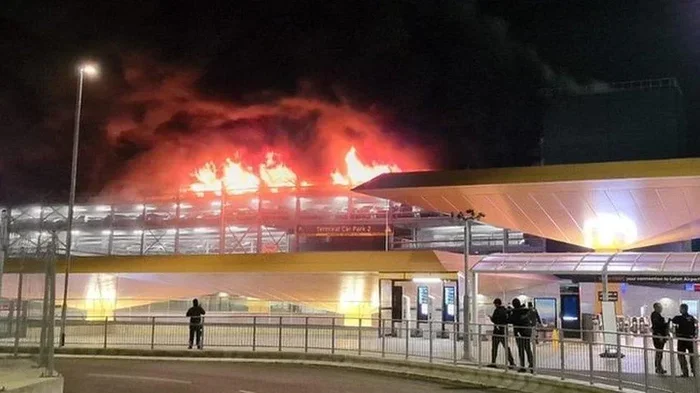
The fire at the Luton Airport car park was a sudden and devastating event. It started in a section of the parking structure and spread quickly. The flames grew intense within minutes. Smoke billowed across the area, making it hard for anyone nearby to see or breathe. Emergency services were called immediately, but the scale of the fire presented a serious challenge.
Hundreds of cars were parked in the affected area. Many of them were completely destroyed by the heat and flames. Some vehicles suffered only smoke damage, but the overall toll was massive. The fire also caused damage to the parking structure itself. Support beams and flooring were compromised in several sections. This made the situation even more dangerous for anyone still inside the building.
Travelers who had left their vehicles in the car park were in a state of panic. Many had just dropped off family members at the airport terminal. Others had parked there for short-term or long-term stays. The fire disrupted travel plans for hundreds of people. Some missed their flights entirely. Others lost personal belongings that were inside their cars. The emotional and financial impact was enormous.
The Timeline of Events
Understanding the timeline helps us grasp how fast things unfolded. Here is a breakdown of what happened:
- Early morning: The fire was first reported by a passerby who noticed smoke coming from the car park.
- Within minutes: Flames became visible, and the fire spread rapidly across multiple rows of parked vehicles.
- Emergency response: Fire crews arrived on the scene within minutes of the first call. They worked to contain the blaze and evacuate the area.
- Peak intensity: The fire reached its height, with flames shooting high into the air and thick smoke filling the surrounding area.
- Containment: After several hours, firefighters managed to bring the fire under control. The scene was left smoldering for hours after.
- Investigation begins: Authorities started investigating the cause of the fire almost immediately after it was contained.
The speed at which the fire spread was alarming. It showed how vulnerable large parking structures can be to fire incidents. The car park Luton Airport fire became a wake-up call for airport safety teams across the country.
What Caused the Car Park Luton Airport Fire
Determining the cause of the fire was a top priority for investigators. After a thorough examination, several factors came to light. The exact cause was traced back to a vehicle fire that started in one of the parked cars. But what triggered the vehicle fire in the first place? That question required deeper investigation.
Early reports suggested that an electrical fault in one of the vehicles may have been the initial spark. Lithium-ion batteries, which are common in modern cars and electric vehicles, can be particularly prone to thermal runaway. This is a process where the battery overheats and catches fire. Once a single vehicle goes up in flames in a crowded car park, the fire can spread to neighboring cars very quickly.
Other contributing factors included:
- Lack of early fire detection systems in certain sections of the car park.
- High density of parked vehicles, which allowed the fire to spread rapidly.
- Limited fire breaks between parking rows, giving the flames more fuel to grow.
- Ventilation issues in the structure, which caused smoke to accumulate quickly.
- Flammable materials inside vehicles, such as fuel, plastics, and upholstery.
The combination of these factors created the perfect conditions for a major blaze. The car park Luton Airport fire exposed weaknesses in how parking structures are designed and maintained. It also raised concerns about the increasing number of electric vehicles in airport parking lots and the risks associated with their batteries.
The Role of Vehicle Batteries
Electric and hybrid vehicles use lithium-ion batteries. These batteries are powerful and efficient, but they also carry fire risks. When a lithium-ion battery fails, it can experience thermal runaway. This means the battery overheats uncontrollably and can reignite even after being extinguished. Standard fire suppression systems in parking garages may not be enough to handle this type of fire. The car park Luton Airport fire brought this issue into the spotlight.
How Emergency Services Responded to the Luton Airport Fire
The response from emergency services was fast and coordinated. When the car park Luton Airport fire was reported, multiple fire engines and ambulances were dispatched to the scene. The Luton Fire and Rescue Service led the response, working alongside airport security and local police.
Firefighters faced significant challenges. The parking structure was large, and the fire had already spread across a wide area. They had to navigate through smoke-filled corridors and locate the source of the blaze while ensuring no one was still inside the building. Despite these difficulties, the response team managed to evacuate the area quickly and prevent any casualties.
Lessons from the Emergency Response
The response to the car park Luton Airport fire taught several important lessons:
- Speed matters. The quick arrival of fire crews helped prevent the fire from spreading to other sections of the airport.
- Communication is key. Coordination between airport staff, fire services, and police ensured a unified response.
- Evacuation plans need regular updates. The incident highlighted the importance of having clear and practiced evacuation procedures for parking structures.
- Specialized equipment is essential. Dealing with vehicle fires, especially those involving lithium-ion batteries, requires specific tools and training.
The emergency response was commendable, but the incident also showed that there is always room for improvement. Airport authorities and local fire services have since reviewed their protocols and made changes to better handle similar situations in the future.
The Impact on Travelers and Vehicle Owners
The car park Luton Airport fire had a real and lasting impact on the people affected. For travelers, the experience was traumatic. Imagine arriving at the airport to find your car engulfed in flames or badly damaged. The stress and anxiety were overwhelming. Many people also lost personal items that were inside their vehicles, including luggage, electronics, and important documents.
For vehicle owners, the financial loss was significant. Repairing or replacing a car after a fire is expensive. Even vehicles that were not directly burned but suffered smoke damage often needed extensive work. The cost of replacing a car, combined with the loss of personal belongings, added up quickly.
Insurance and Compensation
Dealing with insurance claims after the fire was a challenge for many. Vehicle owners had to file claims with their insurance companies, and the process was not always smooth. Some faced delays, while others struggled to get fair compensation for their losses. The car park Luton Airport fire highlighted the importance of having comprehensive insurance coverage that includes fire damage.
Here are some tips for vehicle owners affected by parking garage fires:
- Document everything. Take photos of the damage and keep all receipts related to repairs or replacements.
- Contact your insurance company immediately. Do not wait, as delays can complicate your claim.
- Keep records of all communication. Save emails, letters, and notes from conversations with your insurer.
- Consider legal advice if needed. If your claim is denied or underpaid, a solicitor who specializes in insurance can help.
Emotional and Psychological Impact
The emotional toll of the car park Luton Airport fire should not be overlooked. Many travelers reported feeling anxious about flying after the incident. Some developed a fear of parking their cars in large structures. Others felt a sense of vulnerability and frustration that the airport had not done enough to prevent the fire. These feelings are completely valid and are part of the broader impact of the incident.
What Changed After the Car Park Luton Airport Fire
Every major incident leads to changes, and the car park Luton Airport fire was no exception. Airport authorities, local government, and safety regulators all took action in the aftermath. The goal was to prevent a similar event from happening again and to improve safety for everyone who uses the airport.
Upgraded Fire Safety Systems
One of the most significant changes was the upgrade of fire safety systems across Luton Airport’s parking facilities. New fire detection systems were installed that can identify smoke and heat much earlier than before. These systems are designed to alert both staff and occupants within seconds of detecting a potential fire.
Additional fire suppression equipment was also added. This included advanced sprinkler systems and fire extinguishers specifically designed for vehicle fires. The parking structure was also reinforced to improve its resistance to fire damage. Fire-resistant materials were used in key areas to slow the spread of flames.
Improved Emergency Protocols
The airport revised its emergency response protocols based on lessons learned from the fire. New evacuation procedures were developed for parking structures, and staff received additional training on how to handle fire emergencies. Regular drills are now conducted to ensure everyone is prepared.
Communication systems were also upgraded. Clear signage and emergency announcements help guide travelers to safety in the event of a fire. The airport also improved its coordination with local emergency services, ensuring a faster and more effective response in future incidents.
Increased Focus on Electric Vehicle Safety
With the growing number of electric vehicles on the road, the car park Luton Airport fire highlighted the need for specific safety measures for EV charging areas and EV parking zones. The airport has since designated separate areas for electric vehicles and installed specialized fire suppression systems in those zones. These systems are designed to handle the unique risks associated with lithium-ion battery fires.
Some of the changes include:
- Dedicated EV parking zones with enhanced ventilation.
- Battery thermal monitoring systems that detect overheating before a fire starts.
- Fire-resistant barriers between EV parking spaces.
- Staff training on handling EV-related fire incidents.
- Regular safety audits of all parking structures at the airport.
Practical Tips for Safe Airport Parking
The car park Luton Airport fire serves as a reminder that safety should always be a priority when parking at airports. While airports have a responsibility to maintain safe facilities, travelers can also take steps to protect themselves and their vehicles. Here are some practical tips to keep in mind.
Before You Park
- Choose well-lit areas. Parking in a well-lit section of the car park reduces risks and makes it easier to spot potential hazards.
- Check for fire safety equipment. Look for fire extinguishers, alarm pull stations, and emergency exits when you park.
- Know the evacuation routes. Familiarize yourself with the layout of the parking structure and the nearest emergency exits.
- Remove valuables from your car. This reduces the risk of theft and also means less flammable material inside your vehicle.
While You Are Away
- Stay alert. If you notice smoke or unusual smells, report them immediately to airport staff or security.
- Keep your phone charged. In an emergency, you will need your phone to call for help or stay informed about the situation.
- Follow instructions from airport staff. If an evacuation is ordered, leave your vehicle and follow the designated escape routes.
After the Incident
- Document any damage. Take photos and videos of any damage to your vehicle or belongings.
- Report the incident. File a report with airport authorities and your insurance company as soon as possible.
- Seek support if needed. If the experience has been traumatic, consider speaking to a counselor or support group.
These tips may seem simple, but they can make a big difference. The car park Luton Airport fire was a reminder that being prepared is always better than being caught off guard.
Expert Insights on Airport Parking Fire Safety
We spoke with several fire safety experts about the car park Luton Airport fire and what it means for the future of airport parking safety. Their insights provide valuable perspective on the issue.
Dr. Sarah Mitchell, Fire Safety Consultant: “The Luton incident was a serious wake-up call for the aviation industry. Parking structures are often overlooked when it comes to fire safety, but they are just as vulnerable as any other building. The speed at which vehicle fires can spread is alarming, and the industry needs to invest in better prevention and response systems.”
James Turner, Airport Operations Manager: “We have learned a lot from this incident. Our priority now is to ensure that our parking facilities meet the highest safety standards. That means regular inspections, staff training, and investment in the latest fire detection and suppression technology.”
Emma Collins, Travel Safety Advocate: “Travelers should feel safe at airports, and that includes in the parking areas. The Luton fire showed us that more needs to be done to protect people and their vehicles. I encourage all travelers to stay informed and know the emergency procedures at the airports they use.”
These expert opinions reinforce the importance of ongoing investment in fire safety at airports. The car park Luton Airport fire was a turning point, and the changes it sparked are helping to make air travel safer for everyone.
How to Stay Informed About Airport Safety Updates
Staying informed about airport safety is easier than you might think. Here are some ways to keep up to date:
- Follow airport social media accounts. Luton Airport and other UK airports regularly post updates about safety measures and incidents.
- Sign up for airport alerts. Many airports offer email or text alert services that notify you of important updates.
- Check airport websites. The official websites of airports often have dedicated sections for safety information and news.
- Read travel news outlets. Publications that cover travel and aviation frequently report on safety incidents and changes.
- Join travel forums and communities. Other travelers often share tips and updates about airport safety.
Being informed helps you make better decisions and stay safe during your travels. The car park Luton Airport fire showed us that staying aware is one of the best things you can do as a traveler.
Conclusion
The car park Luton Airport fire was a significant event that affected many people and led to important changes in airport safety. From the cause of the fire to the emergency response and the impact on travelers, there is a lot to understand about this incident. The fire exposed vulnerabilities in airport parking structures and pushed the industry to improve its safety standards.
Since the incident, Luton Airport has made meaningful upgrades to its fire safety systems, emergency protocols, and electric vehicle safety measures. These changes are helping to create a safer environment for all travelers. At the same time, travelers themselves can take practical steps to stay safe when parking at airports.
The lessons learned from the car park Luton Airport fire extend beyond one airport. They apply to parking garages everywhere and remind us of the importance of fire safety in all public spaces. Stay informed, stay prepared, and always prioritize safety when you travel. The next time you park at an airport, take a moment to look around and familiarize yourself with the emergency exits and safety equipment. It could make all the difference.
Frequently Asked Questions
What caused the car park Luton Airport fire?
The fire was believed to have started from a vehicle fire, possibly caused by an electrical fault or a lithium-ion battery issue. The flames spread quickly due to the high density of parked cars and limited fire breaks in the structure.
How many vehicles were damaged or destroyed in the fire?
Hundreds of vehicles were affected by the car park Luton Airport fire. Some were completely destroyed, while others suffered varying degrees of smoke and heat damage. The exact number is still being reviewed by investigators.
Were there any injuries or casualties from the Luton Airport fire?
Thankfully, no casualties were reported. The emergency response was swift, and the area was evacuated quickly. However, several people experienced minor smoke inhalation and were treated on the scene.
What safety improvements were made after the fire?
Luton Airport upgraded its fire detection systems, added advanced fire suppression equipment, improved evacuation protocols, and introduced dedicated electric vehicle safety zones. Regular safety audits are now conducted across all parking facilities.
Can I claim compensation if my car was damaged in the fire?
Yes, vehicle owners affected by the fire can file insurance claims for damages. It is important to document everything, contact your insurer promptly, and keep records of all communications. Legal advice may also be helpful if the claim process is difficult.
How can I stay safe when parking at airports?
Choose well-lit areas, familiarize yourself with emergency exits, remove valuables from your car, stay alert for unusual smells or smoke, and follow instructions from airport staff during emergencies. Being prepared is the best way to stay safe.