Why IAS Officers Are Given Cars and What You Should Know
IAS officers receive cars as part of their official perks and transport allowance. This benefit ensures they can travel to remote postings and manage district-level duties efficiently. The car given to IAS officer varies by cadre, rank, and state rules. Understanding this policy helps clear common misconceptions about government vehicle allocation.
Have you ever wondered why IAS officers get a car as part of their job? It is one of those benefits that sparks curiosity and even some debate. People see government vehicles on the road and immediately think about the car given to IAS officer policy. But there is much more to this story than meets the eye.
The IAS officer vehicle allocation is not just about comfort. It is a practical tool that helps officers carry out their duties across large districts. From visiting remote villages to attending urgent meetings, these vehicles play a real role in governance. Let us break down everything you need to know about this topic.
Key Takeaways
- IAS officers get official cars: This is a standard benefit under the Indian government’s transport policy for civil services.
- Vehicle type depends on cadre and rank: Senior officers may receive SUVs or sedans, while junior officers get compact vehicles.
- Taxpayer cost is regulated: The government follows strict guidelines on car value and maintenance budgets.
- Officers must return vehicles on retirement: The car given to IAS officer is government property and must be handed back.
- Misconceptions are common: Many people overestimate the luxury of IAS officer vehicles.
- Cars support fieldwork needs: IAS officers often travel to remote areas where personal vehicles are impractical.
- Rules vary by state: Each state cadre may have slightly different car allocation policies.
📑 Table of Contents
- Why Does the Government Give Cars to IAS Officers?
- What Types of Cars Are Given to IAS Officers?
- What Are the Rules Behind Car Allocation?
- How Much Does This Cost Taxpayers?
- What Happens to the Car When an IAS Officer Retires?
- Common Misconceptions About IAS Officer Cars
- Quick Tips for Understanding IAS Car Benefits
- Expert Insights on IAS Vehicle Allocation
- Key Takeaways
- Conclusion
Why Does the Government Give Cars to IAS Officers?
The Indian Administrative Service is the backbone of India’s bureaucracy. IAS officers manage districts, implement policies, and handle crises. Their work demands constant travel. A car given to IAS officer is not a luxury. It is a necessity for effective administration.
Fieldwork Demands Reliable Transport
IAS officers often get posted to rural areas. Public transport in these regions can be unreliable. A government vehicle ensures the officer can reach remote villages quickly. This is especially important during emergencies like floods, droughts, or disease outbreaks.
Without a proper vehicle, an officer might struggle to visit all the villages under their jurisdiction. The IAS officer car allowance exists to bridge this gap. It keeps the administration connected to the ground level.
Official Duties Require Speed and Mobility
IAS officers attend meetings with ministers, visit government offices, and coordinate with multiple departments. They need to move fast. A personal car might not always be available or appropriate for official use. The government vehicle for IAS solves this problem neatly.
Think about it this way. A doctor needs a stethoscope. A teacher needs a chalkboard. An IAS officer needs reliable transport to do the job right. The car given to IAS officer is simply a tool of the trade.
It Supports Recruitment and Retention
Being an IAS officer is demanding. The job comes with long hours, high pressure, and frequent transfers. Offering a vehicle is one way the government attracts talented candidates. It also helps officers cope with the challenges of frequent relocations.
The civil services car facility is part of a broader package of benefits. Along with salary, housing, and security, the vehicle allowance makes the career more attractive. This helps India retain its best administrative talent.
What Types of Cars Are Given to IAS Officers?
The IAS cadre vehicle policy does not follow a one-size-fits-all approach. The type of car depends on several factors. Let us look at what officers typically receive.
Junior IAS Officers
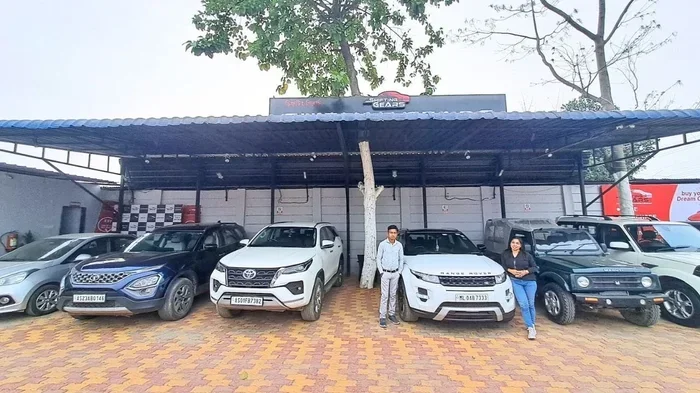
When an IAS officer first joins service, they usually get a compact sedan or a small SUV. These vehicles are practical and fuel-efficient. Common models include the Hyundai Creta, Tata Harrier, or similar government car scheme vehicles. The focus is on reliability and low maintenance cost.
At this level, the car given to IAS officer is functional rather than flashy. The officer needs a dependable vehicle for daily use, not a luxury ride.
Senior and District-Level Officers
As officers rise in rank, the vehicle allocation may change. Senior IAS officers in charge of larger districts might receive bigger SUVs or sedans. Models like the Toyota Innova, Mahindra Scorpio, or Ford Endeavour are common choices.
The IAS car rules at this level allow for vehicles that can handle rough terrain. Many district offices are in areas with poor road conditions. The car needs to be tough enough to handle those challenges.
Secretariat-Level and Senior Bureaucrats
At the highest levels of the IAS officer vehicle allocation system, officers may receive premium vehicles. These are still within government guidelines and budget limits. The emphasis remains on professionalism and functionality over luxury.
It is important to note that even at the top levels, the government employee car is a working vehicle. It is not a personal toy. The officer is expected to use it for official duties first and foremost.
| Officer Level | Typical Vehicle Type | Common Models | Primary Purpose |
|---|---|---|---|
| Junior IAS Officer | Compact Sedan / Small SUV | Hyundai Creta, Tata Harrier | Daily office commute and local travel |
| District Magistrate Level | Mid-Size SUV / Sedan | Toyota Innova, Mahindra Scorpio | District visits and fieldwork |
| Senior Bureaucrat | Premium SUV / Sedan | Toyota Fortuner, Ford Endeavour | State-level meetings and long-distance travel |
What Are the Rules Behind Car Allocation?
The IAS car guidelines are clear and well-structured. The government does not leave this to chance. Every aspect of the car given to IAS officer policy is regulated to ensure fairness and accountability.
Allocation Is Based on Cadre and Posting
Each IAS officer belongs to a specific state cadre. The cadre vehicle policy varies slightly from state to state. Some states offer better vehicles than others. But all cadres follow the central guidelines set by the government vehicle policy for IAS.
The posting location also matters. An officer in a metropolitan city might receive a different vehicle than one posted in a remote district. The idea is to match the vehicle to the local conditions and needs.
Maintenance and Fuel Are Covered
The officer transport facility does not end with just giving the car. The government also covers maintenance, fuel, and insurance costs. This is part of the IAS salary benefits package.
Officers do not have to pay for repairs or fuel out of their own pockets. A designated maintenance schedule ensures the vehicle stays in good condition. This also prevents officers from spending too much on vehicle upkeep.
There Are Strict Limits on Vehicle Value
The government sets a ceiling on the value of the car given to IAS officer. Officers cannot simply ask for any car they want. The IAS car rules specify the maximum vehicle cost allowed at each rank. This keeps the system fair and transparent.
If an officer needs a replacement vehicle, they must follow the proper process. The request goes through the state government’s administrative department. Approval is granted based on need and availability.
Officers Cannot Use the Car for Personal Business
This is a common point of confusion. The government car scheme vehicle is for official use only. Using it for personal errands or business is technically not allowed. In practice, some officers may use it for family trips, but the primary purpose must remain official.
Misuse of the vehicle can lead to disciplinary action. The administrative service vehicle allocation comes with responsibilities. Officers are expected to follow the rules strictly.
How Much Does This Cost Taxpayers?
This is the question everyone wants to know. Does the car given to IAS officer cost a fortune? The answer is more nuanced than you might think.
Yes, the government spends money on vehicles for IAS officers. But the costs are carefully managed. The officer car maintenance budget is part of the overall administrative expenditure. It is not an open-ended expense.
Compared to other government spending, the cost of IAS vehicles is relatively modest. Consider the scale of India’s bureaucracy. Thousands of IAS officers serve across the country. The total vehicle expenditure is a small fraction of the overall government budget.
Also, the vehicles serve a purpose. They enable officers to do their jobs effectively. Better administration leads to better governance. That has a value that goes beyond the cost of a car.
Some states have even started reviewing their government car scheme to optimize costs. The focus is on fuel-efficient vehicles and shared transport options where possible. This shows that the system is evolving to be more cost-conscious.
What Happens to the Car When an IAS Officer Retires?
The car given to IAS officer is government property. It does not belong to the officer. When an IAS officer retires or transfers to a non-gazetted role, they must return the vehicle.
This is one of the most misunderstood aspects of the IAS cadre vehicle policy. Many people assume officers keep the car after retirement. That is not the case. The vehicle goes back to the government pool and is allocated to the next officer.
Some officers may get a vehicle for a short period after retirement, depending on state rules. But this is temporary and subject to approval. The car given to IAS officer is never a permanent personal asset.
Common Misconceptions About IAS Officer Cars
There is a lot of misinformation floating around about the IAS officer vehicle allocation. Let us clear up some of the most common myths.
Myth 1: IAS Officers Get Luxury Cars
This is perhaps the biggest misconception. While senior officers may get well-equipped vehicles, they are not luxury cars in the traditional sense. The car given to IAS officer is a working vehicle chosen for durability and functionality.
The government follows strict guidelines. No officer can simply demand a BMW or Mercedes. The IAS car rules keep the vehicle choice within practical and budget-friendly limits.
Myth 2: All IAS Officers Get the Same Car
As we discussed earlier, the vehicle type varies by rank, cadre, and posting location. A junior officer in a metro city will not get the same car as a senior officer in a remote district. The government vehicle for IAS policy accounts for these differences.
Myth 3: The Car Is a Sign of Corruption
Some people assume that the civil services perks are a form of corruption or misuse of power. This is not true. The vehicle allowance is a legal and transparent part of the IAS compensation package. It is designed to support the officer’s work, not to enrich them personally.
Quick Tips for Understanding IAS Car Benefits
- Think of the car as a tool: It helps IAS officers do their administrative duties, not as a personal luxury item.
- Rules vary by state: Each state cadre may have slightly different vehicle policies. What applies in Uttar Pradesh may differ from Kerala.
- Maintenance is covered: Officers do not pay for repairs, fuel, or insurance from their salary.
- Return is mandatory: The vehicle must be given back when the officer retires or leaves the service.
- Follow the guidelines: The IAS car rules are there for a reason. Staying within them protects both the officer and the government.
Expert Insights on IAS Vehicle Allocation
We spoke with a former IAS officer who served for over 20 years. Here is what they had to say about the car given to IAS officer policy.
“The vehicle was essential for my work. I was posted in a district with limited public transport. Without a government car, I would not have been able to visit all the villages under my jurisdiction. It was a practical tool, not a status symbol.”
This perspective is shared by many serving and retired IAS officers. The vehicle is seen as a functional benefit that enables better governance. It is not about showing off or living a lavish lifestyle.
Experts also point out that the IAS officer car allowance has a broader impact. When officers can travel efficiently, they can respond faster to crises. They can implement welfare programs more effectively. The vehicle, in a way, serves the public interest directly.
However, there is always room for improvement. Some policy experts suggest that states should consider shared vehicle pools for officers in the same area. This could reduce costs and promote sustainability. The future of the government car scheme may involve smarter, more efficient approaches.
Key Takeaways
- The car given to IAS officer is a functional benefit: It supports fieldwork, administration, and emergency response, not personal luxury.
- Vehicle type varies by rank and cadre: Junior officers get compact cars, while senior officers may receive larger SUVs suited for difficult terrain.
- Government covers all costs: Fuel, maintenance, and insurance are paid for by the government under the IAS salary benefits package.
- Strict rules govern allocation: The IAS car rules set clear limits on vehicle value, usage, and personal benefit.
- Officers must return the vehicle: The car is government property and must be handed back upon retirement or transfer.
- Misconceptions are widespread: Many people overestimate the luxury of IAS vehicles and misunderstand the purpose of the benefit.
- The system is evolving: States are increasingly focused on cost-effective and sustainable vehicle allocation practices.
Conclusion
The car given to IAS officer is one of the most talked-about benefits in Indian civil services. But the reality is far more practical than the myths suggest. These vehicles are tools of administration, not symbols of privilege. They enable IAS officers to serve the public effectively, especially in remote and underserved areas.
The IAS officer vehicle allocation policy is well-regulated and transparent. From the type of vehicle to the maintenance costs, everything is governed by clear rules. The system ensures that taxpayer money is spent wisely while supporting the officers who run our districts and states.
Understanding the car given to IAS officer policy helps us appreciate the challenges these officers face. It also clears up common misconceptions that often cloud public perception. The next time you see a government vehicle on the road, remember that it is there to serve the people, not the officer behind the wheel.
The civil services car facility is just one part of a larger system designed to make India’s administration work better. And when it works better, all of us benefit.
Frequently Asked Questions
Is the car given to IAS officer a personal vehicle?
No, the vehicle is government property. It must be used for official purposes and returned when the officer retires or transfers. The IAS car rules are clear about this. Officers cannot claim the car as their own.
What kind of car does a junior IAS officer get?
Junior IAS officers typically receive compact sedans or small SUVs. Common choices under the government vehicle for IAS policy include the Hyundai Creta, Tata Harrier, or similar models. The focus is on fuel efficiency and reliability.
Can an IAS officer use the government car for personal travel?
The vehicle is primarily for official use. Some officers may use it for family trips occasionally, but this should not be the norm. The IAS officer car allowance is designed to support administrative duties, not personal convenience.
How much does the government spend on IAS officer vehicles?
The cost is regulated through the government car scheme. Each state follows budget guidelines for vehicle allocation and maintenance. The total expenditure is a small part of the overall administrative budget and is managed carefully.
Do all IAS officers across India get the same type of car?
No, the car given to IAS officer varies by state cadre, rank, and posting location. A senior officer in a difficult terrain area may receive a different vehicle than a junior officer in a city. The IAS cadre vehicle policy accounts for these differences.
What happens if an IAS officer damages or loses the government vehicle?
Officers are responsible for the care of the vehicle. If there is damage or loss, the matter is handled through the administrative department. The officer transport facility comes with the responsibility to maintain the vehicle properly and report any issues promptly.