How Long Does Scheduled Maintenance Take On A Car
Scheduled maintenance on a car typically takes between 30 minutes and 4 hours, depending on the type of service, your vehicle model, and where you go. A basic oil change can be done in under an hour, while a full multi-point inspection may take half a day. Understanding the process helps you plan your day and avoid unnecessary delays.
Every car owner faces this question at some point: how long does scheduled maintenance take on a car? Whether you are heading in for a simple oil change or a full service, knowing the timeline helps you plan your day. The truth is, there is no single answer. The time varies based on the type of service, your vehicle, and where you take it. In this guide, we break down everything you need to know about car maintenance duration.
Many people dread car maintenance because they fear it will eat up their entire day. But with the right knowledge, you can walk into any service center with confidence. Most routine services are faster than you think. Let us walk through the details together so you know exactly what to expect.
Key Takeaways
- Basic services like oil changes take 30 to 60 minutes on average.
- Full scheduled maintenance including inspections and fluid checks can take 2 to 4 hours. Dealership visits often take longer than independent shops due to paperwork and multi-point checks.
- Hybrid and electric vehicles may require less maintenance time than traditional cars.
- Booking appointments ahead of time significantly reduces wait times.
- Doing your own diagnostics beforehand can speed up the service process.
- Regular maintenance prevents bigger issues that lead to longer service visits.
📑 Table of Contents
- What Is Scheduled Car Maintenance?
- How Long Does Each Type of Maintenance Take?
- Factors That Affect Maintenance Duration
- How to Speed Up Your Car Maintenance
- What Happens During a Typical Scheduled Maintenance Visit?
- Common Mistakes That Lead to Longer Service Times
- How Often Should You Schedule Maintenance?
- Quick Tips for Your Next Maintenance Visit
- Frequently Asked Questions
- Final Thoughts
What Is Scheduled Car Maintenance?
Scheduled maintenance refers to the regular services recommended by your car manufacturer. These services keep your vehicle running safely and efficiently. They follow a set schedule based on mileage or time intervals. Staying on top of these checks prevents costly repairs down the road.
Most carmakers provide a maintenance schedule in the owner manual. This schedule outlines every service you need at specific mileage marks. Common intervals include 5,000, 30,000, 60,000, and 100,000 miles. Each interval comes with its own set of tasks and time requirements.
Why Scheduled Maintenance Matters
Regular maintenance keeps your car reliable. It also helps maintain your vehicle’s resale value. Skipping services can lead to bigger problems that take much longer to fix. Think of it like going to the dentist. A quick checkup beats a painful root canal every time.
Following the car maintenance schedule also ensures your warranty stays valid. Many manufacturers require proof of regular service. Without it, you could lose coverage for major repairs. So staying current on maintenance protects both your car and your wallet.
How Long Does Each Type of Maintenance Take?
The duration of scheduled service depends on what is included. Here is a breakdown of common maintenance types and their typical time frames.
Basic Oil Change
An oil change is the most common maintenance task. It usually takes about 30 to 45 minutes. The mechanic drains the old oil, replaces the filter, and adds fresh oil. Many quick-lube shops can do this in under 30 minutes.
If you visit a dealership, it might take a bit longer. They often include a multi-point inspection with every oil change. This adds about 15 to 30 minutes to the total time.
Tire Rotation and Balancing
Tire rotation typically takes 30 to 60 minutes. The mechanic moves each tire to a different position. This ensures even wear and extends tire life. Balancing adds another 15 to 30 minutes on top of that.
Some shops combine tire rotation with an oil change. In that case, expect the combined service to take about an hour. Booking both tasks together saves time and keeps your car in top shape.
Brake Inspection and Service
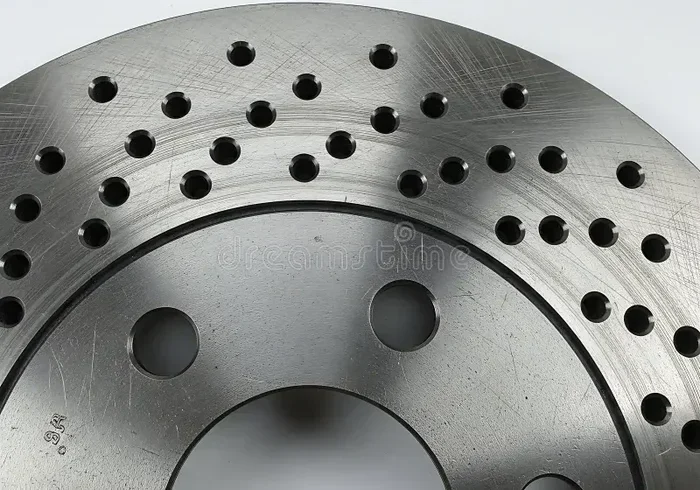
A brake inspection usually takes 30 to 45 minutes. The mechanic checks pads, rotors, and brake fluid levels. If pads need replacing, the process takes 1 to 2 hours. More complex brake work, like rotor resurfacing, can add another 30 minutes.
Regular brake checks are essential for safety. Never skip your brake maintenance even if you are short on time. Worn brakes compromise your stopping power and put you at risk.
Full Multi-Point Inspection
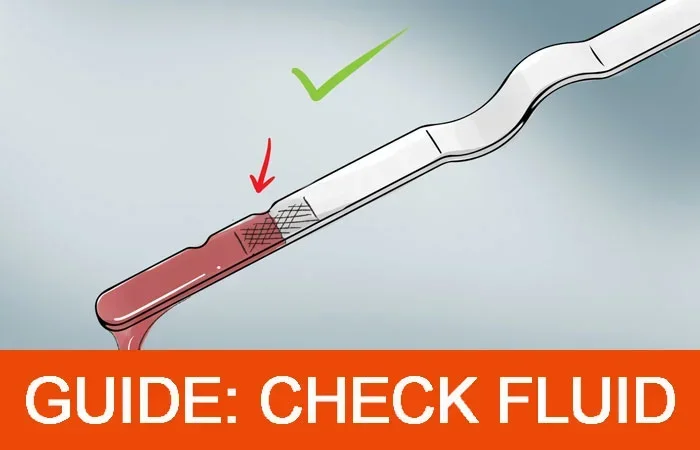
A full inspection covers many systems at once. The mechanic checks fluids, belts, hoses, brakes, tires, lights, and more. This comprehensive service takes about 2 to 3 hours. It gives you a complete picture of your car’s health.
Dealerships often perform these inspections during scheduled maintenance. They follow a detailed car inspection checklist to ensure nothing is missed. While it takes longer, this thorough approach catches problems early.
Factors That Affect Maintenance Duration
Several factors influence how long your car maintenance takes. Understanding these helps you set realistic expectations.
Vehicle Type and Model
Different cars require different amounts of maintenance time. A simple sedan with a straightforward engine takes less time than a complex luxury SUV. Hybrid vehicles often need less maintenance than traditional cars because they have fewer moving parts in the drivetrain. However, hybrid systems require specialized knowledge, which can add time at non-specialized shops.
Are hybrid cars good for long distance driving? Yes, and they also tend to need less frequent maintenance. This can reduce your overall time spent at the service center. Electric vehicles take even less time for routine services since they lack oil changes and exhaust system checks.
Dealership vs. Independent Shop
Where you take your car matters a lot. Dealerships follow strict factory procedures. They use manufacturer-specific diagnostic tools and parts. This thorough process takes more time but ensures everything meets factory standards.
Independent shops often work faster. They focus on the specific tasks you request without the extra multi-point checks. However, they may not have access to the latest software updates for your vehicle. Your choice depends on your priorities: speed or thoroughness.
Seasonal and Demand Factors
Time of year affects wait times too. Summer and holiday seasons are busy for service centers. Booking during off-peak times can cut your wait significantly. Early morning or mid-week appointments often have shorter queues.
Weather also plays a role. Winter driving puts extra stress on cars. This means more vehicles need service after harsh months. Planning your maintenance before peak seasons keeps you ahead of the crowd.
Preliminary Work and Diagnostics
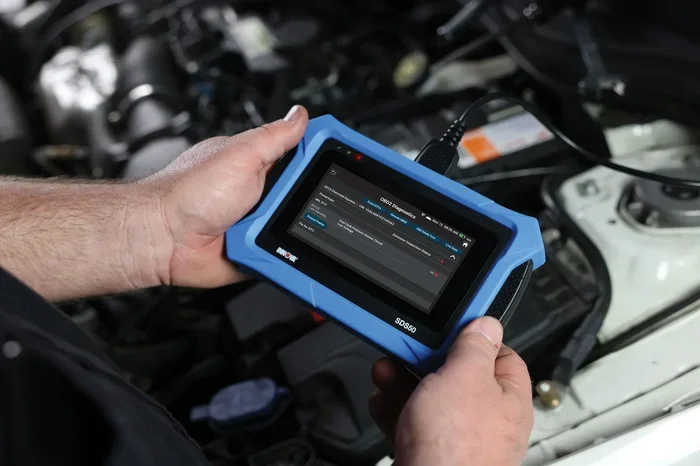
Some shops perform diagnostics before starting any service. This step can add 30 to 60 minutes. Modern cars have complex computer systems that need scanning. Doing your own car diagnostics beforehand can save time. If you already know the issue, the mechanic can jump straight to the fix.
How to Speed Up Your Car Maintenance
You have more control over service time than you might think. A few smart moves can cut your time at the shop significantly.
Book Appointments in Advance
Walk-ins often face long waits. Appointments guarantee your spot and reduce idle time. Most service centers can schedule you within a specific time window. Call ahead or book online to secure your preferred slot.
Prepare Your Vehicle Beforehand
Do a quick check before you leave home. Make sure your car is clean inside and out. Remove personal items that might block access to the engine bay. Having your maintenance records ready helps the mechanic work faster too.
Know What You Need
Review your owner manual before the visit. Note the services due at your current mileage. This prevents back-and-forth conversations with the service advisor. Being clear about your needs saves everyone time.
Ask About Express Service Options
Many shops offer express or quick-service packages. These focus on the essentials without extra checks. They are perfect for routine maintenance like oil changes and tire rotations. Express services can cut your time in half.
What Happens During a Typical Scheduled Maintenance Visit?
Understanding the process removes the mystery. Here is what typically happens during a standard maintenance visit.
Step 1: Check-In and Paperwork
You arrive and check in at the service desk. The advisor reviews your service history and confirms what needs to be done. This step takes 10 to 15 minutes. Having your service records ready speeds this up.
Step 2: Vehicle Inspection
The technician performs a visual inspection of your car. They check fluid levels, tire condition, belts, and hoses. A multi-point inspection adds about 20 to 30 minutes to the process. Any issues found are noted and reported to you.
Step 3: Service Execution
This is the core of the maintenance visit. The technician performs the scheduled tasks. Oil changes, filter replacements, and fluid top-offs happen here. The time depends on the number of services required.
Step 4: Quality Check
Before returning your car, a quality check ensures everything is done correctly. The advisor reviews the work and confirms completion with you. This final step takes about 10 to 15 minutes.
Common Mistakes That Lead to Longer Service Times
Avoid these pitfalls to keep your maintenance visit short and efficient.
- Not booking in advance: Walk-ins often wait 1 to 2 hours before service begins.
- Skipping the owner manual review: Arriving without knowing what is needed causes delays.
- Overloading your car: Excess weight can make certain inspections take longer. Can I put too much weight in my car? Yes, and it affects service efficiency too.
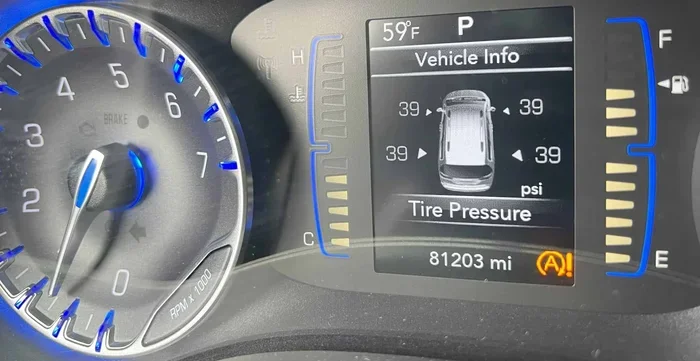
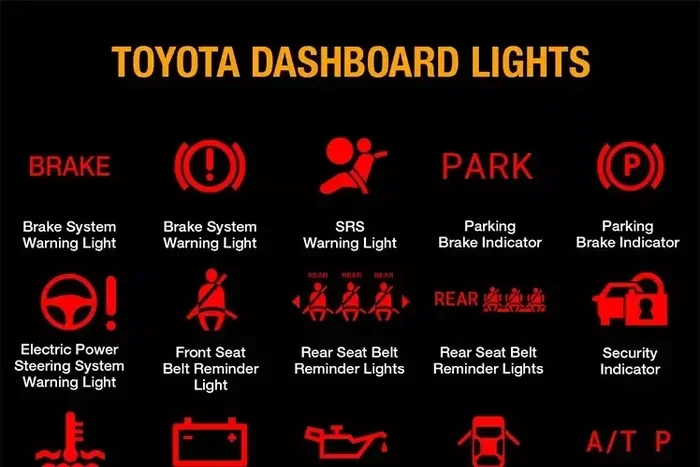
- Ignoring warning lights: Driving with warning lights on can add diagnostic time to your visit.
- Choosing the wrong shop: A shop unfamiliar with your car model may need extra time for research.
How Often Should You Schedule Maintenance?
The frequency depends on your vehicle and driving habits. Most modern cars need service every 5,000 to 7,500 miles. Some newer models can go up to 10,000 miles between services. Always check your owner manual for the manufacturer’s recommendation.
Your driving conditions also matter. If you drive in stop-and-go traffic, extreme heat, or dusty areas, you may need more frequent service. Severe driving conditions shorten maintenance intervals. Keeping a log of your services helps you stay on track.
Time-based maintenance is equally important. Even if you drive few miles, fluids degrade over time. Rubber components age regardless of mileage. Sticking to the schedule protects your investment.
Quick Tips for Your Next Maintenance Visit
- Arrive 10 minutes early to complete paperwork calmly.
- Bring your owner manual and service records.
- Write down any concerns or unusual noises beforehand.
- Ask for a printed estimate before any work begins.
- Request a walk-around inspection summary when picking up your car.
- Keep a maintenance log in your glove box for future reference.
Frequently Asked Questions
How long does a basic car maintenance service take?
A basic service like an oil change and tire rotation takes about 45 minutes to an hour. If you visit a busy dealership, add 30 minutes for check-in and inspection. Booking an appointment cuts your total time significantly.
Can I wait at the service center during maintenance?
Yes, most service centers have waiting areas for customers. However, a full maintenance visit can take 2 to 3 hours. Many people prefer to leave the car and return later. Some shops offer shuttle service or loaner vehicles while you wait.
Does car maintenance take longer for older vehicles?
Older cars may need more time due to wear and rust. Finding parts for older models can also add delay. However, routine maintenance on older vehicles is usually straightforward. The key is to stay consistent with your service schedule.
What if my car needs unexpected repairs during maintenance?
Technicians may discover additional issues during inspection. This adds time to your visit. The service advisor will contact you for approval before doing extra work. Always ask for a detailed estimate before approving any additional repairs.
How can I reduce my car maintenance time?
Booking appointments ahead of time is the best way to reduce wait. Preparing your vehicle and having records ready also helps. Choosing an express service package focuses on essentials and skips extra checks. Some drivers even do their own car diagnostics before visiting to save time.
Is scheduled maintenance necessary if my car seems fine?
Yes, preventive maintenance catches problems before they become serious. A car that looks fine on the outside may have hidden issues. Regular checks ensure all systems work properly. Skipping maintenance often leads to expensive repairs later.
Final Thoughts
Scheduled maintenance on a car typically takes between 30 minutes and 4 hours, depending on the service type and your vehicle. A basic oil change is quick and easy, while a full inspection takes more time. The key is planning ahead and knowing what to expect.
Regular maintenance keeps your car safe, reliable, and efficient. It also saves money by preventing major breakdowns. Investing a few hours now can save you days of repair time later. Follow your manufacturer’s schedule, choose the right service provider, and always stay prepared for your visit.
Your car is one of your biggest investments. Taking care of it through timely maintenance pays off in the long run. Next time you wonder how long maintenance will take, remember this guide. You will walk into the shop with confidence and walk out with a well-serviced vehicle.