Colorado Window Tint Law What You Should Know in 2024
Colorado window tint law sets clear rules for how dark or reflective your car windows can be. The state regulates visible light transmission (VLT) percentages for sedans, SUVs, and vans. Understanding these rules helps you avoid tint tickets, pass inspections, and stay on the right side of the law in 2024.
Driving in Colorado means enjoying stunning mountain views. But did you know your car’s window tint can get you pulled over? The Colorado window tint law has specific rules about how dark or reflective your windows can be. Many car owners don’t realize these rules exist until they get a ticket.
Whether you just bought a new vehicle or you’re thinking about adding tint to your current ride, this guide covers everything you need to know. We break down the legal limits, exemptions, and common mistakes. By the end, you’ll feel confident about your tint choices in 2024.
The state of Colorado takes vehicle window tinting seriously. The Colorado tint law is part of the state vehicle code. It applies to all passenger cars, SUVs, and vans registered in the state. These rules exist for safety reasons. They help ensure drivers can see clearly through their windows, especially at night or in bad weather.
Key Takeaways
- Front side windows must allow over 27% VLT for sedans, SUVs, and vans in Colorado.
- The windshield can only have tint on the top 4 inches as a non-reflective strip.
- Rear windows can be any darkness for sedans, but SUVs and vans must follow dual side mirror rules if rear tint is dark.
- Medical tint exemptions are available for those with specific health conditions.
- Reflective or metallic tints are not allowed on any window in Colorado.
- Tint violations can result in fines and failed inspections.
- Always keep your tint certificate and receipt from a licensed installer for proof of compliance.
📑 Table of Contents
- Understanding Colorado Window Tint Law Basics
- Legal Tint Limits for Sedans in Colorado
- Legal Tint Limits for SUVs and Vans in Colorado
- Tint Colors and Special Restrictions
- Medical Exemptions for Window Tint
- Tint Stickers, Certificates, and Proof of Compliance
- Common Mistakes People Make With Car Window Tinting
- What Happens If You Get a Tint Violation in Colorado?
- Quick Tips to Stay Compliant With Colorado Tint Law
- How to Choose the Right Tint for Your Vehicle
- Tint Law Changes and What to Expect in 2024
- Frequently Asked Questions
- Final Thoughts on Colorado Window Tint Law in 2024
Understanding Colorado Window Tint Law Basics
Before diving into the specifics, let’s cover the basics. The Colorado window tint law focuses on two main measurements. These are visible light transmission (VLT) and reflectivity. VLT tells you how much light passes through your window film. A higher VLT means a lighter tint. A lower VLT means a darker tint.
Colorado also cares about how much heat your tint blocks. But the law is mostly about visibility. The goal is to keep drivers safe on the road. Here’s what you need to know about the key terms.
What Is VLT Percentage?
Visible light transmission is measured as a percentage. This number tells you how much light your window lets through. For example, a 70% VLT tint lets 70% of light pass through. It looks almost clear. A 5% VLT tint is very dark. You can barely see through it.
Colorado law sets minimum VLT levels for each window. These limits differ between sedans and SUVs/vans. The tint darkness law in Colorado is clear but specific. You need to match your film to the right percentage for your vehicle type.
What Is Reflectivity in Window Tint?
Reflectivity refers to how much light the tint reflects. Some tints use metallic or mirrored finishes. These can look cool but create problems. They bounce light into other drivers’ eyes. Colorado law limits how reflective your tint can be.
The Colorado tint law says no window can have a reflective finish. This applies to all windows. Both the front and back. This rule helps reduce glare and keeps roads safer for everyone.
Legal Tint Limits for Sedans in Colorado
Sedans have their own set of rules under the Colorado window tint law. These limits apply to each window individually. Let’s walk through them one by one.
Windshield Tint Rules
You can tint your windshield in Colorado. But there’s a catch. The tint can only go on the top 4 inches. This strip must be non-reflective. It’s often called an AS-1 line. Anything below that line must stay clear.
This rule helps drivers see the road ahead. It also keeps police officers able to look into your vehicle from above. The windshield tint rule is one of the most important parts of Colorado law.
Front Side Windows
For sedans, the front side windows must allow more than 27% of light through. This means your VLT must be above 27%. Most factory-tinted cars meet this requirement. But if you’re adding aftermarket tint, you need to choose carefully.
Many popular tint films fall in the 35% to 50% range. These are great options for sedans. They reduce glare and heat while staying legal. Always ask your tint installer for the VLT percentage before they apply the film.
Rear Side Windows and Rear Window
For sedans, the rear side windows and rear window can be any darkness. You can go as low as 5% VLT if you want. There are no restrictions on tint darkness for these windows in sedans.
However, if your rear windows are tinted darker than 70% VLT, you must have dual side mirrors. This ensures you can still see behind your car. The Colorado DMV considers this a safety requirement.
Legal Tint Limits for SUVs and Vans in Colorado
SUVs and vans follow a different set of rules. The Colorado window tint law treats these vehicles differently. This is because they have larger rear windows and different visibility needs.
Windshield Tint for SUVs and Vans
The windshield rule is the same for SUVs and vans. You can tint the top 4 inches only. The film must be non-reflective. No tint below the AS-1 line is allowed on the windshield.
Front Side Windows
Front side windows on SUVs and vans must also allow more than 27% VLT. This matches the sedan rule. The front doors and front quarter windows need to stay bright enough for the driver to see clearly.
Rear Side Windows and Rear Window
Here’s where things get interesting. For SUVs and vans, the rear side windows and rear window can be any darkness. But if those windows are tinted darker than 70% VLT, you need dual side mirrors. This rule applies to all SUVs and vans.
Many truck and SUV owners love dark tints for privacy. The law allows it. Just make sure you have those side mirrors working properly. Without them, you could get a tint ticket during a routine traffic stop.
Tint Colors and Special Restrictions
Colorado doesn’t restrict tint colors in most cases. You can get blue, green, bronze, or charcoal window film. However, some colors may attract extra attention from law enforcement. The key is staying within the VLT and reflectivity limits.
The Colorado state vehicle code does not list any banned tint colors. But it does ban certain types of films. Metallic and mirrored finishes are not allowed. These can cause dangerous glare for other drivers. Stick with standard, non-reflective films to stay compliant.
Medical Exemptions for Window Tint
Some people need darker window tint for medical reasons. Conditions like lupus, photosensitivity, or melanoma can make sun exposure dangerous. Colorado allows medical tint exemptions for these situations.
How to Get a Medical Exemption
You’ll need a signed letter from a licensed physician. This letter must explain your condition and why darker tint is necessary. Submit it to the Colorado Department of Motor Vehicles.
Once approved, you’ll receive a certificate. Keep this in your vehicle at all times. If you get pulled over, show the officer your exemption certificate. Without it, even a medical need won’t protect you from a tint violation fine.
What the Exemption Covers
A medical exemption may allow darker tint than the standard 27% VLT limit. The exact allowance depends on your condition and your doctor’s recommendation. Some exemptions allow VLT as low as 20% on front side windows.
Always check with the Colorado DMV for the latest exemption rules. Laws can change. What was allowed last year might not be the same today. Stay updated to avoid surprises.
Tint Stickers, Certificates, and Proof of Compliance
Colorado requires tint shops to provide a certificate for every installation. This certificate proves your tint meets state standards. It should include the VLT percentage and the installer’s information.
Keep this certificate in your glove box. You may need to show it during a traffic stop or vehicle inspection. Without proof, an officer might assume your tint is illegal.
Where to Find Your Tint Certificate
The certificate should come from your tint installer directly. If you can’t find it, contact the shop where you got your tint done. They can provide a replacement. Some shops also keep digital records you can access online.
Pro tip: take a photo of your certificate with your phone. Store it in a cloud folder. This way, you always have a backup if the paper gets lost or damaged.
Common Mistakes People Make With Car Window Tinting
Even well-meaning car owners run into trouble with window tinting. Here are the most common mistakes and how to avoid them.
- Buying tint online without checking VLT: Online tints often look darker in photos than they are in person. Always verify the VLT percentage before purchasing.
- Assuming all windows follow the same rule: Front and rear windows have different limits. Know which rule applies to each window on your vehicle.
- Skipping the certificate: Never let a tint shop skip the compliance certificate. It’s your proof of legality.
- Choosing reflective tint for style: Reflective tints look great in photos but are illegal in Colorado. Stick with matte or satin finishes.
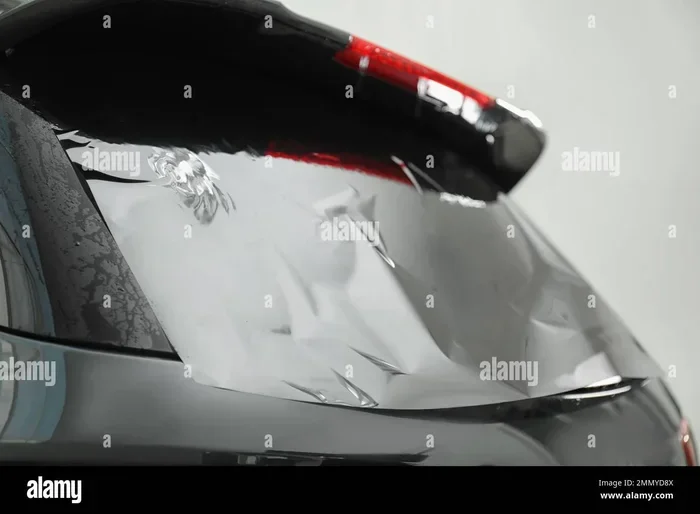
- Ignoring after-market bubble or peeling: Damaged tint can reduce visibility. If your tint bubbles or peels, replace it or remove it to stay compliant.
What Happens If You Get a Tint Violation in Colorado?
Getting caught with illegal window tint can be costly. Colorado law enforcement takes tint violations seriously. Here’s what you need to know.
During a traffic stop, an officer can measure your window tint with a device called a tint meter. This tool reads the VLT percentage instantly. If your tint falls below the legal limit, you’ll likely receive a citation.
Fines for tint violations in Colorado can range from $50 to several hundred dollars. The exact amount depends on the severity of the violation. A first offense might cost around $50 to $100. Repeat offenses can cost more.
In some cases, you may be required to remove the illegal tint before your vehicle inspection can pass. This adds time and expense. It’s much easier to choose legal tint from the start.
Quick Tips to Stay Compliant With Colorado Tint Law
Staying legal with your window tint doesn’t have to be complicated. Follow these simple tips and you’ll avoid trouble.
- Ask for the VLT percentage before your tint installer starts the job.
- Choose a licensed tint shop that knows Colorado state laws.
- Keep your tint certificate and receipt in your glove box at all times.
- Take photos of your tinted windows after installation for your records.
- Re-check your tint every few years. Films can fade and change VLT over time.
- Talk to your doctor if you need a medical exemption. Get the paperwork in order before tinting.
- Avoid aftermarket reflective films. They look bold but are illegal in Colorado.
How to Choose the Right Tint for Your Vehicle
Choosing the right window film can feel overwhelming. There are so many options. Here’s how to make the right choice for your Colorado car.
Consider Your Driving Habits
Do you drive long commutes on the highway? Do you park outdoors in the intense Colorado sun? Your driving habits should guide your tint choice. High heat rejection films work great for sunny days. They keep your car cooler and protect your interior from fading.
Think About Privacy vs. Legality
Many people want dark tint for privacy. But remember the VLT limits. Sedans need at least 27% VLT on front windows. SUVs and vans have more flexibility. Choose a shade that gives you privacy without breaking the law.
Budget for Quality Installation
Cheap tint bubbles, peels, and fades fast. Invest in quality car window tinting from a reputable shop. A professional installation lasts longer and looks better. It also comes with a compliance certificate you’ll need.
Tint Law Changes and What to Expect in 2024
The Colorado window tint law can change from year to year. It’s important to stay updated. While major changes haven’t been announced for 2024, always check the latest from the Colorado DMV website.
Some states have relaxed their tint laws in recent years. Others have tightened them. Colorado has maintained steady rules for now. The focus remains on safety and visibility for all drivers.
If you hear about proposed changes, verify them before making tint decisions. Don’t rely on rumors or outdated information. The DMV and state vehicle code are your most reliable sources.
Frequently Asked Questions
Can I tint my windshield in Colorado?
Yes, but only the top 4 inches. The tint on the windshield must be non-reflective. No tint is allowed below the AS-1 line on the windshield. This rule applies to all vehicle types in Colorado.
What is the legal tint darkness for front side windows in Colorado?
Front side windows must allow more than 27% visible light transmission (VLT). This applies to sedans, SUVs, and vans. Any tint darker than this limit on the front side windows is illegal and can result in a citation.
Do I need dual side mirrors if my rear windows are tinted?
Yes, if your rear windows are tinted darker than 70% VLT, you must have working dual side mirrors. This rule applies to both sedans and SUVs/vans. It ensures you can see behind your vehicle clearly.
Are metallic or mirrored tints legal in Colorado?
No. The Colorado window tint law prohibits reflective or metallic finishes on all windows. These tints create glare and reduce visibility for other drivers. Stick with non-reflective films to stay compliant.
Can I get a medical exemption for darker window tint?
Yes. Colorado allows medical tint exemptions for conditions like photosensitivity or lupus. You need a signed letter from a licensed physician. Submit it to the Colorado DMV for approval before tinting your windows.
How much is a tint violation fine in Colorado?
Fines typically range from $50 to several hundred dollars depending on the violation. A first offense is usually on the lower end. Repeat offenses or severely illegal tints can result in higher fines and mandatory removal of the tint.
Final Thoughts on Colorado Window Tint Law in 2024
The Colorado window tint law is designed to keep everyone safe on the road. These rules balance personal style with public safety. By understanding the legal limits, you can enjoy your tinted windows without worry.
Always work with a licensed tint installer who knows Colorado regulations. Keep your compliance documents handy. And if you need a medical exemption, get the paperwork in order before your tint goes on.
Window tinting offers real benefits. It reduces glare, blocks UV rays, and keeps your car cooler. Just make sure your choices align with the Colorado tint law. A little research goes a long way toward avoiding fines and keeping your ride looking great.
Stay informed, stay compliant, and enjoy the drive. Colorado roads are beautiful. With the right window tint, you can protect yourself from the sun and still stay within the law. Safe travels in 2024 and beyond.